

Commentary
Unexpectedly, Trump’s America appears to have replaced Putin’s Russia’s as the world’s biggest disruptor.
Alexander Baunov
{
  "authors": [
    "Nima Gerami",
    "Pierre Goldschmidt"
  ],
  "type": "legacyinthemedia",
  "centerAffiliationAll": "",
  "centers": [
    "Carnegie Endowment for International Peace"
  ],
  "collections": [],
  "englishNewsletterAll": "",
  "nonEnglishNewsletterAll": "",
  "primaryCenter": "Carnegie Endowment for International Peace",
  "programAffiliation": "",
  "programs": [
    "Nuclear Policy"
  ],
  "projects": [],
  "regions": [
    "Middle East",
    "Iran"
  ],
  "topics": [
    "Nuclear Policy"
  ]
}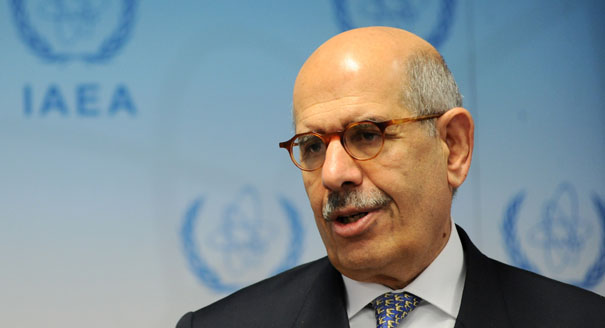
The public revelations of Iran's clandestine nuclear activities in August 2002 unleashed one of the most intensive and highly publicized inspections in the history of the International Atomic Energy Agency.
Source: National Defense University

The process for determining non-compliance depends on the technical and legal findings of the IAEA Secretariat—the Agency’s technical arm—and the political judgments made by the IAEA Board. However, the lack of an established definition of non-compliance makes the decisionmaking process one of the most challenging tasks faced by the IAEA, which has a statutory obligation to report non-compliance to the UN Security Council (UNSC) and the General Assembly. Since the IAEA was first established in 1957, the Agency’s Board of Governors traditionally made its decisions based on a rule of consensus widely celebrated as the “Spirit of Vienna.” All previous safeguards violations were routinely reported as non-compliance by the IAEA to the UNSC (Iraq in 1991, Romania in 1992, and North Korea in 1993 and 1994). In the case of Iran, it took more than 2 years for the IAEA Board to reach a formal finding of non-compliance. This case study examines the IAEA’s approach to determining non-compliance with NPT safeguards agreements, as exemplified by past experience with Iran, and addresses the following questions: How did the IAEA decide to find Iran in non-compliance and refer the case to the UNSC? Who were the primary actors involved and how did they seek to advance their positions? How did the internal politics of the IAEA and changing geopolitical circumstances shape the Agency’s decisionmaking process?
Carnegie does not take institutional positions on public policy issues; the views represented herein are those of the author(s) and do not necessarily reflect the views of Carnegie, its staff, or its trustees.
Unexpectedly, Trump’s America appears to have replaced Putin’s Russia’s as the world’s biggest disruptor.

Alexander Baunov
Baku may allow radical nationalists to publicly discuss “reunification” with Azeri Iranians, but the president and key officials prefer not to comment publicly on the protests in Iran.

Bashir Kitachaev
The Kremlin will only be prepared to negotiate strategic arms limitations if it is confident it can secure significant concessions from the United States. Otherwise, meaningful dialogue is unlikely, and the international system of strategic stability will continue to teeter on the brink of total collapse.

Maxim Starchak
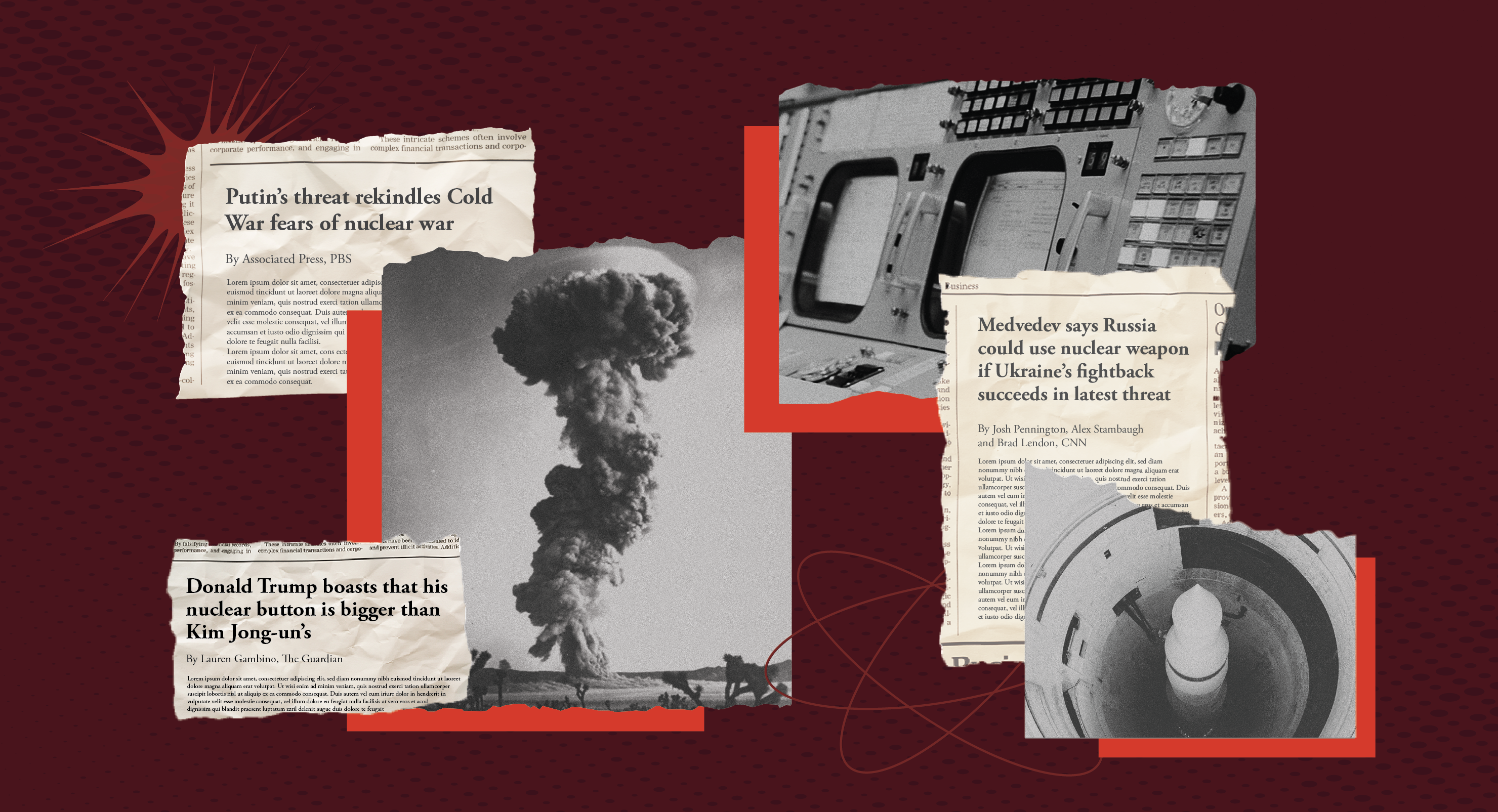
The less precise our nuclear discourse, the more fear nuclear manipulators can elicit.

George Perkovich
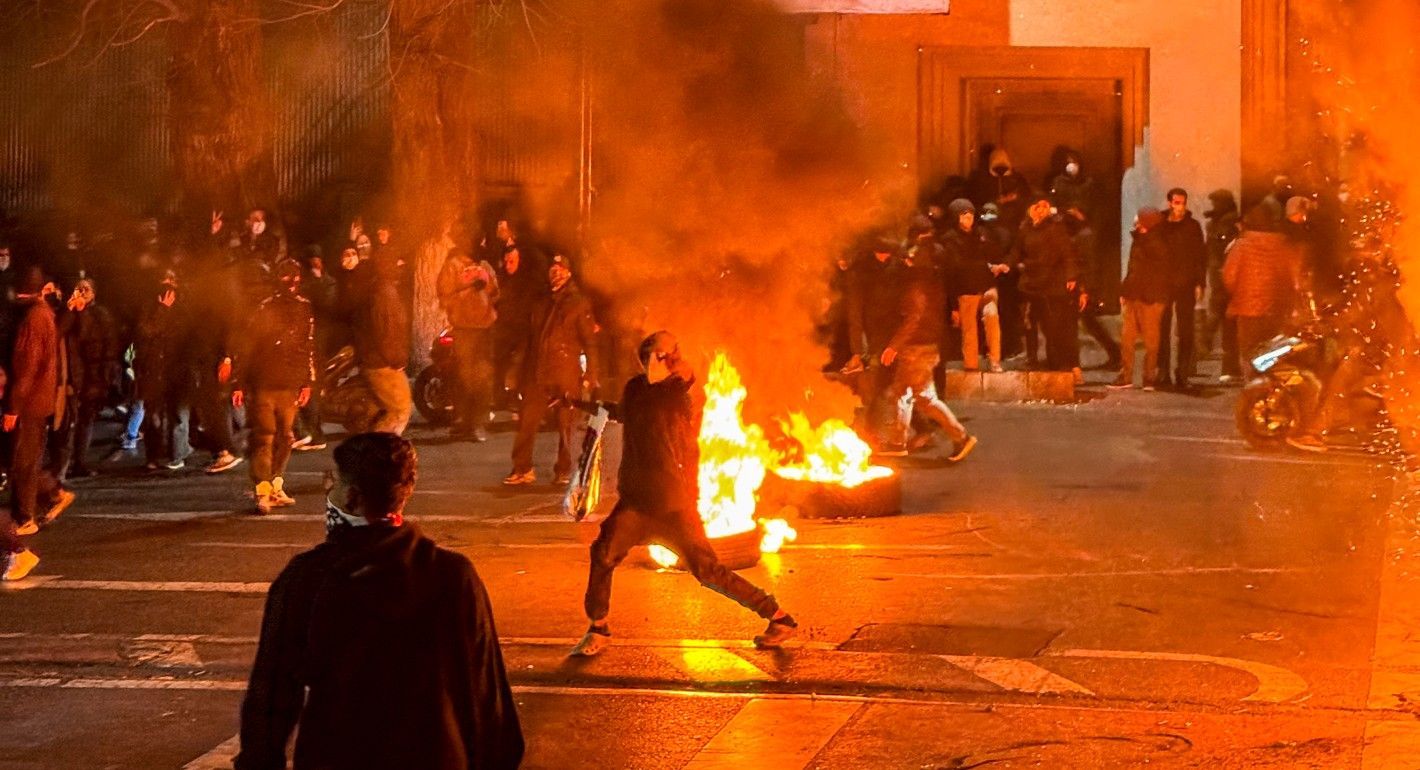
This time, though, they’re adding even more pressure to an already beleaguered regime.

Eric Lob