

Commentary
Western negotiators often believe territory is just a bargaining chip when it comes to peace in Ukraine, but Putin is obsessed with empire-building.
Andrey Pertsev
{
  "authors": [
    "Andrew S. Weiss"
  ],
  "type": "legacyinthemedia",
  "centerAffiliationAll": "",
  "centers": [
    "Carnegie Endowment for International Peace",
    "Carnegie Russia Eurasia Center"
  ],
  "collections": [],
  "englishNewsletterAll": "",
  "nonEnglishNewsletterAll": "",
  "primaryCenter": "Carnegie Endowment for International Peace",
  "programAffiliation": "",
  "programs": [
    "Russia and Eurasia"
  ],
  "projects": [],
  "regions": [
    "North America",
    "United States",
    "Russia"
  ],
  "topics": [
    "Foreign Policy"
  ]
}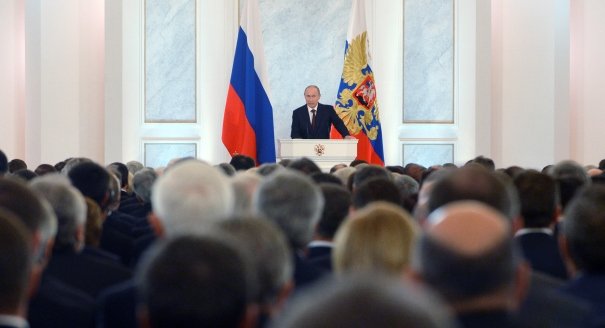
The Obama administration was correct to cancel the summit with Russian President Vladimir Putin because Russia had recently stonewalled Obama’s agenda.
Source: NPR’s Diane Rehm Show
Speaking on NPR’s Diane Rehm Show, Carnegie’s Andrew Weiss explained that President Barack Obama made the right choice in cancelling his summit with Russian President Vladimir Putin because Russia had stonewalled Obama’s agenda over the past several months. Given the already slim prospects for the summit, Russia’s handling of Edward Snowden showed that the Russian government was not willing to make serious progress on the issues, he said. Weiss described the Russian government’s growing anti-American and anti-gay rhetoric as an effort by Putin to reach out to “Ivan Sixpack”—the Russian political base—and portray his opponents as un-Russian.
This discussion was originally aired on NPR’s Diane Rehm Show.
Carnegie does not take institutional positions on public policy issues; the views represented herein are those of the author(s) and do not necessarily reflect the views of Carnegie, its staff, or its trustees.
Western negotiators often believe territory is just a bargaining chip when it comes to peace in Ukraine, but Putin is obsessed with empire-building.
Andrey Pertsev
When democracies and autocracies are seen as interchangeable targets, the language of democracy becomes hollow, and the incentives for democratic governance erode.
Sarah Yerkes, Amr Hamzawy
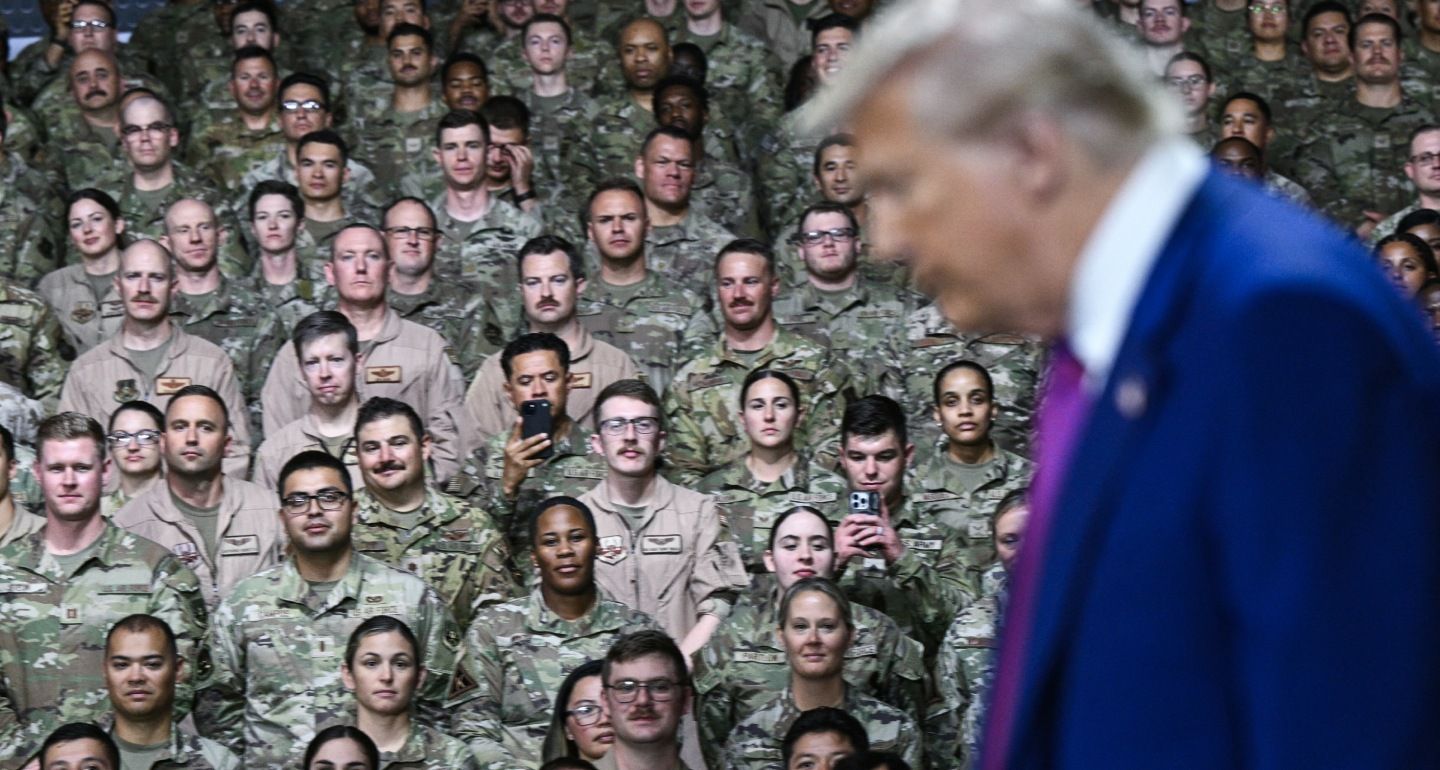
Unexpectedly, Trump’s America appears to have replaced Putin’s Russia’s as the world’s biggest disruptor.
Alexander Baunov
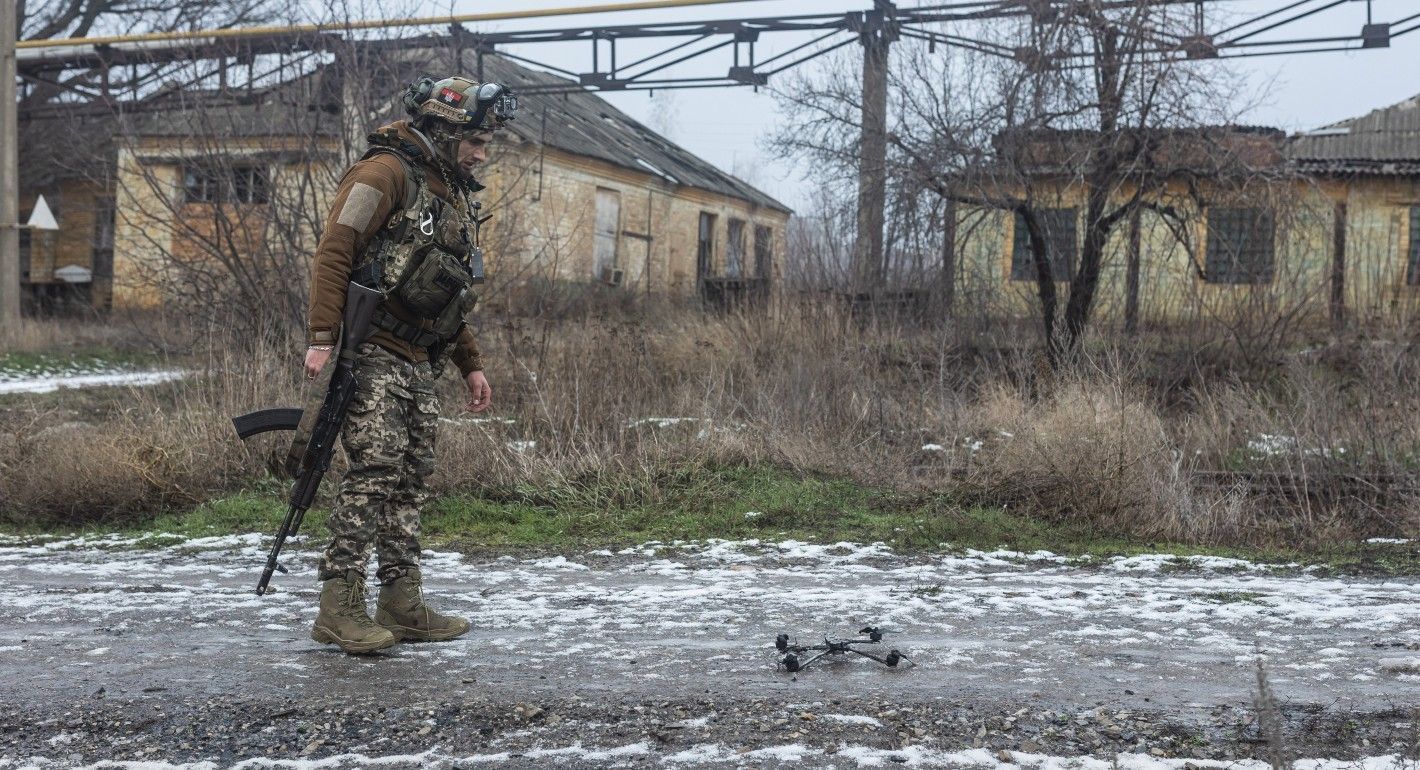
From Sudan to Ukraine, UAVs have upended warfighting tactics and become one of the most destructive weapons of conflict.
Jon Bateman, Steve Feldstein
And how they can respond.
Sophia Besch, Steve Feldstein, Stewart Patrick, …