

Research
As states without nuclear weapons develop nuclear-powered submarines, can NWFZ regimes adapt to manage new technical, legal, procedural, and normative challenges?
Jamie Kwong, ed., Toby Dalton, ed., Celia McDowall, ed.
{
  "authors": [
    "Jessica Tuchman Mathews",
    "James M. Acton"
  ],
  "type": "other",
  "centerAffiliationAll": "",
  "centers": [
    "Carnegie Endowment for International Peace"
  ],
  "collections": [
    "Japan's Nuclear Crisis"
  ],
  "englishNewsletterAll": "",
  "nonEnglishNewsletterAll": "",
  "primaryCenter": "Carnegie Endowment for International Peace",
  "programAffiliation": "",
  "programs": [
    "Nuclear Policy"
  ],
  "projects": [],
  "regions": [
    "East Asia",
    "Japan"
  ],
  "topics": [
    "Nuclear Policy"
  ]
}
Source: Getty
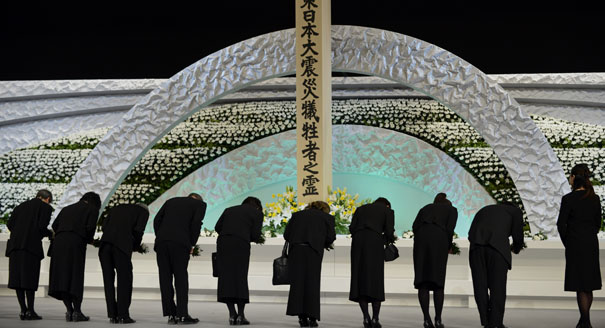
While physical aftershocks from the earthquake that struck Japan on March 11, 2011, have long ceased, societal aftershocks are still reverberating.
Source: Independent Investigation Commission on the Fukushima Daiichi Nuclear Accident
While physical aftershocks from the earthquake that struck Japan on March 11, 2011, have long ceased, societal aftershocks are still reverberating. Most obviously, 110,000 of the evacuees forced to flee from the worst nuclear accident since Chernobyl have yet to return to their homes. For many Japanese - not just the evacuees and their famiilies - their dislocation is an open wound.
At the same time, Japanese society has gained a new interest in its country's governance. Until the accident, it had been willing to let bureaucrats make most key policies with a minimum of interference. Now, a wave of public involvement, which was started by dissatisfaction over energy policy, is having effects in unrelated areas, such as pensions.
A robust and engaged civil society is surely a welcome development. Japan has been in a sustained economic slump for almost two decades, partly as a result of a political system devoid of imagination and unable to innovate. (Although, hopefully, Japan's new prime minister's signature economic policy of "Abenomics" will turn out to be an exception to that rule.) It may be painful for the Kasumigaseki bureaucrats, but an injection of energy from civil society could - perhaps - be a turning point....
Carnegie does not take institutional positions on public policy issues; the views represented herein are those of the author(s) and do not necessarily reflect the views of Carnegie, its staff, or its trustees.
As states without nuclear weapons develop nuclear-powered submarines, can NWFZ regimes adapt to manage new technical, legal, procedural, and normative challenges?

Jamie Kwong, ed., Toby Dalton, ed., Celia McDowall, ed.
As the first states without nuclear weapons set to acquire nuclear-powered attack submarines, Australia and Brazil face new questions and challenges as they seek to responsibly manage the risks of naval nuclear propulsion.
Jamie Kwong, ed., Toby Dalton, ed.
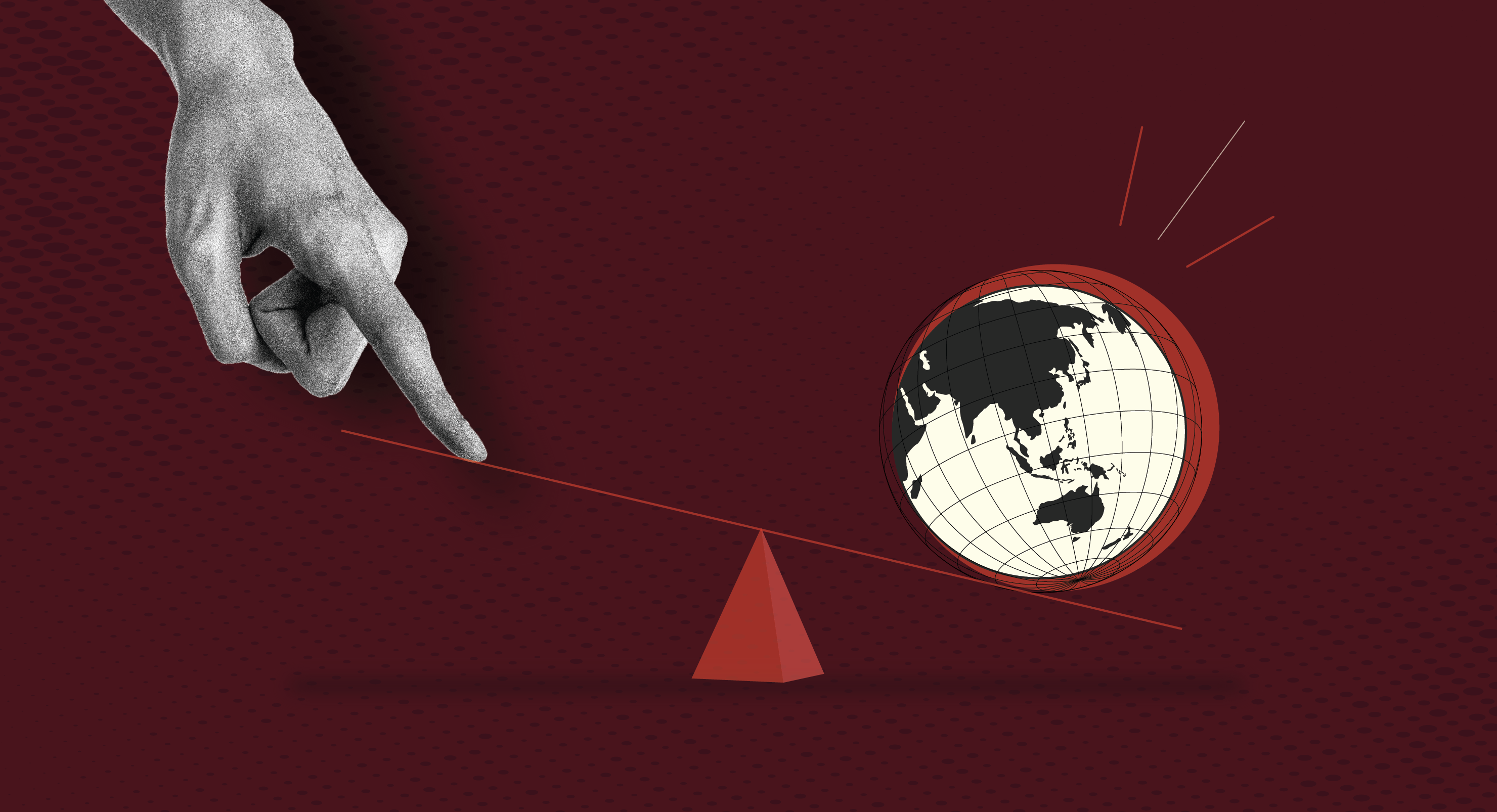
There is an urgent need to strengthen the relevant international legal frameworks if they are to protect against threats to use nuclear weapons.
Anna Hood, Monique Cormier
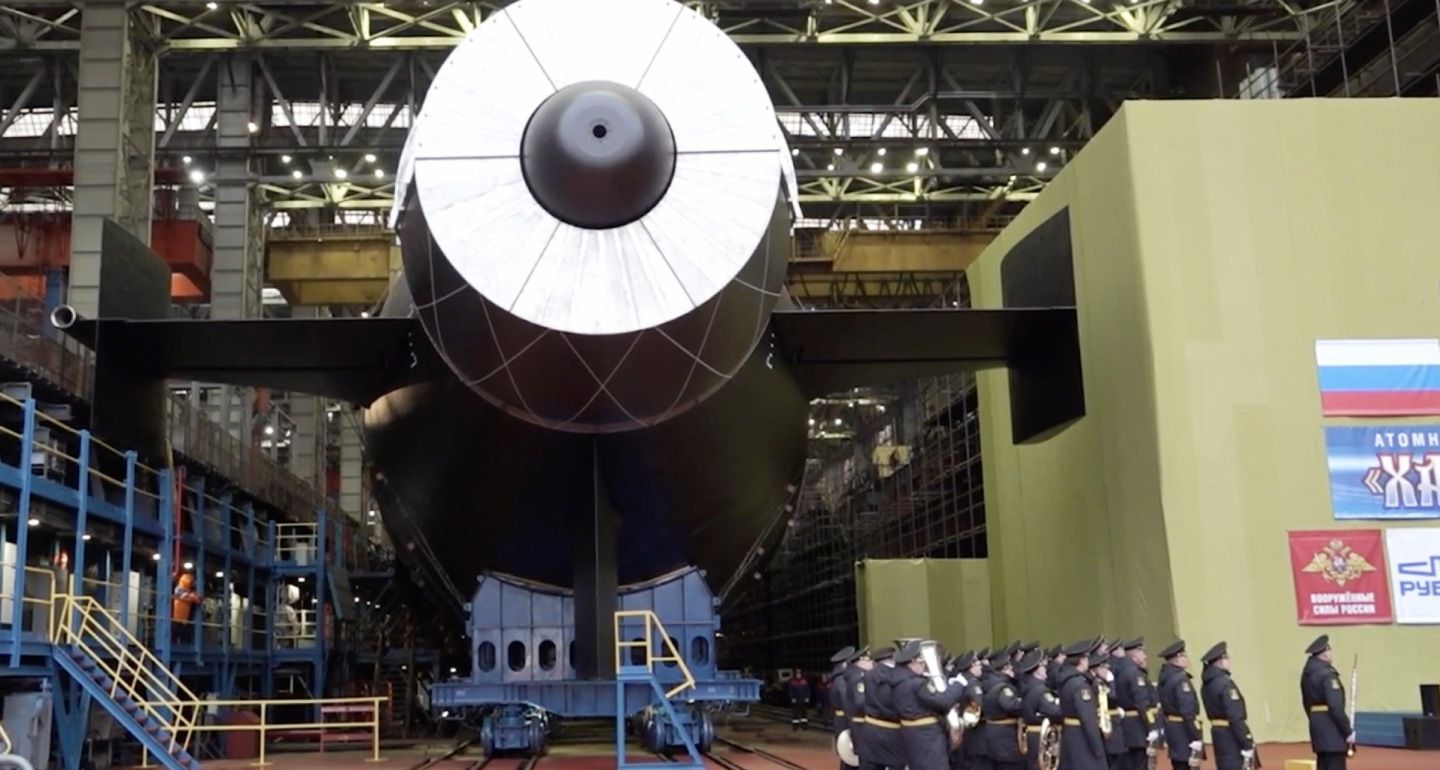
The Kremlin will only be prepared to negotiate strategic arms limitations if it is confident it can secure significant concessions from the United States. Otherwise, meaningful dialogue is unlikely, and the international system of strategic stability will continue to teeter on the brink of total collapse.

Maxim Starchak
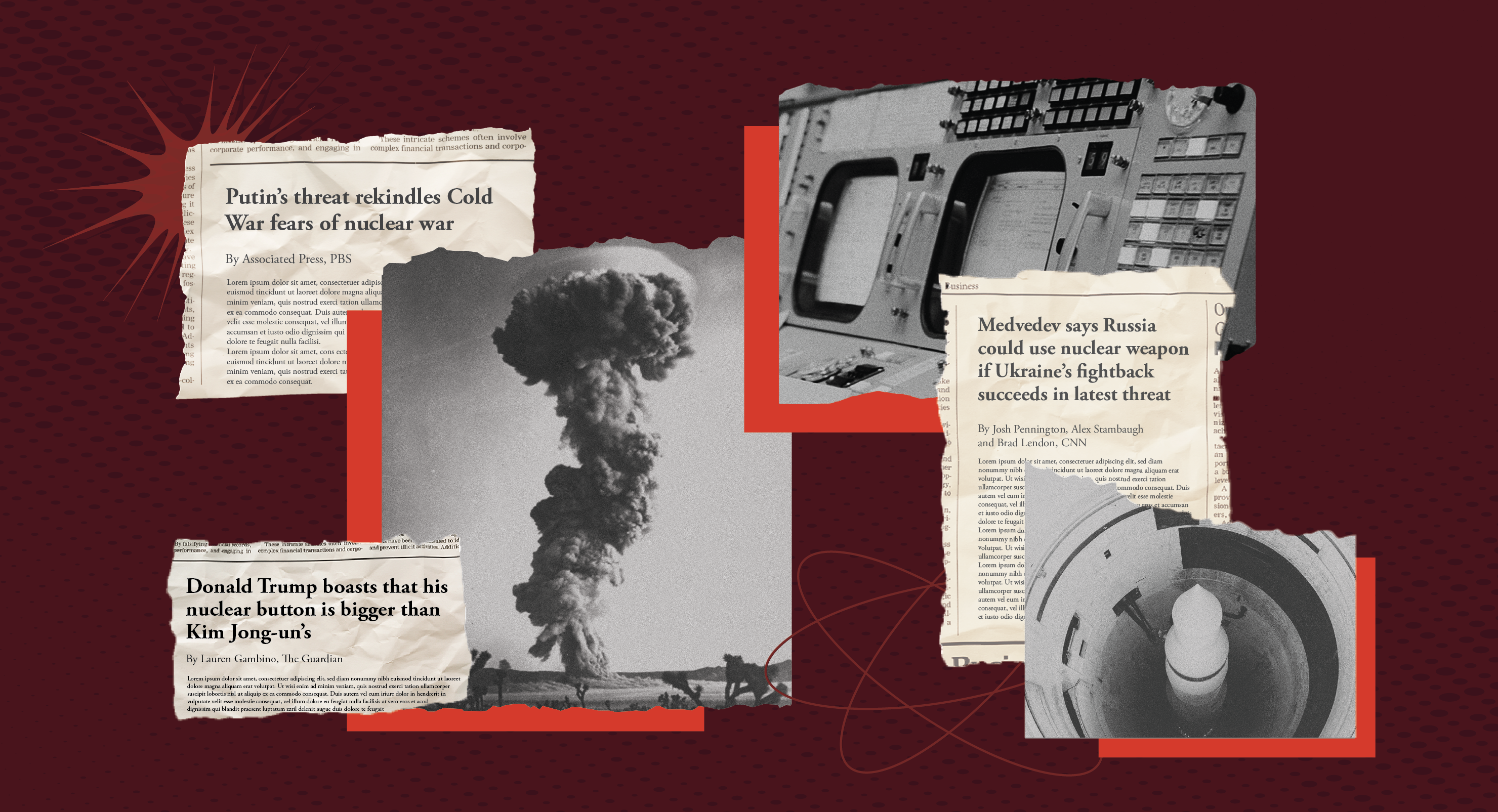
The less precise our nuclear discourse, the more fear nuclear manipulators can elicit.

George Perkovich