

Commentary
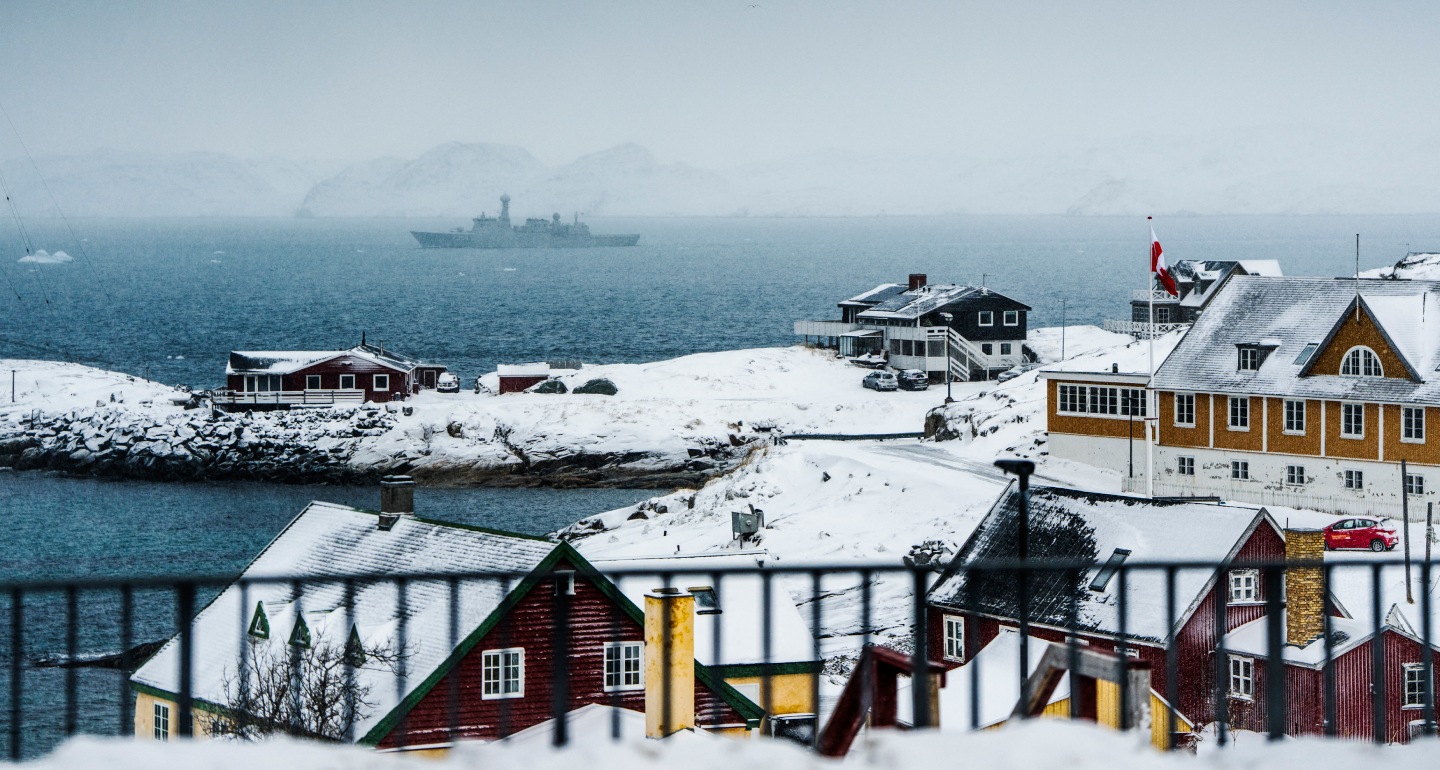
The supposed threats from China and Russia pose far less of a danger to both Greenland and the Arctic than the prospect of an unscrupulous takeover of the island.
Andrei Dagaev
{
  "authors": [
    "Ashley J. Tellis"
  ],
  "type": "other",
  "centerAffiliationAll": "",
  "centers": [
    "Carnegie Endowment for International Peace"
  ],
  "collections": [],
  "englishNewsletterAll": "",
  "nonEnglishNewsletterAll": "",
  "primaryCenter": "Carnegie Endowment for International Peace",
  "programAffiliation": "",
  "programs": [
    "South Asia"
  ],
  "projects": [],
  "regions": [
    "North America",
    "United States",
    "South Asia",
    "India",
    "East Asia",
    "China"
  ],
  "topics": [
    "Foreign Policy",
    "Nuclear Policy"
  ]
}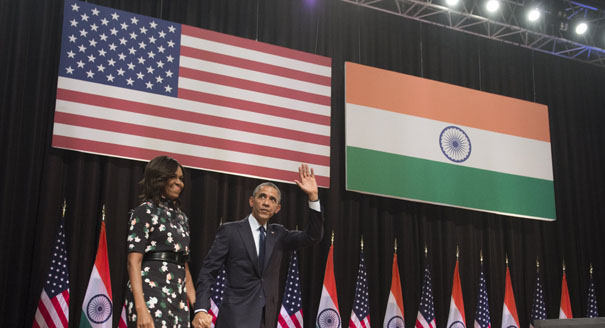
India seeks a “non-obligated” relationship with the United States to promote economic development and secure global status. This creates a constantly shifting equilibrium between the United States, India, and China.
Source: Asia Society
Speaking at the Asia Society India Centre, Carnegie’s Ashley J. Tellis and Suhasini Haidar of the Hindu held a discussion on the trajectory of Indo-Chinese-U.S. relations. Tellis stressed the multidimensional nature of the triangular relationship between India, China and the United States. He explained that India seeks a “non-obligated” relationship with the United States to promote economic development and secure its global status. This creates a constantly shifting equilibrium between the United States, India, and China, he said.
Carnegie does not take institutional positions on public policy issues; the views represented herein are those of the author(s) and do not necessarily reflect the views of Carnegie, its staff, or its trustees.
The supposed threats from China and Russia pose far less of a danger to both Greenland and the Arctic than the prospect of an unscrupulous takeover of the island.

Andrei Dagaev

There is an urgent need to strengthen the relevant international legal frameworks if they are to protect against threats to use nuclear weapons.
Anna Hood, Monique Cormier
Implementing Phase 2 of Trump’s plan for the territory only makes sense if all in Phase 1 is implemented.

Yezid Sayigh

Western negotiators often believe territory is just a bargaining chip when it comes to peace in Ukraine, but Putin is obsessed with empire-building.

Andrey Pertsev

When democracies and autocracies are seen as interchangeable targets, the language of democracy becomes hollow, and the incentives for democratic governance erode.

Sarah Yerkes, Amr Hamzawy