

Article
Supporters of democracy within and outside the continent should track these four patterns in the coming year.
Saskia Brechenmacher, Frances Z. Brown
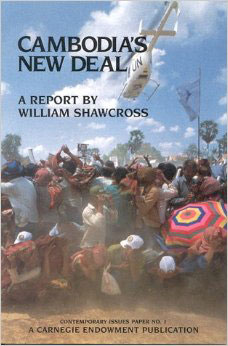
In a study sponsored by the Carnegie Endowment, William Shawcross, author of two previous books on Cambodia, details the steps leading to Cambodia's new coalition government; paints an intimate portrait of the national scene; and offers his own deeply knowledgeable perspective on the problems that a new Cambodia must face if it is to fully restore itself to national life.
Source: Washington, DC: Carnegie Endowment for International Peace, 1994
In May 1993, after two decades of civil war, the people of Cambodia boldly embraced peace as nearly 90 percent of registered voters cast ballots in a U.N.-sponsored election. In a study sponsored by the Carnegie Endowment, William Shawcross, author of two previous books on Cambodia (Sideshow: Kissinger, Nixon and the Destruction of Cambodia and The Quality of Mercy: Cambodia, Holocaust and Modern Conscience), details the steps leading to Cambodia's new coalition government; paints an intimate portrait of the national scene; and offers his own deeply knowledgeable perspective on the problems that a new Cambodia must face if it is to fully restore itself to national life.
Carnegie does not take institutional positions on public policy issues; the views represented herein are those of the author(s) and do not necessarily reflect the views of Carnegie, its staff, or its trustees.
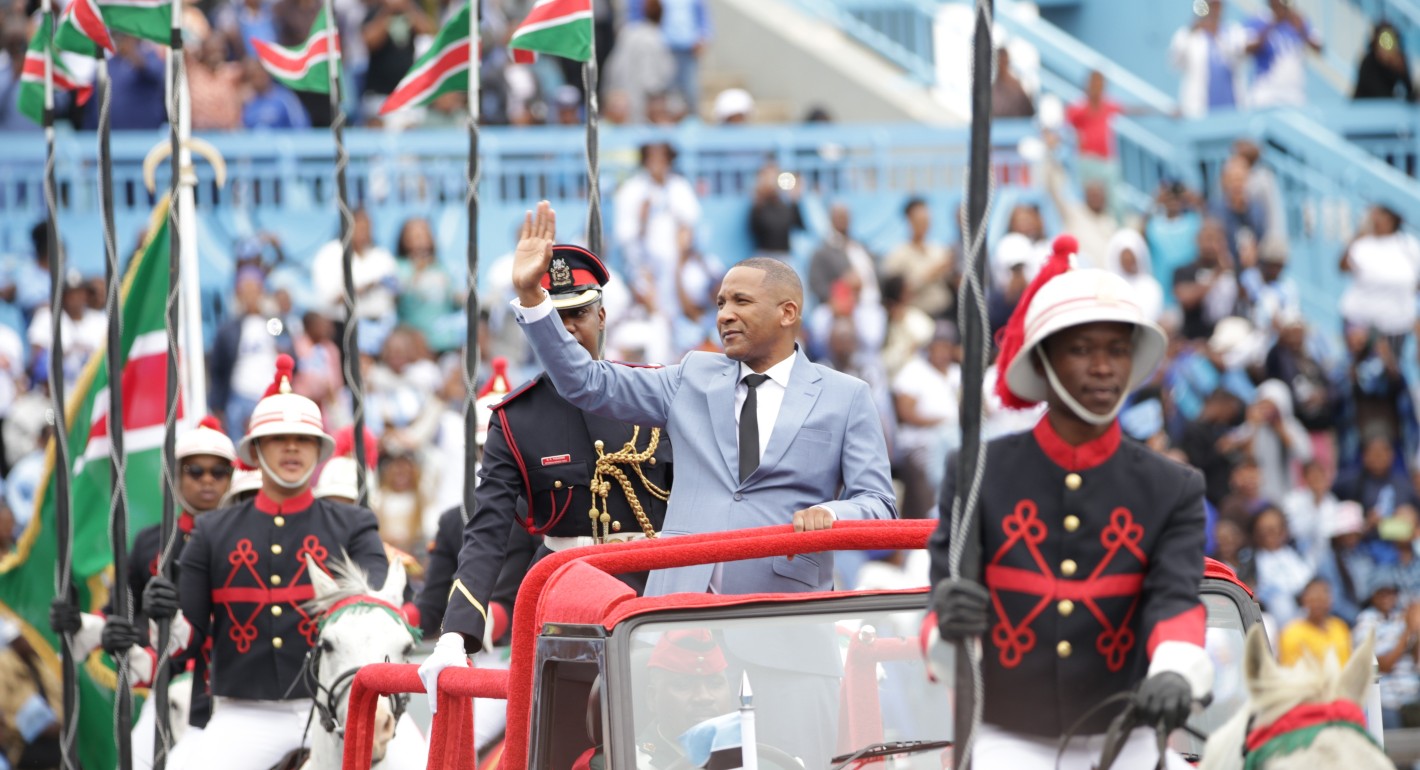
Supporters of democracy within and outside the continent should track these four patterns in the coming year.


Saskia Brechenmacher, Frances Z. Brown

On January 12, 2026, India's "workhorse," the Polar Satellite Launch Vehicle, experienced a consecutive mission failure for the first time in its history. This commentary explores the implications of this incident on India’s space sector and how India can effectively address issues stemming from the incident.

Tejas Bharadwaj
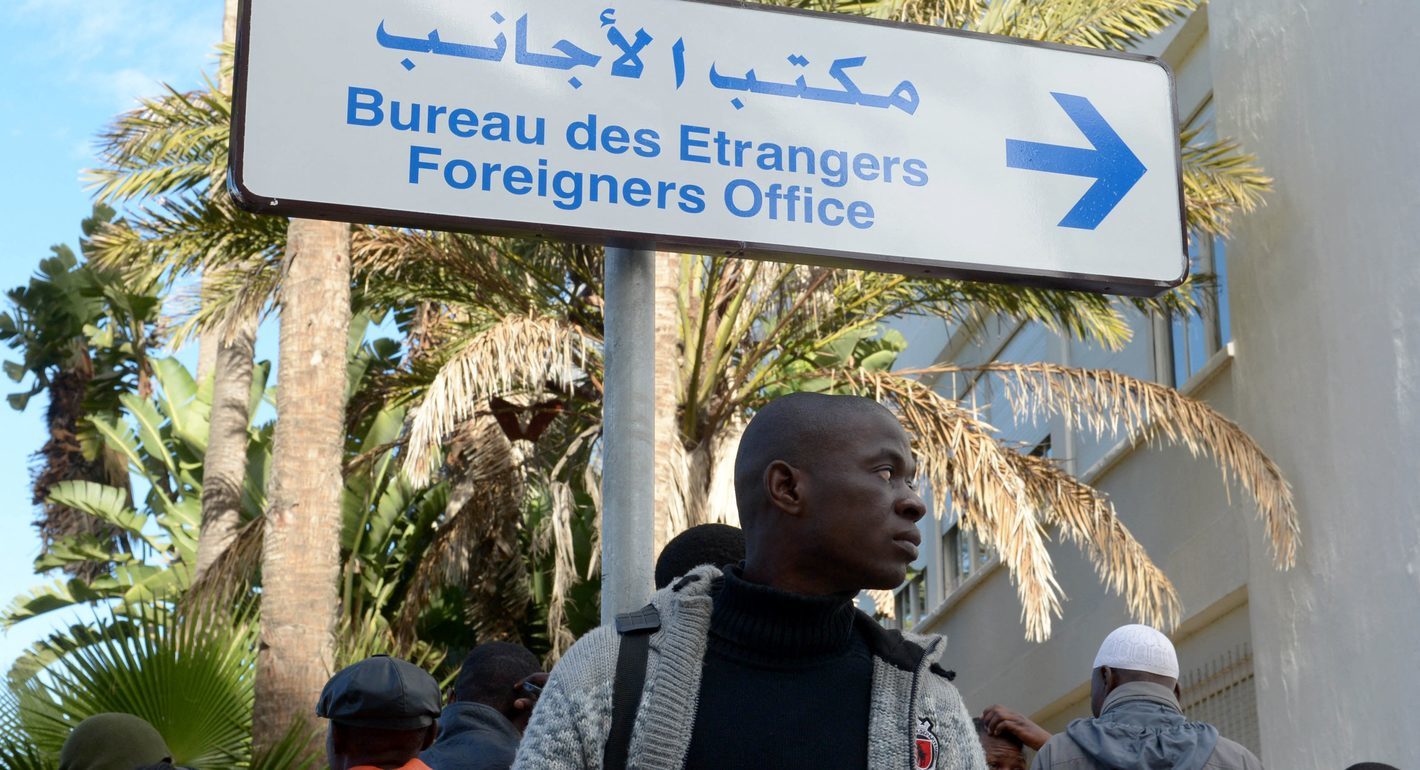
Is Morocco’s migration policy protecting Sub-Saharan African migrants or managing them for political and security ends? This article unpacks the gaps, the risks, and the paths toward real rights-based integration.
Soufiane Elgoumri
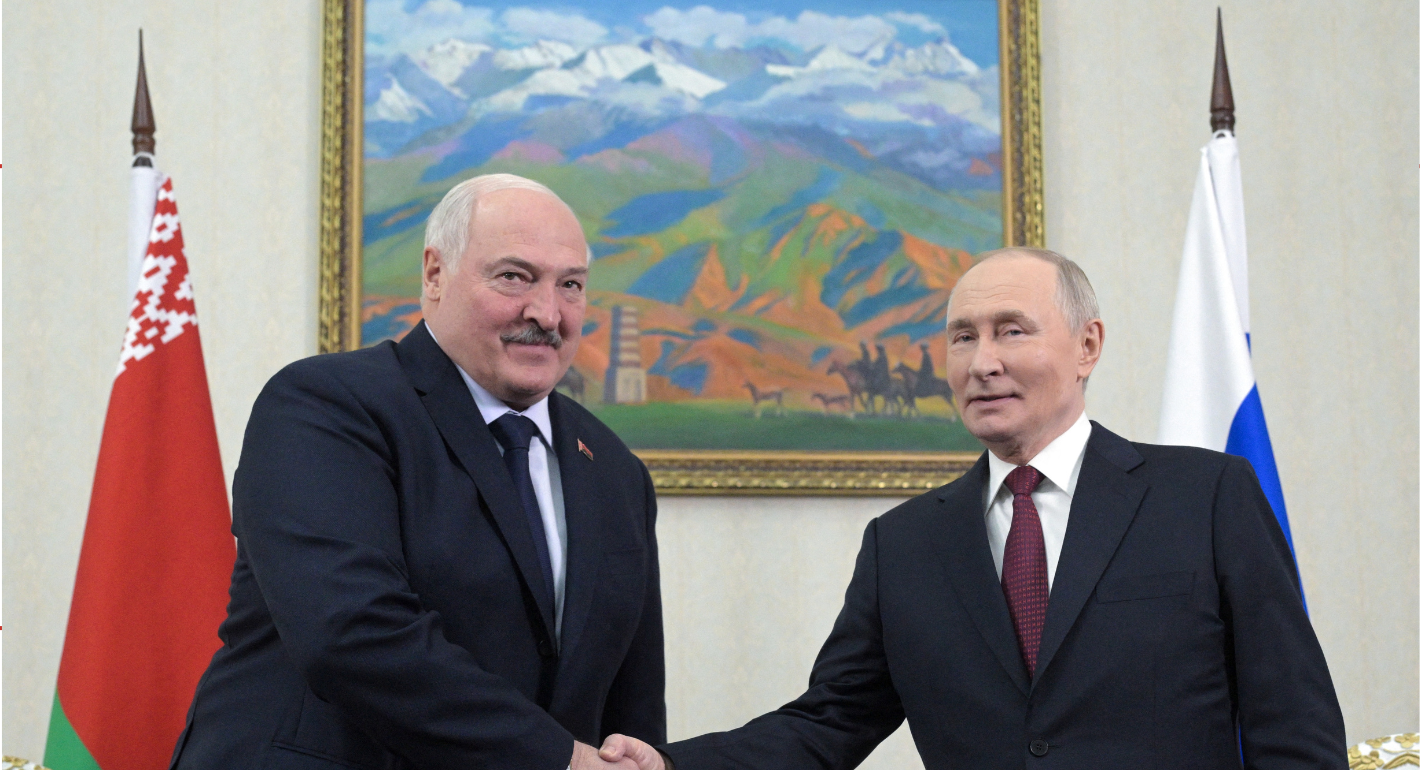
In return for a trade deal and the release of political prisoners, the United States has lifted sanctions on Belarus, breaking the previous Western policy consensus. Should Europeans follow suit, using their leverage to extract concessions from Lukashenko, or continue to isolate a key Kremlin ally?

Thomas de Waal, ed.
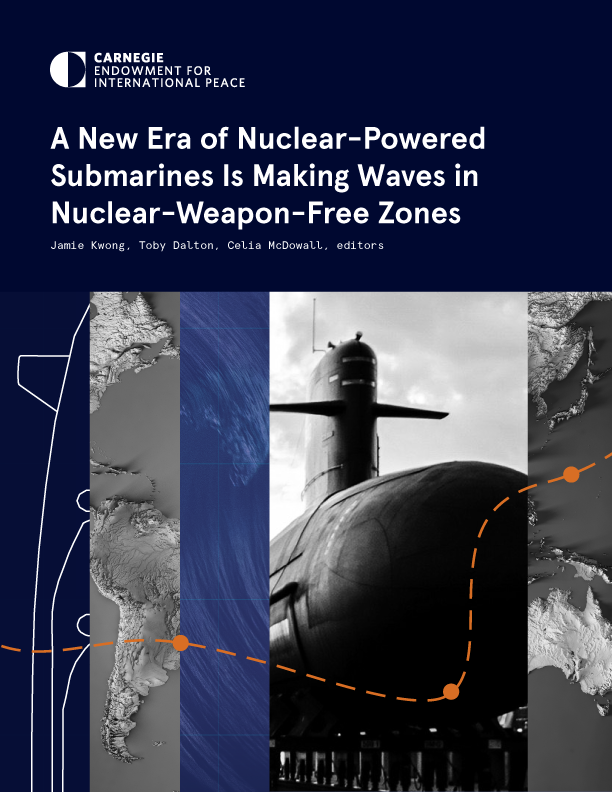
As states without nuclear weapons develop nuclear-powered submarines, can NWFZ regimes adapt to manage new technical, legal, procedural, and normative challenges?


Jamie Kwong, ed., Toby Dalton, ed., Celia McDowall, ed.