

Commentary
Is Morocco’s migration policy protecting Sub-Saharan African migrants or managing them for political and security ends? This article unpacks the gaps, the risks, and the paths toward real rights-based integration.
Sofiane Al-Kamri
{
  "authors": [
    "Mona Alami"
  ],
  "type": "commentary",
  "blog": "Sada",
  "centerAffiliationAll": "",
  "centers": [
    "Carnegie Endowment for International Peace"
  ],
  "collections": [],
  "englishNewsletterAll": "",
  "nonEnglishNewsletterAll": "",
  "primaryCenter": "Carnegie Endowment for International Peace",
  "programAffiliation": "",
  "programs": [],
  "projects": [],
  "regions": [],
  "topics": []
}
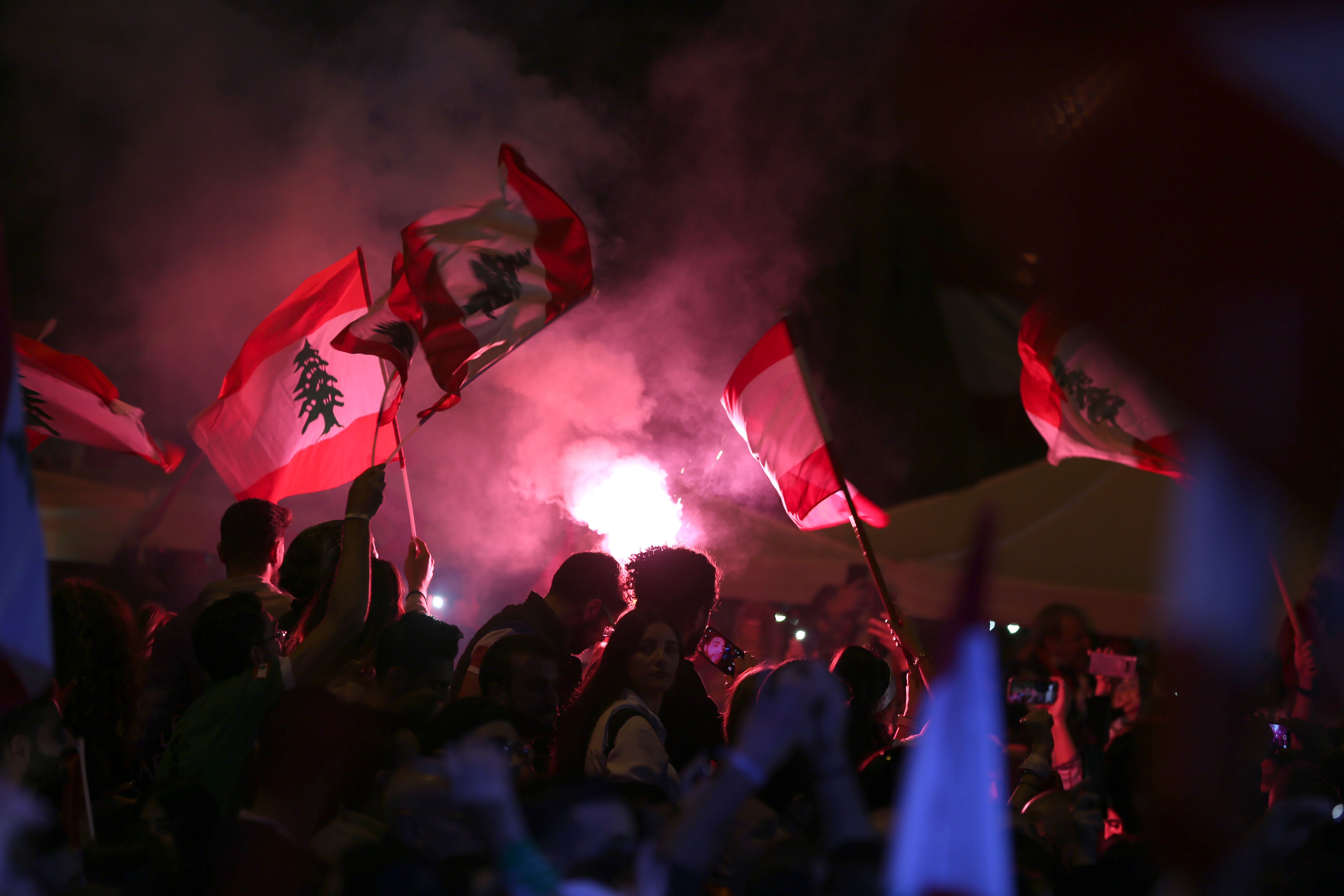
Lebanon’s long-standing economic crisis takes a new turn in the face of protracted protests, cabinet reshuffling, and scarce money supply.
Lebanon is in the midst of the worst economic and financial crisis since the onset of its civil war in 1975. The economic crisis triggered massive anti-government protests, resulting in the cabinet’s resignation in October. Deteriorating economic conditions and scarce dollars led to a restrictions on the permitted value of withdrawals of both U.S. dollars and Lebanese pounds. Despite the Central Bank’s intervention, the Lebanese pound lost over 30 percent of its value, reaching 2000 Lebanese pounds to the USD. Lebanese citizens are taking severe measures as they face difficult economic conditions, lose their jobs or fail to provide for their families. Following years of economic mismanagement, Lebanon is facing dark days, and still more ahead.
The crisis engulfing Lebanon did not happen overnight. Over the past few years there has been ample warnings of looming economic collapse. Following the civil conflict in the 1990s, Lebanon adopted a short-term economic vision, built on services, mainly catering to neighboring countries and, therefore, highly dependent on the regional political environment. To rebuild the country, Prime Minister Rafic Hariri’s government focused on appealing to foreign depositors by offering attractive interest rates. Offsetting interest rates created a rentier economy and impeded the development and diversification of the productive sector. The government and the Central Bank decided to peg the Lebanese pound (LL) to the dollar and maintain parity at 1515 LL against the dollar. In the long run, this proved to be a costly move as it slowly depleted dollar reserves. For years, political haggling hindered necessary reforms, the absence of which, in turn, led to increased corruption and continuous instability.
In the early 1990s, Lebanon also engaged in a large-scale reconstruction project of more than 18 billion dollars to propel Lebanon as a regional tourism, real estate, and financial hub. These sectors, however, were highly dependent on funds from wealthy regional investors and the Lebanese diaspora. The latter group represented more than half of total tourist arrivals after the 2008 Doha agreement, which ushered in a short phase of political stability across the country. The real estate sector had grown considerably following the reconstruction of downtown Beirut. Growth spread across the rest of Lebanon, which led to a speculation upsurge until the 2011 Syria war. The drop in global oil prices, and what followed it in terms of economic downturn in the Gulf, the war in Yemen, and prior to those the war in Syria—all destabilized the political and security environment in Lebanon. The economic downturn in Gulf countries, the war Yemen, and the Gulf crisis, also eroded regional tourists and investors’ purchasing power. Even more, the 400,000 Lebanese diaspora members also experienced a diminished financial ability to buy goods and services.
The dynamic rise of Lebanon’s banking sector has also been slowing down. Since 1992, the government’s decision to undertake regular issues of treasury bills to finance the country’s reconstructions has significantly impacted how banks operated. In order to attract deposits that allowed the banks to finance the debt, the government pushed higher interest rates. By 2019, rates reached an all-time high, reaching over 8 percent on the dollar and over 12 percent on the Lebanese pound. Moreover, the interest rate differential resulted in predatory speculative trends, benefiting the wealthiest classes. These rates not only impacted Lebanon's treasury by contributing to a rapidly growing debt but also limited the business sector's growth. Banks preferred to invest in treasury bills, thus failing to diversify their risks. Banks began lending less and less to the private sector, whose productive capacity was already weakened by the civil war. Fadi Makki an expert in behavioral economics, and the founder of Nudge Lebanon and the Consumer Citizen Lab asserted that "the rentier economy crowded out entrepreneurs.”1
The massive use of the dollar in the Lebanese economy and the maintained parity of the Central Bank's exchange rate against the dollar continued to grow. According to Senior Economist and Head of Research at BLOM bank Marwan Mkhael, the treasury faced increased pressure as Lebanon experienced prolonged economic shocks.2 These shocks came on the heels of destabilizing political events including, the Israeli aggression of 1996, the assassination of Prime Minister Rafic Hariri in 2005, the 2006 Israeli War—all of which resulted in capital flight. Mkhael noted that while most previous shocks had an average duration of about three months, the current economic decline has persisted since 2011. Dropping remittances, the use of CB dollar reserves to defend the lira, and declining growth rates contributed to a bleeding of the Lebanese state’s coffers.
Still, the political class refuses to implement structural reforms. The dysfunction of the electrical sector alone accounts for over 37 billion dollars losses of the country’s 87 billion debt. According to the Corruption Perceptions Index, Lebanon’s corruption reached a record high ranking of 143 out of 175 in 2017, a stark drop from its 2006 score of 63. Mkhael notes that the balance of payment deficit worsened from 2011 onward, recording a cumulative deficit of 18.5 billion USD at the end of July 2019. The deficit climbed from 3.1 billion USD in 2014 to 6.2 billion USD in 2018, according to figures provided by Byblos Bank.
Furthermore, unprofitable investments in Turkey and Syria, as well as the deterioration of financial indicators such as Credit Default Swaps (the exchange contracts against the risk of default of the Lebanese government), compounded the increasing balance of payments deficit. These factors, along with the deterioration of the sovereign debt ratings, pushed the Central Bank to intervene several times on the market through financial engineering operations. The Fitch rating agency has also downgraded Lebanese banks' viability ratings (VR) from ccc-.to f. Furthermore, allegations of Lebanese Oil importers backed by politicians, smuggling over 1.7 billion USD to Syria added fuel to fire. If true, this monetary trafficking would have contributed to draining the Lebanese market of its dollars.3
The growing incapacity of the state to finance its expenditures and debt heralded a new and dangerous turning point for Lebanon. “As the state’s revenues drop as more and more businesses close down and the political stalemate continues, the inability of the government to pay public employees’ salaries in the next few months is becoming a reality,” says a source from the Finance Ministry.
Lebanese food and oil traders increasingly complain about their inability to finance imports. Severe shortages in essential goods such as food, pharmaceuticals, and oil products inevitable, with hospital staff and medical equipment importers already sounding the alarm. Many businesses are closing their doors. An increasing number of businesses are closing their doors. In 2019 265 restaurants have shut down; over 10 percent of Lebanese companies are believed to have gone out of business and over 22 percent have reduced staff levels by 60 percent. In addition, business owners are reportedly cutting salaries by half.
Hopes of a new, competent cabinet that could inspire trust are eroding each day. The country appears to be in free fall. Unemployment and the bankruptcy of major corporations are expected to grow in the next few months, increasing dollar scarcity, hyperinflation, and the inaccessibility of basic goods. These are but a few of the many immediate threats awaiting Lebanon. Economic pressure will only further mobilize citizens to take to the streets and amplify violent trends, leaving Lebanon’s state nothing but bleak.
Mona Alami is a nonresident fellow at the Atlantic Council and at Trends Research and Advisory. Follow her on Twitter @monaalami.
1Author interview with Dr Fadi Makki, Beirut, Lebanon, November 2019.
2Author interview with Marwan Mkhael, Beirut, Lebanon, November 2019.
3Interview with a leading Lebanese economist heading research in a Lebanese bank, Lebanon, Beirut, November 2019.
Carnegie does not take institutional positions on public policy issues; the views represented herein are those of the author(s) and do not necessarily reflect the views of Carnegie, its staff, or its trustees.
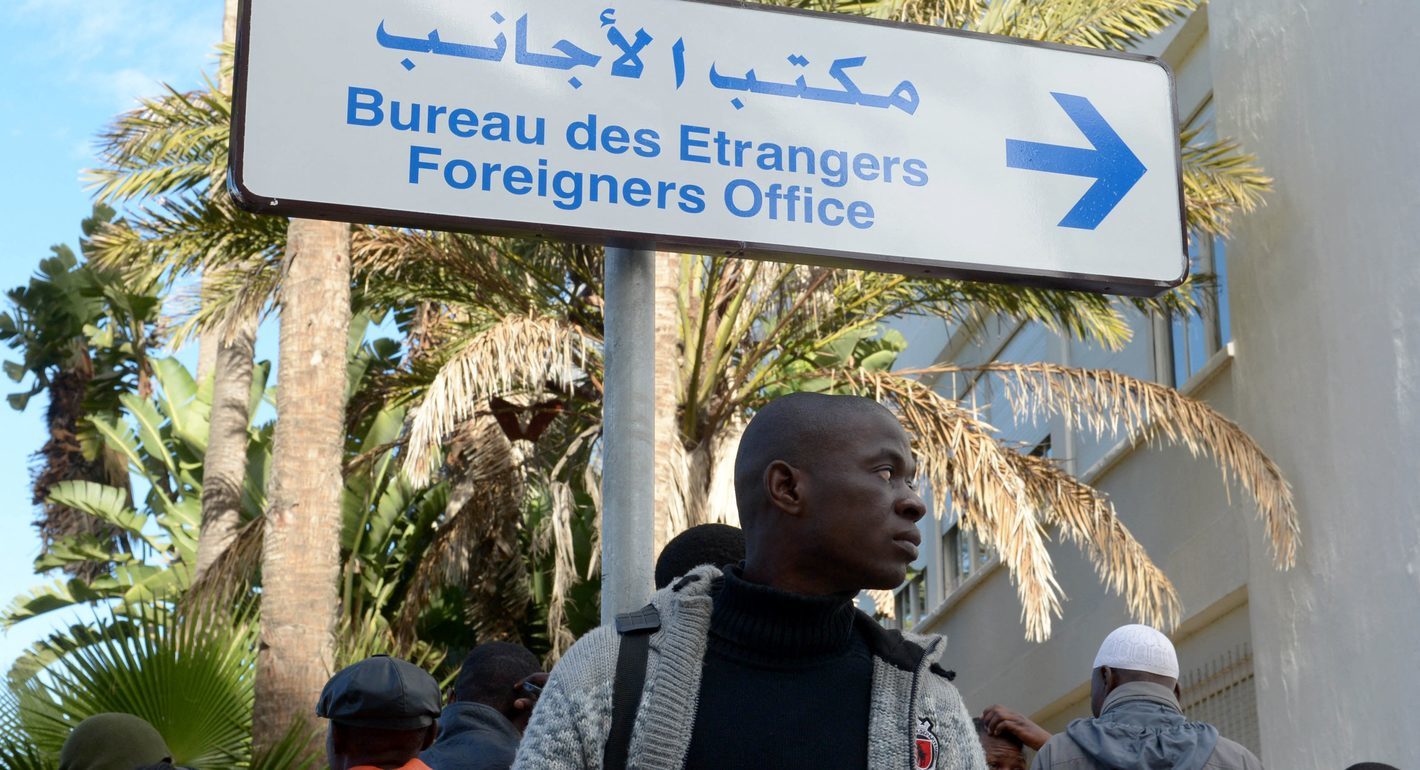
Is Morocco’s migration policy protecting Sub-Saharan African migrants or managing them for political and security ends? This article unpacks the gaps, the risks, and the paths toward real rights-based integration.
Sofiane Al-Kamri
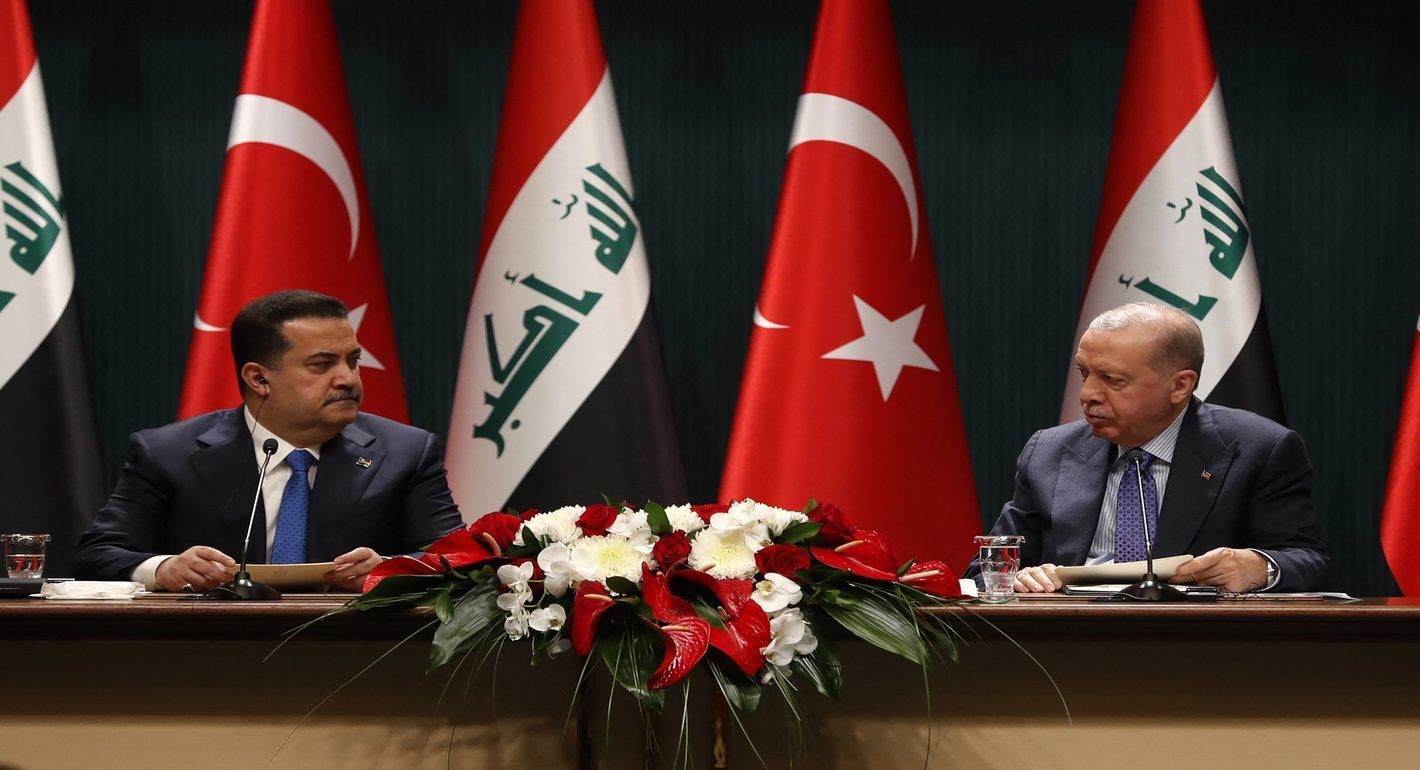
Iraq’s foreign policy is being shaped by its own internal battles—fractured elites, competing militias, and a state struggling to speak with one voice. The article asks: How do these divisions affect Iraq’s ability to balance between the U.S. and Iran? Can Baghdad use its “good neighbor” approach to reduce regional tensions? And what will it take for Iraq to turn regional investments into real stability at home? It explores potential solutions, including strengthening state institutions, curbing rogue militias, improving governance, and using regional partnerships to address core economic and security weaknesses so Iraq can finally build a unified and sustainable foreign policy.
Mike Fleet
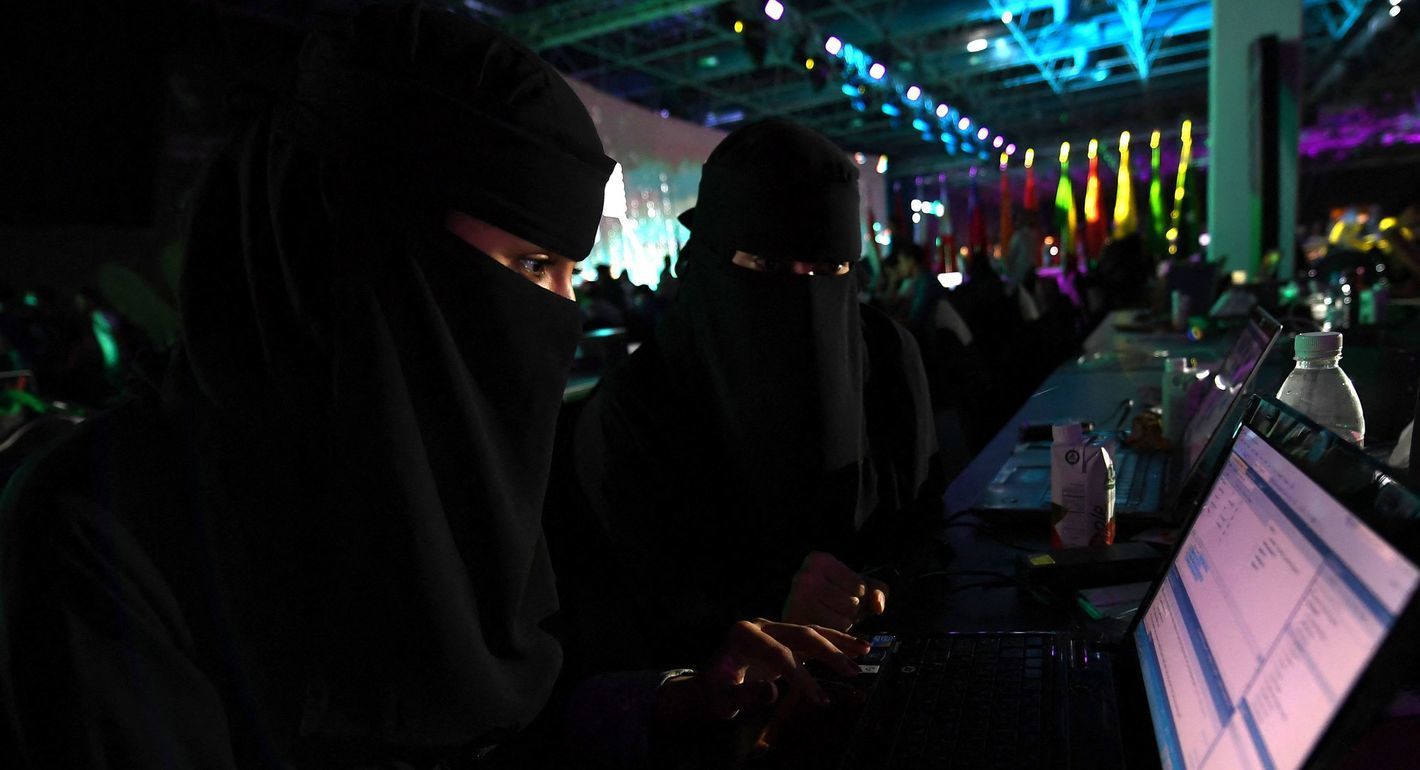
How can Saudi Arabia turn its booming e-commerce sector into a real engine of economic empowerment for women amid persistent gaps in capital access, digital training, and workplace inclusion? This piece explores the policy fixes, from data-center integration to gender-responsive regulation, that could unlock women’s full potential in the kingdom’s digital economy.
Hannan Hussain
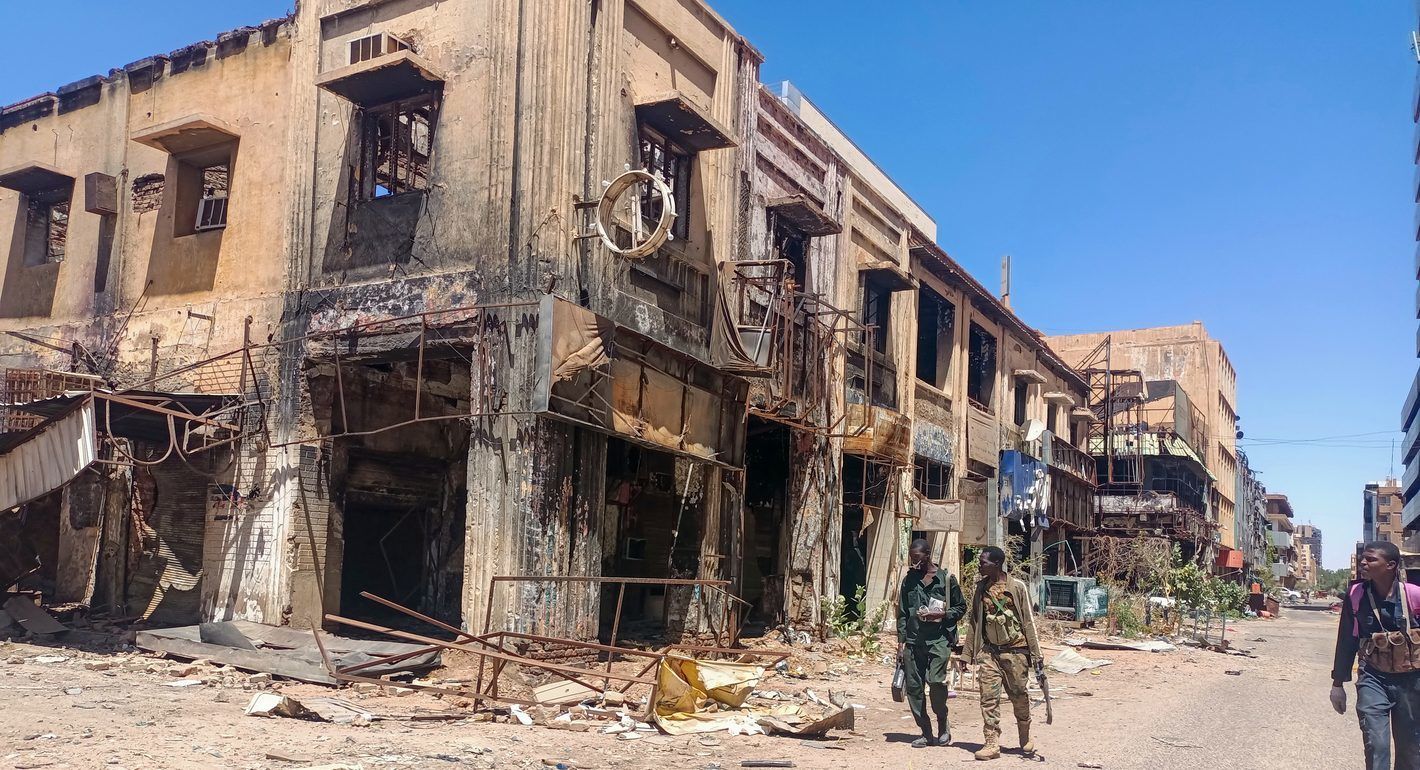
Hate speech has spread across Sudan and become a key factor in worsening the war between the army and the Rapid Support Forces. The article provides expert analysis and historical background to show how hateful rhetoric has fueled violence, justified atrocities, and weakened national unity, while also suggesting ways to counter it through justice, education, and promoting a culture of peace.
Samar Sulaiman
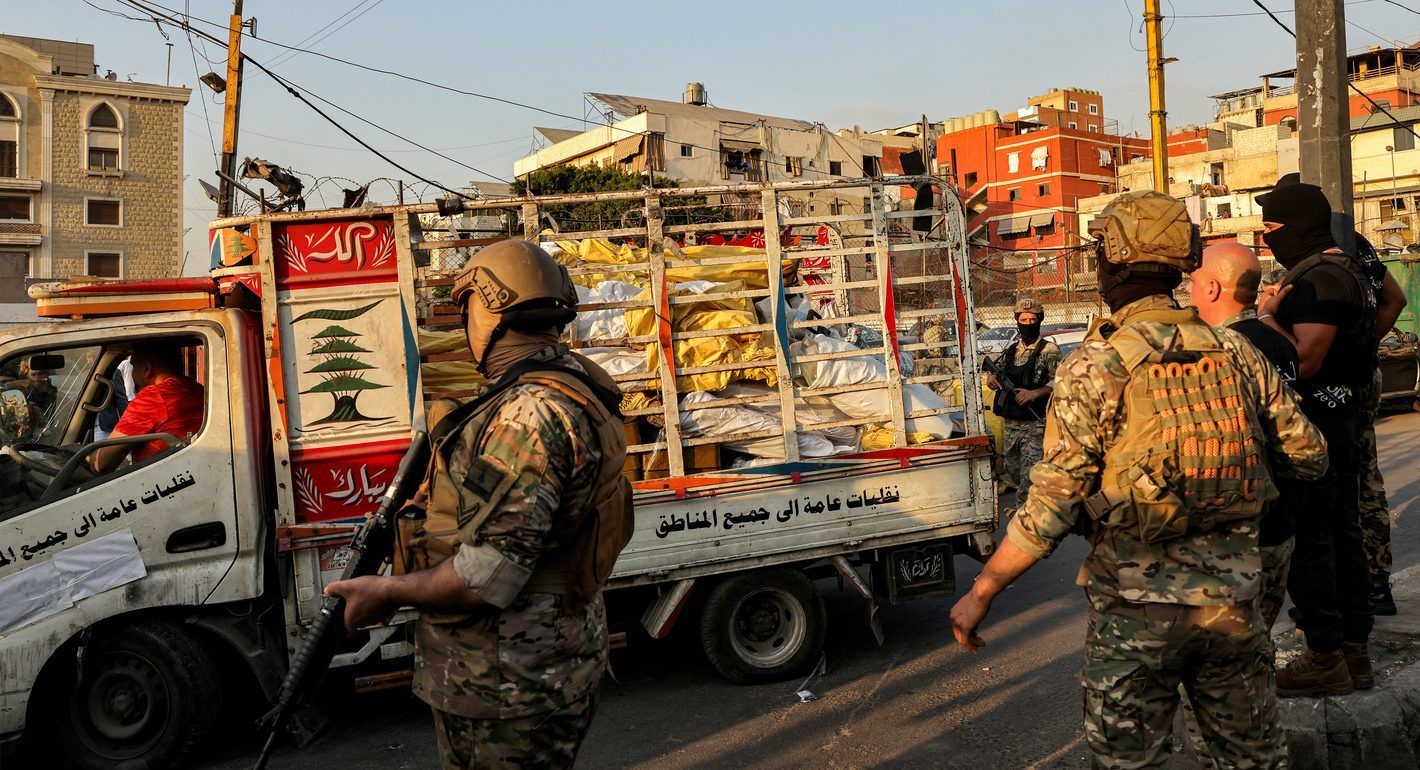
The August 2025 government decision to restrict weapons to the Lebanese state, starting with Palestinian arms in the camps, marked a major test of Lebanon’s ability to turn a long-standing slogan into practical policy. Yet the experiment quickly exposed political hesitation, social gaps, and factional divisions, raising the question of whether it can become a model for addressing more sensitive files such as Hezbollah’s weapons.
Souhayb Jawhar