

Commentary
Is Morocco’s migration policy protecting Sub-Saharan African migrants or managing them for political and security ends? This article unpacks the gaps, the risks, and the paths toward real rights-based integration.
Soufiane Elgoumri
{
  "authors": [
    "Taim Al-Hajj"
  ],
  "type": "commentary",
  "blog": "Sada",
  "centerAffiliationAll": "",
  "centers": [
    "Carnegie Endowment for International Peace"
  ],
  "collections": [],
  "englishNewsletterAll": "",
  "nonEnglishNewsletterAll": "",
  "primaryCenter": "Carnegie Endowment for International Peace",
  "programAffiliation": "",
  "programs": [
    "Middle East"
  ],
  "projects": [],
  "regions": [],
  "topics": []
}
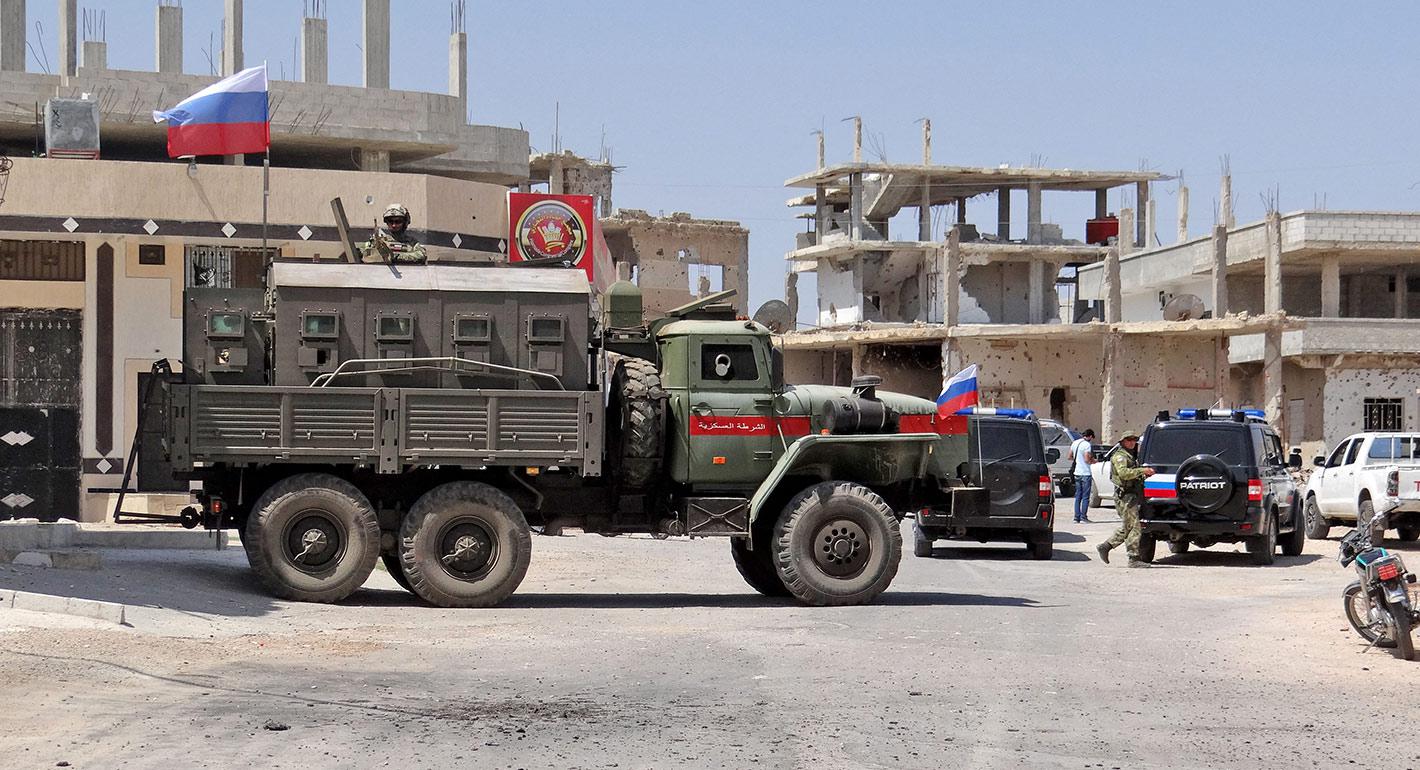
As the reconciliation deal Russia sponsored in 2018 between the Syrian regime and opposition forces verges on collapsing, Russia’s ability to provide long-term assurances inside of Syria is becoming increasingly doubtful.
Three years after the Syrian government under Russian auspices signed a reconciliation agreement with opposition forces in Daraa, fierce clashes between the two sides rocked the southern province, pushing the already loosely held agreement to the verge of collapse.
In July 2021, when the Syrian Arab Army (SAA) decided to undertake an offensive to reconquer southern Syria claiming that ISIS and al-Qaeda were conducting assassinations against its personnel from Daraa, leaders of the opposition rebuffed these claims, and intense fighting between the two commenced. Russia, being the go-to mediator in such circumstances, succeeded in gaining concessions from local leaders to the benefit of Damascus, which resulted in a temporary halt of the offensive but caused the forced displacement of 70 former opposition fighters and their families.
Last October, official Syrian media propagated what it called “the finalization of the settlement file” in Daraa. They declared that all the conditions stipulated by the 2018 agreement were met in all of the southern province’s cities and villages, including the city of Izra’ in Daraa’s northern countryside.
A closer look at the Russian policy in Syria shows that Moscow is following complicated strategies that aim to serve its own interests: at times, deploying its troops to fight on the ground at the side of the government forces, and at other times, mediating on the regime’s behalf and refraining from military involvement, as it did during the recent attacks on Daraa.
Following the June 2018 reconciliation agreement, Daraa enjoyed a precarious state of calm as it became one of the de-escalation zones that the Russian-led military campaign created in opposition areas. The settlement contained several terms, including the release of detainees, the legalization of the status of persons wanted by security services, and the granting of a six-month grace period for prosecution of draft evaders and defectors. It also paved the way for the gradual re-opening of government civil service corporations, schools, and hospitals, as well as the return of displaced and refugee residents. The rebel groups, in return, were to surrender border crossings to regime forces and hand over their arsenal of heavy and medium-sized weaponry.
Three years after the agreement was signed, Daraa’s residents felt betrayed because none of their stipulated demands were met. The government security services did not release the people they detained earlier in the conflict, many of whom remain unaccounted for. Government corporations were also only formally operating and largely unable to provide the province with services.
The dissent and hostility between the regime’s security apparatus and the population of Daraa escalated, resulting in economic paralysis, rampant violence, lawlessness, and increased criminal activities, including repeated assassinations of civilian and military opposition leaders.
The regime, attempting to re-establish its authority, resorted to obligatory conscription to incorporate former rebel opposition fighters into the official armed forces. Although a sizeable number of rebel fighters were lured into joining pro-regime forces, especially after being promised not to be drafted in out-of-province battles, co-opting ex-combatants, allowing them to keep their weapons, giving them security passes to facilitate their movement was hardly constructive to the regime’s aspirations in the south.
Since 2016, the Assad regime and Russia have been using reconciliation agreements as a tactic to take control of besieged opposition-held areas throughout Syria. The impact of the Daraa agreement, however, was very different from that of the Homs and Ghouta agreements, also conducted under Russian auspices.
In Daraa, Russia established the Eighth Brigade, a sub-division of the Fifth Corps (a founding faction of Shabab al-Sunnah Forces who controlled the city of Bosra al-Sham prior to the 2018 reconciliation agreement), and entrusted Ahmad al-Oda, a former rebel leader, with its command. By incorporating former rebels in the Eighth Brigade’s ranks, Russia effectively established a strong local armed actor who will be able to handle local security affairs, limit the regime’s authority, and keep Iranian influence at bay in this important geostrategic border with Israel.
Russia’s reneging on the Daraa agreement entailed breaking promises it had made to the people not to allow the Syrian regime to enter their areas and practice security harassment, such as asking people to hand over young men or weapons. Moreover, Russian officers have retracted from their assurances to the people that their areas would be under the supervision of Russian military police, who would have presumably prevented security branches and military barracks of the Syrian regime from entering their areas, promising regime representatives only in some police stations and service departments.
Moscow’s effective patron-client role in the Syrian conflict has earned it the title of “The Godfather of Settlements,” a role it assumed with the 2017 Astana Talks when Russia, Turkey, and Iran – all acting as guarantors – agreed to establish four “de-escalation zones” in opposition-held areas of the country. The four zones comprised parts of the Idlib province (as well as parts of the neighboring provinces of Latakia, Aleppo and Hama), eastern Ghouta, parts of the Daraa and Quneitra provinces, and the Rastan and Talbiseh enclave in the northern Homs province. The three sponsors agreed to “improve the humanitarian situation and create conditions conducive to advancing a political settlement of the conflict."
The signatories called for a cessation of hostilities between anti-government groups and forces fighting on behalf of President Bashar al-Assad for a period of at least six months, to be automatically extended based on the guarantors’ consensus.
Russia has long advocated for and supervised reconciliation efforts in Daraa. These efforts culminated in its successful intervention in the latest round of violence exercised by the regime against Daraa al-Balad and other towns and villages in the southern province. This has caused Russia to promote itself as the sole security guarantor and mediator of Syrian affairs.
But behind closed doors, Russia negotiates harsh conditions that pressure Daraa’s Opposition Committee and ignores the guarantees that the 2018 settlement provided. It is becoming evident that Russia aims to reassert total regime control over all of Syria. It is also clear that Moscow wishes to remain the chief broker and lead negotiator in the country despite the latter’s underlying, volatile instability, particularly in areas where the regime has regained control through partial settlement agreements with the opposition.
With the renewal of interest in the Arab Gas Pipeline, Daraa, as well as many cities on the Syrian-Jordanian border near Israel, are quickly gaining strategic importance. It is becoming increasingly necessary to ensure the security, discipline, and stability of these areas to avoid potentially dangerous confrontations between Israel and Iranian militias that control several regions in the south.
The pipeline, which positions Syria as a transit point for Egyptian gas en route to Lebanon, has granted the Syrian regime some international validation, especially considering that the project benefits from the financial support of the World Bank and has been given a green light from the United States.
It is expected that the settlements made at gunpoint in Daraa may be replicated in the city of Sweida, where local Druze factions are refusing to give in to the authority of the regime.
Given the economic gains expected from the pipeline passing through Syria’s southern provinces, which is extremely important for Russia as it constitutes regional pressure on American allies Jordan, Israel, and the Gulf states, it is clear whoever owns and controls this region is able to manipulate negotiating cards both within it and concerning it.
Taim Al-Hajj is an investigative Syrian journalist. He focuses on Syrian politics and military issues. Follow him on Twitter: @taim_alhajj, ND Facebook: Taim Al-Hajj
Carnegie does not take institutional positions on public policy issues; the views represented herein are those of the author(s) and do not necessarily reflect the views of Carnegie, its staff, or its trustees.
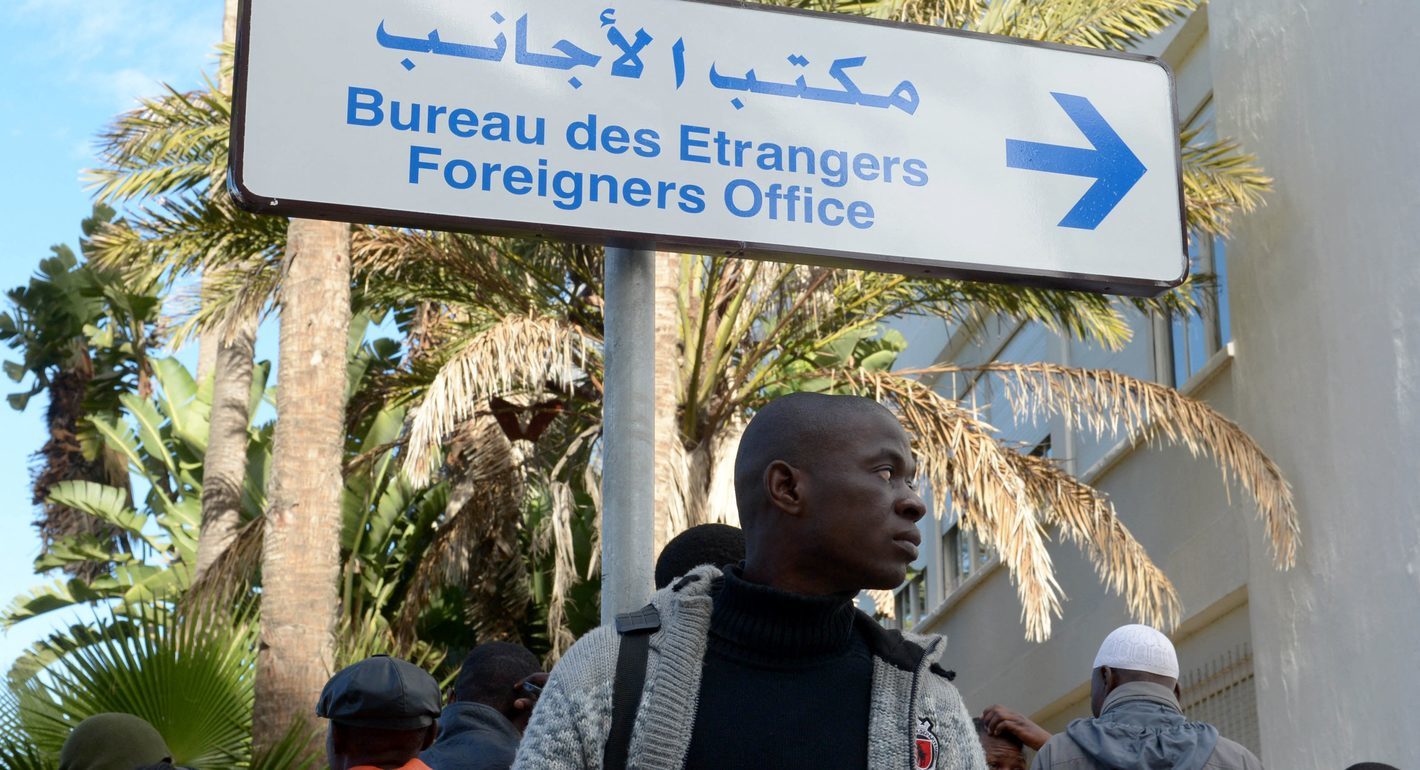
Is Morocco’s migration policy protecting Sub-Saharan African migrants or managing them for political and security ends? This article unpacks the gaps, the risks, and the paths toward real rights-based integration.
Soufiane Elgoumri
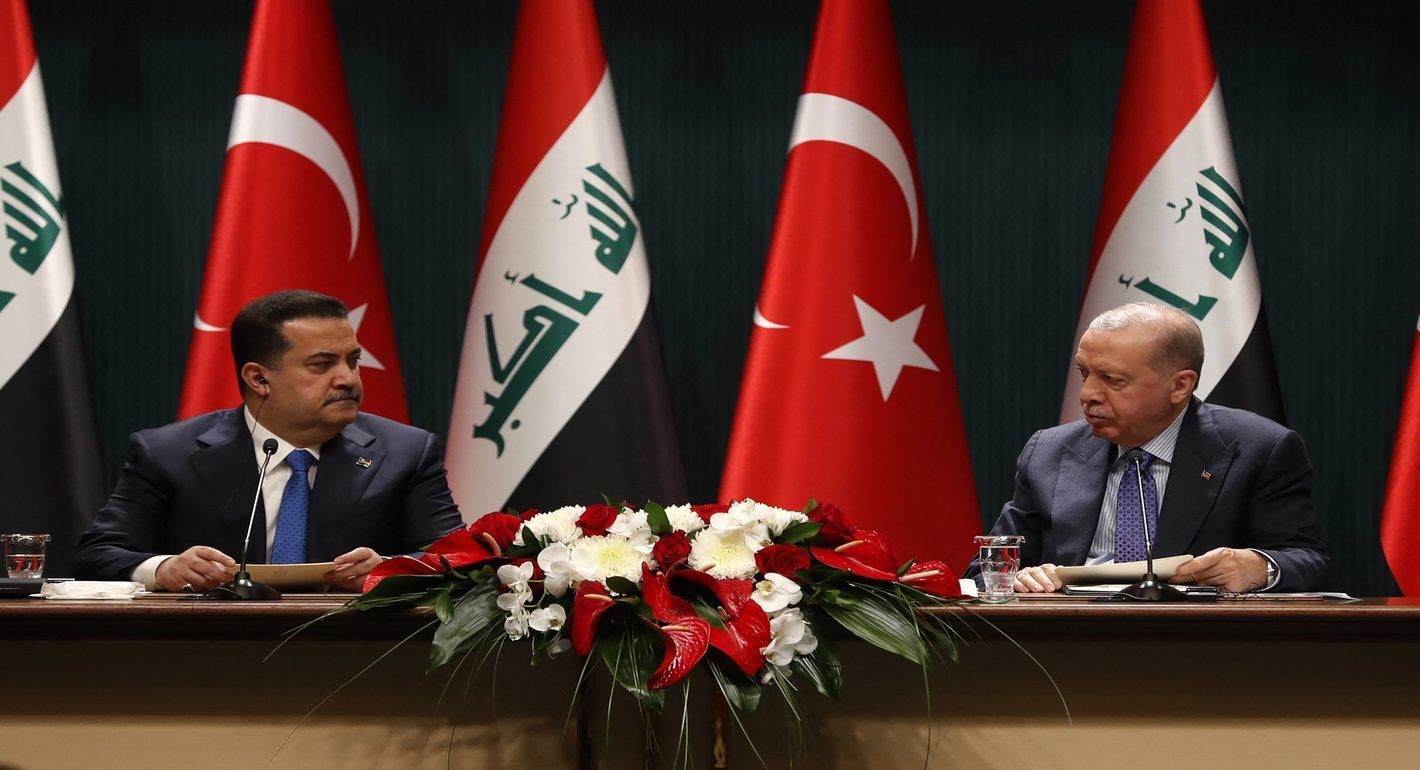
Iraq’s foreign policy is being shaped by its own internal battles—fractured elites, competing militias, and a state struggling to speak with one voice. The article asks: How do these divisions affect Iraq’s ability to balance between the U.S. and Iran? Can Baghdad use its “good neighbor” approach to reduce regional tensions? And what will it take for Iraq to turn regional investments into real stability at home? It explores potential solutions, including strengthening state institutions, curbing rogue militias, improving governance, and using regional partnerships to address core economic and security weaknesses so Iraq can finally build a unified and sustainable foreign policy.
Mike Fleet
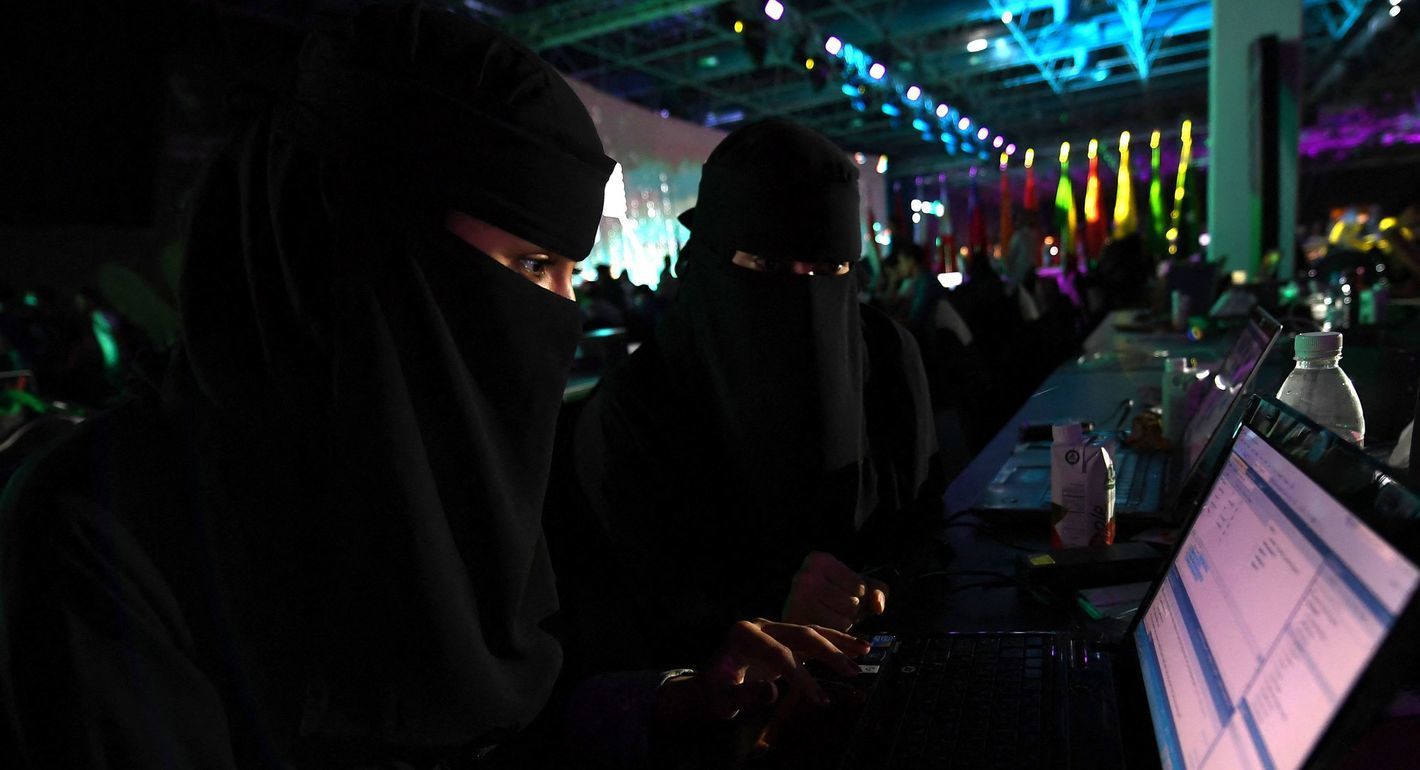
How can Saudi Arabia turn its booming e-commerce sector into a real engine of economic empowerment for women amid persistent gaps in capital access, digital training, and workplace inclusion? This piece explores the policy fixes, from data-center integration to gender-responsive regulation, that could unlock women’s full potential in the kingdom’s digital economy.
Hannan Hussain
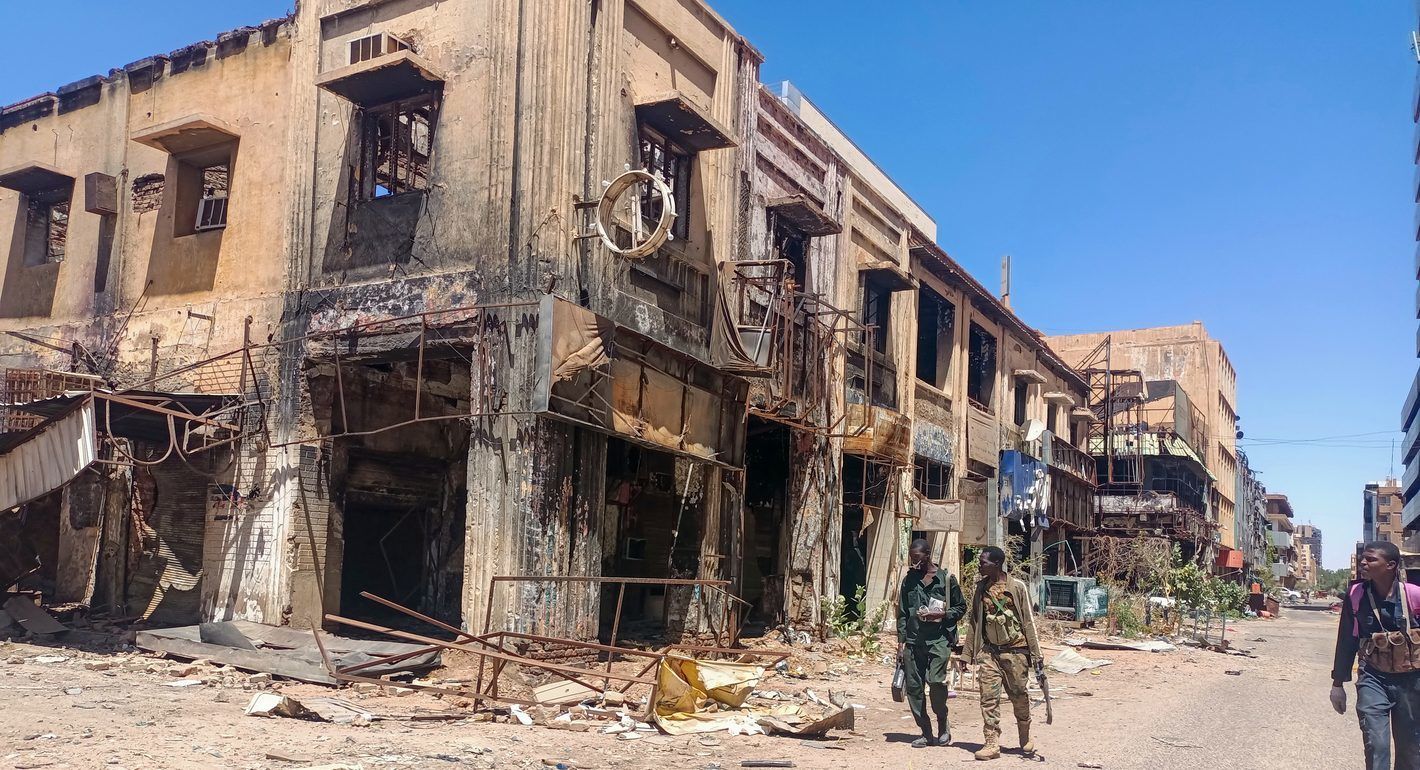
Hate speech has spread across Sudan and become a key factor in worsening the war between the army and the Rapid Support Forces. The article provides expert analysis and historical background to show how hateful rhetoric has fueled violence, justified atrocities, and weakened national unity, while also suggesting ways to counter it through justice, education, and promoting a culture of peace.
Samar Sulaiman
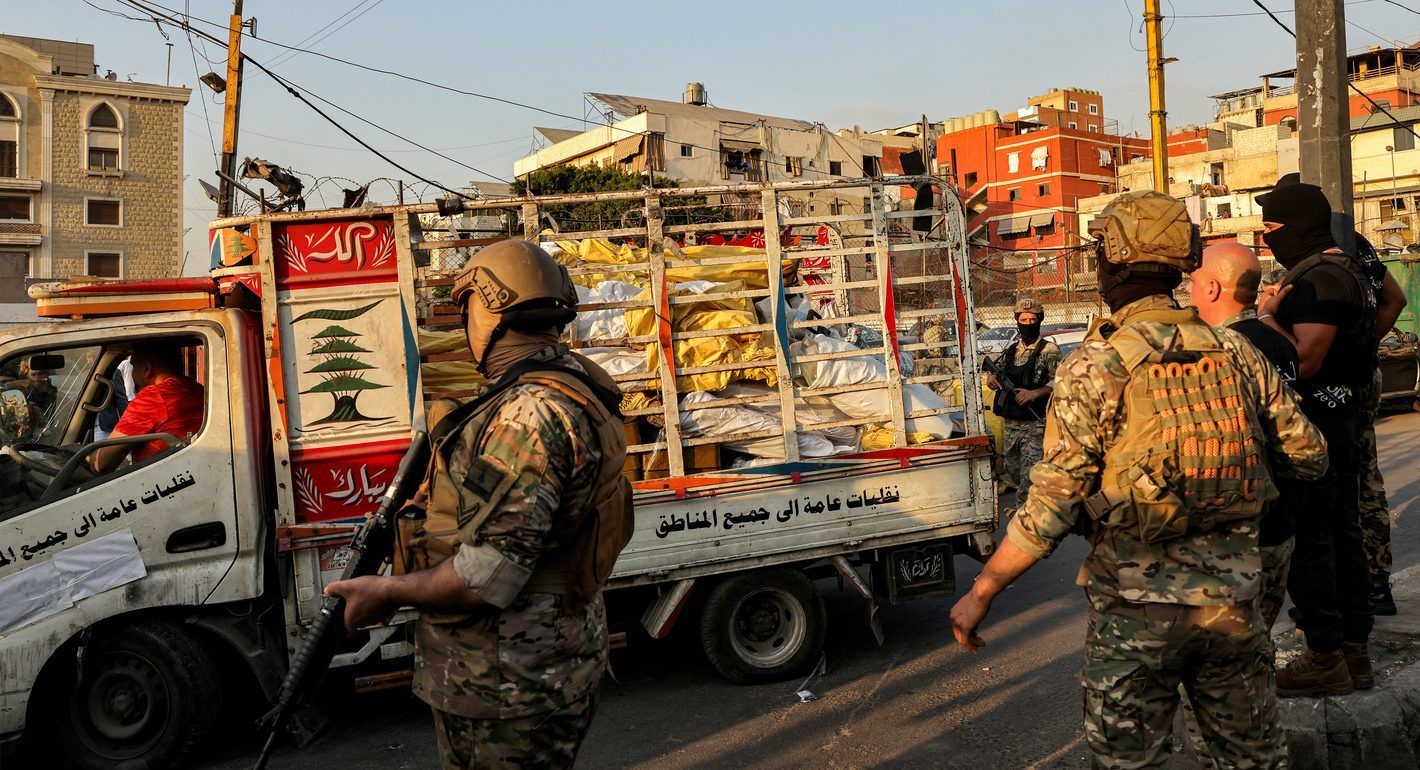
The August 2025 government decision to restrict weapons to the Lebanese state, starting with Palestinian arms in the camps, marked a major test of Lebanon’s ability to turn a long-standing slogan into practical policy. Yet the experiment quickly exposed political hesitation, social gaps, and factional divisions, raising the question of whether it can become a model for addressing more sensitive files such as Hezbollah’s weapons.
Souhayb Jawhar