

Commentary
Is Morocco’s migration policy protecting Sub-Saharan African migrants or managing them for political and security ends? This article unpacks the gaps, the risks, and the paths toward real rights-based integration.
Soufiane Elgoumri
{
  "authors": [
    "Fariba Parsa"
  ],
  "type": "commentary",
  "blog": "Sada",
  "centerAffiliationAll": "",
  "centers": [
    "Carnegie Endowment for International Peace"
  ],
  "collections": [],
  "englishNewsletterAll": "",
  "nonEnglishNewsletterAll": "",
  "primaryCenter": "Carnegie Endowment for International Peace",
  "programAffiliation": "",
  "programs": [
    "Middle East"
  ],
  "projects": [],
  "regions": [],
  "topics": []
}
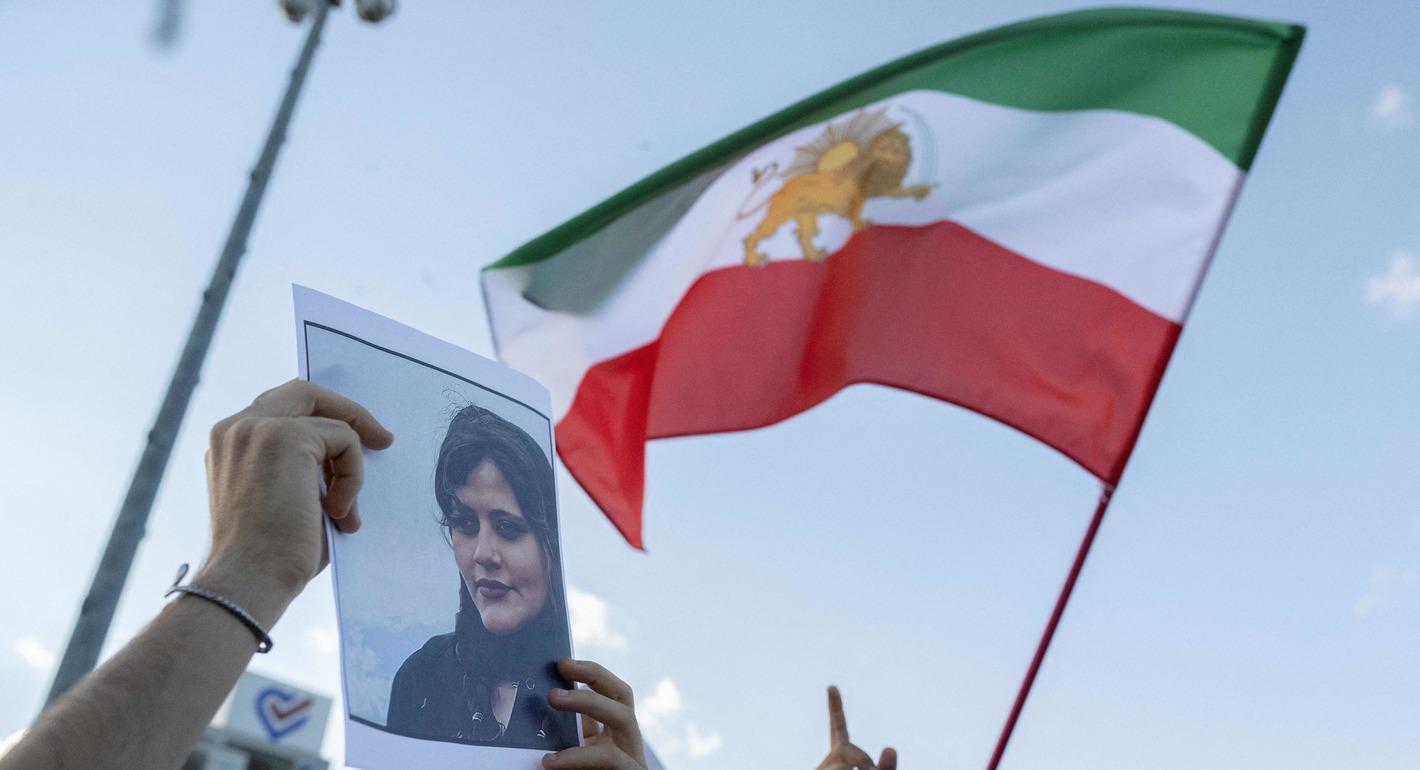
Over the past year, protesters have sustained the revolutionary “Woman, Life, Freedom” uprising in Iran and throughout the diaspora.
On September 16, 2022, the death of Mahsa Amini while in the custody of Tehran's religious morality police sent shockwaves through Iran and launched a revolutionary movement, characterized by the slogan "Woman, Life, Freedom". The government quickly moved to suppress protests in cities across Iran, arresting more than 20,000 people and killing more than 500 young protesters. The regime subsequently employed facial recognition technology to enforce strict laws on wearing the hijab, resulting in the closure of numerous restaurants, shops, and even pharmacies who served uncovered women.
Yet despite this crackdown, the “Woman, Life, Freedom” movement is still alive today—the culmination of a gradual cultural paradigm shift that has unfolded over the past 44 years. This shift has touched every corner of Iranian society, encompassing religious and ethnic minorities, university students, professors, schoolchildren, factory workers, journalists, artists, and countless other citizens. Over the past twelve months, there has been a notable rise in Iranian professionals in various fields, including the arts, sports, music, and cinema, who have advocated for women’s issues. For example, some prominent Iranian women in the film industry supported the revolutionary uprising by removing their hijabs and sharing their photos on social networks.
Extensive research conducted by GAMAAN has demonstrated that the vast majority of Iranians in the country and throughout the diaspora, regardless of their religious affiliation, support the protests and oppose the Islamic Republic. Moreover, these opinions are shared across gender: according to Iranian sociologist Mehrdad Darvishpour, the “Woman, Life, Freedom” movement has had a transformative impact of this movement on changing patriarchal attitudes in Iran, with a noticeable shift in men’s perspectives, especially among the youth.
Critically, the movement has managed to connect millions of Iranians in the diaspora with women inside the country, and numerous new grassroots organizations and campaigns have devoted their energies to supporting women in Iran. In January 2023, a consortium of Iranian women’s grassroots organizations unveiled a preliminary version of a “Bill of Women’s Rights”. This comprehensive charter is comprised of eighteen articles that encompass a wide spectrum of women’s issues, ranging from political and social participation to education, health, family law, employment, and violence against women. The dedicated editors of the bill have already held multiple international gatherings to deliberate on its content.
Iranian women are resolute in their pursuit of rights within a new political framework, ensuring that their demands are not merely lofty ideals but concrete realities in the future of Iran. There is a prevailing concern that, in the event of regime change in Iran, women’s rights could be disregarded—similar to the outcome of the Arab Spring, where despite women’s substantial contributions to historic protests, their concerns were ultimately sidelined.
The “Woman, Life, Freedom” movement has also gained support from women’s organizations and political leaders around the world. Only weeks after the beginning of the protests, a coalition of more than 80 organizations, activists, academics, and lawyers, released a statement in solidarity with Iranian women and urging the Iranian government to repeal discriminatory laws that restrict women’s individual freedoms. One of the most significant interventions was the UN’s decision in December 2022 to remove Iran from the Commission on the Status of Women, a global intergovernmental body dedicated to promoting gender equality and women’s empowerment, due to its brutal crackdown on the protests.
But perhaps most importantly, the past year has witnessed the renewed yearning in Iran for a secular democracy that champions women's rights. The intrinsic connection between democracy and upholding women's rights is readily apparent to the majority of Iranians. Through “Woman, Life, Freedom”, Iranian men and women have united to instigate transformative social and political change—a revolutionary act in itself that instills a sense of hope for the future of the country.
Dr. Fariba Parsa specializes in political ideologies of democracy and civil movements in Iran. She is the founder and president of the nonprofit organization Women’s E-Learning in Leadership, and is a 2023 Vital Voices Visionaries fellow. She also worked as an assistant research professor at George Mason University, and was a Non-Resident Scholar with MEI's Iran Program.
Carnegie does not take institutional positions on public policy issues; the views represented herein are those of the author(s) and do not necessarily reflect the views of Carnegie, its staff, or its trustees.
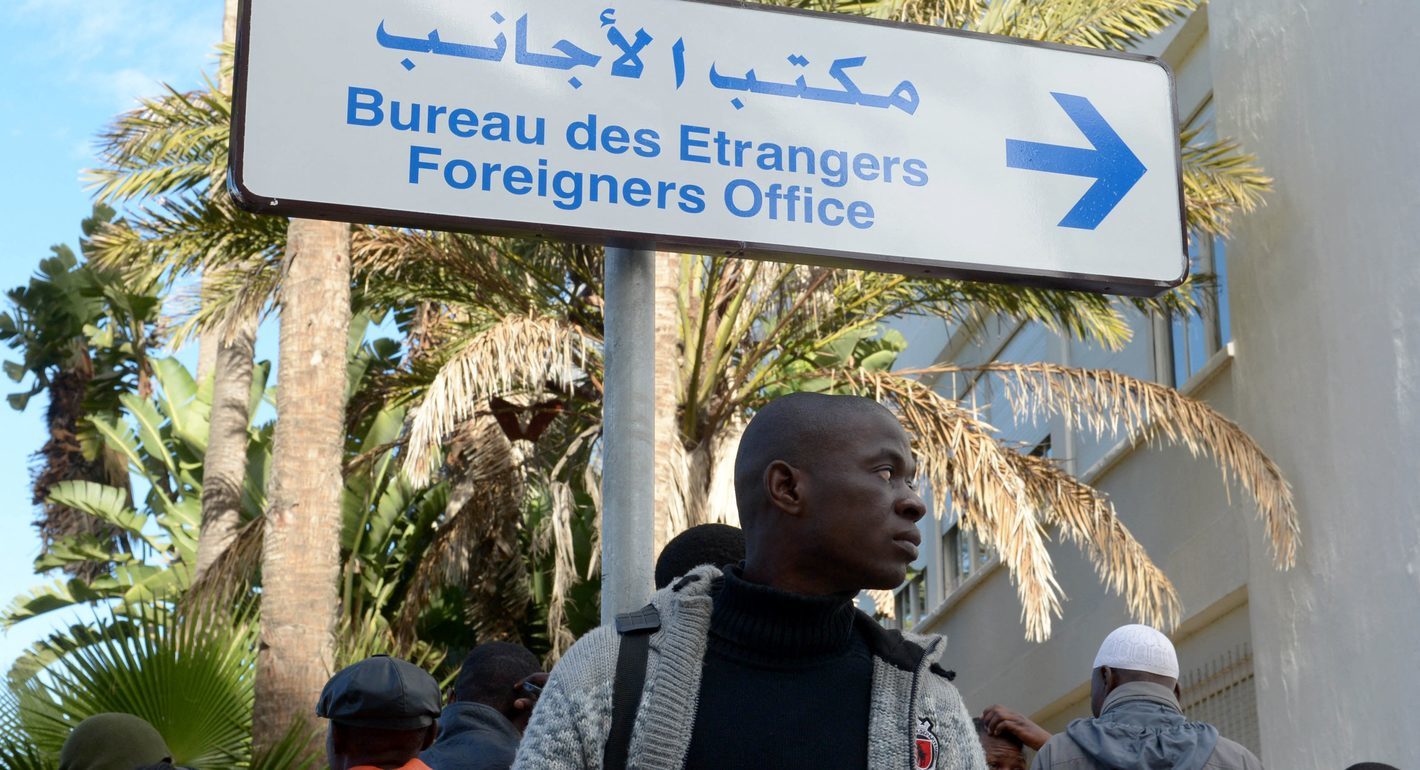
Is Morocco’s migration policy protecting Sub-Saharan African migrants or managing them for political and security ends? This article unpacks the gaps, the risks, and the paths toward real rights-based integration.
Soufiane Elgoumri
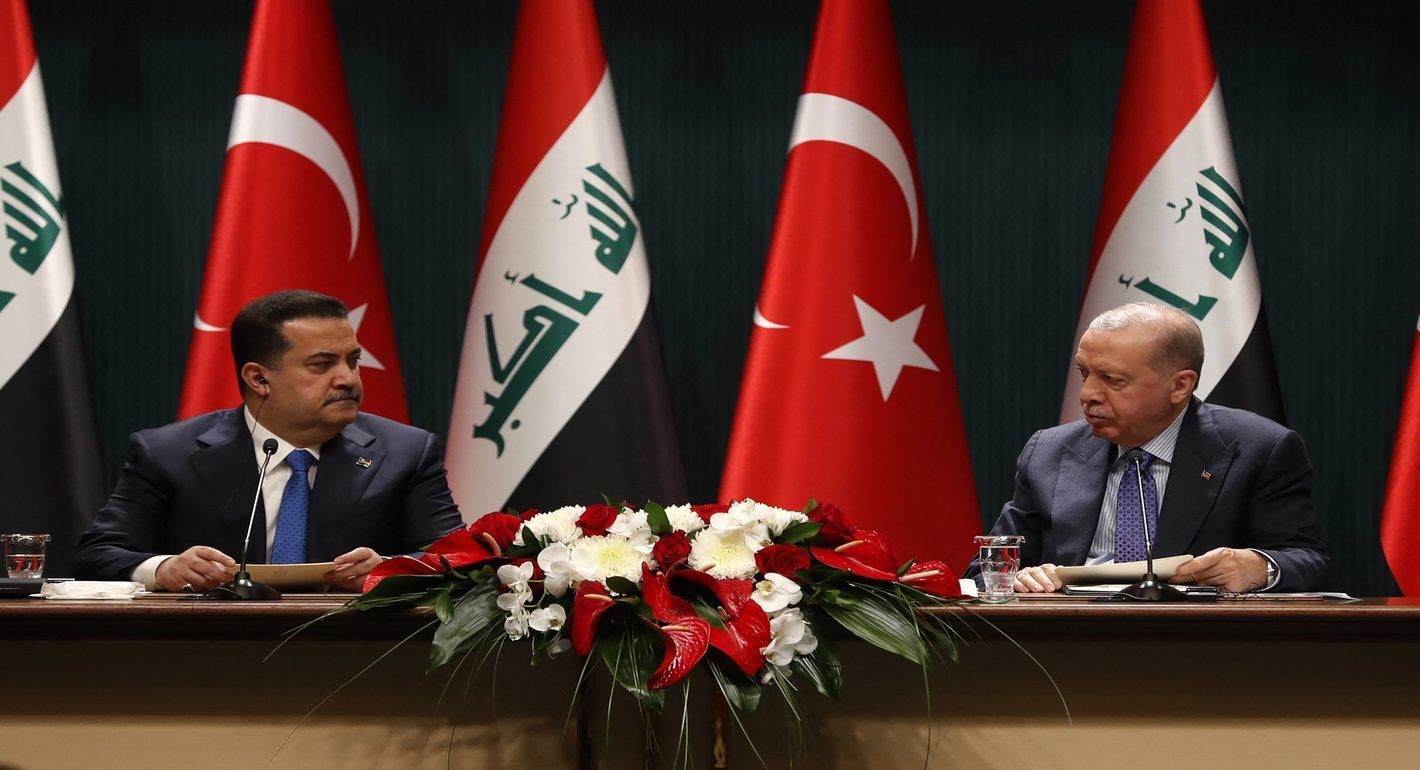
Iraq’s foreign policy is being shaped by its own internal battles—fractured elites, competing militias, and a state struggling to speak with one voice. The article asks: How do these divisions affect Iraq’s ability to balance between the U.S. and Iran? Can Baghdad use its “good neighbor” approach to reduce regional tensions? And what will it take for Iraq to turn regional investments into real stability at home? It explores potential solutions, including strengthening state institutions, curbing rogue militias, improving governance, and using regional partnerships to address core economic and security weaknesses so Iraq can finally build a unified and sustainable foreign policy.
Mike Fleet
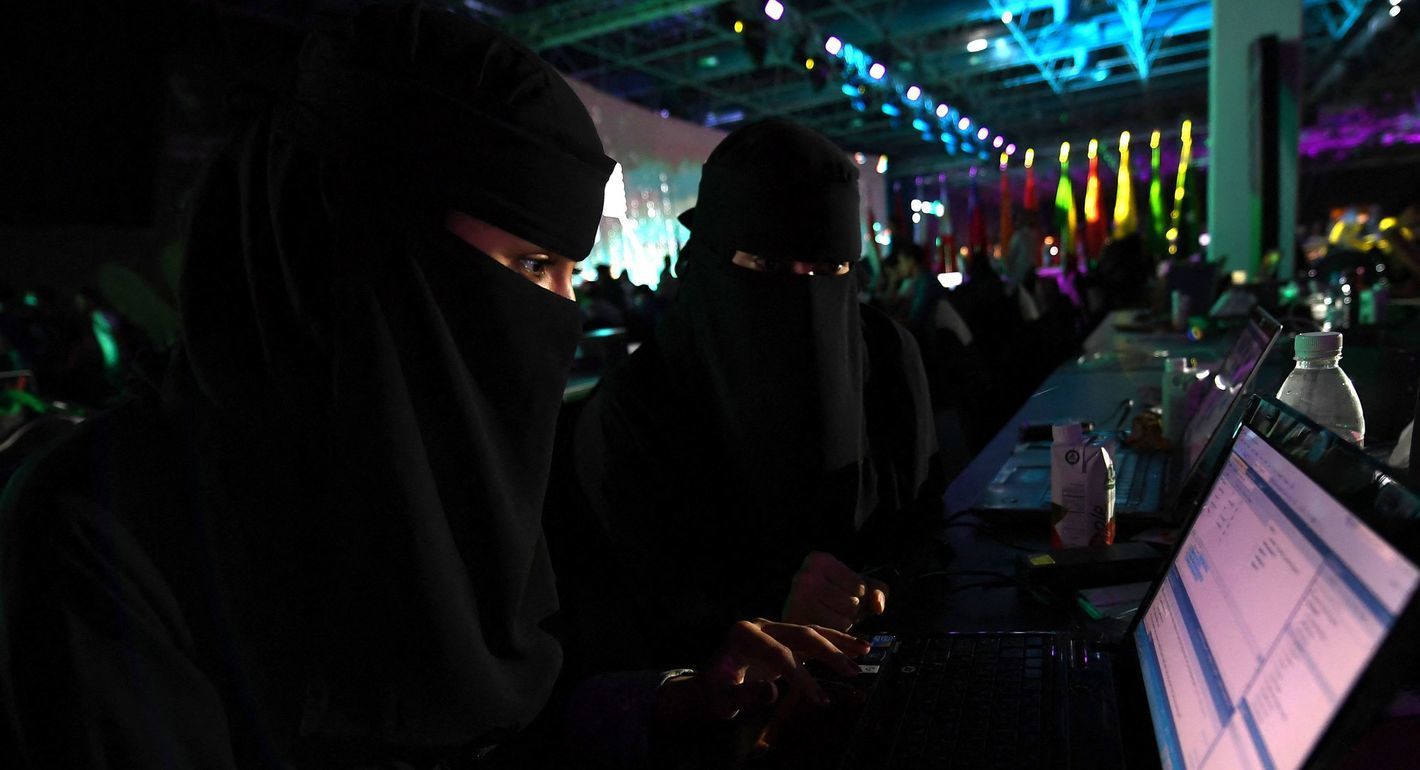
How can Saudi Arabia turn its booming e-commerce sector into a real engine of economic empowerment for women amid persistent gaps in capital access, digital training, and workplace inclusion? This piece explores the policy fixes, from data-center integration to gender-responsive regulation, that could unlock women’s full potential in the kingdom’s digital economy.
Hannan Hussain
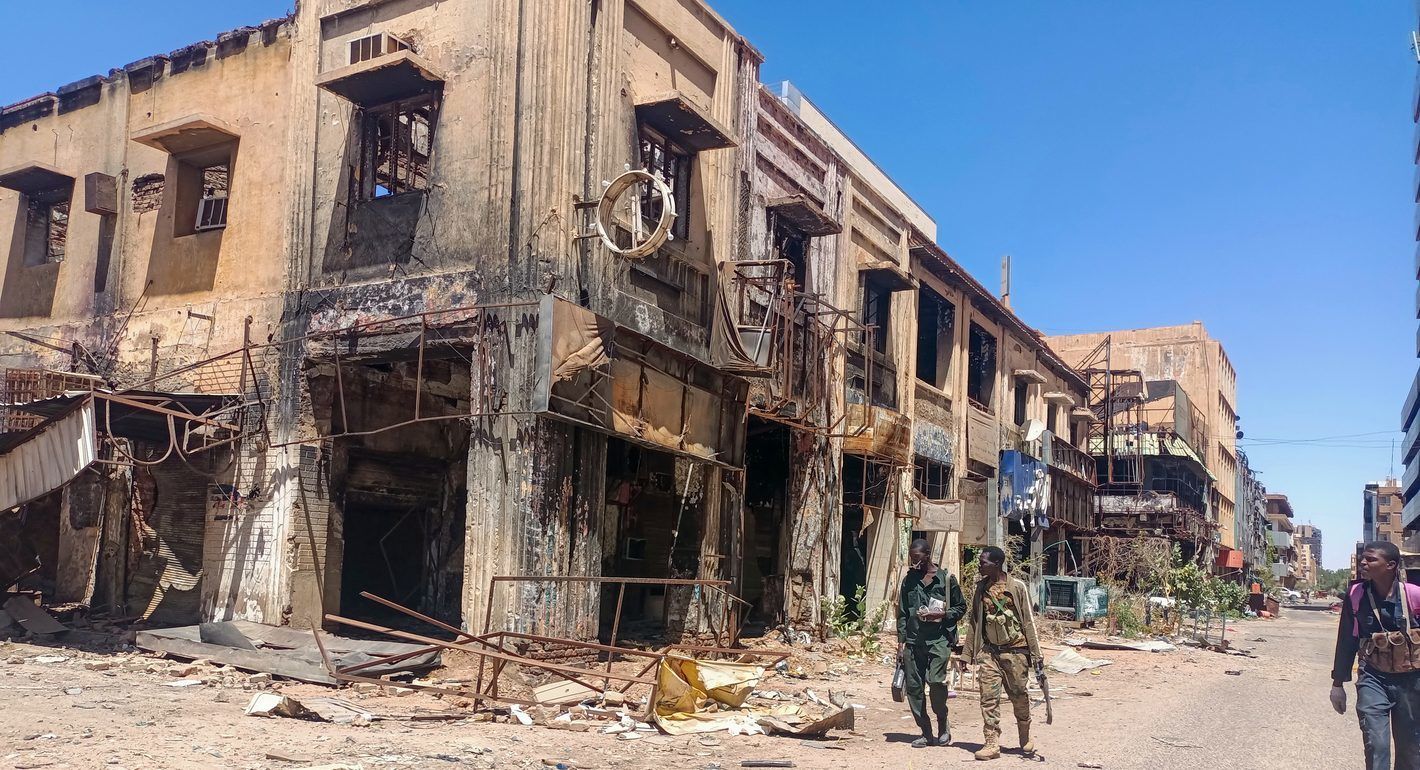
Hate speech has spread across Sudan and become a key factor in worsening the war between the army and the Rapid Support Forces. The article provides expert analysis and historical background to show how hateful rhetoric has fueled violence, justified atrocities, and weakened national unity, while also suggesting ways to counter it through justice, education, and promoting a culture of peace.
Samar Sulaiman
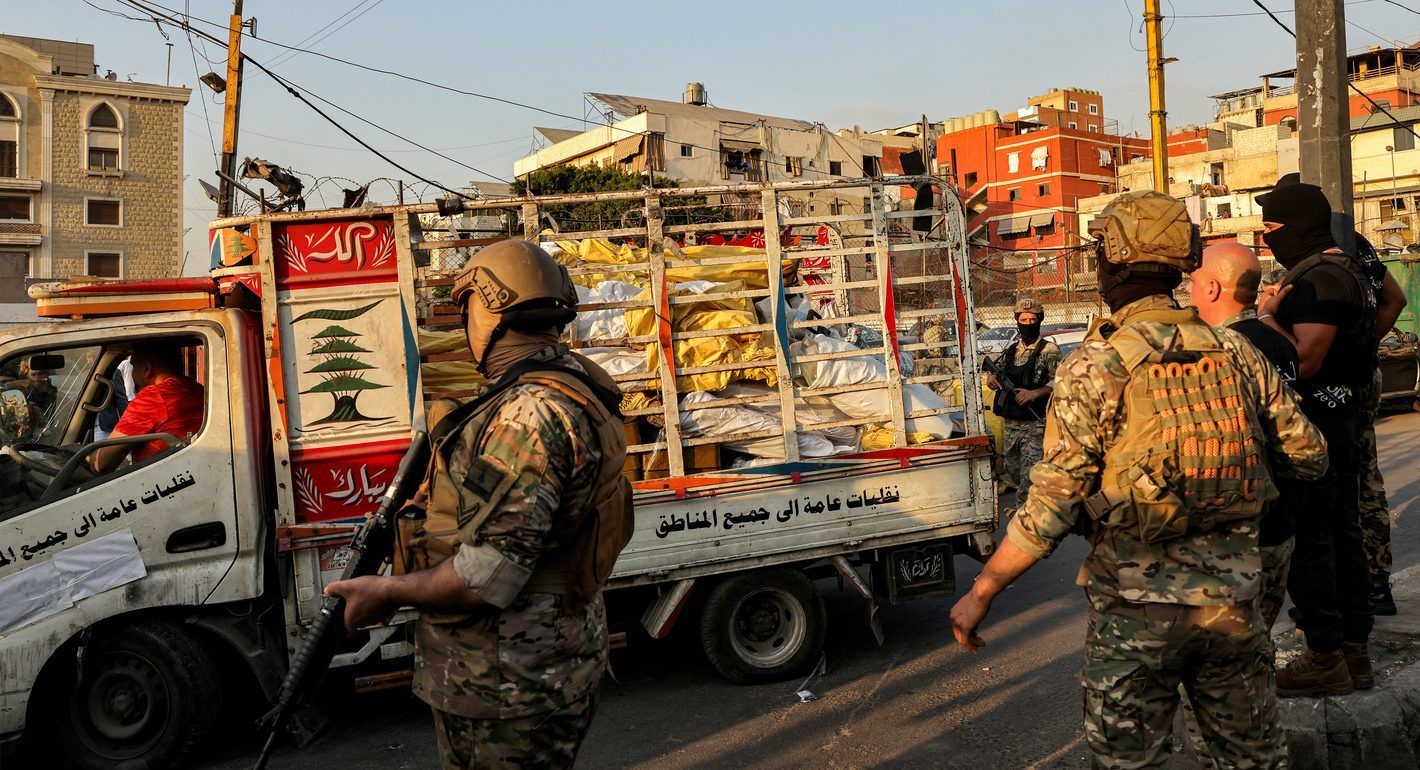
The August 2025 government decision to restrict weapons to the Lebanese state, starting with Palestinian arms in the camps, marked a major test of Lebanon’s ability to turn a long-standing slogan into practical policy. Yet the experiment quickly exposed political hesitation, social gaps, and factional divisions, raising the question of whether it can become a model for addressing more sensitive files such as Hezbollah’s weapons.
Souhayb Jawhar