

Commentary
Is Morocco’s migration policy protecting Sub-Saharan African migrants or managing them for political and security ends? This article unpacks the gaps, the risks, and the paths toward real rights-based integration.
Soufiane Elgoumri
{
  "authors": [
    "Jalal Al-Attar"
  ],
  "type": "commentary",
  "blog": "Sada",
  "centerAffiliationAll": "",
  "centers": [
    "Carnegie Endowment for International Peace"
  ],
  "collections": [],
  "englishNewsletterAll": "",
  "nonEnglishNewsletterAll": "",
  "primaryCenter": "Carnegie Endowment for International Peace",
  "programAffiliation": "",
  "programs": [
    "Middle East"
  ],
  "projects": [],
  "regions": [],
  "topics": []
}
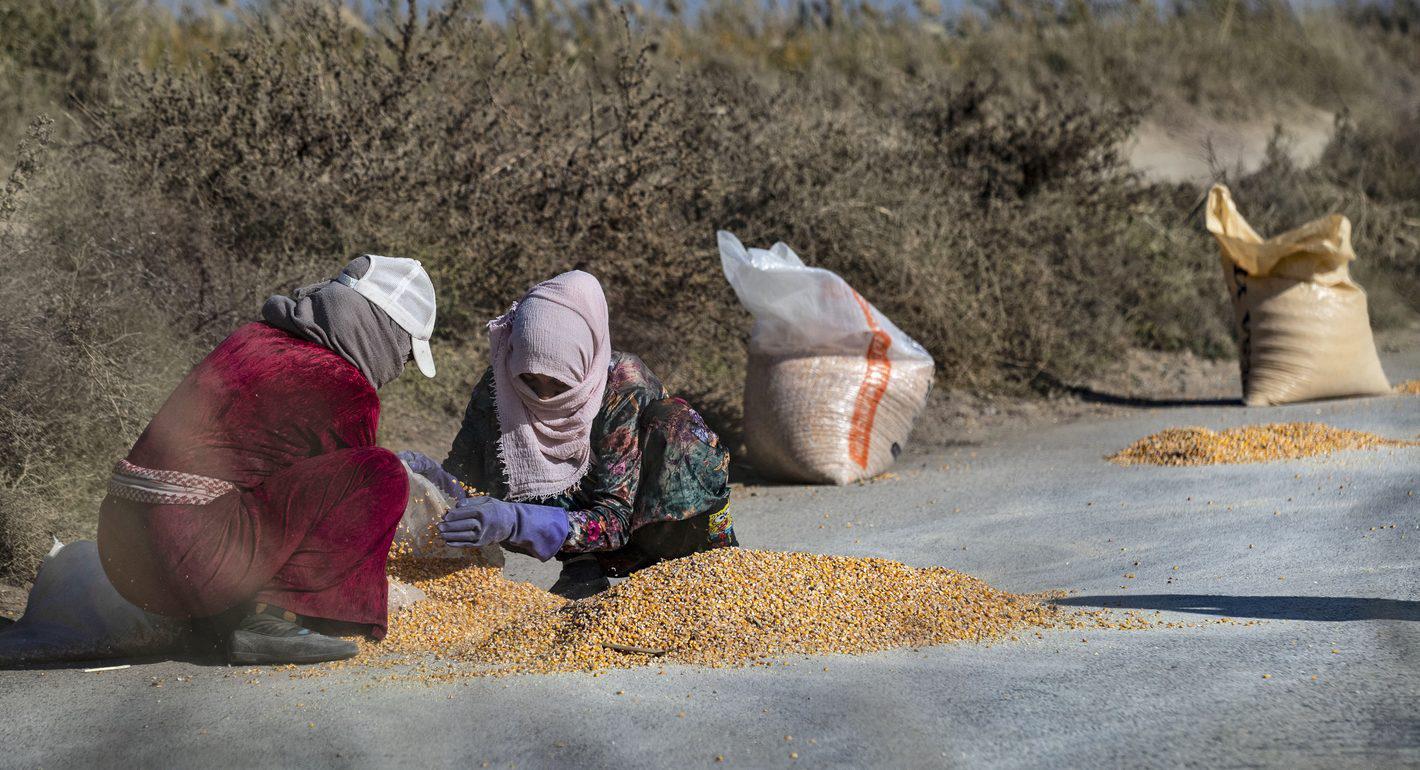
The Syrian agricultural sector is beset by numerous threats, as indicators suggest a downward trajectory for the foreseeable future.
The decade-long conflict in Syria has forced millions to flee their homes and has displaced thousands of farmers. The country’s rural population shrunk by 50 percent between 2011 and 2016, leading to heavy losses in crop and livestock production, as well as the destruction of irrigation systems, damage to large agricultural areas, and sharp increases in the costs of agricultural essentials such as seeds, fertilizers, and pesticides. Recurrent droughts have only worsened the situation, rendering Syria more vulnerable to the impacts of climate change and further impeding investment in agricultural land.
Syria encompasses a total land area of 18.5 million hectares, of which arable and forested regions make up approximately 32.8 percent, totaling around 6.5 million hectares. The remaining portion comprises arid areas in the Syrian Desert. The agricultural sector employs over 20 percent of the Syrian population, who cultivate cereals, vegetables, fruits, olives, and cotton.
The cost of war-related damage to the Syrian agricultural sector is estimated at $16 billion. The value of destroyed assets and infrastructure alone, including equipment, farms, veterinary clinics, animal pens, greenhouses, and irrigation systems, is over $3 billion. The losses to crop production amount to about $6.3 billion, while the livestock sector and fish farming sector have sustained estimated losses of $5.5 billion and $80 million, respectively.
Recurrent economic and climate shocks severely impact agricultural livelihoods and affect overall Syrian per capita income. The fact that many agricultural laborers have been forced to abandon their farms and look for more stable and profitable opportunities will have far-reaching consequences. The most critical among these will be the collapse of the agricultural production chain, which needs years to be rebuilt.

War has led to a significant increase in agricultural costs, making it increasingly difficult to recover production expenses. Many farmers have had to discontinue their activities due to the near impossibility of securing irrigation water, particularly in light of frequent power outages. While some farmers have turned to generators to power water pumps, they soon realized that this approach was neither cost-effective nor sustainable, given the scarcity and soaring prices of fuel in recent years.

Agricultural machinery has suffered extensive damage, and due to the soaring price of spare parts, farmers can no longer afford maintenance costs. Livestock ownership has also witnessed a substantial decline from the pre-war era: 57 percent for cows, 52 percent for sheep, 48 percent for goats, and 47 percent for poultry, all. As a result, food prices have increased along with the proportion of household income allocated to sustenance, while both household income and food production decreased. The appeal of the agricultural sector is dwindling, and with the severe losses incurred during dry seasons, buying and trading commodities has become a more viable livelihood.
Several factors have contributed to the deterioration of the agricultural sector and the Syrian economy as a whole. Among government institutions, there is a lack of clear policies and a coherent administrative vision. Administrative failures—including the inability to make timely decisions—has played a role in paralyzing these state institutions.
During the extended period of conflict, a series of ill-conceived fiscal policies have caused the Syrian lira to depreciate significantly against the US dollar, reaching its lowest historical value. Additionally, the gold and foreign currency reserves in the Central Bank of Syria have sharply declined due to the disruption of revenues from land, sea, and air transport, as well as the halt in export activities, which had been a major source of foreign exchange revenue.
As a result, much economic activity was brought to a standstill, and domestic companies have been converting their Syrian lira holdings into foreign currencies and smuggling them out of the country. This surge in demand for foreign exchange, coupled with the increased supply of the Syrian Lira, has caused its value to plummet.

Rebuilding the Syrian agricultural sector will require significant investment: according to estimates from the Food and Agriculture Organization (FAO), the initial cost is projected to range from $10.7 billion to $17.1 billion. Despite noticeable improvements in the country's security situation compared to 2015, which has helped restore farmers’ access to their land, Syria remains far away from achieving pre-war levels of food security. Disturbingly, data from the World Food Program (WFP) reveals that over half of Syria's population—approximately 12.1 million people—continue to grapple with food insecurity. This places Syria among the six countries with the highest rates of food insecurity in the world.
Syrian agriculture, like other vital economic sectors, has been severely damaged. In the absence of a lasting and sustainable resolution to the political crisis, its full recovery will remain elusive. What this sector urgently requires is a comprehensive solution that reinstills confidence in both the economy and Syrian society. Such a solution will encourage reinvestment and create an environment that stimulates economic growth and development.
Jalal Al-Attar, an agricultural engineer specializing in agricultural scientific research, holds the position of Business Manager within the Agriculture Department of the Syrian Atomic Energy Commission.
Carnegie does not take institutional positions on public policy issues; the views represented herein are those of the author(s) and do not necessarily reflect the views of Carnegie, its staff, or its trustees.
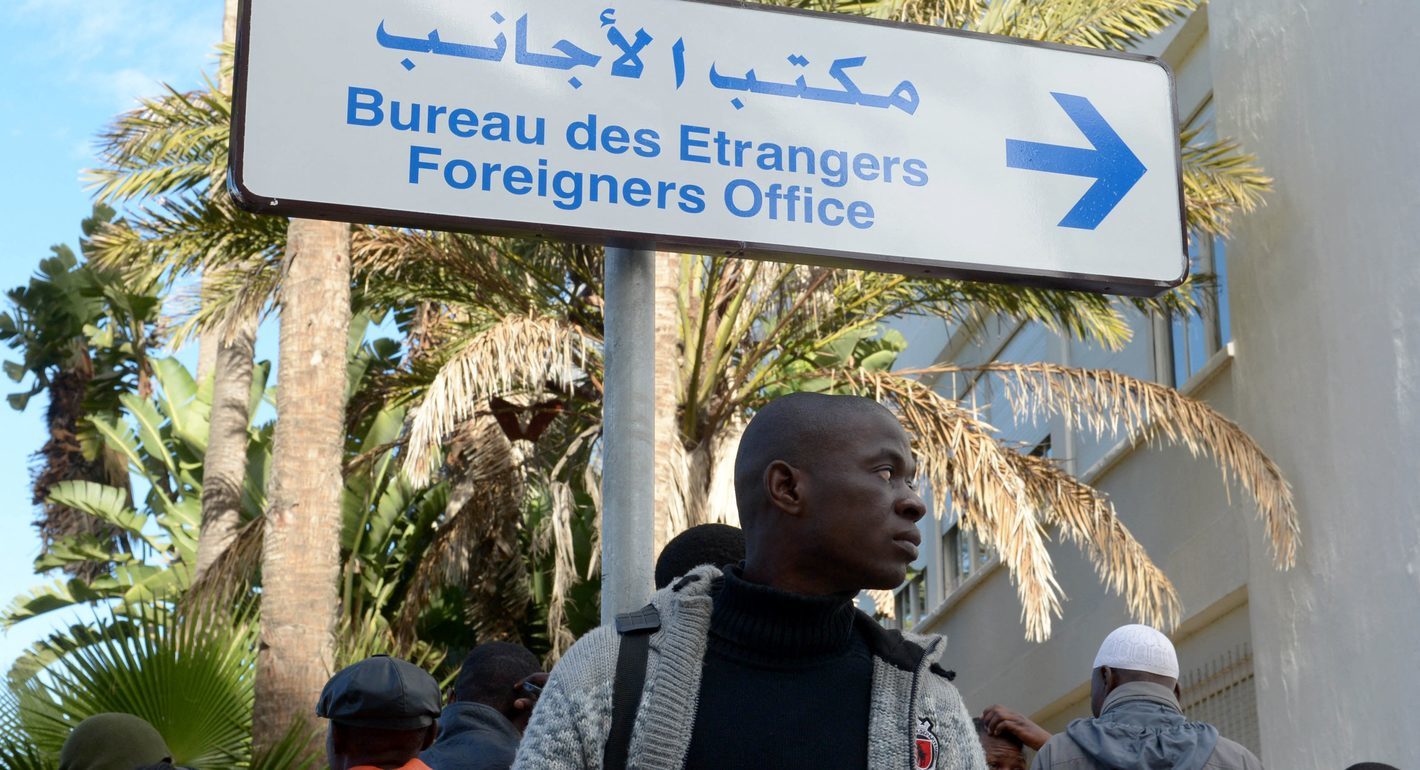
Is Morocco’s migration policy protecting Sub-Saharan African migrants or managing them for political and security ends? This article unpacks the gaps, the risks, and the paths toward real rights-based integration.
Soufiane Elgoumri
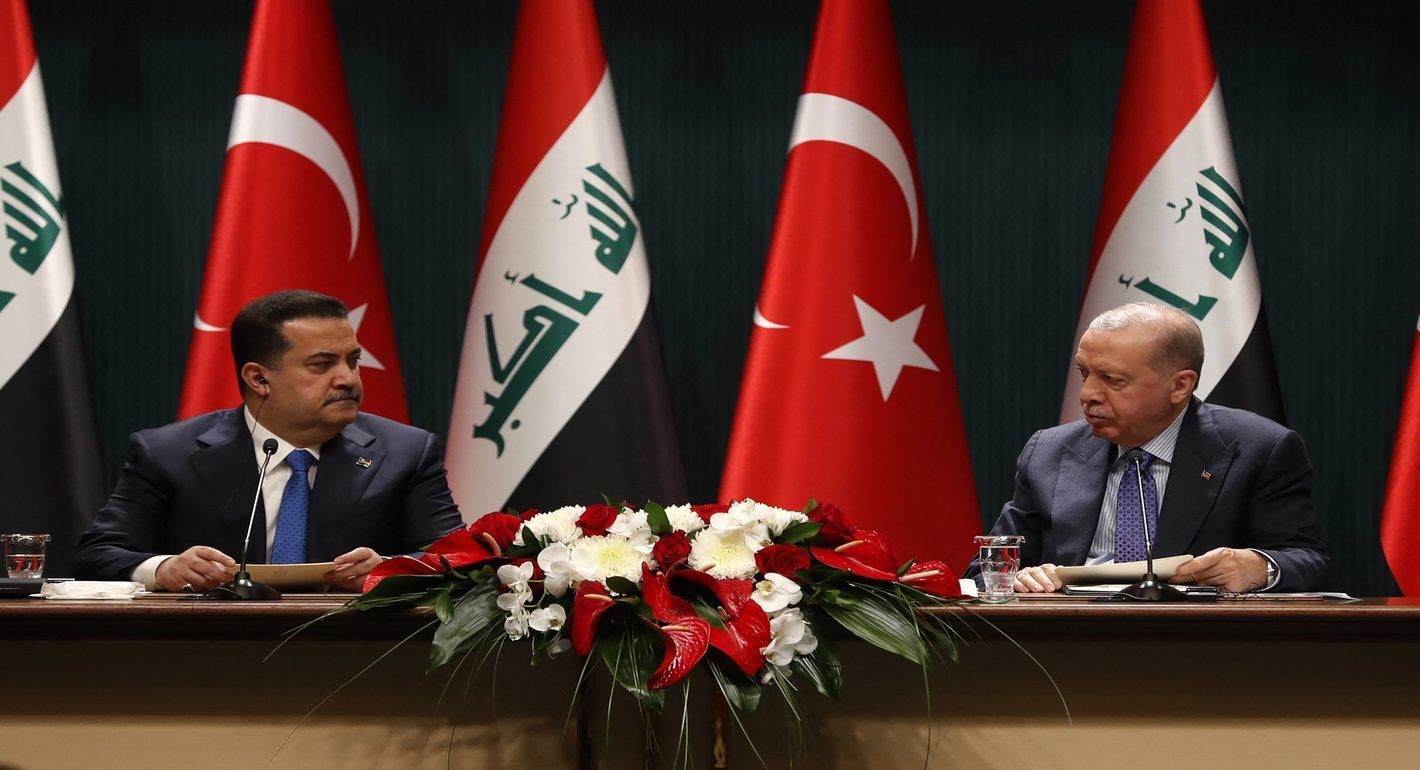
Iraq’s foreign policy is being shaped by its own internal battles—fractured elites, competing militias, and a state struggling to speak with one voice. The article asks: How do these divisions affect Iraq’s ability to balance between the U.S. and Iran? Can Baghdad use its “good neighbor” approach to reduce regional tensions? And what will it take for Iraq to turn regional investments into real stability at home? It explores potential solutions, including strengthening state institutions, curbing rogue militias, improving governance, and using regional partnerships to address core economic and security weaknesses so Iraq can finally build a unified and sustainable foreign policy.
Mike Fleet
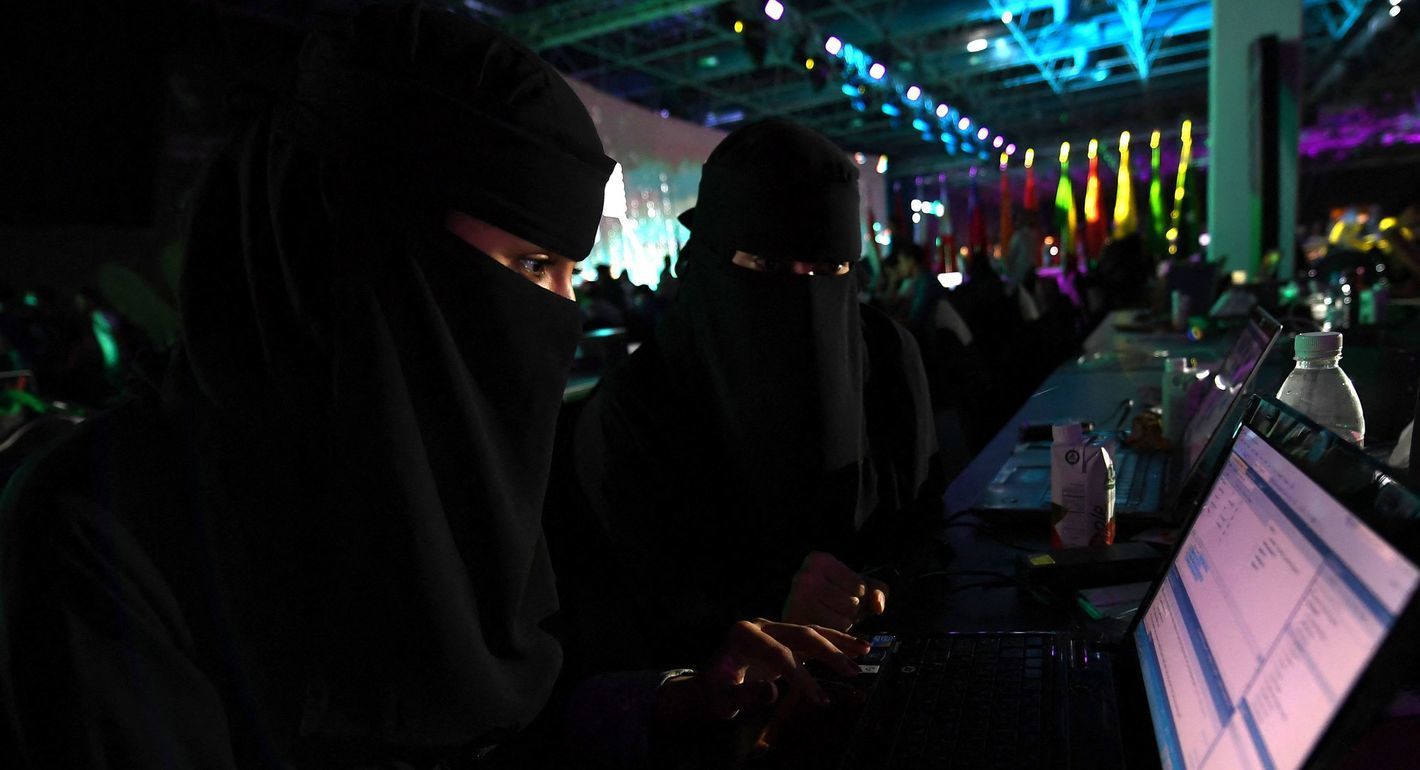
How can Saudi Arabia turn its booming e-commerce sector into a real engine of economic empowerment for women amid persistent gaps in capital access, digital training, and workplace inclusion? This piece explores the policy fixes, from data-center integration to gender-responsive regulation, that could unlock women’s full potential in the kingdom’s digital economy.
Hannan Hussain
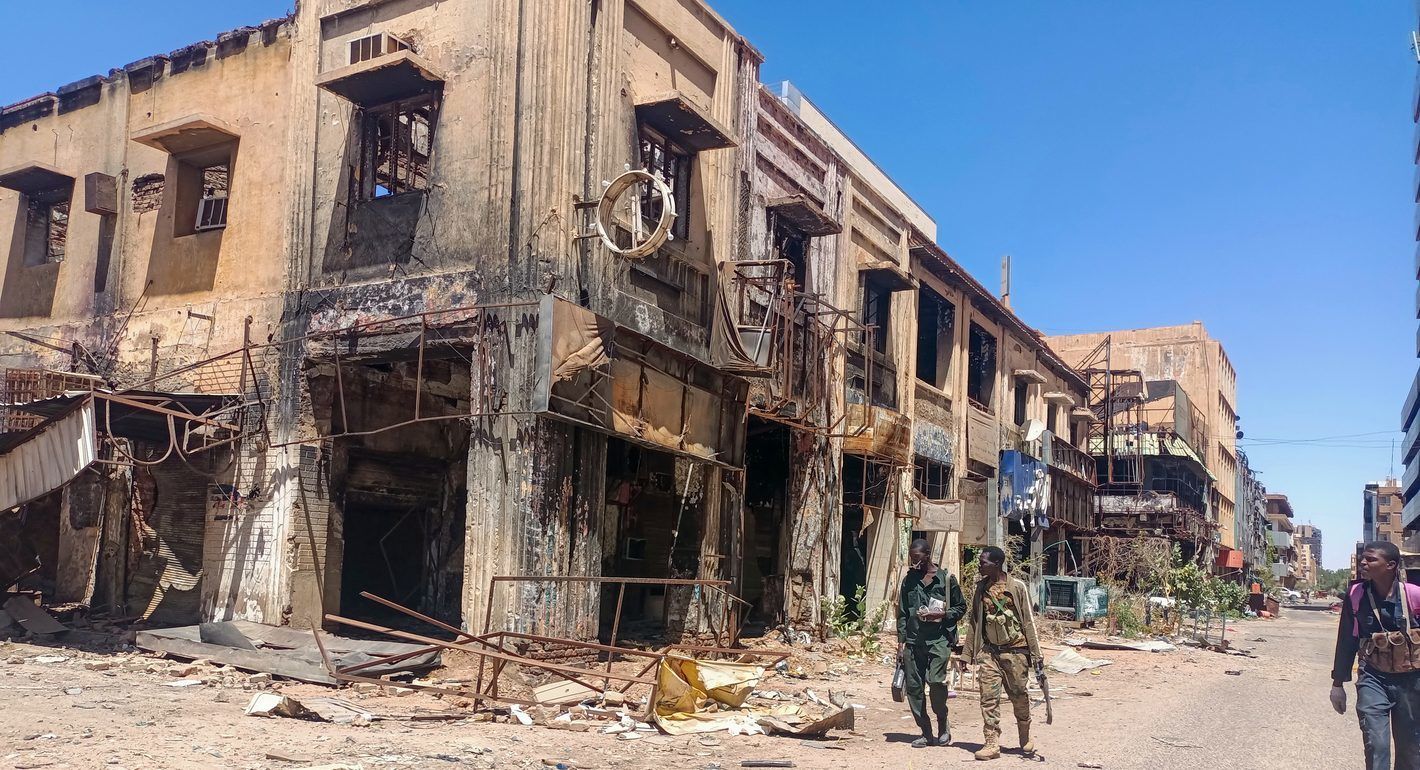
Hate speech has spread across Sudan and become a key factor in worsening the war between the army and the Rapid Support Forces. The article provides expert analysis and historical background to show how hateful rhetoric has fueled violence, justified atrocities, and weakened national unity, while also suggesting ways to counter it through justice, education, and promoting a culture of peace.
Samar Sulaiman
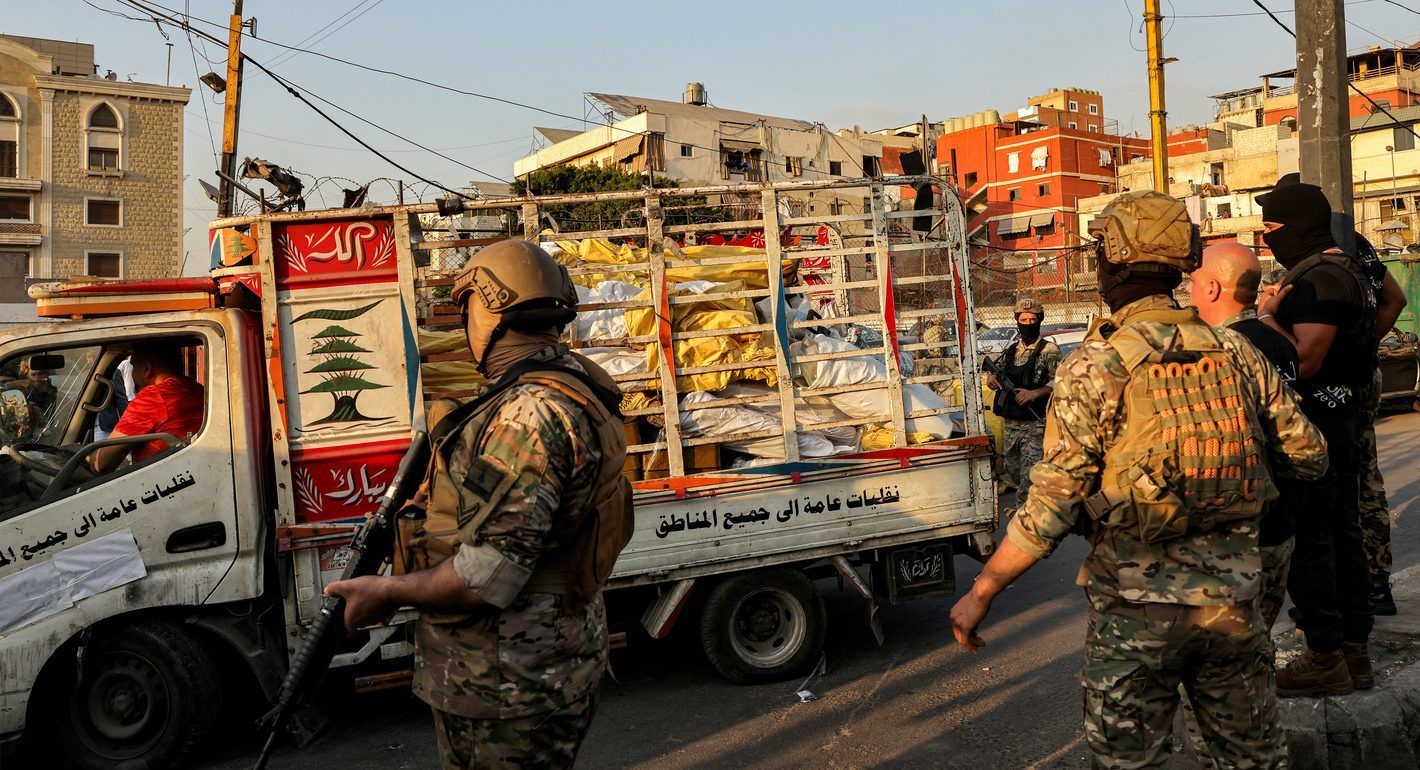
The August 2025 government decision to restrict weapons to the Lebanese state, starting with Palestinian arms in the camps, marked a major test of Lebanon’s ability to turn a long-standing slogan into practical policy. Yet the experiment quickly exposed political hesitation, social gaps, and factional divisions, raising the question of whether it can become a model for addressing more sensitive files such as Hezbollah’s weapons.
Souhayb Jawhar