

Commentary
Is Morocco’s migration policy protecting Sub-Saharan African migrants or managing them for political and security ends? This article unpacks the gaps, the risks, and the paths toward real rights-based integration.
Sofiane Al-Kamri
{
  "authors": [
    "Hassan Al-Ashraf"
  ],
  "type": "commentary",
  "blog": "Sada",
  "centerAffiliationAll": "",
  "centers": [
    "Carnegie Endowment for International Peace"
  ],
  "collections": [],
  "englishNewsletterAll": "",
  "nonEnglishNewsletterAll": "",
  "primaryCenter": "Carnegie Endowment for International Peace",
  "programAffiliation": "",
  "programs": [
    "Middle East"
  ],
  "projects": [],
  "regions": [],
  "topics": []
}
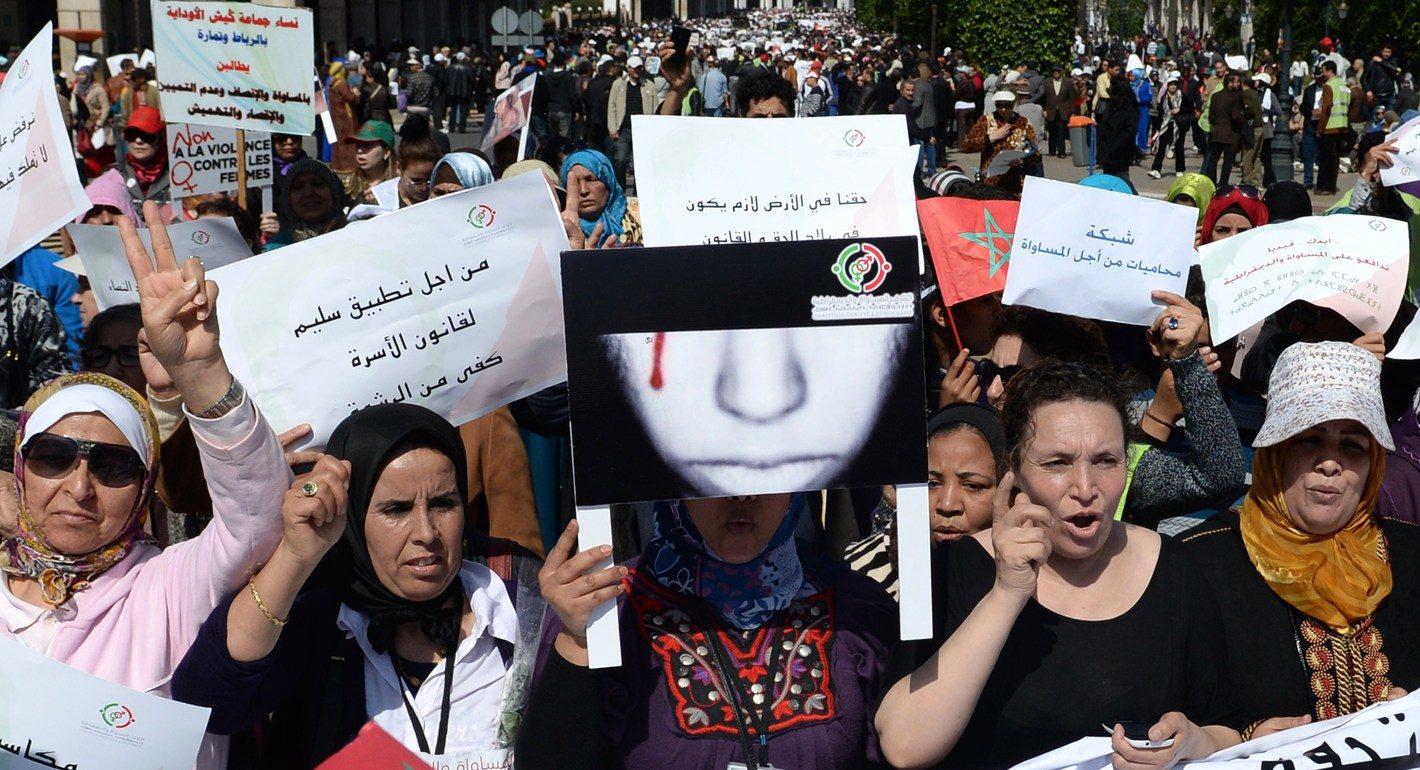
Moroccan citizens are awaiting upcoming amendments to the family law, especially those that pertain to several controversial social issues.
In September, Morocco’s Moroccan King Mohammed VI called for the revision of Morocco's family law, known as the moudawana. In a letter addressed to Prime Minster Aziz Akhannouch, the king set a six-month timeline for the preparation of a draft law, which is to be submitted for Parliamentary approval.
The directive sparked a comprehensive dialogue across Moroccan society, engaging political parties, women's organizations, and religious scholars and institutes. The goal is to address contentious issues such as extra-marital relations, underage marriage, and inheritance rights for both genders.
Two main currents are clashing over the reform of family law in. On one side, conservatives emphasize the importance of upholding Islamic values and preserving local identity and the "constants of the nation.” On the other, reformists advocate for adhering to international conventions and laws, prioritizing individual rights above all else.
One of the most controversial issues is the crime of adultery, as outlined by Article 490 of the penal code, with violators facing up to a year in prison. The reformists, represented by the Moroccan Minister of Justice, Abdellatif Ouahbi, have called for this article to be repealed. In multiple media appearances, Ouhabi expressed his intentions to decriminalize consensual relationships outside of marriage—a stance that triggered widespread controversy and divided the country's political elite.
The conservatives, represented by family activists and religious scholars, have firmly opposed the mere suggestion of abolishing the law. To them, such a move will lead to "the spread of corruption, the mixing of lineages, and the elimination of the family nucleus."
However, King Mohammed VI, the highest authority in the country, previously weighed in on this controversy in 2022, when he stressed that "as Commander of the Faithful, I will not permit what God has forbidden, and I will not forbid what God has allowed, especially in matters framed by peremptory Quranic texts."
Consequently, it is likely that the expected amendment may not fully decriminalize adultery, to avoid conflicts with conservative currents and their supporters. However, it might aim to reduce the maximum penalties for individuals caught in such situations.
Another contentious issue in Morocco's family law is a chapter that permits underage marriage under specific circumstances. Reformist activists argue that leaving this exception open violates the dignity of minors, with a particular concern for underage girls. They believe that underage marriage exposes minors to significant emotional, psychological and physical harm, as they are not prepared to shoulder marital responsibilities.
Conversely, conservatives contend that the prohibition of underage marriage should not be absolute. Here, they often cite situations of social hardship where conservatives believe it may be necessary, such as the case of an underage orphaned girl who lacks proper care.
It appears that this debate will likely lead to further restrictions on underage marriage by implementing stricter conditions. This shift reflects an urgent societal demand to safeguard the rights of children, aligning with both national and international legislation.
The issue of gender equality in inheritance is one of the most controversial issues in the debate between conservatives and reformists in Morocco, which will most likely only become more heated over time.
Conservatives have vehemently rejected the proposition for gender-equal inheritance. Represented by the Justice and Development Party, which is affiliated with the Muslim Brotherhood, they believe such an amendment contradicts religious rulings and opposes explicit Quranic texts—notably the verse that states "Allah commands you as regards your children's inheritance; to the male, a portion equal to that of two females".
Reformists, on the other hand, maintain that achieving gender-equal inheritance is entirely possible. They argue that the need to address discrimination against women, as well as to prioritize people’s own livelihoods, necessitates confronting such disparities.
However, it appears that gender-equal inheritance may not be incorporated into the upcoming family law amendments, given the royal directive to avoid contradicting explicitly religious rulings. Nonetheless, the reform may offer some leeway in jurisprudence concerning specific details of inheritance issues.
In conclusion, it is clear that the forthcoming amendments will be shaped by several factors—including extensive consultations involving all relevant stakeholders, the principles of Islamic law, the unique characteristics of Moroccan society, and the outcome of ijtihad (independent legal reasoning). Holding the “moudawana stick” from the middle will help Morocco attain a balanced law and avert further debate in the future.
Hassan Ashraf is a Moroccan journalist and researcher, with a focus on political, social, and religious issues in the Arab world.
Carnegie does not take institutional positions on public policy issues; the views represented herein are those of the author(s) and do not necessarily reflect the views of Carnegie, its staff, or its trustees.
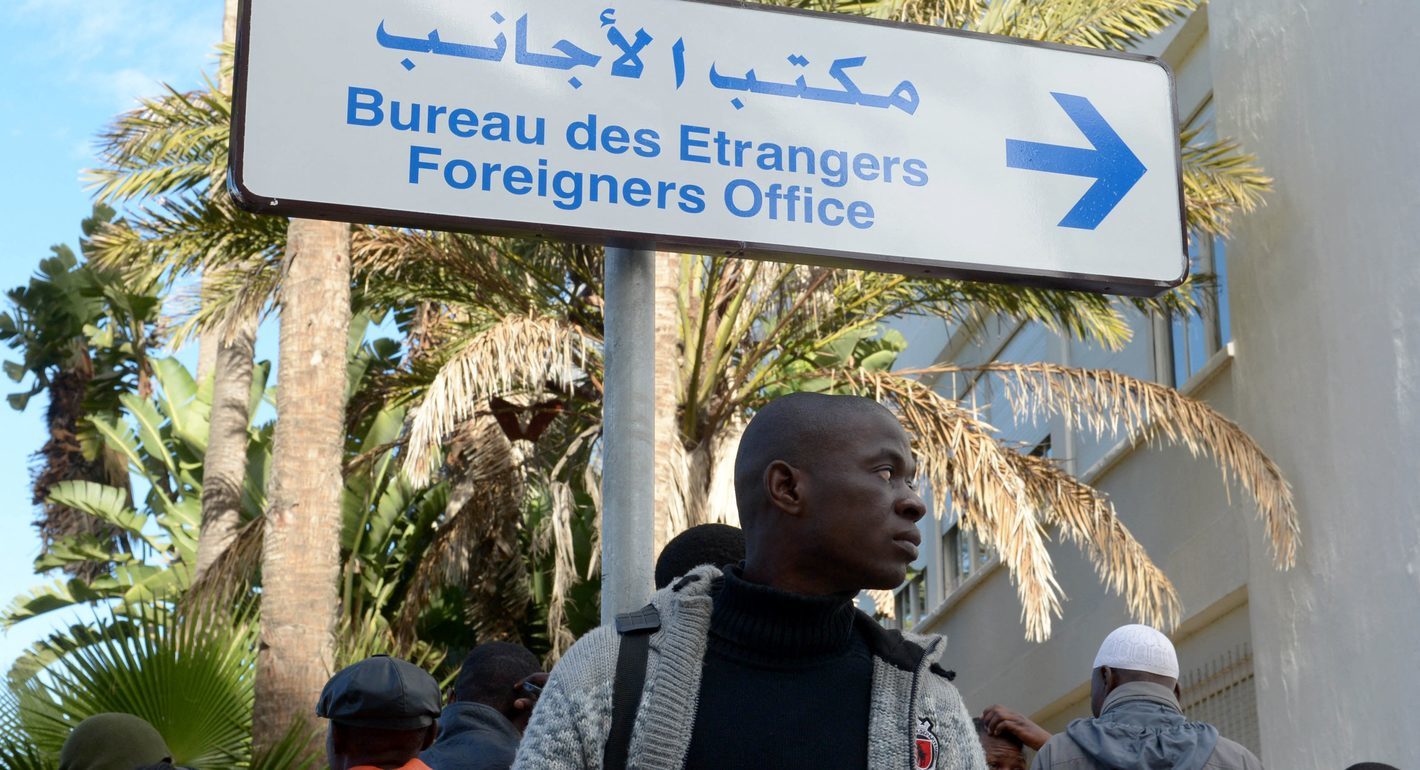
Is Morocco’s migration policy protecting Sub-Saharan African migrants or managing them for political and security ends? This article unpacks the gaps, the risks, and the paths toward real rights-based integration.
Sofiane Al-Kamri
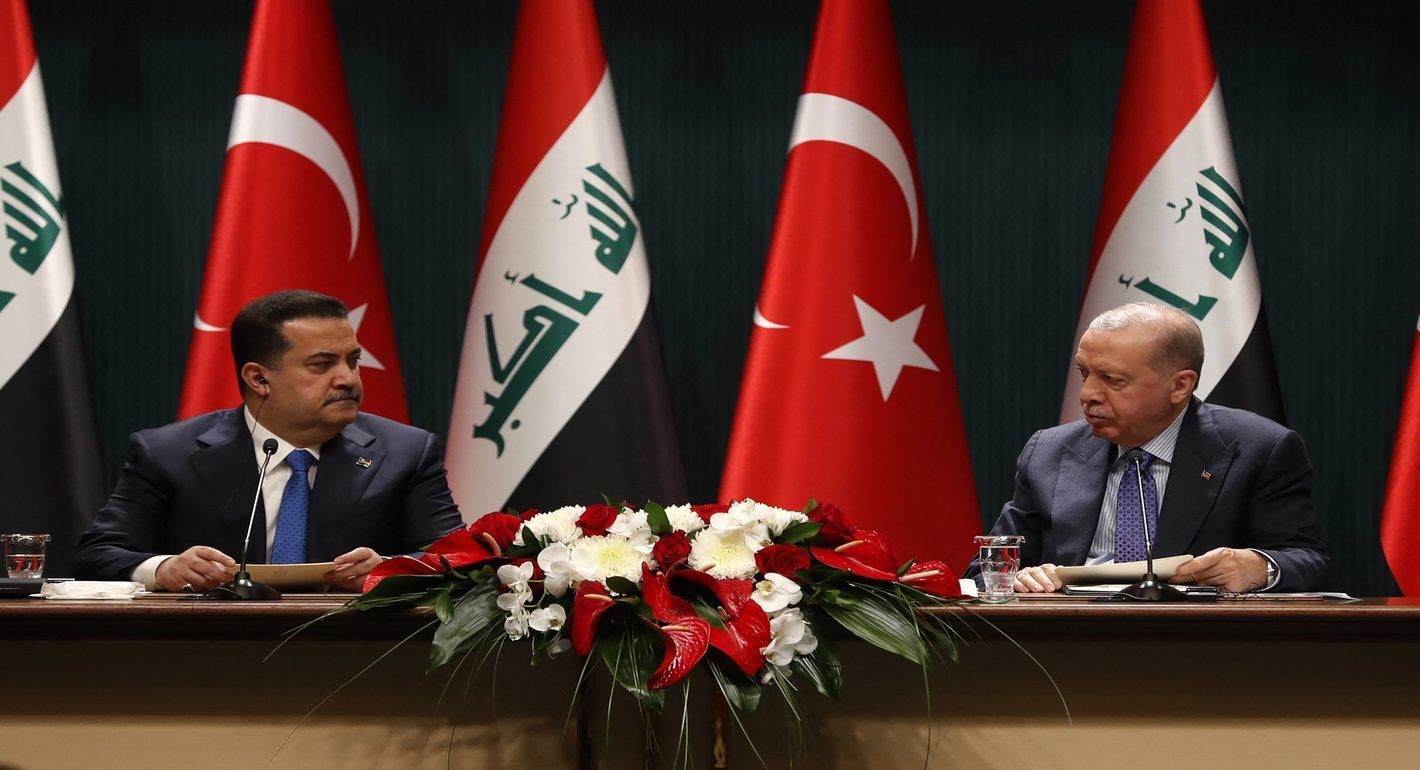
Iraq’s foreign policy is being shaped by its own internal battles—fractured elites, competing militias, and a state struggling to speak with one voice. The article asks: How do these divisions affect Iraq’s ability to balance between the U.S. and Iran? Can Baghdad use its “good neighbor” approach to reduce regional tensions? And what will it take for Iraq to turn regional investments into real stability at home? It explores potential solutions, including strengthening state institutions, curbing rogue militias, improving governance, and using regional partnerships to address core economic and security weaknesses so Iraq can finally build a unified and sustainable foreign policy.
Mike Fleet
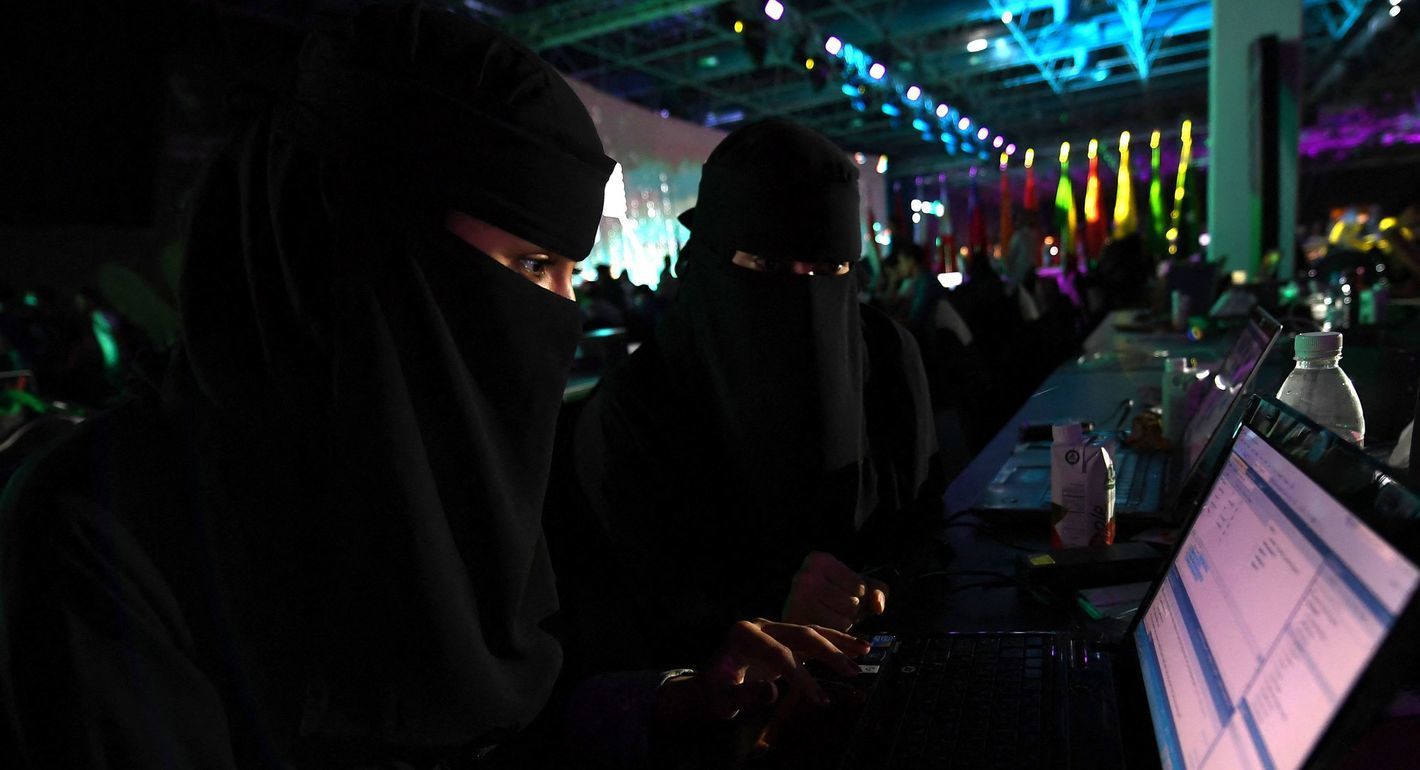
How can Saudi Arabia turn its booming e-commerce sector into a real engine of economic empowerment for women amid persistent gaps in capital access, digital training, and workplace inclusion? This piece explores the policy fixes, from data-center integration to gender-responsive regulation, that could unlock women’s full potential in the kingdom’s digital economy.
Hannan Hussain
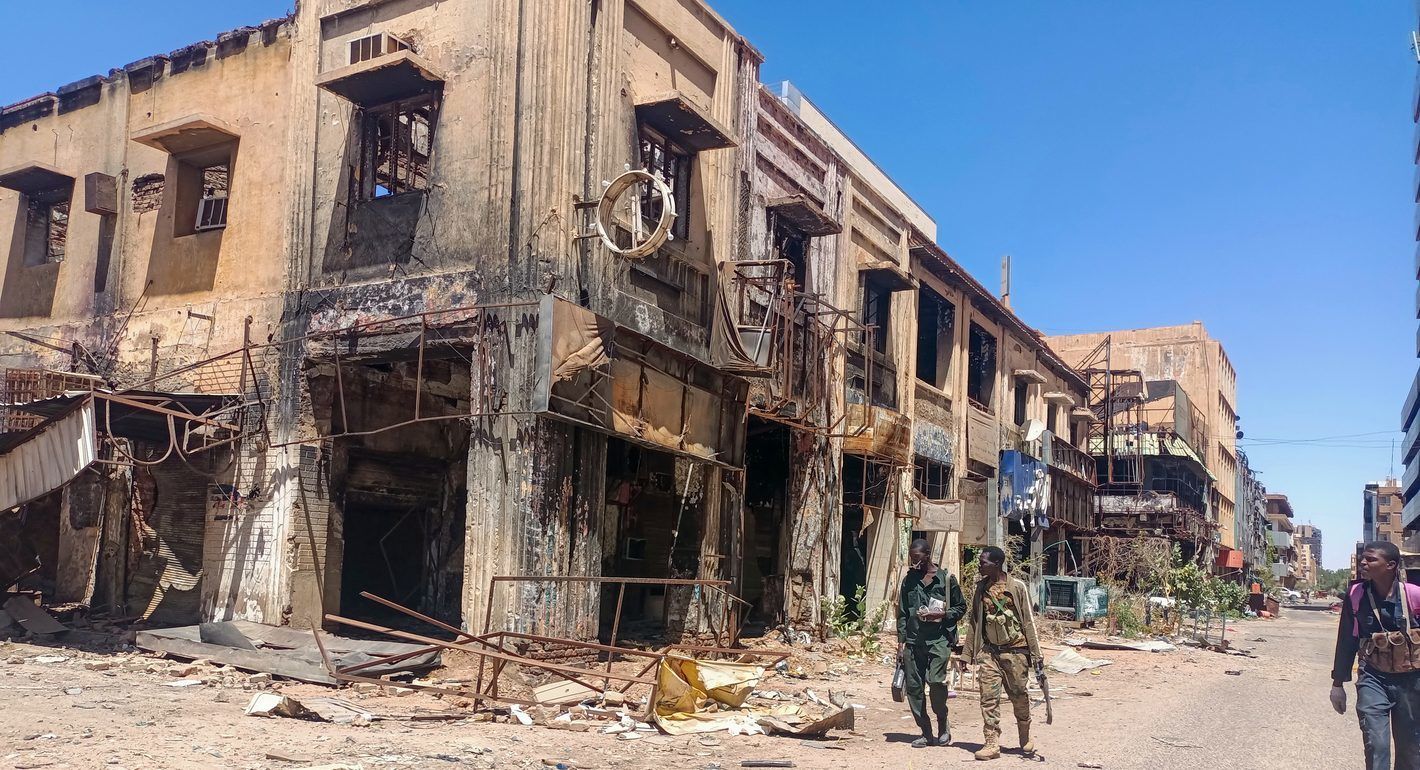
Hate speech has spread across Sudan and become a key factor in worsening the war between the army and the Rapid Support Forces. The article provides expert analysis and historical background to show how hateful rhetoric has fueled violence, justified atrocities, and weakened national unity, while also suggesting ways to counter it through justice, education, and promoting a culture of peace.
Samar Sulaiman
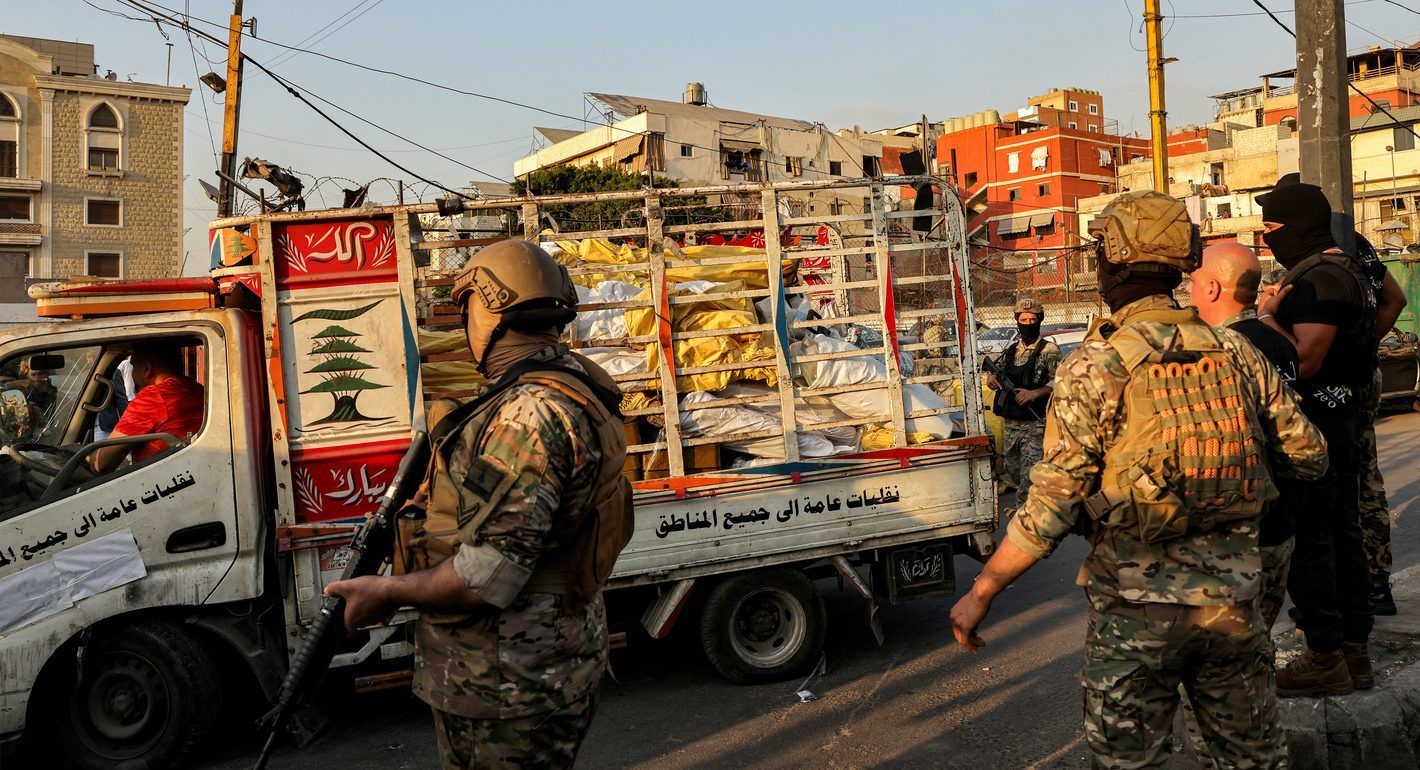
The August 2025 government decision to restrict weapons to the Lebanese state, starting with Palestinian arms in the camps, marked a major test of Lebanon’s ability to turn a long-standing slogan into practical policy. Yet the experiment quickly exposed political hesitation, social gaps, and factional divisions, raising the question of whether it can become a model for addressing more sensitive files such as Hezbollah’s weapons.
Souhayb Jawhar