• Research
  • Emissary
  • About
  • Experts
Carnegie Global logoCarnegie lettermark logo
Democracy
  • Donate
{
  "authors": [
    "Hasan Al-Ashraf"
  ],
  "type": "commentary",
  "blog": "Sada",
  "centerAffiliationAll": "",
  "centers": [
    "Carnegie Endowment for International Peace"
  ],
  "englishNewsletterAll": "",
  "nonEnglishNewsletterAll": "",
  "primaryCenter": "Carnegie Endowment for International Peace",
  "programAffiliation": "",
  "programs": [
    "Middle East"
  ],
  "projects": [],
  "regions": [
    "Morocco",
    "North Africa"
  ],
  "topics": [
    "Domestic Politics",
    "Political Reform"
  ]
}
Attribution logo
Commentary
Sada

Morocco’s New Restrictions on Civil Society: A Setback for Anti-Corruption Efforts

The Moroccan government’s decision to bar civil society from filing public actions in cases of public fund and property offenses has stirred debate, with critics warning it sidelines crucial players in the fight against corruption.

Link Copied
By Hasan Al-Ashraf
Published on Oct 31, 2024
Sada

Blog

Sada

Sada is an online journal rooted in Carnegie’s Middle East Program that seeks to foster and enrich debate about key political, economic, and social issues in the Arab world and provides a venue for new and established voices to deliver reflective analysis on these issues.

Learn More
Program mobile hero image

Program

Middle East

The Middle East Program in Washington combines in-depth regional knowledge with incisive comparative analysis to provide deeply informed recommendations. With expertise in the Gulf, North Africa, Iran, and Israel/Palestine, we examine crosscutting themes of political, economic, and social change in both English and Arabic.

Learn More

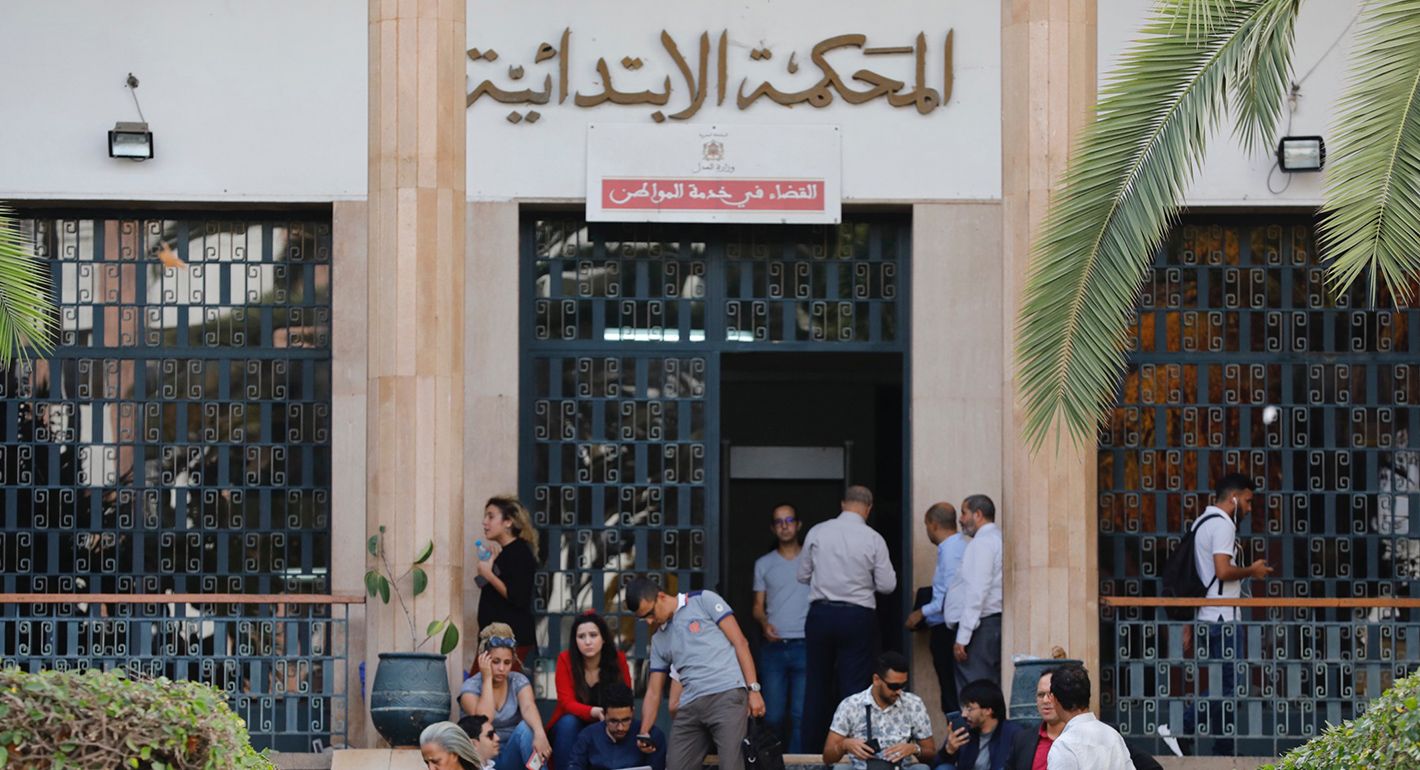
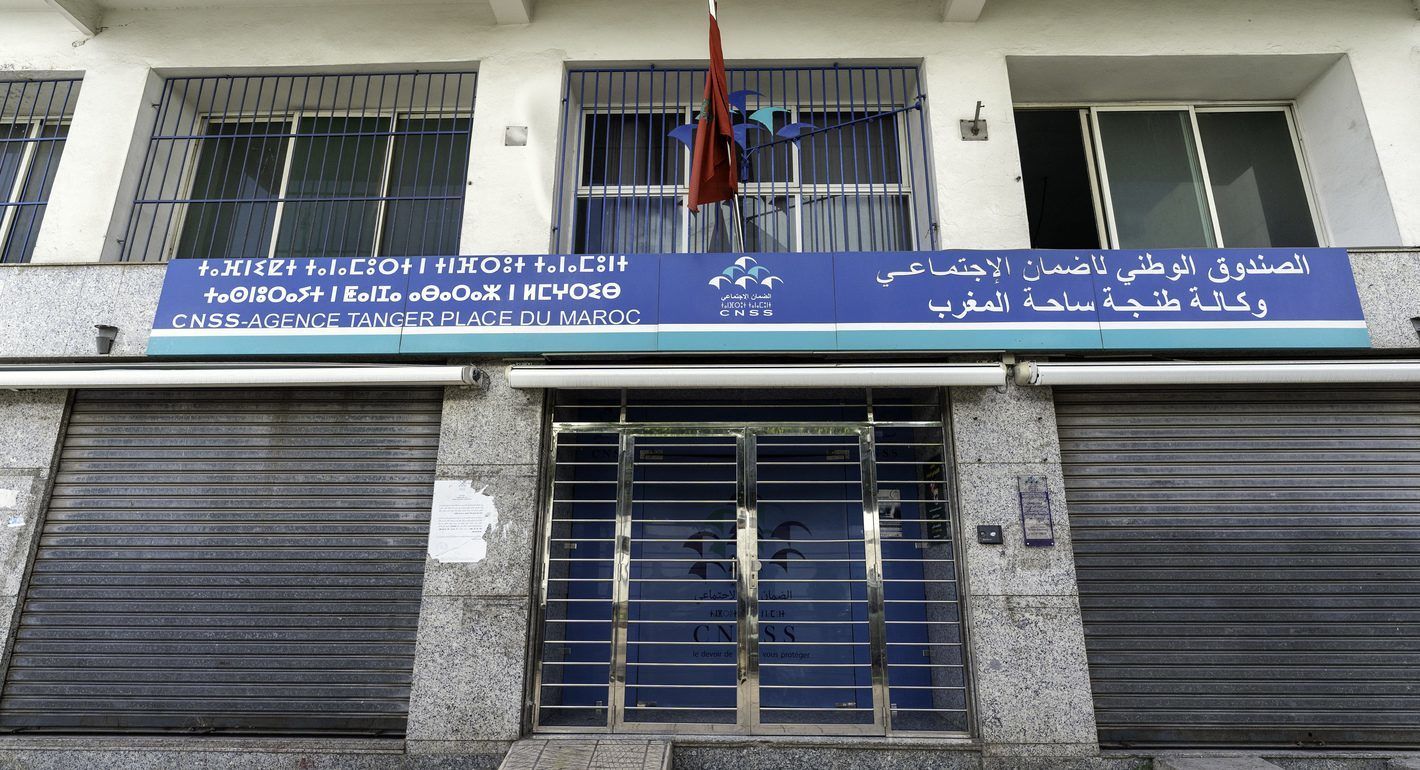
In late August 2024, the Moroccan Government Council approved Bill 03.23, which amends Law 22.01 on criminal procedure to prevent NGOs from initiating legal action against offenses involving public property—particularly cases of embezzlement by elected officials or civil servants—unless such action is requested by the public prosecutor at the Court of Cassation. This draft amendment, still pending parliamentary approval, has ignited significant political controversy. Civil society organizations argue that it infringes on the Moroccan constitution and constitutes an attempt to shield public officials from accountability, ultimately undermining transparency and anti-corruption efforts.

Reform or Restriction?

Before the introduction of Bill 03.23, civil society organizations dedicated to safeguarding public funds held the authority to initiate legal action against civil servants and elected officials suspected of embezzlement or corruption. These organizations achieved notable successes, securing multiple indictments and prison sentences for offenders. A prominent example is the arrest of former minister Mohamed Moubdii, who presided over the municipal council of Fqih Bensaleh, a city in central Morocco. His arrest was the result of a complaint by the Moroccan Association for the Protection of Public Funds, which cited serious violations of the public procurement code.

However, the government has defended its decision to restrict, and even exclude, civil entities from continuing to prosecute public offenses, arguing that an excess of stakeholders is ‘diluting complaints’ and enabling some associations to misuse their authority for ‘extortion and settling political scores’—a justification frequently used by Justice Minister Abdellatif Wehbi.

Civil society associations have pushed back, rejecting the government’s accusations and emphasizing that any instances of abuse should be addressed through proper legal channels. They argue that a robust and organized civil society is essential in the fight against corruption.

Public reactions to Bill 03.23 of the draft penal code suggest a mixed outlook. On one hand, the amendment promises to strengthen the roles of the judiciary, the public prosecution, and departmental inspection bodies in monitoring the misuse of public funds—an essential step toward reinforcing the rule of law. However, concerns arise regarding the independence of these bodies when it comes to prosecuting officials, whether appointed or elected, who are linked to the ruling authority or government majority.

Limiting the prosecution of public fund embezzlers to specific official bodies, while excluding civil society organizations, risks marginalizing the critical role these groups play in monitoring and exposing corruption. Previously empowered to act as civil parties in corruption cases, civil society associations will now be restricted to merely condemning illegal practices and advocating for accountability without the legal authority to take judicial action. This shift represents a significant setback for civil society’s role in combating corruption and monitoring the misuse of public funds.

A Violation of Constitutional Rights?

The anti-corruption NGOs in Morocco argue that the new bill is a “violation of the principles of the 2011 constitution,” specifically article 12, which states that civil society organizations and NGOs “are constituted and exercise their activities in all freedom, within respect for the Constitution and for the law. [They] contribute, within the framework of participative democracy, in the enactment, the implementation and the evaluation of the decisions and the initiatives of the elected institutions and of the public powers.”

NGOs assert that official government institutions are reluctant to provide essential information and data needed to pursue perpetrators of financial crimes. They believe this lack of cooperation undermines civil society and human rights organizations’ ability to confront corruption and hold accountable those misappropriating public funds in Morocco.

It appears that, following the government’s move to restrict those eligible to prosecute those misappropriating public fund civil associations dedicated to protecting public assets may find themselves compelled to escalate the frequency and intensity of their street protests to ensure their voices are heard by the oversight institutions responsible for financial crime cases.

Escalating Crisis

While the government sees the bill as part of a broader judicial reform to clamp down on financial crimes with an iron fist—leaving no space for civil society associations to exploit these cases for personal gain or political score-settling—credible NGOs assert that they will continue using all available means to expose corrupt actors.

Political parties are divided in their stance on the new bill. The ruling majority supports the government's decision, while some parties that back the government, but are not part of it, have remained neutral and refrain from commenting. In contrast, opposition parties have outright rejected the proposed bill, viewing it as a tool to exclude civil society organizations from exercising their constitutional rights

Anti-corruption advocates are closely monitoring the fate of the controversial bill set to be presented to the parliament in the current fall session. It is expected to spark intense debates between the majority and the opposition. However, given the numerical advantage of the ruling coalition, the bill is likely to pass into law.



Hasan Al-Ashraf

Hassan Al-Ashraf is a Moroccan journalist, writer, and researcher. He focuses on political and social issues and follows religious phenomena in the Arab world.

Domestic PoliticsPolitical ReformMoroccoNorth Africa

Carnegie does not take institutional positions on public policy issues; the views represented herein are those of the author(s) and do not necessarily reflect the views of Carnegie, its staff, or its trustees.

More Work from Sada

  • Commentary
    Sada
    A House Divided: How Internal Power Struggles Shape Iraq’s Foreign Policy

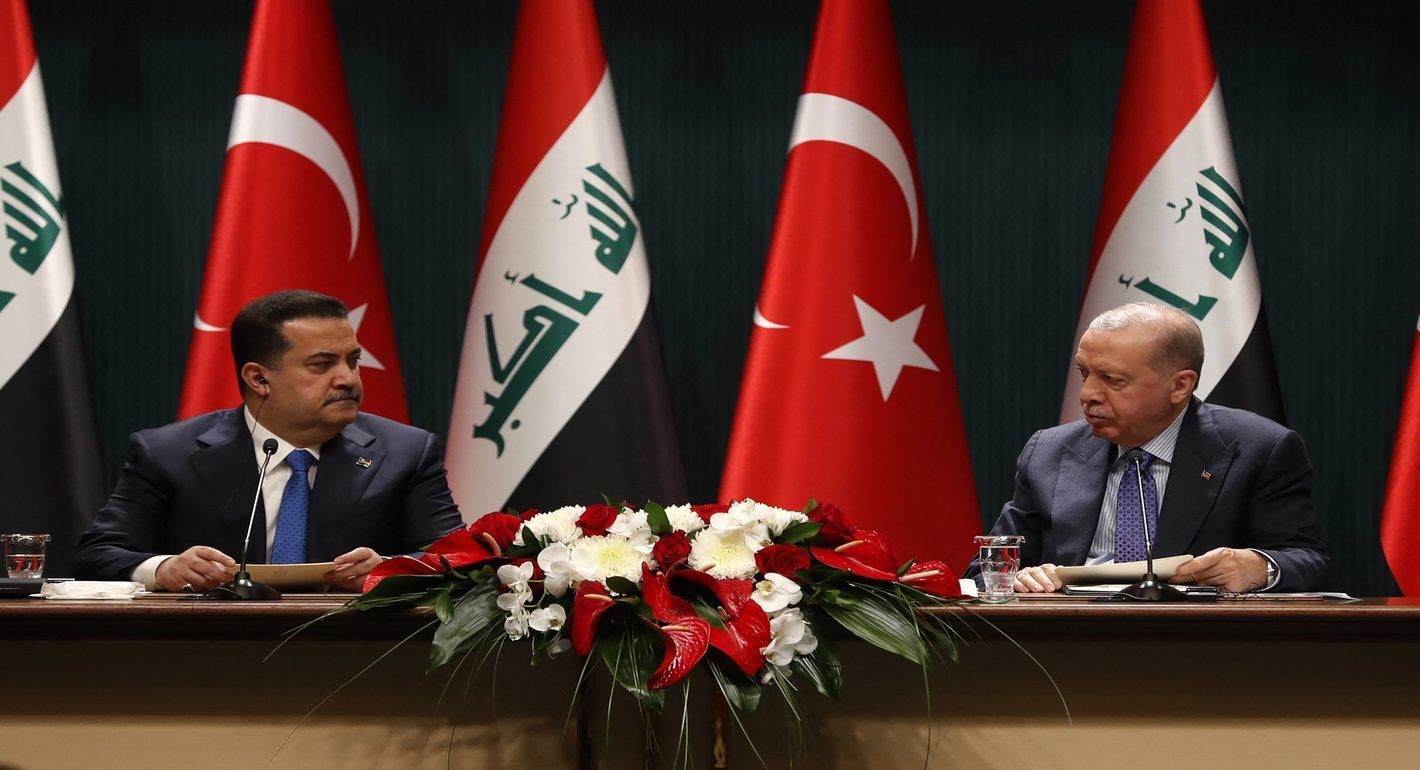
    Iraq’s foreign policy is being shaped by its own internal battles—fractured elites, competing militias, and a state struggling to speak with one voice. The article asks: How do these divisions affect Iraq’s ability to balance between the U.S. and Iran? Can Baghdad use its “good neighbor” approach to reduce regional tensions? And what will it take for Iraq to turn regional investments into real stability at home? It explores potential solutions, including strengthening state institutions, curbing rogue militias, improving governance, and using regional partnerships to address core economic and security weaknesses so Iraq can finally build a unified and sustainable foreign policy.

      Mike Fleet

  • Commentary
    Sada
    A War Fueled by Hate Speech: Sudan’s Fall into Fragmentation

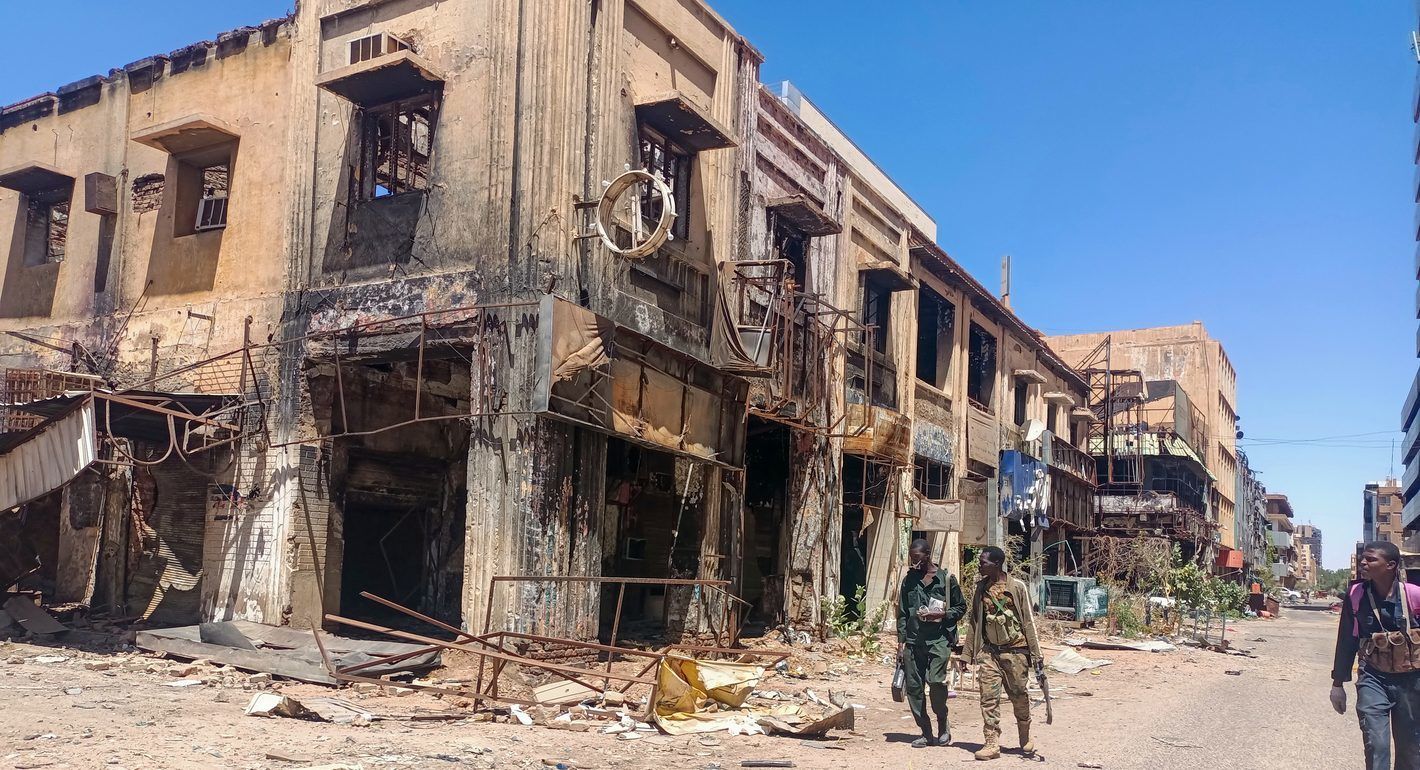
    Hate speech has spread across Sudan and become a key factor in worsening the war between the army and the Rapid Support Forces. The article provides expert analysis and historical background to show how hateful rhetoric has fueled violence, justified atrocities, and weakened national unity, while also suggesting ways to counter it through justice, education, and promoting a culture of peace.

      Samar Sulaiman

  • Commentary
    Sada
    Kuwait’s Bureaucracy at a Crossroads: Why Government Innovation Stalls and How Analytics Can Reignite Reform

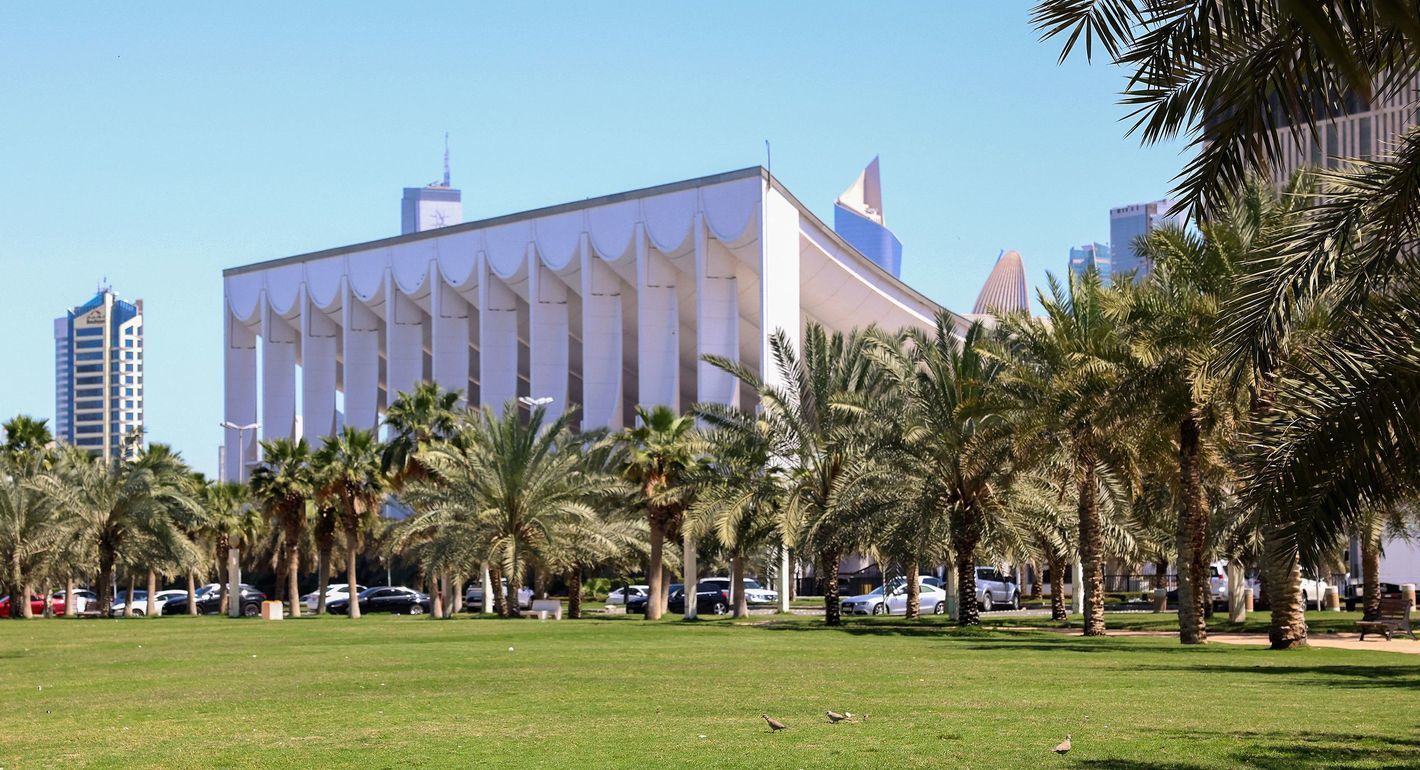
    Kuwait’s government has repeatedly launched ambitious reforms under Kuwait Vision 2035, yet bureaucratic inefficiency, siloed institutions, and weak feedback mechanisms continue to stall progress. Adopting government analytics—real-time monitoring and evidence-based decision-making—can transform reform from repetitive announcements into measurable outcomes.

      Dalal A. Marafie

  • Commentary
    Sada
    Sana'a: The Crisis of Chaotic Street Naming and Absent Urban Planning

    The chaos of street naming in Sana’a reflects the deep weakness of the Yemeni state and its failure to establish a unified urban identity, leaving residents to rely on informal, oral naming systems rooted in collective memory. This urban disorder is not merely a logistical problem but a symbolic struggle between state authority and local community identity.

      Sarah Al-Kbat

  • Commentary
    Sada
    The Political Economy of Social Data: Opportunities and Risks of Digitizing Morocco’s Social Targeting System

    While Morocco’s shift to a digitized social targeting system improves efficiency and coordination in social programs, it also poses risks of exclusion and reinforces austerity policies. The new system uses algorithms based on socioeconomic data to determine eligibility for benefits like cash transfers and health insurance. However, due to technical flaws, digital inequality, and rigid criteria, many vulnerable families are unfairly excluded.

      Abderrafie Zaanoun

Get more news and analysis from
Carnegie Endowment for International Peace
Carnegie global logo, stacked
1779 Massachusetts Avenue NWWashington, DC, 20036-2103Phone: 202 483 7600Fax: 202 483 1840
  • Research
  • Emissary
  • About
  • Experts
  • Donate
  • Programs
  • Events
  • Blogs
  • Podcasts
  • Contact
  • Annual Reports
  • Careers
  • Privacy
  • For Media
  • Government Resources
Get more news and analysis from
Carnegie Endowment for International Peace
© 2026 Carnegie Endowment for International Peace. All rights reserved.