

Commentary
Maria Lipman
{
  "authors": [
    "Maria Lipman"
  ],
  "type": "other",
  "centerAffiliationAll": "",
  "centers": [
    "Carnegie Endowment for International Peace",
    "Carnegie Russia Eurasia Center"
  ],
  "collections": [],
  "englishNewsletterAll": "",
  "nonEnglishNewsletterAll": "",
  "primaryCenter": "Carnegie Russia Eurasia Center",
  "programAffiliation": "",
  "programs": [],
  "projects": [],
  "regions": [
    "Caucasus",
    "Russia",
    "Eastern Europe",
    "Ukraine"
  ],
  "topics": [
    "Political Reform",
    "Democracy",
    "Economy",
    "Foreign Policy"
  ]
}
Source: Getty
The Russian state is incapable of following Ukraine's path toward democracy, marked recently by the "Orange Revolution," due to rising authoritarian tendencies, marginalized human rights movements, and co-opted civil society.
Lipman examines the recent evolution of Russia's politcal and social culture and compares it to the democratic developments in neighboring Ukraine. Lipman argues that the Russian state is incapable of following Ukraine's path due to rising authoritarian tendencies, marginalized human rights movements, and co-opted civil society.
Click on the link above for the full text of this Policy Outlook.
About the Author
Masha Lipman is a Scholar-In-Residence at the Moscow Carnegie Center. She works on problems of civil society, a program that aims to study a number of Russian regions and to assess the current state of civil society in the country.
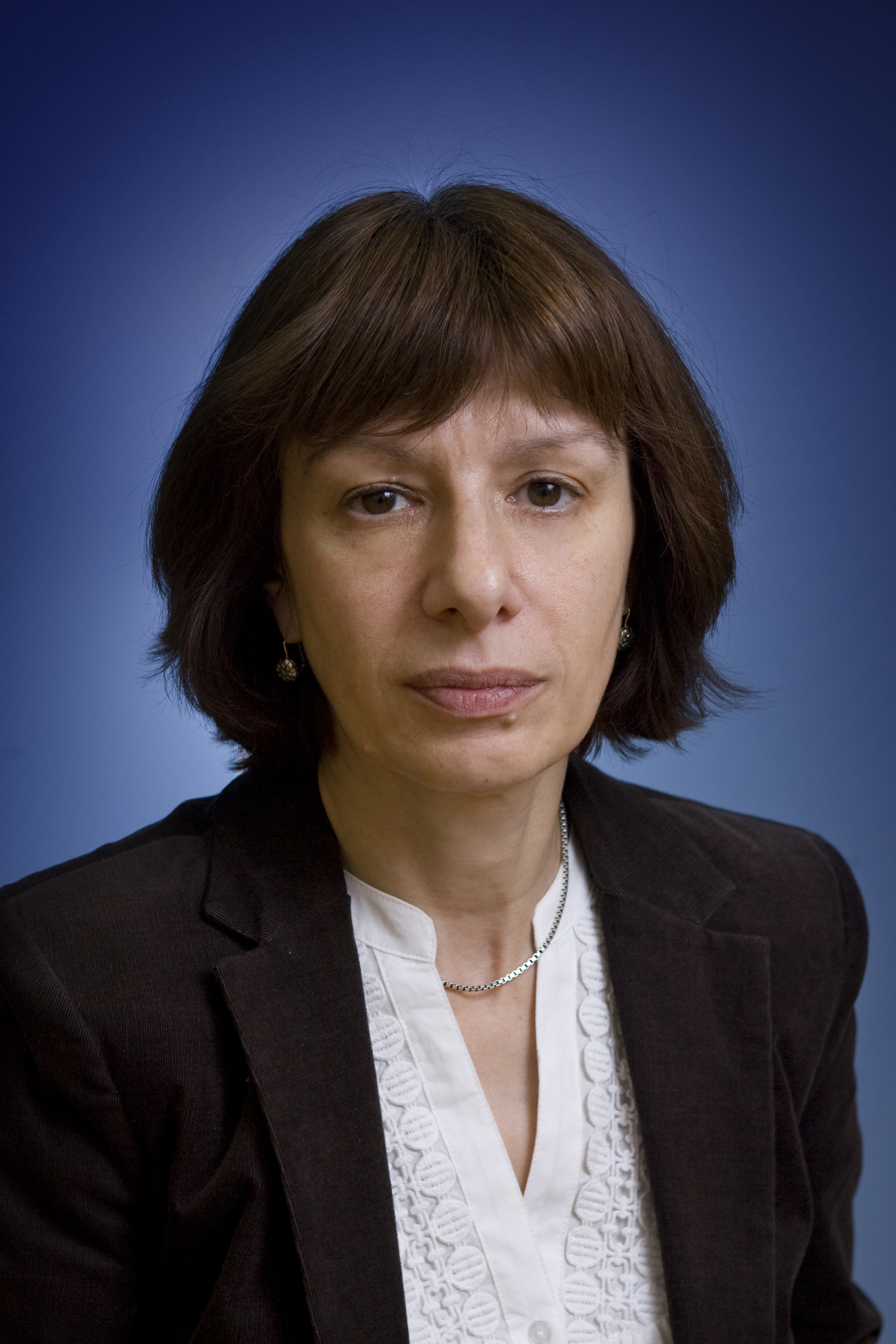
Former Scholar in Residence, Society and Regions Program, Editor in Chief, Pro et Contra, Moscow Center
Lipman was the editor in chief of the Pro et Contra journal, published by the Carnegie Moscow Center. She was also the expert of the Carnegie Moscow Center’s Society and Regions Program.
Recent Work
Maria Lipman
Maria Lipman
Carnegie does not take institutional positions on public policy issues; the views represented herein are those of the author(s) and do not necessarily reflect the views of Carnegie, its staff, or its trustees.

Before the next wave of EU enlargement takes place, the union needs to grapple with thorny questions of how power is distributed among its members.


Emil Sondaj Hansen, Ditte Brasso Sørensen

The new U.S.–Denmark–Greenland agreement will help Washington exert political, economic, and financial dominance under the guise of security. Yet, it acknowledged Copenhagen’s and Nuuk’s sovereignty on the island.

Marc Pierini

A summer of escalation in the Black Sea has hurt Ukraine economically and is exacerbating world food security. A truce is needed—as is a broader reframing of Europe’s Ukraine strategy.

Thomas de Waal

Are Germany’s economic, industrial, and political struggles becoming a liability for the EU’s ability to rise to the geopolitical moment?

Rym Momtaz, ed.

European Commission President Ursula von der Leyen is about to give her annual address on the state of the EU. Here’s what she won’t—but should—say.
Rym Momtaz