• Research
  • Strategic Europe
  • About
  • Experts
Carnegie Europe logoCarnegie lettermark logo
EUUkraine
  • Donate
{
  "authors": [
    "Maria Lipman"
  ],
  "type": "legacyinthemedia",
  "centerAffiliationAll": "",
  "centers": [
    "Carnegie Endowment for International Peace",
    "Carnegie Russia Eurasia Center"
  ],
  "collections": [],
  "englishNewsletterAll": "",
  "nonEnglishNewsletterAll": "",
  "primaryCenter": "Carnegie Russia Eurasia Center",
  "programAffiliation": "",
  "programs": [],
  "projects": [],
  "regions": [
    "Caucasus",
    "Russia"
  ],
  "topics": [
    "Political Reform",
    "Democracy",
    "Economy",
    "Foreign Policy"
  ]
}

Source: Getty

In The Media
Carnegie Russia Eurasia Center

Medvedev Likely to Maintain Status Quo

Link Copied
By Maria Lipman
Published on Mar 2, 2008

Source: NPR's All Things Considered

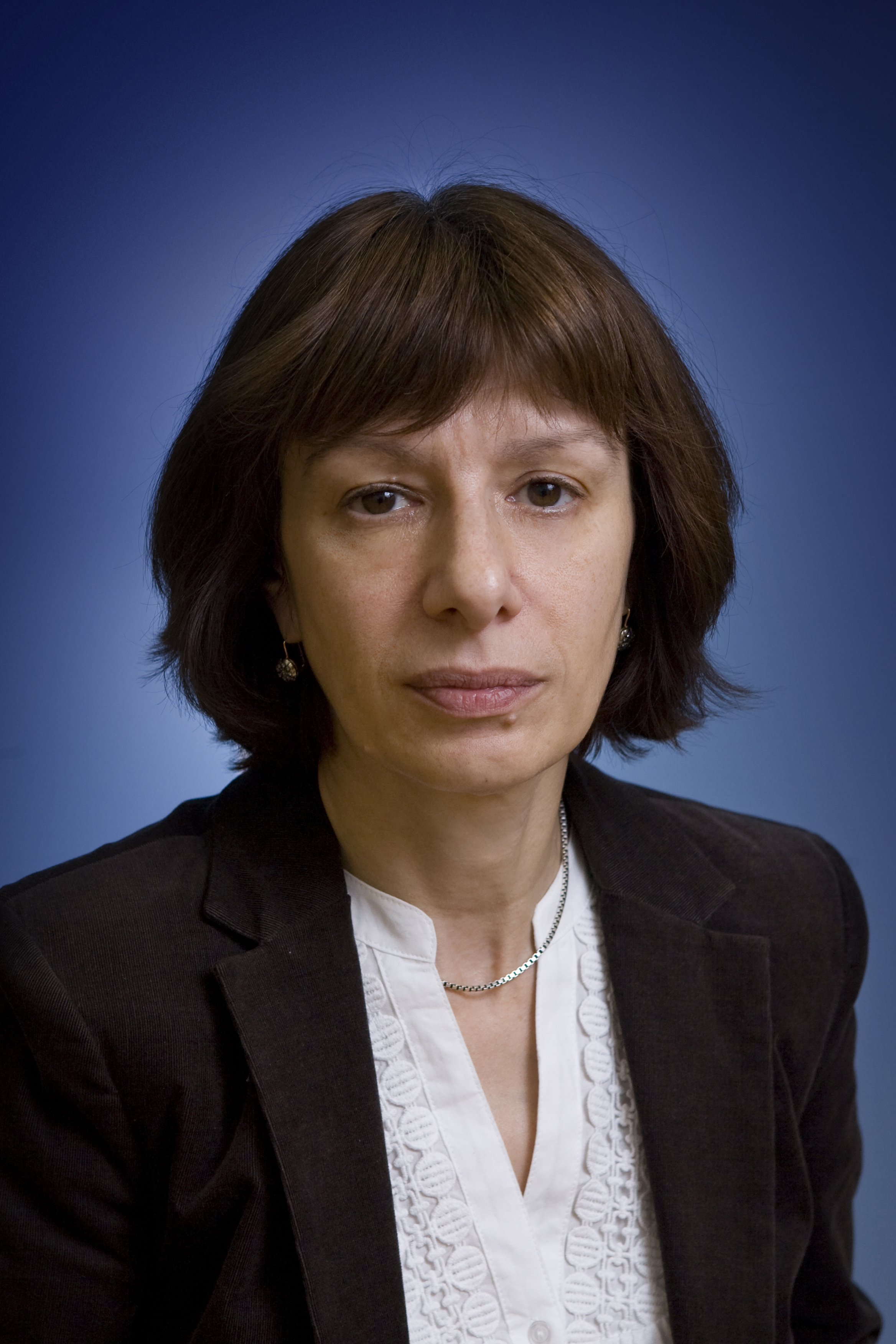
Carnegie Moscow Center's Masha Lipman joined Jacki Lyden on NPR's All Things Considered to discuss the election of Dmitry Medvedev as Russia's president and what it means for the political and economic future of Russia. She argued that despite Medvedev's liberal rhetoric, he was chosen by Putin as part of an effort to maintain the status quo. "The difference between rhetoric and reality has almost reached the Soviet range in these days," she said.

Click here to listen to the broadcast.

About the Author

Maria Lipman

Former Scholar in Residence, Society and Regions Program, Editor in Chief, Pro et Contra, Moscow Center

Lipman was the editor in chief of the Pro et Contra journal, published by the Carnegie Moscow Center. She was also the expert of the Carnegie Moscow Center’s Society and Regions Program.

    Recent Work

  • Commentary
    The Russian State Power and the Ukrainian Human Factor

      Maria Lipman

  • Commentary
    Putin’s Crimean Conquest Pushes Russia to an Anti-Modernization Course

      Maria Lipman

Maria Lipman
Former Scholar in Residence, Society and Regions Program, Editor in Chief, Pro et Contra, Moscow Center
Maria Lipman
Political ReformDemocracyEconomyForeign PolicyCaucasusRussia

Carnegie does not take institutional positions on public policy issues; the views represented herein are those of the author(s) and do not necessarily reflect the views of Carnegie, its staff, or its trustees.
More Work from Carnegie Europe

  • Commentary
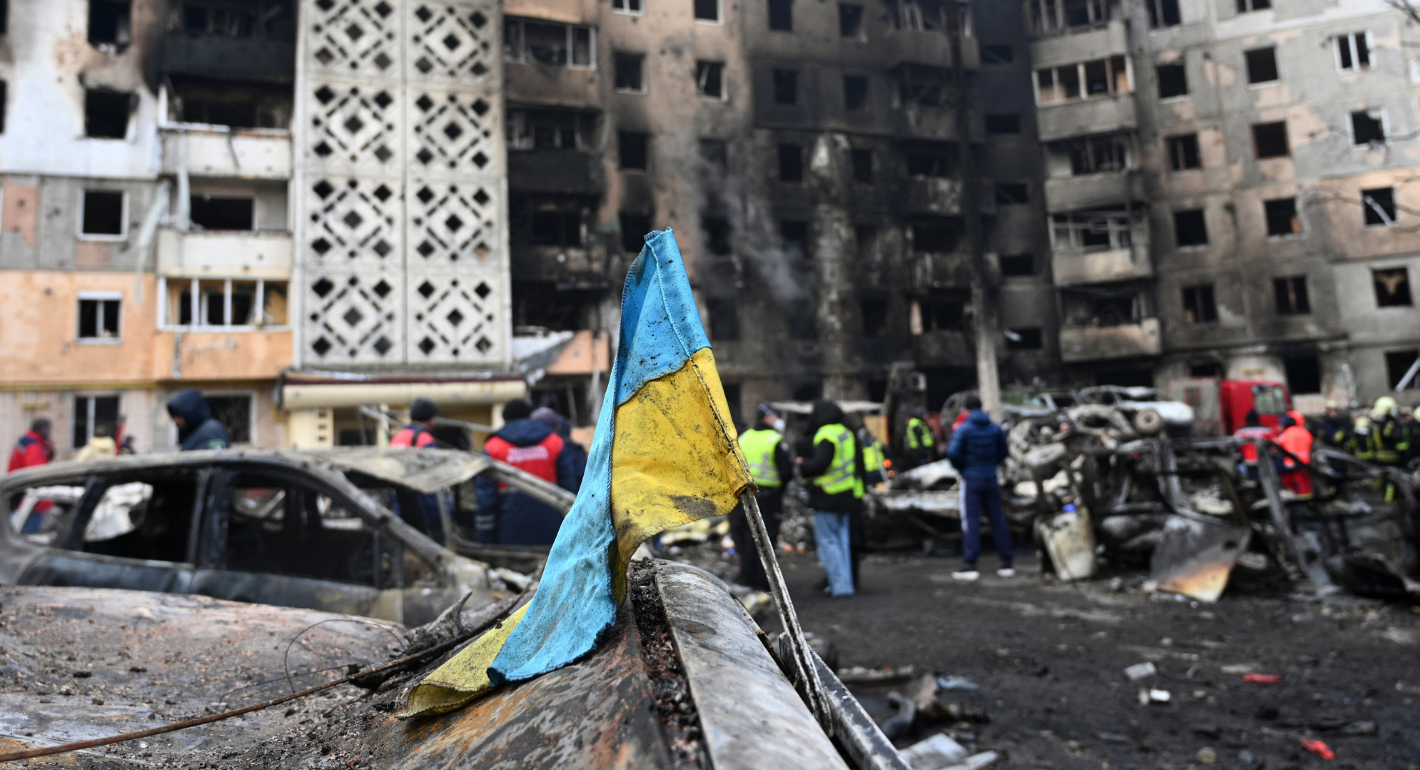
    Turning Russian Assets into Financing for Ukraine Now

    Funding Ukraine remains a priority for European leaders. As Russia’s war of aggression heads into another winter, two feasible options to mobilize support for Kyiv should be fast-tracked.
      Vladyslav Rashkovan, Gregory P. Wilson
  • Commentary
    Strategic Europe
    The EU’s Middle-Power Puzzle

    While the EU and European governments are embracing the much-lauded middle-power moment, this entails three difficult conundrums.
      Richard Youngs
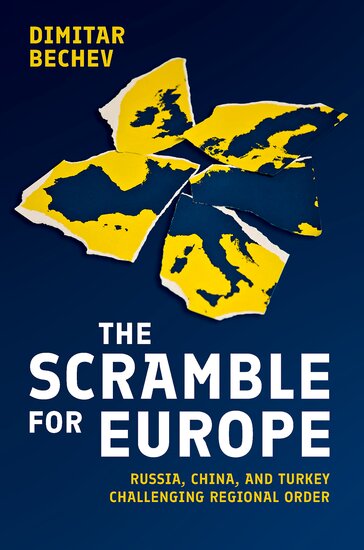
  • The Scramble for Europe. Russia, China, and Turkey Challenging Regional Order
    Book
    The Scramble for Europe. Russia, China, and Turkey Challenging Regional Order

    Europe is facing rising populism internally as well as external pressures from Russia, China, Turkey, and the United States.

      Dimitar Bechev
  • European Union EU democracy Parliament citizens assembly
    Article
    Europe’s Tide of Citizen Assemblies: Unsung Success or Anticlimax?

    A notable degree of participative democracy has firmly arrived in Europe. But to have more far-reaching impact, democratic deliberation needs to move into a radically new phase.

      Richard Youngs
  • Commentary
    Strategic Europe
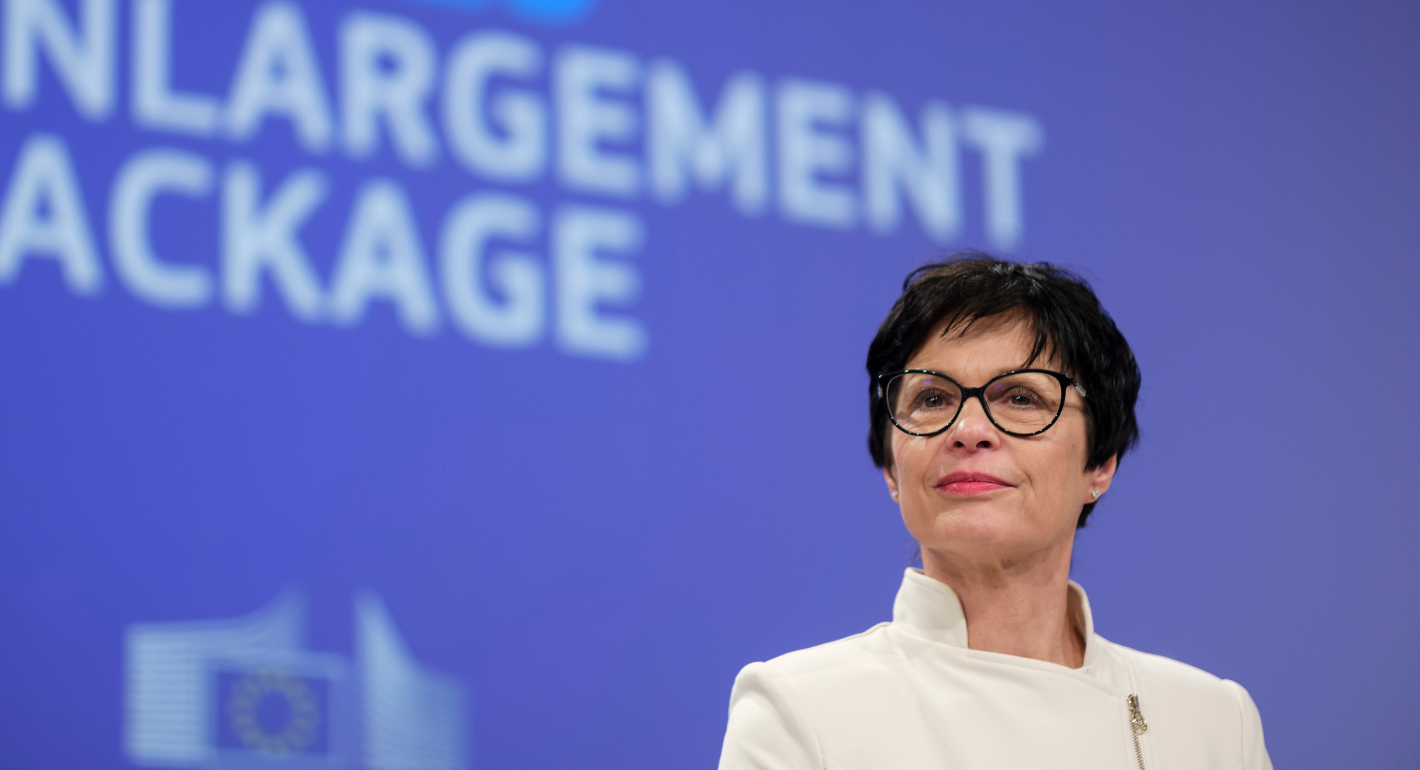
    How the EU’s Single Market Could Unlock Enlargement

    Much has been said of the changes Brussels is trying to make to the EU enlargement process. Here’s why gradual integration might—or might not—be the answer.

      Dimitar Bechev

Get more news and analysis from
Carnegie Europe
Carnegie Europe logo, white
Rue du Congrès, 151000 Brussels, Belgium
  • Research
  • Strategic Europe
  • About
  • Experts
  • Projects
  • Events
  • Contact
  • Careers
  • Privacy
  • For Media
  • Gender Equality Plan
Get more news and analysis from
Carnegie Europe
© 2026 Carnegie Endowment for International Peace. All rights reserved.