

In The Media
Lilia Shevtsova
{
  "authors": [
    "Lilia Shevtsova"
  ],
  "type": "legacyinthemedia",
  "centerAffiliationAll": "",
  "centers": [
    "Carnegie Endowment for International Peace",
    "Carnegie Russia Eurasia Center"
  ],
  "collections": [],
  "englishNewsletterAll": "",
  "nonEnglishNewsletterAll": "",
  "primaryCenter": "Carnegie Russia Eurasia Center",
  "programAffiliation": "",
  "programs": [],
  "projects": [],
  "regions": [
    "Caucasus",
    "Russia",
    "Georgia",
    "Ukraine"
  ],
  "topics": [
    "Political Reform",
    "Foreign Policy"
  ]
}
Source: Getty
The Russia-Georgia conflict has illustrated Russia’s new “containment policy” that is targeted towards the West. However, there is some evidence that the Russian elite may also be seeking some reconciliation. The real test of this notion will come if Ukraine insists on joining NATO, and the question of what to do with Crimea will have to be answered.
Source: The Moscow Times

True, there are other factors that contributed to the conflict, such as Russia's failure to play a stabilizing role in the region after the collapse of the Soviet Union, as well as Saakashvili's reckless provocations. But even if you combine all of these elements, they probably wouldn't have been enough to trigger last week's war.
The deciding factor was Georgia's intention to join NATO and NATO's plans to eventually offer membership to the two countries, which Secretary-General Jaap de Hoop Scheffer reiterated at the April NATO conference in Bucharest. The worst nightmare for the Russian elite would be Georgia (and Ukraine) becoming full NATO members. NATO encirclement would be a serious threat for a state that defines itself through highly personalized power and a constant search for internal and external enemies. Putin and President Dmitry Medvedev cannot control the country without maintaining this image of Russia as a "besieged fortress."
The elite, who have relied on hyped-up anti-Western and especially anti-U.S. rhetoric as a key component of their foreign policy and as a means to mobilize public support, had to strike before they lost their strategic backyard to the West. Ossetians and Georgians were, unfortunately, in the wrong place at the wrong time.
By teaching the Georgians a lesson, Moscow sent Ukraine and other countries it considers within its sphere of influence a warning: It may be dangerous to have such warm relations with the West.
Russia's military response had another purpose as well -- to show that the Medvedev-Putin tandem can be tough. This show of strength was particularly important because the elite had started to fragment and the public was starting to wonder who was really in control of the country.
The war has demonstrated the emergence of the Kremlin's new "containment policy" targeted at the West. The country's elite have turned fiery anti-Western and anti-Georgian rhetoric into military action by attacking beyond Russia's borders. Yet it is the West that has given the Kremlin the justification it needs. Russian propaganda has taken full advantage of the West's double standard and hypocrisy regarding its selective interpretation of "regime change, ethnic cleansing, genocide and humanitarian intervention" in Iraq and Serbia.
Georgia needs to forget about its territorial integrity and accept the loss of Abkhazia and South Ossetia. Further, if Georgia wants to put an end to the conflict, it might need Saakashvili to step down and allow a more pragmatic leader to come to power. Ironically, Moscow, by attempting to oust Saakashvili, may actually facilitate Georgia's NATO membership.
The war has intensified a conservative backlash in Russia. The country is now highly unified against the West -- not unlike the consensus before the second Chechen war, which helped Putin's rise to power.
Even those that have traditionally belonged to the liberal camp quickly switched gears to support the official line and blast the Georgians. The Kremlin has convinced most Russians that the West, under the banner of liberalism and democracy, has been able to carry out color revolutions in Ukraine and Georgia. This helps explain why there is no strong democratic opposition in Russia; no one wants to be considered a U.S. stooge or a fifth column. When the country is so united against its "enemies," there is no need for the Kremlin or the White House to restart reforms. Why rock the boat? If Medvedev had any serious modernization plans before the war started, he has no other choice now but to drop these plans now. His top priority is to show that he is a strong commander-in-chief during a military conflict.
There is evidence, however, that the Russian ruling tandem may also be seeking reconciliation with the West, following Putin's model of "for and against the West at the same time." Some members of the elite feel that its time to mend fences in order to prevent Western ostracism of Russia, which may put their accounts in Western banks at risk. Ukraine will be a test as to whether the Kremlin still feels a need to flex its muscles. If Kiev insists on joining NATO, Crimea could easily become a point of heightened conflict between Russia and Ukraine, particularly if Crimea seeks some kind of union with Russia.
What about the West? It is split between the hawks, such as U.S. presidential candidate John McCain, who has repeatedly called for kicking Russia out of the Group of Eight, and the doves, such as Italian Prime Minister Silvio Berlusconi. Up to this point, the West has not been able to pursue a dual policy of engaging Russia and getting Moscow to abide by the membership rules it has pledged to follow as a member of certain international organizations.
In any case, the drama in the Caucasus continues. It could destroy not only Medvedev's political future, but it could also dampen investor confidence in the country for years and cripple Russia's ability to modernize. Moreover, this conflict could have a long-term negative impact on U.S.-Russian relations and become an important factor in whom the American voters choose in the presidential election in November.
And so much of this mess was caused by the Kremlin's inferiority complex.
This article first appeared in The Moscow Times

Former Senior Associate, Russian Domestic Politics and Political Institutions Program, Moscow Center
Shevtsova chaired the Russian Domestic Politics and Political Institutions Program at the Carnegie Moscow Center, dividing her time between Carnegie’s offices in Washington, DC, and Moscow. She had been with Carnegie since 1995.
Recent Work
Lilia Shevtsova
Lilia Shevtsova
Carnegie does not take institutional positions on public policy issues; the views represented herein are those of the author(s) and do not necessarily reflect the views of Carnegie, its staff, or its trustees.
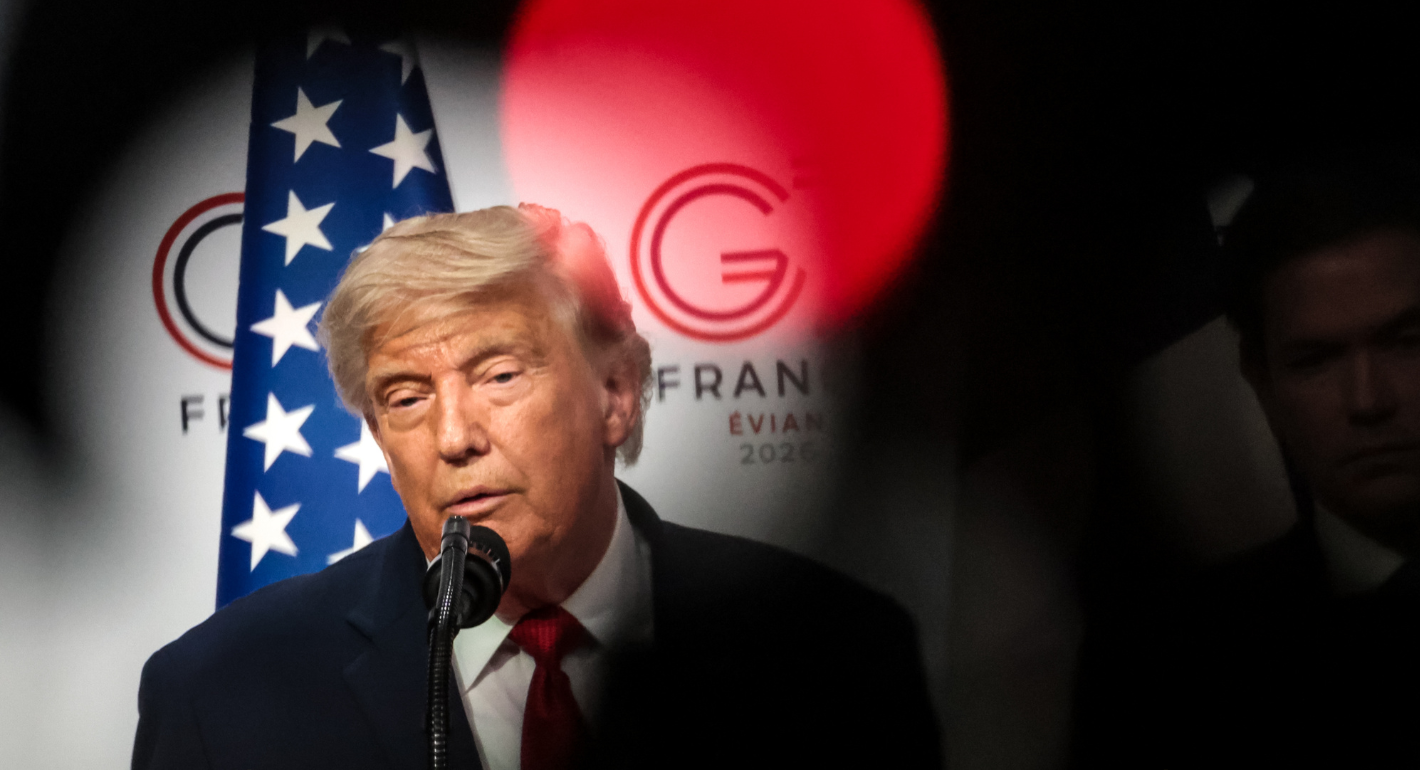
There is an elephant in the room when it comes to the EU’s upcoming security strategy: Donald Trump. Unless European leaders acknowledge the depth of the transatlantic crisis, true autonomy will remain out of reach.

Stefan Lehne
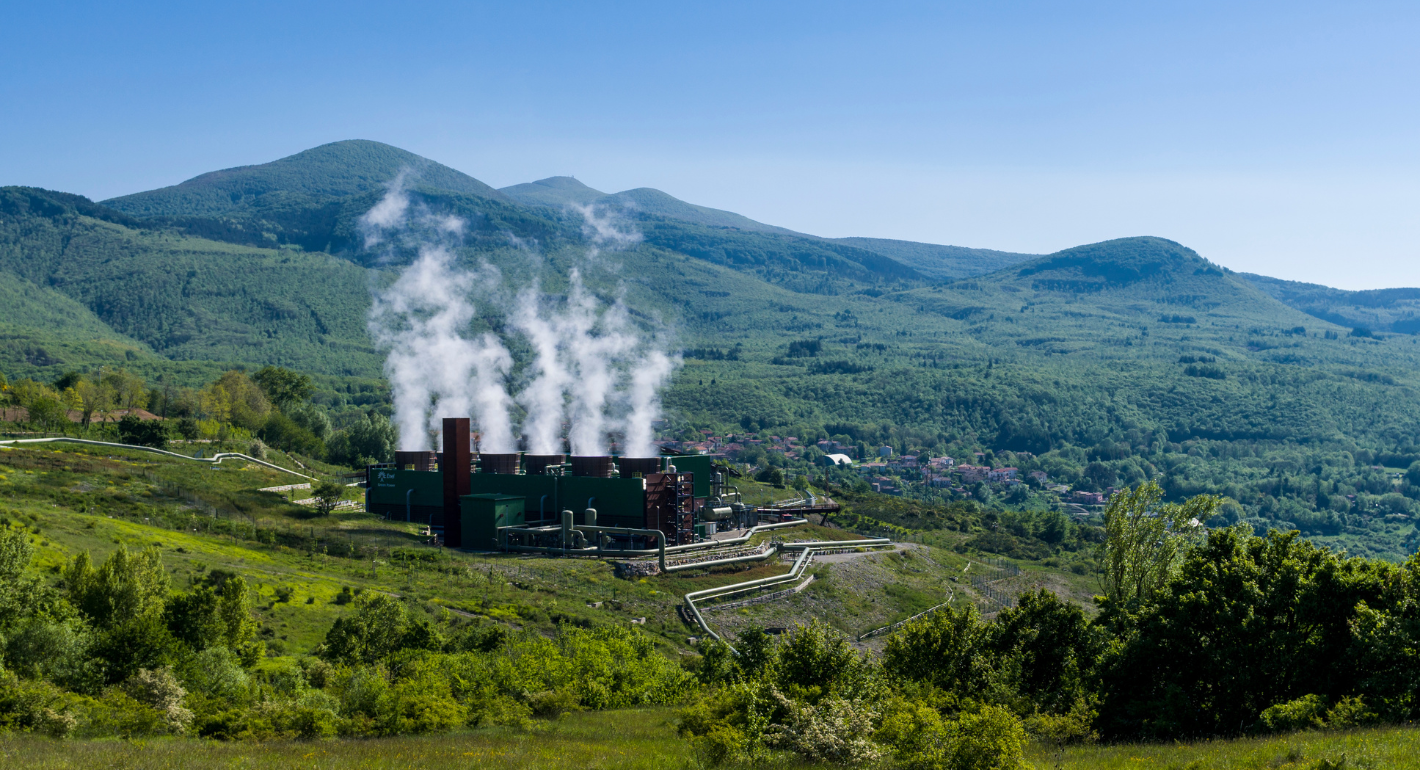
Europe’s industrial supply chains leave it vulnerable to global shocks. The EU needs a pragmatic green industrial strategy that balances durable partnerships and bolsters homegrown clean tech without sacrificing low-carbon ambition.


Milo McBride, Pauline Gerard
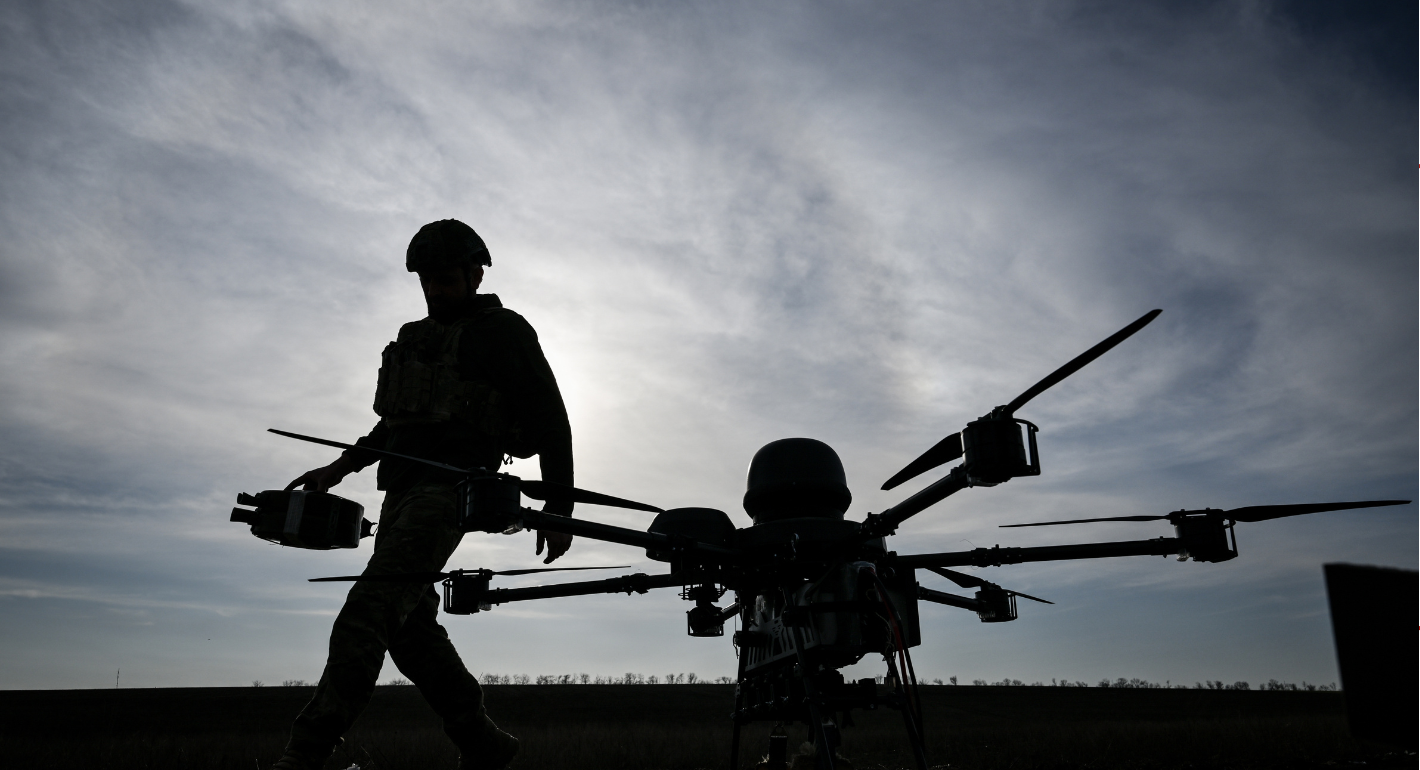
Defense tech innovations will be at the heart of Europe’s new security strategy. But so far, Brussels has been making moves without a broader plan, undermining readiness and credibility.

Raluca Csernatoni
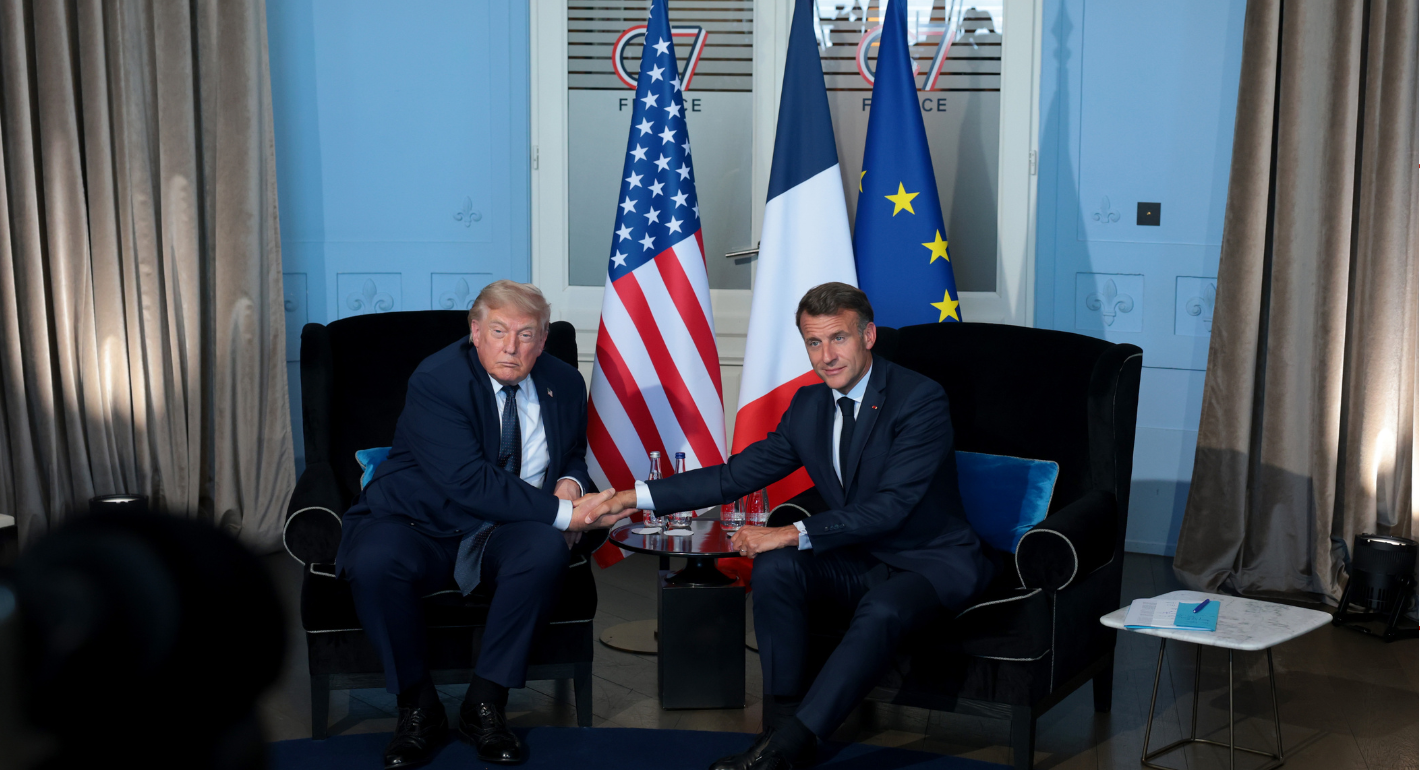
When the U.S.-Iran memorandum of understanding was announced, the UK, France, Germany, and Italy declared their readiness to help demine the Strait of Hormuz and lift nuclear sanctions on Tehran. But does Europe need new tools to recover a diplomatic role?

Rym Momtaz, ed.
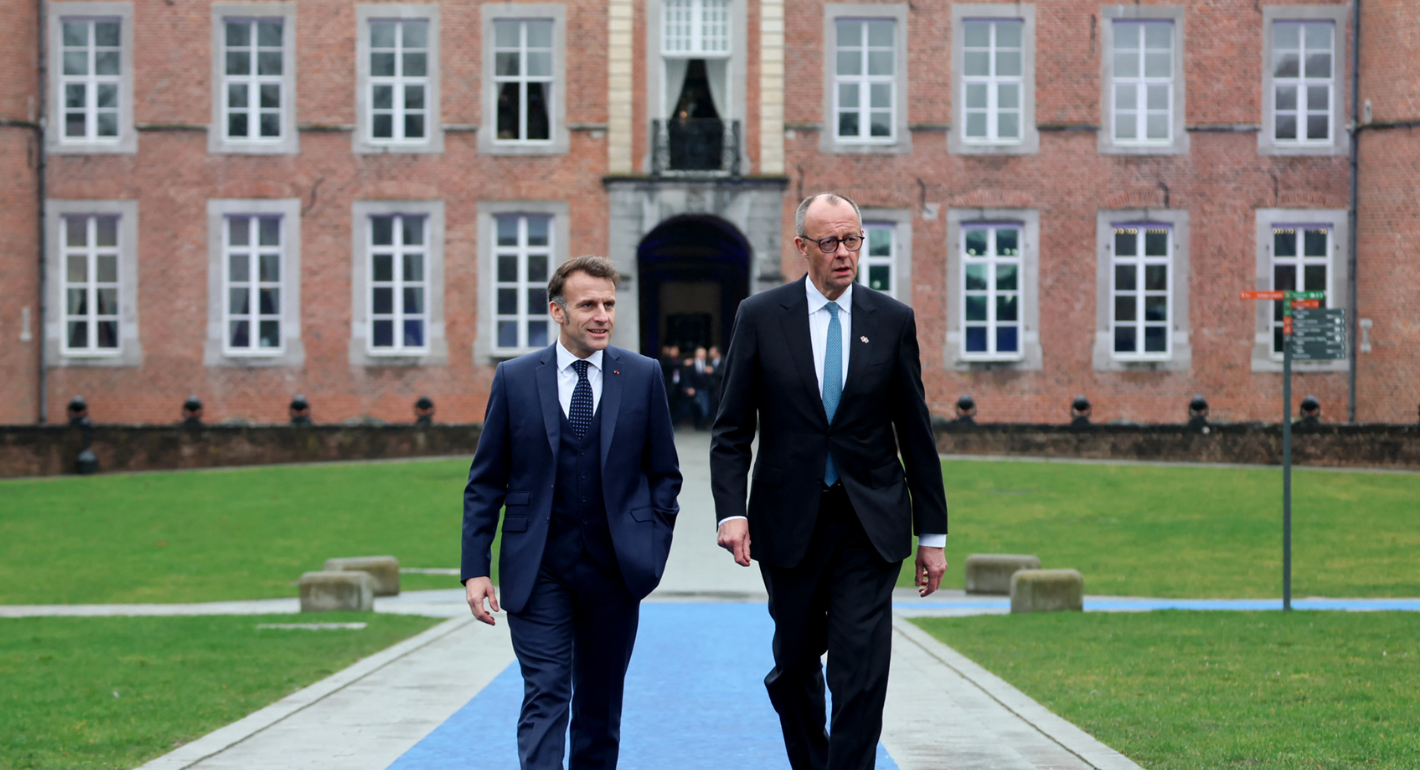
The Franco-German relationship is on the rocks again. But unlike previous moments of tension, the epochal changes on the world stage require that both step up investment in their bilateral ties.
Rym Momtaz