

Article
Marina Ottaway, Omar Hossino
{
  "authors": [
    "Marina Ottaway"
  ],
  "type": "legacyinthemedia",
  "centerAffiliationAll": "dc",
  "centers": [
    "Carnegie Endowment for International Peace"
  ],
  "collections": [],
  "englishNewsletterAll": "menaTransitions",
  "nonEnglishNewsletterAll": "",
  "primaryCenter": "Carnegie Endowment for International Peace",
  "programAffiliation": "MEP",
  "programs": [
    "Middle East"
  ],
  "projects": [],
  "regions": [
    "North America",
    "United States",
    "Middle East",
    "Iran",
    "Israel",
    "Iraq",
    "Lebanon",
    "Palestine",
    "Syria",
    "Qatar",
    "Saudi Arabia",
    "Yemen"
  ],
  "topics": [
    "Political Reform",
    "Democracy",
    "Security",
    "Foreign Policy"
  ]
}
Source: Getty
Arab regimes that have long been friendly to the United States are increasingly reluctant to follow Washington’s lead on any issue. They are not enemies of the United States, but they are not faithful allies, either. Rather, they follow the policies they believe best protect their interests, regardless of what the United States wants.
Source: Harvard International Review

Today the alignment of the Middle East is quite different, but not in the way the United States envisaged after the disappearance of the Soviet Union. The number of Arab governments truly antagonistic to the United States dwindled to almost none once Saddam Hussein was removed from power in early 2003 and Libya’s Muammar Qaddafi renounced the pursuit of nuclear weapons and turned to the West later that year. Even Syria and the Sudan would like to establish better ties to the United States. However, regimes that have long been friendly to the United States are increasingly reluctant to follow Washington’s lead on any issue. They are not enemies of the United States, but they are not faithful allies, either. Rather, they follow the policies they believe best protect their interests, regardless of what the United States wants.
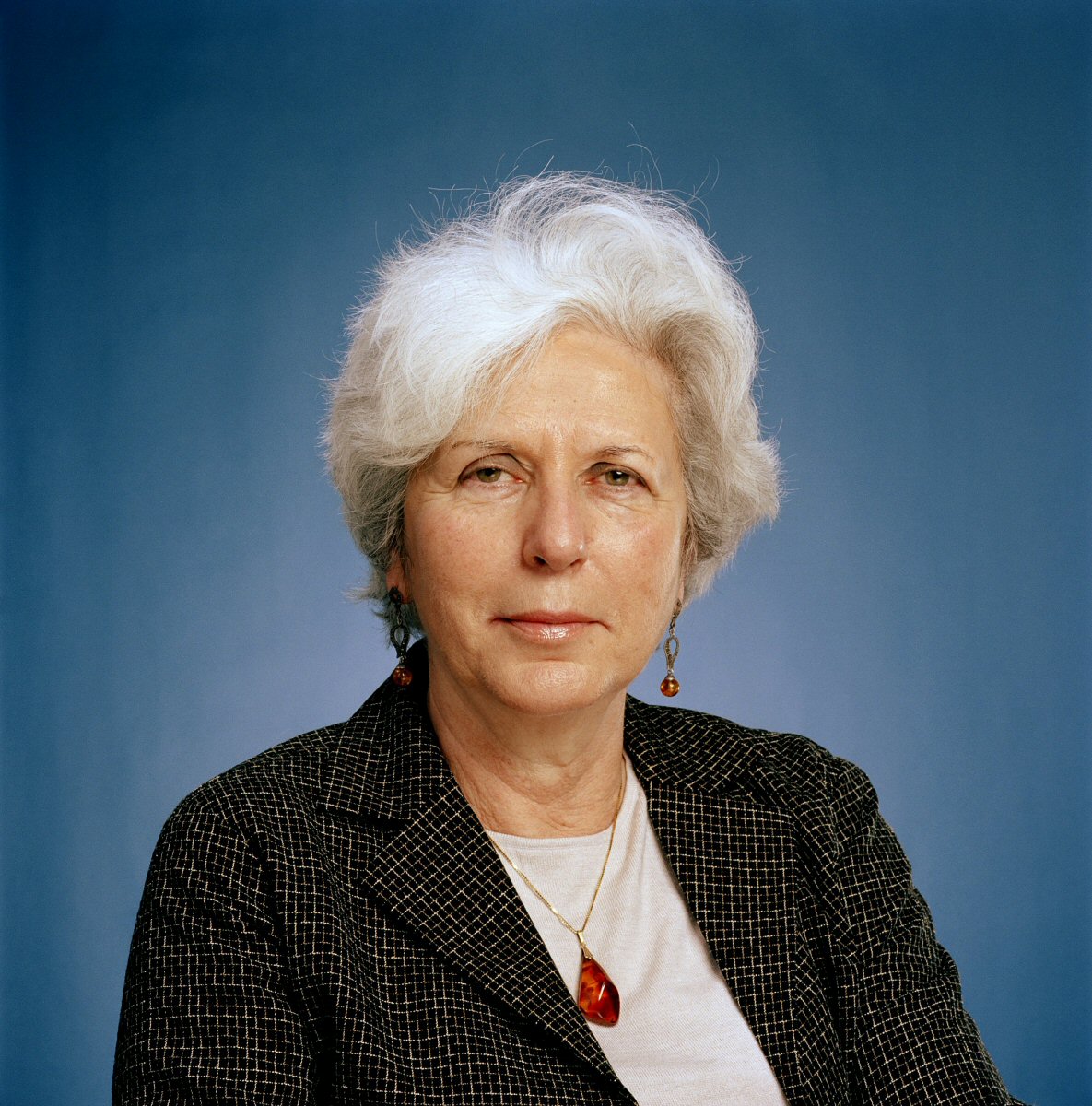
Former Senior Associate, Middle East Program
Before joining the Endowment, Ottaway carried out research in Africa and in the Middle East for many years and taught at the University of Addis Ababa, the University of Zambia, the American University in Cairo, and the University of the Witwatersrand in South Africa.
Recent Work
Marina Ottaway, Omar Hossino
Marina Ottaway
Carnegie does not take institutional positions on public policy issues; the views represented herein are those of the author(s) and do not necessarily reflect the views of Carnegie, its staff, or its trustees.

The EU can impose sanctions but struggles to enforce them without the United States. With Washington increasingly disinterested in backing European interests, the bloc must now fend for itself.


Nicu Popescu, Tiago Antunes

Russia is testing the waters of NATO’s mutual defense clause. What do strikes in Romanian territorial waters mean for the alliance’s posture toward Moscow?

Dimitar Bechev

With its public finances in shambles, the far right polling at 35 percent ahead of the 2027 presidential election, and a growing protest movement, is France’s crisis a threat to the EU’s geopolitical awakening?

Rym Momtaz, ed.

Ahead of a tough winter for Ukraine, Donald Trump’s swing back toward Russia bodes ill. But instead of panicking, Kyiv’s European allies are focusing on action.
Rym Momtaz

Funding Ukraine remains a priority for European leaders. As Russia’s war of aggression heads into another winter, two feasible options to mobilize support for Kyiv should be fast-tracked.


Vladyslav Rashkovan, Gregory P. Wilson