

Q&A
Eugene Rumer
{
  "authors": [
    "Eugene Rumer"
  ],
  "type": "legacyinthemedia",
  "centerAffiliationAll": "dc",
  "centers": [
    "Carnegie Endowment for International Peace",
    "Carnegie Europe",
    "Carnegie Russia Eurasia Center"
  ],
  "collections": [
    "Europe’s Eastern Neighborhood"
  ],
  "englishNewsletterAll": "ctw",
  "nonEnglishNewsletterAll": "",
  "primaryCenter": "Carnegie Endowment for International Peace",
  "programAffiliation": "russia",
  "programs": [
    "Russia and Eurasia",
    "Europe"
  ],
  "projects": [],
  "regions": [
    "Russia",
    "Eastern Europe",
    "Ukraine",
    "Europe",
    "Iran"
  ],
  "topics": [
    "Security",
    "Foreign Policy"
  ]
}
Source: Getty
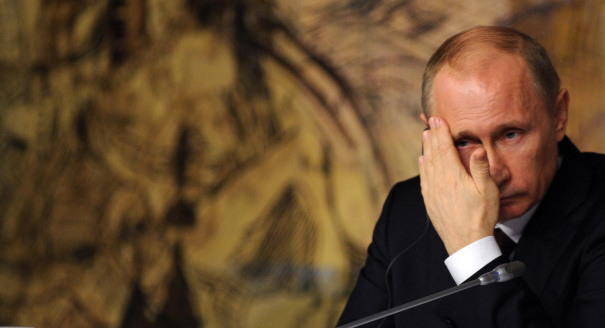
Putin may yet find out what many others found out before him, that breaking a country is a lot easier than putting it back together.
Source: Financial Times
Russian President Vladimir Putin’s request for a Russian-style War Powers resolution to use Russian troops in Ukraine has put him on the brink of a direct military intervention in Ukraine.
It is also the one step that many in the West, as well as some in Russia, had hoped he was too pragmatic to take. One can still wish that the resolution is just another step on the escalation ladder, and that Putin the pragmatist does not intend to launch full-scale military invasion of Ukraine. But that would be old thinking. We need to rethink our understanding of Putin’s pragmatism now that he has taken ownership of the situation and positioned himself to plunge deeper into the crisis.
Even a few days ago, the idea of Russian troops marching into Ukraine seemed like a nightmare scenario unlikely to happen. Surely, we thought, Putin is too rational a politician keenly aware of the risks – military, economic, reputational – to invade Ukraine; Putin would not want to get involved in the mess that Ukrainian politics has become because he and Yanukovych famously do not get along. He knows that even in the Russian-leaning Crimea there are more than 200,000 Crimean Tatars who are opposed to Crimean separatism and want to remain in Ukraine. Putin would not want another Cold War-like confrontation with the West, when the Russian economy is slowing to a crawl, and when he has been warned sternly against interfering in Ukraine.No doubt, Putin is aware of all that. But he appears to follow a different logic. He has lost Ukraine before. During the “Orange revolution” of 2004, Moscow heavy-handed interference backfired and mobilised millions of Ukrainians to choose the path of reform and pursuit of integration with the West. In 2013, Ukraine saw the repeat of that scenario, when Moscow again turned the heat on Kyiv not to sign the Association Agreement with the European Union. Pressured by Moscow, Yanukovych backed away from the deal, but in doing so triggered another revolution. Evidently, Putin is not prepared to lose Ukraine again, especially after he has made it the cornerstone of his foreign policy to bring the former Soviet states back to Russia’s orbit and bet a $22 billion aid package to hold on to Yanukovych and Ukraine.
Putin may not be able to keep Ukraine, but he can keep it from joining the West. He may not need to invade it if a combination of a special forces-type action like the one in Crimea and Russian-inspired domestic turmoil in Russian-leaning cities such as Kharkiv and Donetsk is enough to sink his hooks deeper into Ukraine. It is a dangerous game, but Putin seems to think that a broken Ukraine is better than an independent Ukraine.
What about the risks – military, economic, reputational? The stern warnings from Washington and other Western capitals to respect Ukraine’s sovereignty and territorial integrity contained no concrete indication of what the West might do. The West seems to cling to the fiction that Ukraine’s sovereignty has not been violated despite reports of Russian military planes ferrying troops to Crimea.
Putin has seen it all before. “To begin to repair its relations with the United States and Europe and other nations and to begin restoring its place in the world, Russia must respect the freedom of its neighbours,” said President George W Bush as Russian troops crushed the Georgian army in August 2008. “Russian aggression must not go unanswered, and . . . its continuation would have serious consequences for its relations with the United States,” warned Vice-president Dick Cheney. In July 2009, President Obama and Russian President Dmitry Medvedev met in Moscow to inaugurate the “reset.”
As to economic risks, Putin is prepared to handle them with half a trillion dollars in foreign currency reserves, some $200bn in reserve funds, and the price of oil likely to spike as it often does at times of international tensions. After two decades of discussions with foreign governments about attracting more foreign investments to Russia, Putin probably knows that governments have little say in private companies’ investment decisions. Trade embargoes, financial sanctions – the West could not agree on those during the Cold War, and Putin probably thinks these are even less likely now.
The greatest risk Putin is facing is military. He probably is not worried about NATO’s response. But he has positioned himself to intervene in Ukraine, and having raised the stakes may have a hard time backing away. Militarily, the task of sinking Russian hooks into Ukraine or breaking it is simple. The task of putting it back together and putting down the crisis will be much harder if it continues to escalate and real fighting breaks out between Kyiv’s forces and the separatists. Putin may yet find out what many others found out before him – that breaking a country is a lot easier than putting it back together.
This article was originally published in the Financial Times.
Director and Senior Fellow, Russia and Eurasia Program
Rumer, a former national intelligence officer for Russia and Eurasia at the U.S. National Intelligence Council, is a senior fellow and the director of Carnegie’s Russia and Eurasia Program.
Recent Work
Eugene Rumer
Eugene Rumer
Carnegie does not take institutional positions on public policy issues; the views represented herein are those of the author(s) and do not necessarily reflect the views of Carnegie, its staff, or its trustees.
Europe’s industrial supply chains leave it vulnerable to global shocks. The EU needs a pragmatic green industrial strategy that balances durable partnerships and bolsters homegrown clean tech without sacrificing low-carbon ambition.

Milo McBride, Pauline Gerard
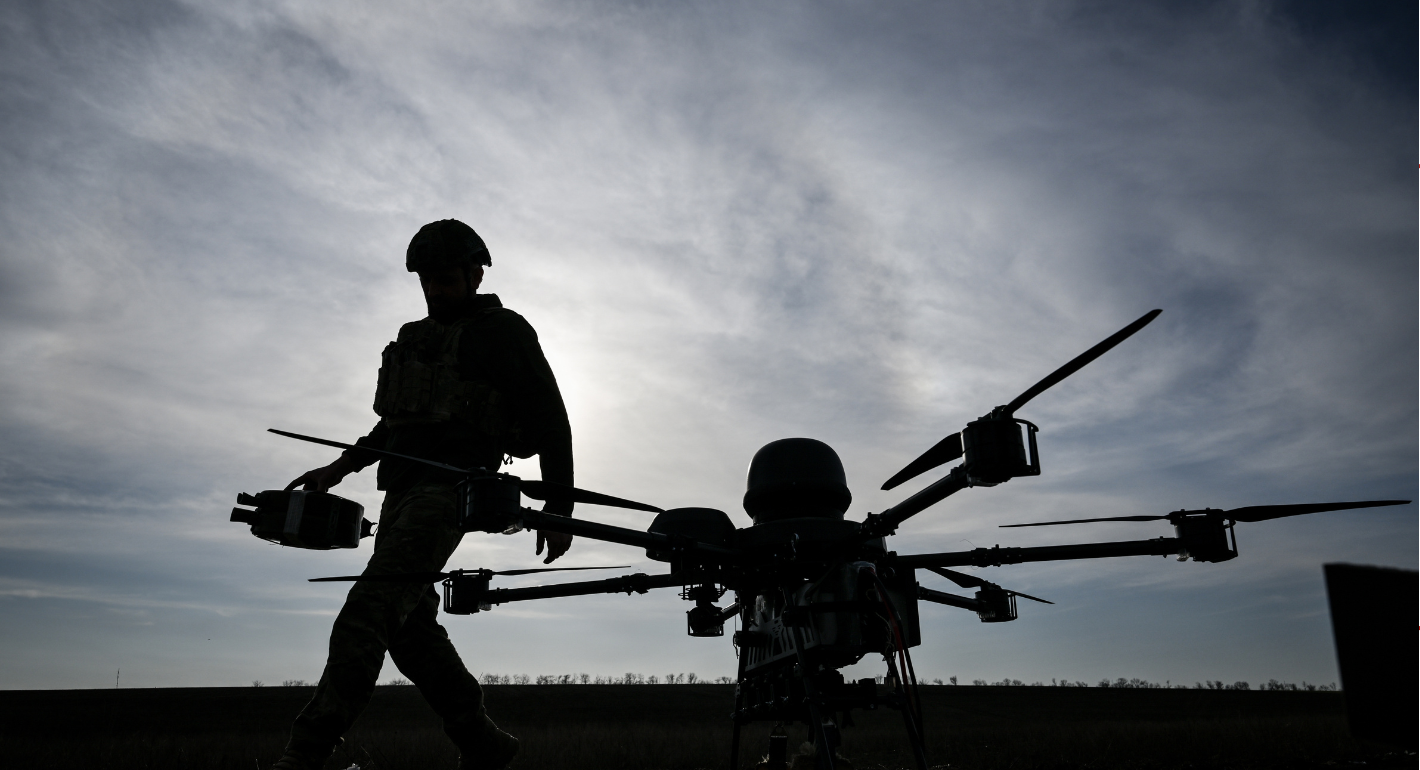
Defense tech innovations will be at the heart of Europe’s new security strategy. But so far, Brussels has been making moves without a broader plan, undermining readiness and credibility.

Raluca Csernatoni
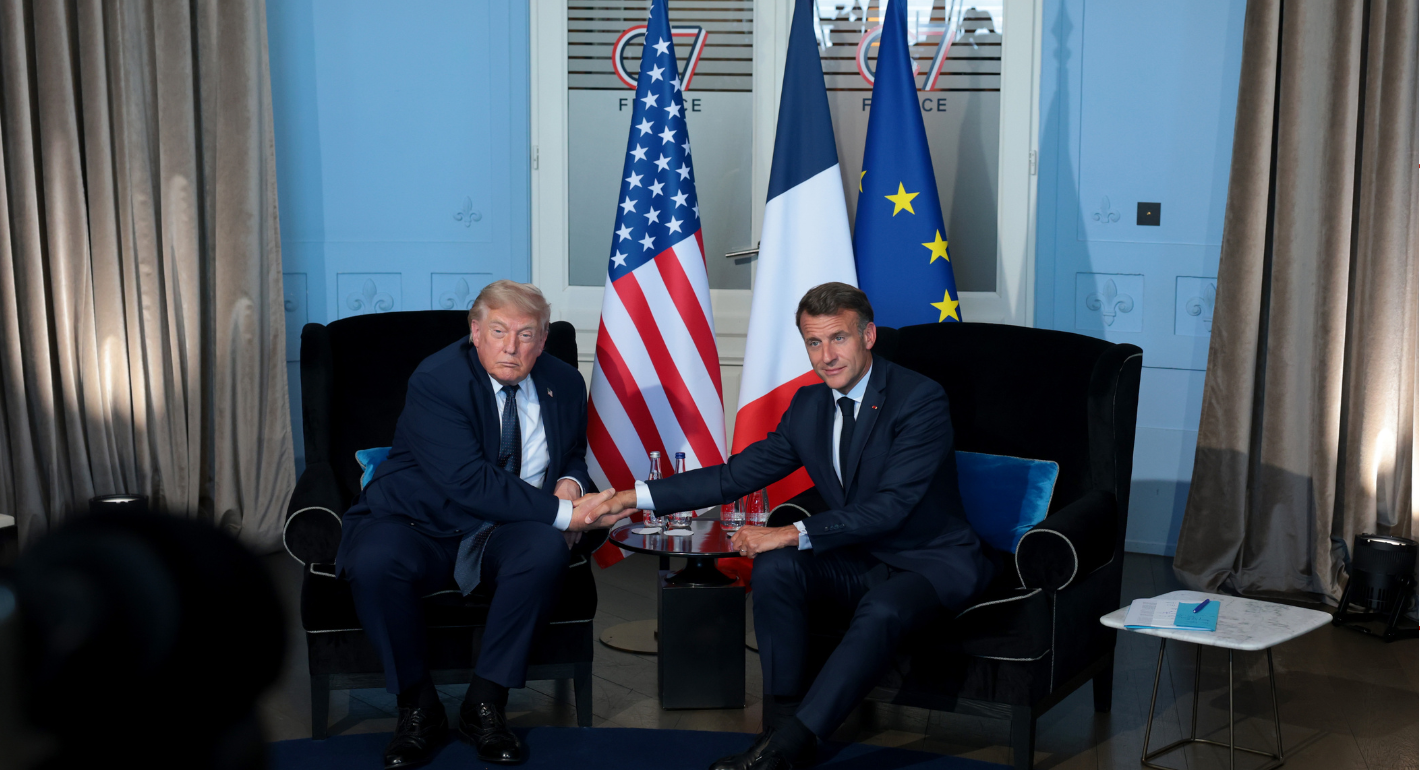
When the U.S.-Iran memorandum of understanding was announced, the UK, France, Germany, and Italy declared their readiness to help demine the Strait of Hormuz and lift nuclear sanctions on Tehran. But does Europe need new tools to recover a diplomatic role?

Rym Momtaz, ed.
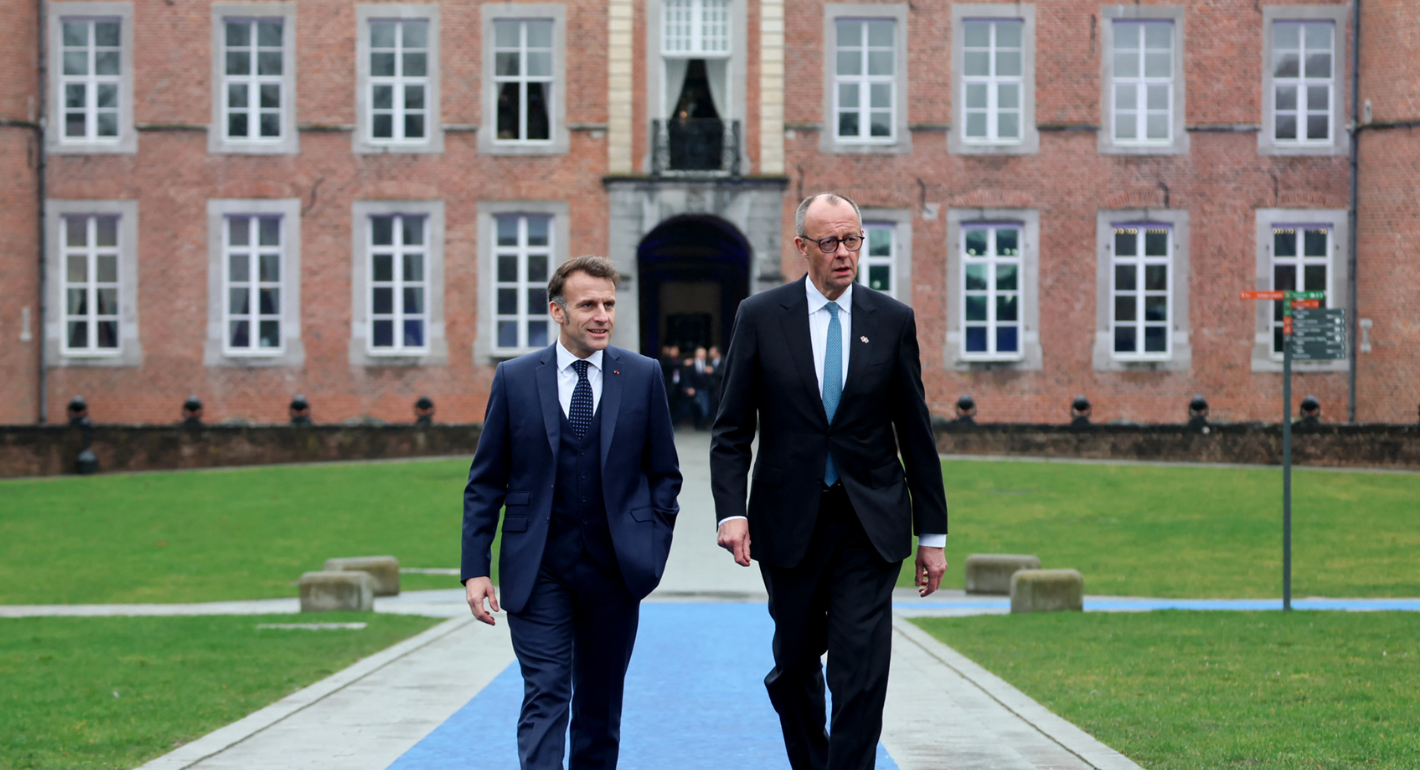
The Franco-German relationship is on the rocks again. But unlike previous moments of tension, the epochal changes on the world stage require that both step up investment in their bilateral ties.
Rym Momtaz

As geopolitical rivalry weaponizes global supply chains, the EU’s true vulnerability lies in emerging-risk imports. For these goods, suppliers are growing more concentrated, substitution more difficult, and political risk is looming.

Sinan Ülgen