

Commentary
- +1
Paul Haenle, Xue Gong, Ngeow Chow Bing, …
Source: Getty
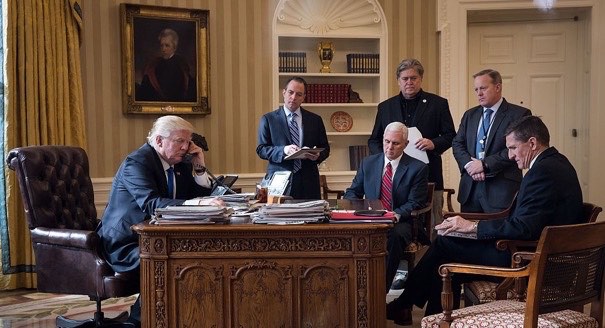
Trump needs to look beyond illusory bargains with Russia and China and instead develop clear-eyed frameworks to manage bilateral disagreements and make progress on common policy objectives based on U.S. national security interests.
In the realm of great-power diplomacy, few grand bargains have been more consequential for the United States than former president Richard Nixon’s opening to China in 1972. At the time, Beijing and Washington were driven toward rapprochement by a common foe: the Soviet Union. More than four decades later, President Donald Trump has expressed a similar desire to renew relations with old adversaries—most notably, Russia. He believes there are geopolitical “deals” to be reached through artful negotiations, but in reality, U.S. national security interests would be best served by more sustainable policy frameworks.
In February 2017, the Carnegie-Tsinghua Center convened leading experts from China, Russia, and the United States for its fourth annual Global Dialogue. The discussions focused on two of the biggest diplomatic wagers of Trump’s presidency thus far: his embrace of Moscow and his hardball with Beijing. The group—comprising experienced former policymakers— concluded that Trump’s desired grand bargains are illusory; not only do they ignore historical complexities and conflicting interests, but they would also come at a significant price. Rather than setting “unrealistic expectations of a breakthrough” in relations with China or Russia, the new U.S. administration should develop a framework to carefully manage inevitable disagreements, systematically advance U.S. interests, and robustly defend American values and principles.
During his presidential campaign, Trump repeatedly signaled his interest in forging a new détente with Russian President Vladimir Putin. Trump’s main premise for getting along with Russia was that Moscow could serve as a partner in U.S. efforts to fight the self-proclaimed Islamic State in Syria. Yet many experts, including William Burns, president of the Carnegie Endowment for International Peace and former U.S. ambassador to Russia, have cautioned against these “superficially appealing notions,” noting that Moscow’s primary aim in Syria is to prop up the brutal regime of President Bashar al-Assad—and that, in fact, Russian military action in the region has served only to exacerbate the threat posed by extremist groups.Beyond these incompatible objectives, enhanced U.S.-Russia cooperation would be difficult to operationalize. The countries have a poor track record of working together on counterterrorism operations because of the lack of trust between the two governments and the fundamental disagreement among policymakers on the root causes of terrorism and how to address them. For the two militaries to collaborate, they would need to share information, and top U.S. generals and intelligence officials are opposed to taking this step.
Above all, Americans should be wary of a U.S.-Russia détente because the Kremlin is attempting to compel Washington to deal with Russia on its own terms. In doing so, Putin hopes to prevent residual Western anger about the conflict in Ukraine from derailing other aspects of the U.S.-Russia relationship. The Trump administration should base its approach to Russia on U.S. national security interests, not on what will placate Moscow.
As for China, president-elect Trump made waves when he accepted a phone call from Taiwan’s President Tsai Ing-wen and subsequently questioned why the United States should be bound by its One China policy unless Beijing were to make concessions on trade and other issues. The insinuation was that Trump was prepared to use the fate of the 23 million people in Taiwan as a bargaining chip to negotiate stronger Chinese assistance on resolving the North Korean nuclear issue or to rebalance the U.S.-China economic relationship.
While Trump was right to search for leverage in the U.S. relationship with China, the U.S. One China policy was the wrong place to look. The policy, which includes three joint U.S.-China communiqués and the Taiwan Relations Act, has allowed the United States to have diplomatic relations with the People’s Republic of China since 1979, even while Washington maintains a full range of cultural, commercial, and other unofficial ties with Taiwan. The policy also provides for U.S. defense cooperation with and arms sales to Taiwan, which has contributed to peace and stability across the Taiwan Strait for several decades. Under this framework, moreover, the United States has advanced democratic and economic interests in the region: Taiwan has transitioned into a vibrant democracy and become the United States’ tenth largest trading partner.
Trump learned quickly that the U.S. One China policy was not a “chip” on the bargaining table—it was the table itself. Without its reaffirmation, U.S.-China relations quickly ground to a halt and Taiwan grew uneasy as its international space was constrained. As Trump acknowledged implicitly in his phone call with Chinese President Xi Jinping, the policy is profoundly in the interest of the United States and trading it away for pledges of Chinese assistance on North Korea, trade, or other matters would be a bad deal for a president looking to achieve “peace through strength.”
U.S. relationships with Russia and China contain elements of cooperation, competition, and sometimes even confrontation. While there are some areas of common concern, many conflicting interests and opposing views also exist. No grand bargain can fundamentally alter this reality.
As Trump assembles a National Security Council comprising some of the United States’ most respected and experienced strategists, military advisers, and policymakers—including Lieutenant General H. R. McMaster and U.S. Secretary of Defense James Mattis—the administration has an opportunity to look beyond the mirage of a great deal toward policy frameworks that better manage these complex relationships and serve the long-term interests of U.S. national security. If U.S. leaders can identify ways to narrow differences, robustly defend the country’s interests, and cooperate on common objectives, the United States will have greater success in advancing its foreign policy agenda in this new era.

Former Maurice R. Greenberg Director’s Chair, Carnegie China
Paul Haenle held the Maurice R. Greenberg Director’s Chair at the Carnegie Endowment for International Peace and is a visiting senior research fellow at the East Asian Institute, National University of Singapore. He served as the White House China director on the National Security Council staffs of former presidents George W. Bush and Barack Obama.
Recent Work


Paul Haenle, Xue Gong, Ngeow Chow Bing, …

Paul Haenle, Chong Ja Ian
Carnegie does not take institutional positions on public policy issues; the views represented herein are those of the author(s) and do not necessarily reflect the views of Carnegie, its staff, or its trustees.
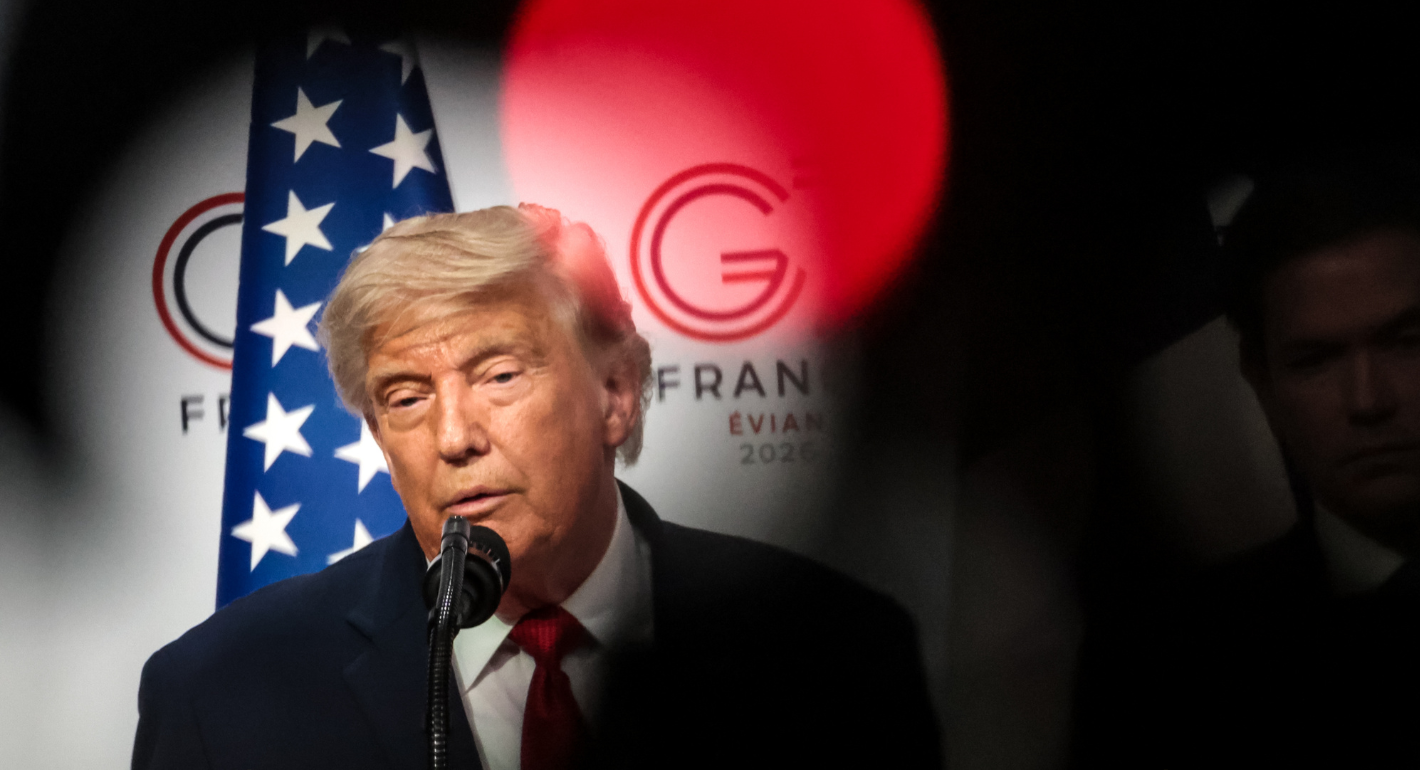
There is an elephant in the room when it comes to the EU’s upcoming security strategy: Donald Trump. Unless European leaders acknowledge the depth of the transatlantic crisis, true autonomy will remain out of reach.

Stefan Lehne

Europe’s industrial supply chains leave it vulnerable to global shocks. The EU needs a pragmatic green industrial strategy that balances durable partnerships and bolsters homegrown clean tech without sacrificing low-carbon ambition.


Milo McBride, Pauline Gerard
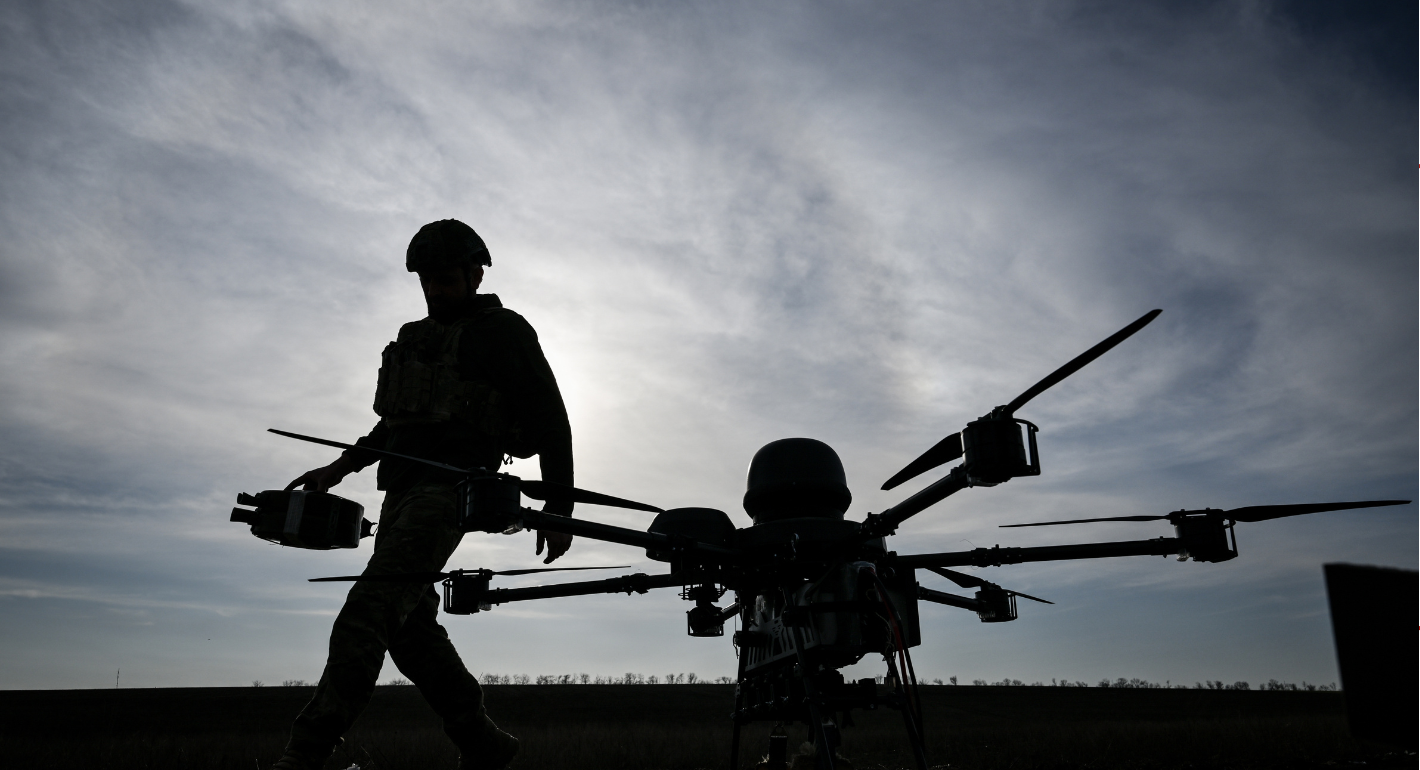
Defense tech innovations will be at the heart of Europe’s new security strategy. But so far, Brussels has been making moves without a broader plan, undermining readiness and credibility.

Raluca Csernatoni
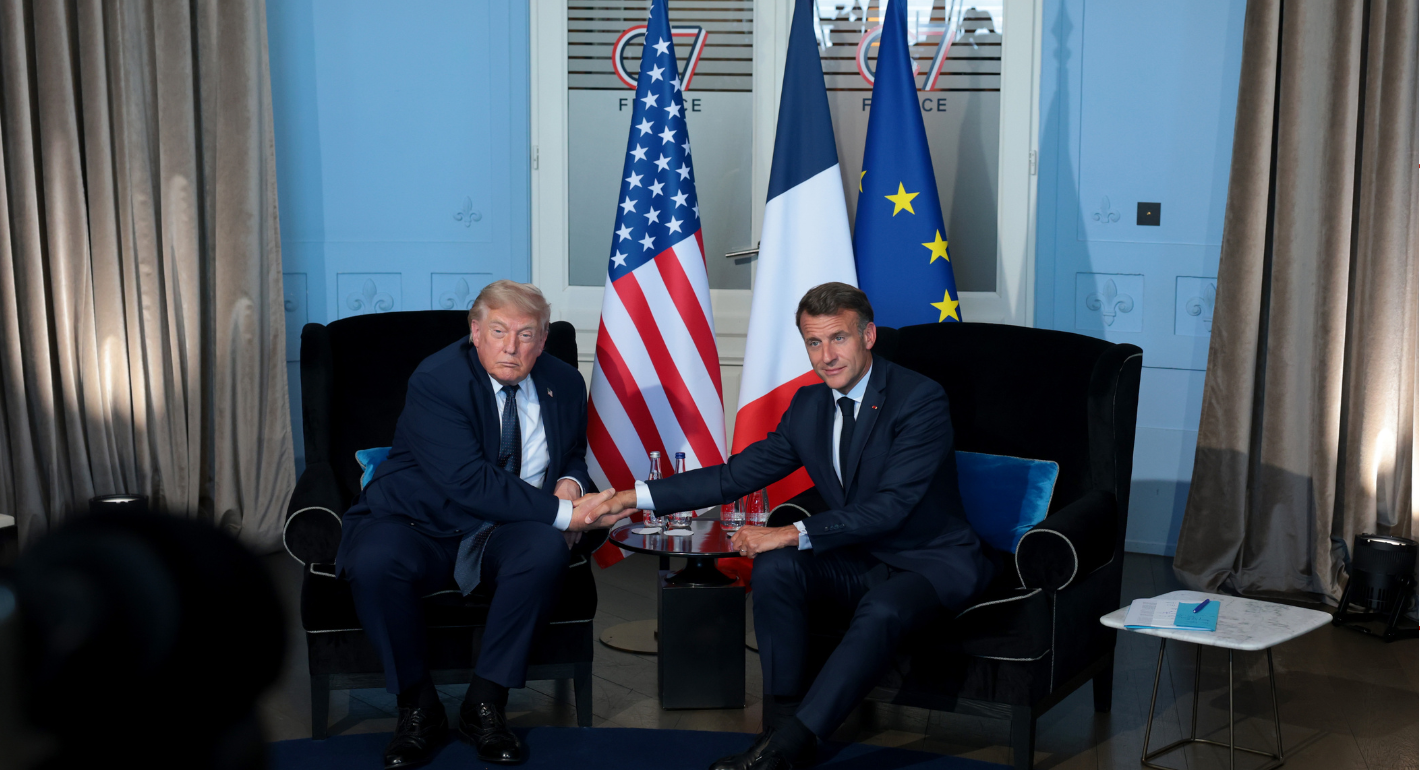
When the U.S.-Iran memorandum of understanding was announced, the UK, France, Germany, and Italy declared their readiness to help demine the Strait of Hormuz and lift nuclear sanctions on Tehran. But does Europe need new tools to recover a diplomatic role?

Rym Momtaz, ed.
The Franco-German relationship is on the rocks again. But unlike previous moments of tension, the epochal changes on the world stage require that both step up investment in their bilateral ties.
Rym Momtaz