

Commentary
Nathalie Tocci, Jan Techau
{
  "authors": [
    "Jan Techau"
  ],
  "type": "commentary",
  "blog": "Strategic Europe",
  "centerAffiliationAll": "",
  "centers": [
    "Carnegie Endowment for International Peace",
    "Carnegie Europe"
  ],
  "collections": [],
  "englishNewsletterAll": "",
  "nonEnglishNewsletterAll": "",
  "primaryCenter": "Carnegie Europe",
  "programAffiliation": "",
  "programs": [],
  "projects": [],
  "regions": [
    "Western Europe",
    "Europe"
  ],
  "topics": [
    "Security",
    "EU"
  ]
}
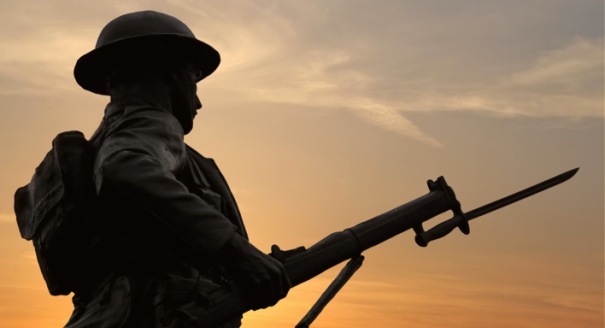
Source: Getty
Almost a century on, World War I still offers valuable lessons for Europeans. If the EU wants to keep the peace at home, it needs to become a bigger force for peace abroad.
Ninety-five years ago today, the First World War ended with the signing of an armistice in Compiègne, France. For Belgium, home to Carnegie Europe, and for many other nations in Europe and elsewhere, November 11 is a national holiday.
What does this date mean for Strategic Europe? What meaningful lessons can the European meat grinder of 1914–1918 offer for the Europe of 2013?
In today’s political debates, World War I has been almost completely supplanted by World War II. That is understandable. Enough people are still alive to remember the latter conflict; and for those born thereafter, World War II’s principal outcomes—the Holocaust, the division of Europe, and the Cold War—are the dominant, formative building blocks of collective memory and identity. For younger citizens, World War I is not history, it’s prehistory.
But that is a treacherous readjustment of memory that cuts Europeans off from groundbreaking events that left a deep and lasting mark on the continent.
World War I killed off four empires—the German, Austrian, Russian, and Ottoman—and fatally exhausted a fifth—the British. The aftershocks of the war still reverberate today in the Balkans, in Europe’s Eastern neighborhood, in the Middle East, and in Northern Africa. The chaos generated by dying empires casts a long shadow that still hangs over Europe.
Europeans should remember that when they speculate about the end of the rather benevolent American empire, or the rise of perhaps a less benevolent Chinese one. Imperialism is over, and its appeal has faded. But the order that empire brings is still in high demand.
Some observers have called the European Union a friendly empire. There is much truth in that, provided you are willing to define “empire” as broadly as possible. Speculations about this empire’s looming collapse abound as well. The EU is Europe’s postimperial empire, and in an increasingly shaky division of labor with the North Americans, the bloc provides continental order in an unprecedented way. On the day that marks the end of the nineteenth-century world order, Europeans should think about the coalition of benevolent empires that keep them safe and affluent.
Today’s commemoration also provides a chance to ponder the meaning of war for Europeans today. Thanks to the EU and the United States, war among European nations is now a distant memory—with the exception of the Balkans. As a consequence, the old narrative of European integration as a guarantee against conflict among Europeans no longer commands wide understanding. Indeed, the real meaning of war today is not about intra-European relations; it is about what happens outside Europe’s borders. Georgia, Syria, Libya, Somalia, and Mali are reminders of that.
The EU’s peace narrative today is about Europe’s external relations. In a globalized world in which Europe’s well-being, economic development, homeland security, and social cohesion depend on what goes on beyond its borders, the continent will not be at peace if the planet is not at peace. Events in the South China Sea, the Sahel, the Korean Peninsula, Ukraine, and elsewhere matter for Europe.
If Europe wants to keep the peace at home, it needs to become a bigger, more powerful force for peace abroad. The EU needs smarter trade agreements, revolutionized development aid, tougher neighborhood policies, and more security and defense capabilities. Foreign policy is now a vital element in the EU’s peace narrative. Anybody looking for a new sales pitch for the EU should not dismiss that idea hastily.
Finally, remembering war—especially World War I—of course means reflecting on the terrible toll it takes, and the utter senselessness of it all. What drives Europeans’ collective thoughts on November 11 is the sheer terror of war: hundreds of thousands of young men rotting away for years in soggy trenches, towns bombed out, civilians killed, women raped, hunger, disease, and the banality of how little it takes to wipe out a life. The horror show induces sadness and anger, but also fascination.
Yet what never induces nearly enough fascination is what it takes to prevent such carnage from happening again: the tedious forging of compromises among nations, the bureaucratic dullness of much of international politics, the endless hours spent at the negotiating table.
As Europeans, we often look at institutions such as the EU, NATO, and the UN with disdain. We are outraged by the costs of war, but we are even more outraged by the costs of peace. We think our militaries can be hollowed out much further. And we increasingly think that solutions to global challenges are best found at home, and that the world out there is a mere distraction.
On November 11, it is worth remembering that the investments involved in preserving peace in Europe are peanuts compared to the price of war. In terms of value for money, the EU is a bargain. So too is NATO. Even the largely dysfunctional UN is, on balance, a cheap asset. Today’s anniversary can still offer quite a few political lessons. Unfortunately, they are all about hard work.

Director, Europe Team, Eurasia Group
Techau is director with Eurasia Group's Europe team, covering Germany and European security from Berlin. Previously, he was director of Carnegie Europe.
Recent Work

Nathalie Tocci, Jan Techau
Jan Techau
Carnegie does not take institutional positions on public policy issues; the views represented herein are those of the author(s) and do not necessarily reflect the views of Carnegie, its staff, or its trustees.
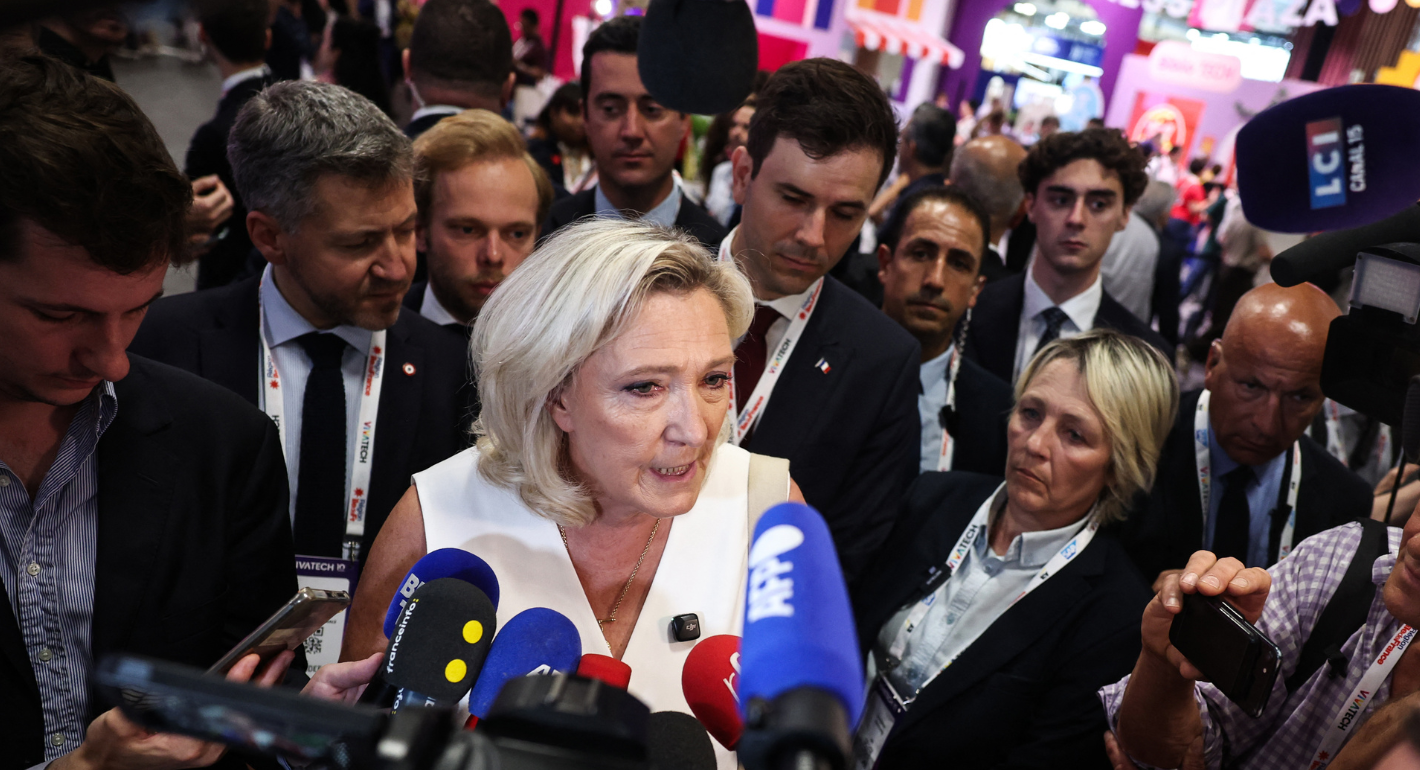
Far-right leader Marine Le Pen can—and will—run in France’s next presidential election. What does the outcome of her appeal against a 2025 embezzlement conviction mean for the country’s political future?

Catherine Fieschi
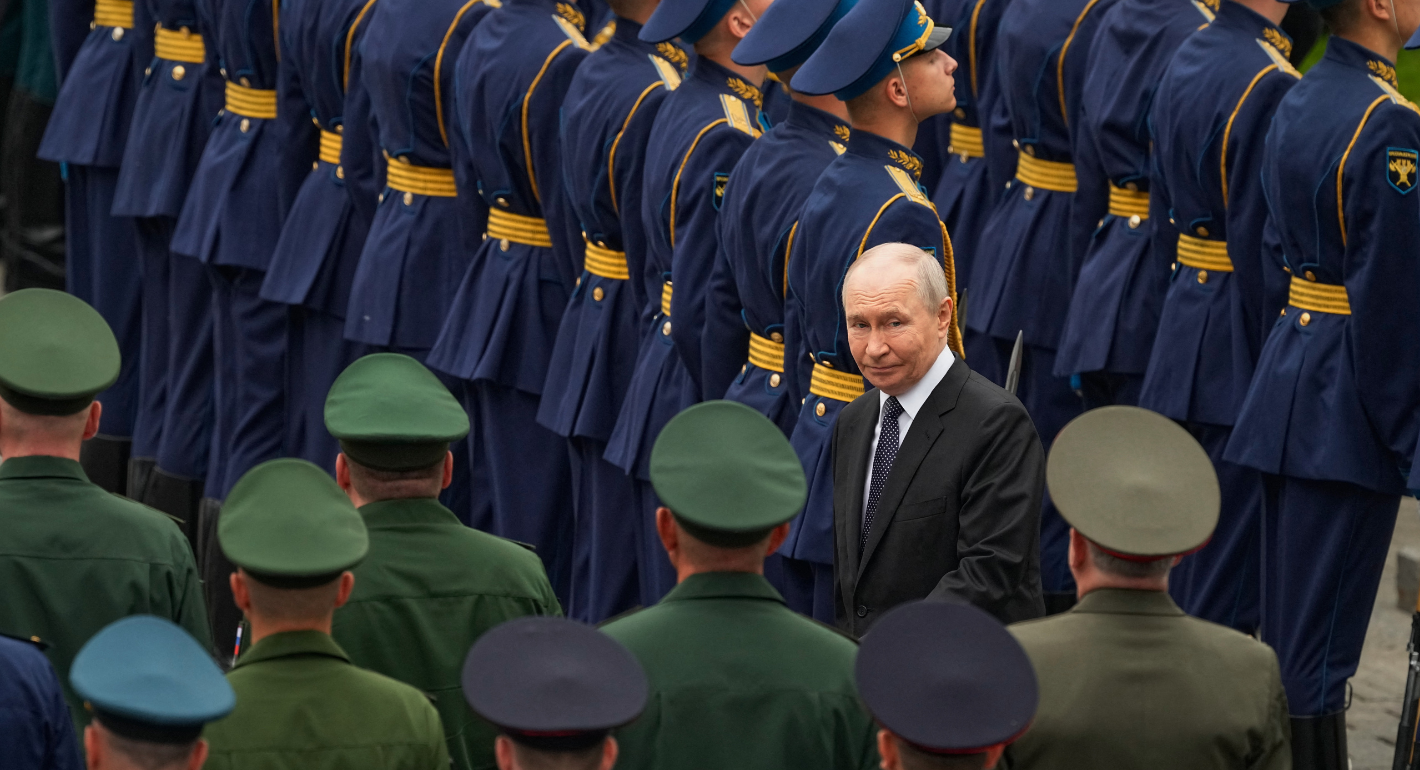
While Russia is not ready to sue for peace on Europe’s terms, it could still either seek a ceasefire in Ukraine or try escalation. Brussels needs to prepare for both and prioritize that preparation over normative discussions.
Kadri Liik
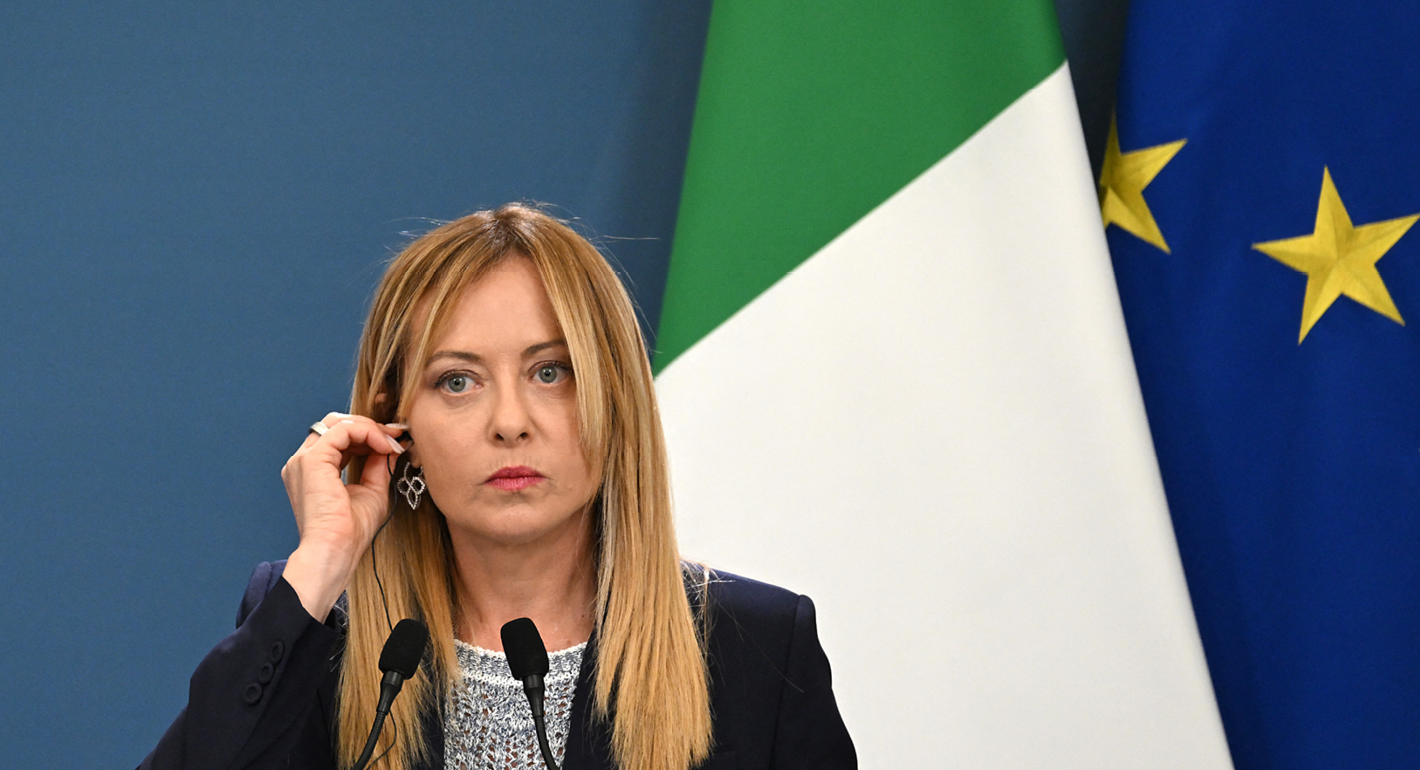
When Giorgia Meloni very publicly rebuked Donald Trump’s disparaging remarks about her, it surprised many who saw her as a European extension of Trumpism. Is the spat a sign of trouble in the radical right’s transatlantic axis?

Rym Momtaz, ed.
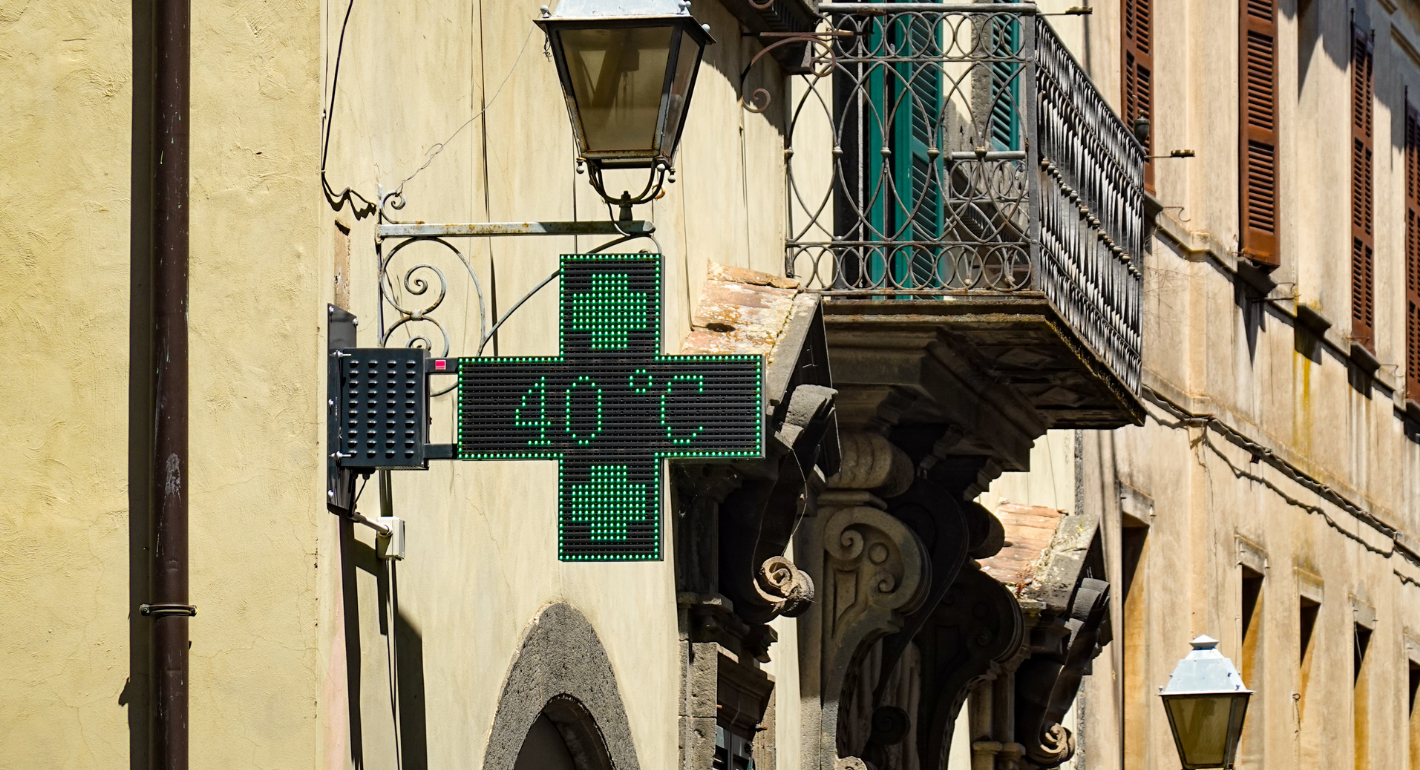
Western Europe’s dual-use infrastructure melted down during its latest heat wave. If a predicted hot weather event can take the continent by surprise, what chance does it have to withstand unexpected geopolitical crises?
Rym Momtaz
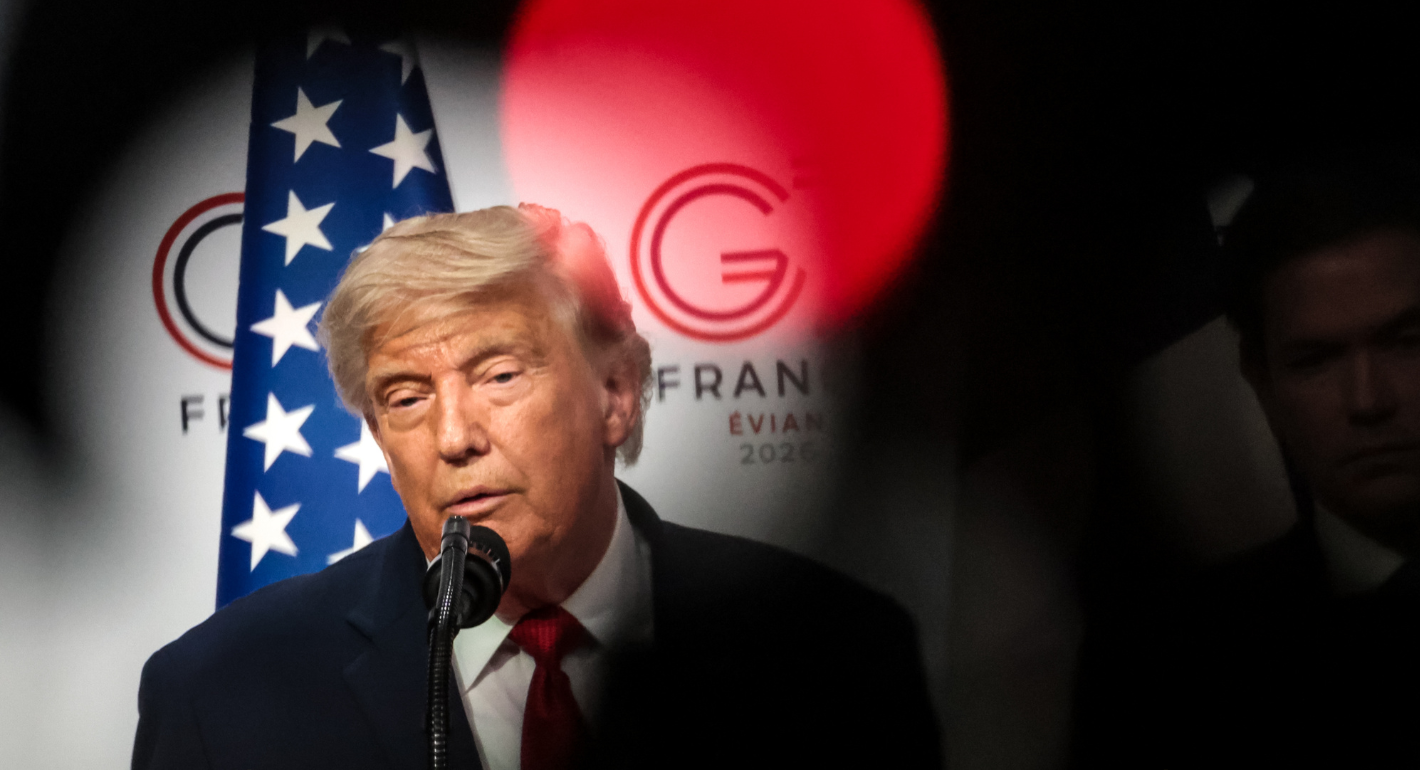
There is an elephant in the room when it comes to the EU’s upcoming security strategy: Donald Trump. Unless European leaders acknowledge the depth of the transatlantic crisis, true autonomy will remain out of reach.

Stefan Lehne