

Commentary
Judy Dempsey
{
  "authors": [
    "Judy Dempsey"
  ],
  "type": "commentary",
  "blog": "Strategic Europe",
  "centerAffiliationAll": "",
  "centers": [
    "Carnegie Endowment for International Peace",
    "Carnegie Europe"
  ],
  "collections": [
    "Europe’s Eastern Neighborhood",
    "EU Integration and Enlargement"
  ],
  "englishNewsletterAll": "",
  "nonEnglishNewsletterAll": "",
  "primaryCenter": "Carnegie Europe",
  "programAffiliation": "",
  "programs": [],
  "projects": [],
  "regions": [
    "Russia",
    "Europe",
    "Eastern Europe",
    "Caucasus",
    "Western Europe"
  ],
  "topics": [
    "Foreign Policy",
    "EU"
  ]
}
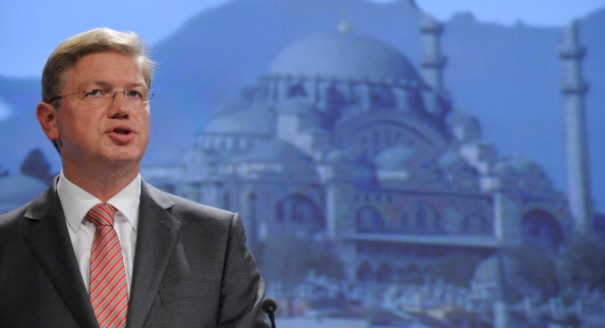
Source: Getty
Whatever happens at today’s Vilnius summit, EU Enlargement Commissioner Štefan Füle believes that the prospect of membership is the most transformative instrument the EU has.
Over the past several months, Štefan Füle has been preoccupied with one big event: today’s Eastern Partnership summit in Vilnius.
A Czech national, the EU’s enlargement commissioner knows how difficult it is to transform societies, but also recognizes the enduring attraction the EU holds for its Eastern neighbors.
With the signature of new trade and political accords, the Vilnius summit was supposed to constitute a major step forward for six of the EU’s Eastern neighbors: Armenia, Azerbaijan, Belarus, Georgia, Moldova, and Ukraine.
After Ukraine pulled out last week, only two countries, Georgia and Moldova, are expected to sign an association agreement with the EU. Yet Füle has a sharp sense of what is at stake. “It’s about finishing the transformation of the European continent,” he told Carnegie Europe.
It is also about a geostrategic competition between the EU and Russia over the allegiances of Eastern Europe.
The decision by Viktor Yanukovych, the Ukrainian president, not to sign an EU association agreement was a big blow to Füle. Russian President Vladimir Putin had blackmailed Yanukovych by stopping at least 30 percent of Ukrainian exports from entering Russia. “Now Putin is saying: I can undo all these things if you don’t sign the accords. What a kind offer,” the commissioner said, not hiding his sarcasm.
Of course, the EU is trying to put a brave face on losing Ukraine. “We are missing the big ship,” Füle admitted. “The best possible scenario at Vilnius is that we get the confirmation from the EU that the door remains open to Ukraine, and from the Ukrainians that they are committed to their own European aspirations.”
It was never easy negotiating with Ukraine, and not only because Yanukovych kept playing Russia off against the EU or because of the country’s widespread corruption and nepotism. The negotiations also became entangled with the fate of Yulia Tymoshenko, a former prime minister and Yanukovych’s archrival, who in 2011 was sentenced for a supposed abuse of power. Germany, among others, insisted that Tymoshenko be allowed medical treatment abroad. This was coupled with the demand of an overhaul of Ukraine’s judicial system and prosecutor’s office.
“It was January 13, 2011, when I told President Yanukovych for the first time to be extremely prudent about putting the former prime minister on trial,” Füle explained. “We saw that the case was dubious. Somehow, it took the whole process hostage.”
The enlargement commissioner tried to disentangle the issues, making selective justice, the reform agenda, and the electoral agenda three separate elements that had to be dealt with before today’s summit. There is now a consensus that it was primarily Russian pressure, and not the Tymoshenko case, that forced Yanukovych to back away from signing the EU association accord.
“Whenever you blink [in front of Russia], you are in difficulty,” Füle went on. “But once you adopt a policy and stick to it, Russia changes its policy and becomes a pragmatic partner. I am afraid that Yanukovych blinked too soon.”
With Ukraine on hold, attention has inevitably turned to Moldova and Georgia. Despite the enormous economic pressure Russia is exerting on them, Füle is confident that they will initial an association accord in the Lithuanian capital. “We will be ready. They will be ready. And we can then sign the accord next September,” he said.
But surely Russia can retaliate by cutting off its energy supplies to Moldova? “We are building the gas and electricity link with Moldova [and Romania]. We are strengthening these elements in order for the government to be independent,” Füle replied.
Yet Moldova remains extremely vulnerable. The government is weak and the society is polarized, with the country’s Communists adopting Russia’s position. “Moldova has not yet crossed the line of no return,” one EU diplomat said. In contrast, EU officials are confident that Georgia will be able to withstand Russian pressure.
Amid all the political struggles surrounding today’s summit, Füle is keen to emphasize the EU’s broader strategy in Eastern Europe.
“If you are serious about finishing the transformation of the European continent, then the association accords are not going to be enough. Enlargement is the most important transformation instrument the EU has,” Füle argues.
Indeed, he believes that the transformation of Central and Southeastern Europe was successful only because there was the light of membership at the end of the tunnel. “Difficult reforms can happen effectively and in a sustainable way only if they take place within the wider enlargement strategy,” Füle said.
And that is exactly what the six Eastern Partnership countries do not see: light at the end of the tunnel, the prospect of EU membership. It’s as if the word “enlargement” is taboo.
Surprisingly, Füle does not believe there is enlargement fatigue among the EU member states, even though plenty of countries are questioning admitting new members. Instead, he worries about reform fatigue in the candidate countries.
Turning to another candidate country, Turkey, Füle said: “Whenever I am asked if I could imagine Turkey in the EU, my answer is ‘Yes, absolutely.’ But it will be a different Turkey and it will be a different European Union,” he said.
On the EU’s broader architecture, Füle believes the time has come to think about the EU of the future. “[The EU should have] various orbits, with a core group based on the euro,” he said. “It needs to have all the assurances that it can become more deeply integrated without waiting for the others.”
According to Füle, EU membership outside the core group should be based on shared values and principles, a single market, free movement, and the principle of nondiscrimination. “Those countries that are not ready to move to the core group today should be free to do so later when they feel ready,” he added.
Füle believes the EU needs to find a way to overcome its current paralysis. “In the second half of the twentieth century, you could be either in [the EU] and fully involved or out completely. That will not work during the first half of the twenty-first century.”

Nonresident Senior Fellow, Carnegie Europe
Judy Dempsey is a nonresident senior fellow at Carnegie Europe
Recent Work
Judy Dempsey
Judy Dempsey
Carnegie does not take institutional positions on public policy issues; the views represented herein are those of the author(s) and do not necessarily reflect the views of Carnegie, its staff, or its trustees.
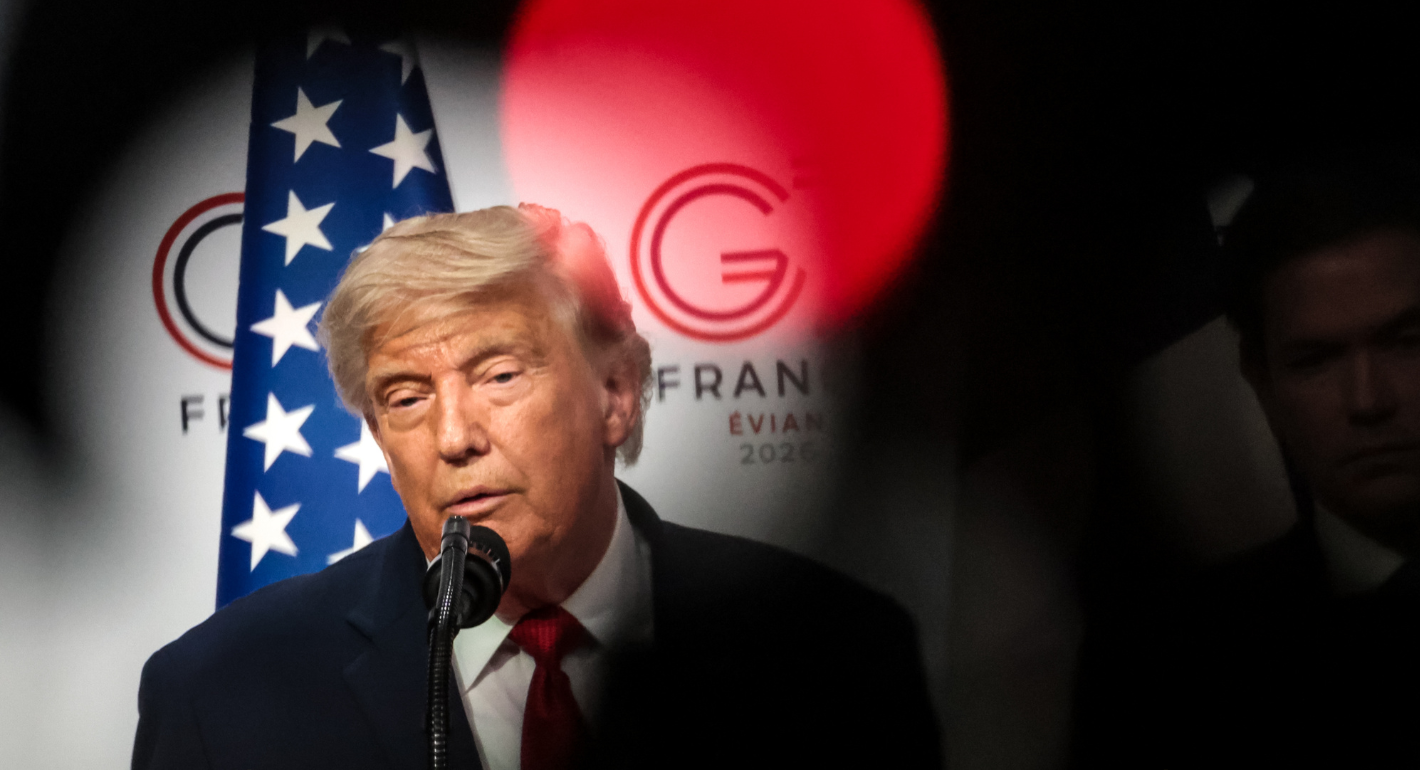
There is an elephant in the room when it comes to the EU’s upcoming security strategy: Donald Trump. Unless European leaders acknowledge the depth of the transatlantic crisis, true autonomy will remain out of reach.

Stefan Lehne
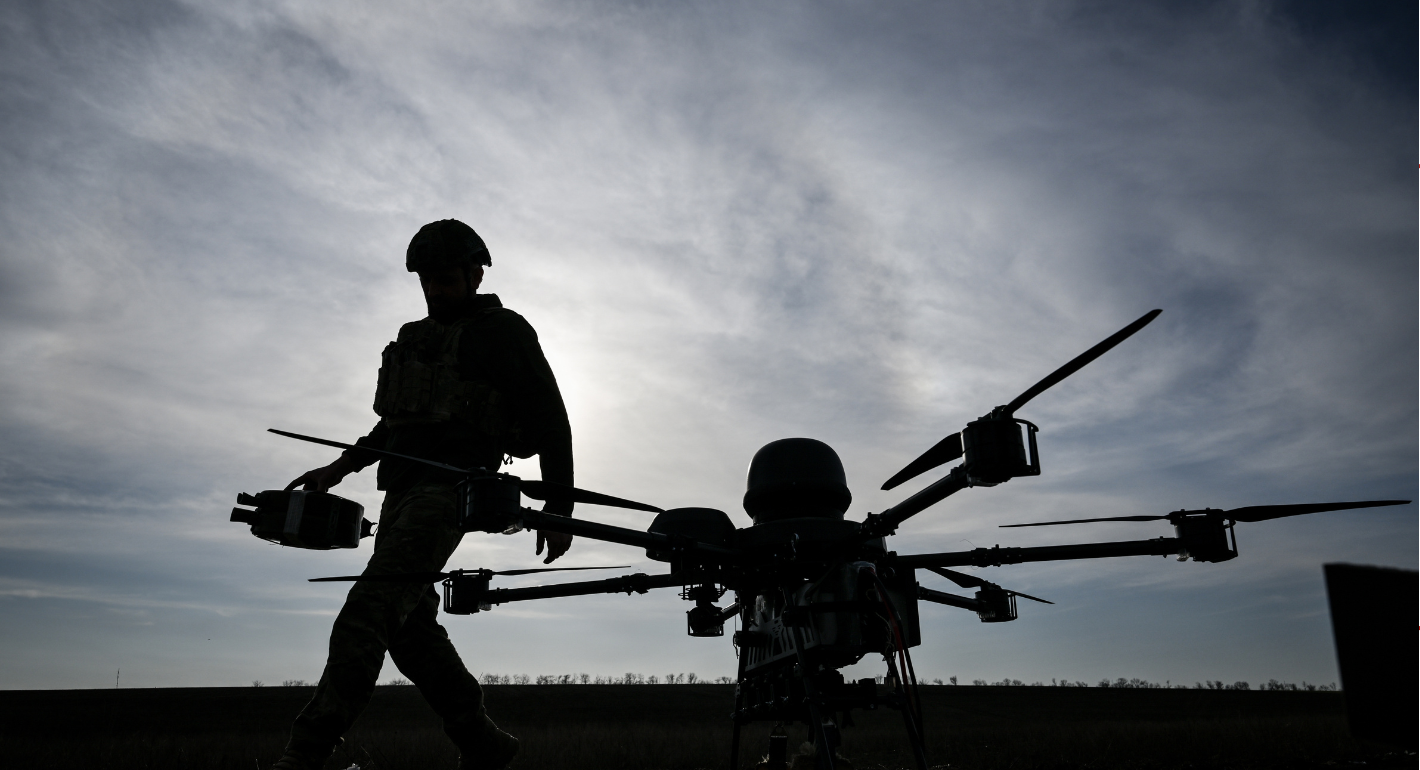
Defense tech innovations will be at the heart of Europe’s new security strategy. But so far, Brussels has been making moves without a broader plan, undermining readiness and credibility.

Raluca Csernatoni

When the U.S.-Iran memorandum of understanding was announced, the UK, France, Germany, and Italy declared their readiness to help demine the Strait of Hormuz and lift nuclear sanctions on Tehran. But does Europe need new tools to recover a diplomatic role?

Rym Momtaz, ed.
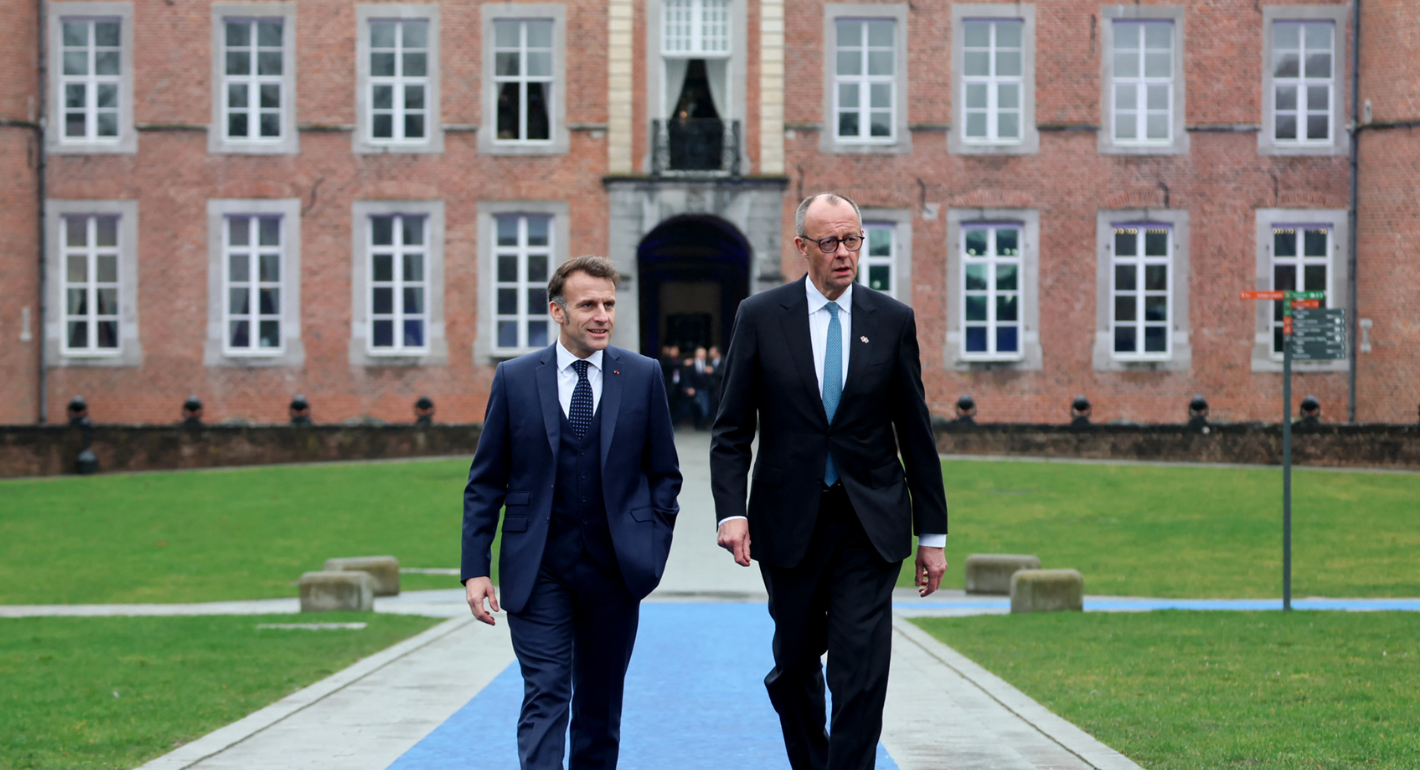
The Franco-German relationship is on the rocks again. But unlike previous moments of tension, the epochal changes on the world stage require that both step up investment in their bilateral ties.
Rym Momtaz
The EU is putting together a new security strategy to meet today’s myriad challenges. But for any proposal to be effective, the union needs to grapple with its identity and ambitions.

Pierre Vimont