

Commentary
Marc Pierini
{
  "authors": [
    "Marc Pierini"
  ],
  "type": "commentary",
  "blog": "Strategic Europe",
  "centerAffiliationAll": "",
  "centers": [
    "Carnegie Endowment for International Peace",
    "Carnegie Europe"
  ],
  "collections": [
    "Europe’s Southern Neighborhood"
  ],
  "englishNewsletterAll": "",
  "nonEnglishNewsletterAll": "",
  "primaryCenter": "Carnegie Europe",
  "programAffiliation": "",
  "programs": [],
  "projects": [],
  "regions": [
    "Middle East",
    "Europe",
    "North Africa",
    "Western Europe",
    "Southern, Eastern, and Western Africa"
  ],
  "topics": [
    "Foreign Policy",
    "EU",
    "Migration",
    "Security"
  ]
}
Source: Getty
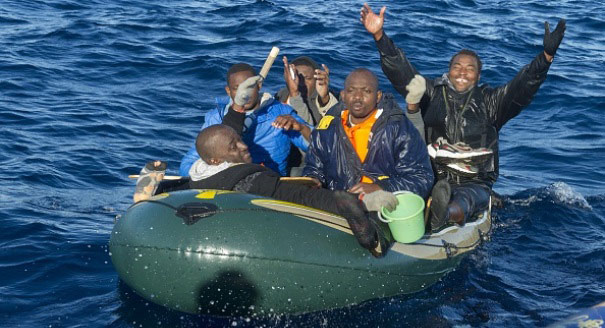
Despite catchy headlines and bold rhetoric, the EU faces a migration problem characterized by old habits and worrying new trends. There are no easy solutions.
Confronted with a sharp rise in the arrivals of irregular migrants in the Mediterranean, the European Union is abuzz with high-level gatherings and policy proposals. At a joint meeting of foreign and defense ministers on May 18, the EU launched a military operation to “identify, capture and destroy vessels before they are used by traffickers.” That plan requires both a UN Security Council resolution and an agreement with the authorities in Libya, where there are several entities competing for legitimacy.
Military grandstanding may turn out to be a disaster for the EU’s image in the world—aside from causing collateral deaths. That explains why the EU’s foreign policy chief, Federica Mogherini, was careful to stress after the May 18 meeting that the EU was intent on disrupting the smugglers’ networks, rather than on destroying boats.
Yet despite the catchy headlines and bold rhetoric, the EU is confronted with old habits and worrying new trends for which there are no quick fixes.
The EU mission to Libya on irregular migration that I led in late 2004 gave a pretty clear image of the situation. A widespread network of intermediaries scouted the entire West African region, literally recruiting candidate migrants, while other operators equipped with satellite phones manned waypoints along the route and adjusted the migrants’ itinerary to dodge controls.
Even at that time, this network had already been documented in detail by the Italian police, including with names of individuals and places, based on thousands of interviews conducted on the Italian island of Lampedusa. Overall, the yearly “income” that traffickers earned in fees on the Libyan route was estimated at €240 million (excluding food, lodging, and transportation).
Yet, the EU did not seriously attempt any intervention with the migrants’ countries of origin, and cooperation was limited to supplying Libyan security forces with new equipment.
This sophisticated trafficking system did not collapse with Libya’s 2011 revolution, it just adapted itself to new realities—and with even greater impunity. In addition, the catastrophic human consequences of the wars in Syria and Iraq have pushed thousands of people (with more money to spend) to seek refuge in the EU.
In pure economic terms, irregular migration is a simple reality: there is a “demand” from people who are fleeing poverty or conflict and who are ready to spend sums of money that bear no relation to their income or savings. In Africa, families, tribes, or entire villages invest in a candidate migrant, while Syrian families are prepared to spend—or borrow—a lifetime’s worth of savings to escape the horrors of war.
The “supply” of services is no less real: when tens of thousands of migrants are ready to pay between €2,000 and €10,000 per person per trip—while the monthly salary of a border police officer ranges from €200 in Africa to €800 in Turkey—trafficking is a matter of innovative techniques and systemic corruption.
Fishing trawlers are purpose-built by local shipyards in Libya, large inflatable dinghies are smuggled from Tunisia into Libya, and rusty cargo ships are used as one-way transporters from Mersin in Turkey to Otranto in Italy. Recently, traffickers have even trained Syrian migrants on how to steer the overloaded boats and use GPS.
Locally, the mere presence of thousands of candidate migrants waiting in Niger, Libya, Turkey, and Serbia generates businesses in food, lodgings, and cheap labor. At the EU’s borders, sorting out irregular migrants from legitimate asylum seekers has long been a major difficulty.
On the European side, too, there is an economic reality to irregular migration. The most avid users of cheap irregular migrants have traditionally been agricultural estates in southern Italy and industrial small and medium-sized enterprises in Lombardy and Veneto. Some labor market policing there might be in order.
Much as Libya’s former strongman leader Muammar Qaddafi regulated migrants’ departures to Italy, so the self-styled Islamic State, also known as Da’ish, has now threatened to swamp Europe with migrants. In addition, the freedom of circulation within the EU’s passport-free Schengen Area is a powerful magnet for candidate migrants.
The movement and trafficking of migrants may become much bigger issues in 2015–2016 than they have been so far. The Frontex Annual Risk Analysis issued on April 28 leaves no room for complacency: the EU’s border agency forecasts that the numbers of migrants will increase, as will the need for search and rescue operations and for international protection. Associated with uncontrolled migrations is “an underlying threat of terrorism-related travel movements.” And in failed states such as Syria or Libya, who will the EU deal with?
Faced with massive loss of life at their doorstep, migrant fatigue in Italy, sharp divergences about asylum policies, and worsening conflicts around them, EU leaders have a major crisis on their hands. Yet, they have no miracle cure.
For the first time—and this is a welcome first—the European Commission on May 13 issued a comprehensive proposal to tackle both the internal aspects of migration (irregular migrants, asylum seekers) and the associated external issues (partnerships with countries of origin and transit, destruction of the smugglers’ business model). Discussion of the proposal’s many dimensions has only just begun.
Within the EU, acting together rather than at the national level is a must. Crafting a sensible asylum policy has become a political necessity, while further adjustments to the current arrangements on the freedom of circulation may become unavoidable. On the external front, enhanced cooperation with Serbia, Turkey, Libya, and many countries of origin and transit in Africa is essential if traffickers’ networks are to be defeated.
EU leaders are faced with a multipronged issue that calls for a medium- and long-term solution, not quick fixes. With populist politics on the rise and a British government intent on less EU rather than more, a sensible debate on Europe’s migration crisis will be a daunting task.

Senior Fellow, Carnegie Europe
Marc Pierini is a senior fellow at Carnegie Europe, where his research focuses on developments in the Middle East and Turkey from a European perspective.
Recent Work
Marc Pierini
Marc Pierini
Carnegie does not take institutional positions on public policy issues; the views represented herein are those of the author(s) and do not necessarily reflect the views of Carnegie, its staff, or its trustees.

As we close out another season of Strategic Europe, it is worth taking stock of the deep shifts underway.

Rym Momtaz
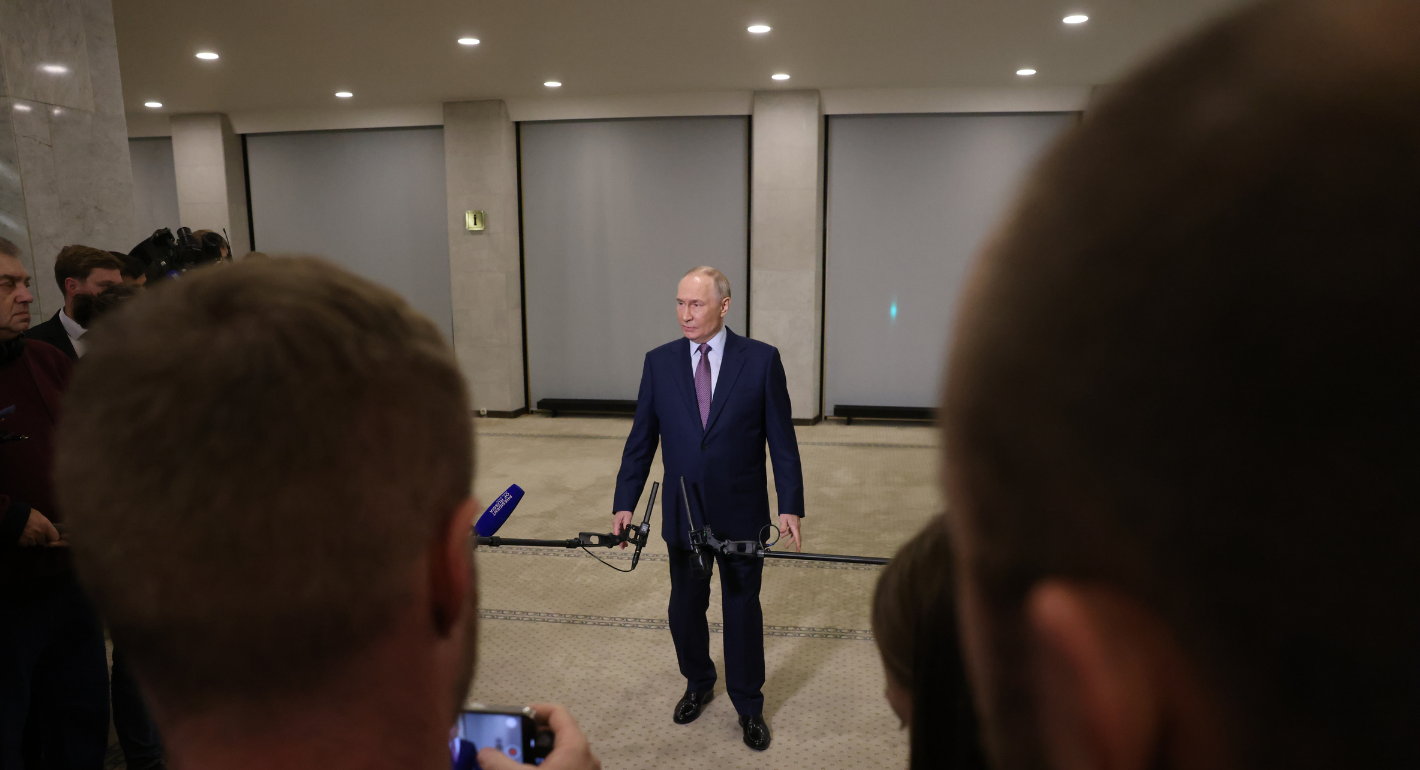
The EU had to compromise to adopt a twenty-first sanctions package against Russia, exposing growing cracks in the union’s resolve. Is this latest, weaker round worth it to keep pressure on Moscow?
Rym Momtaz, ed.
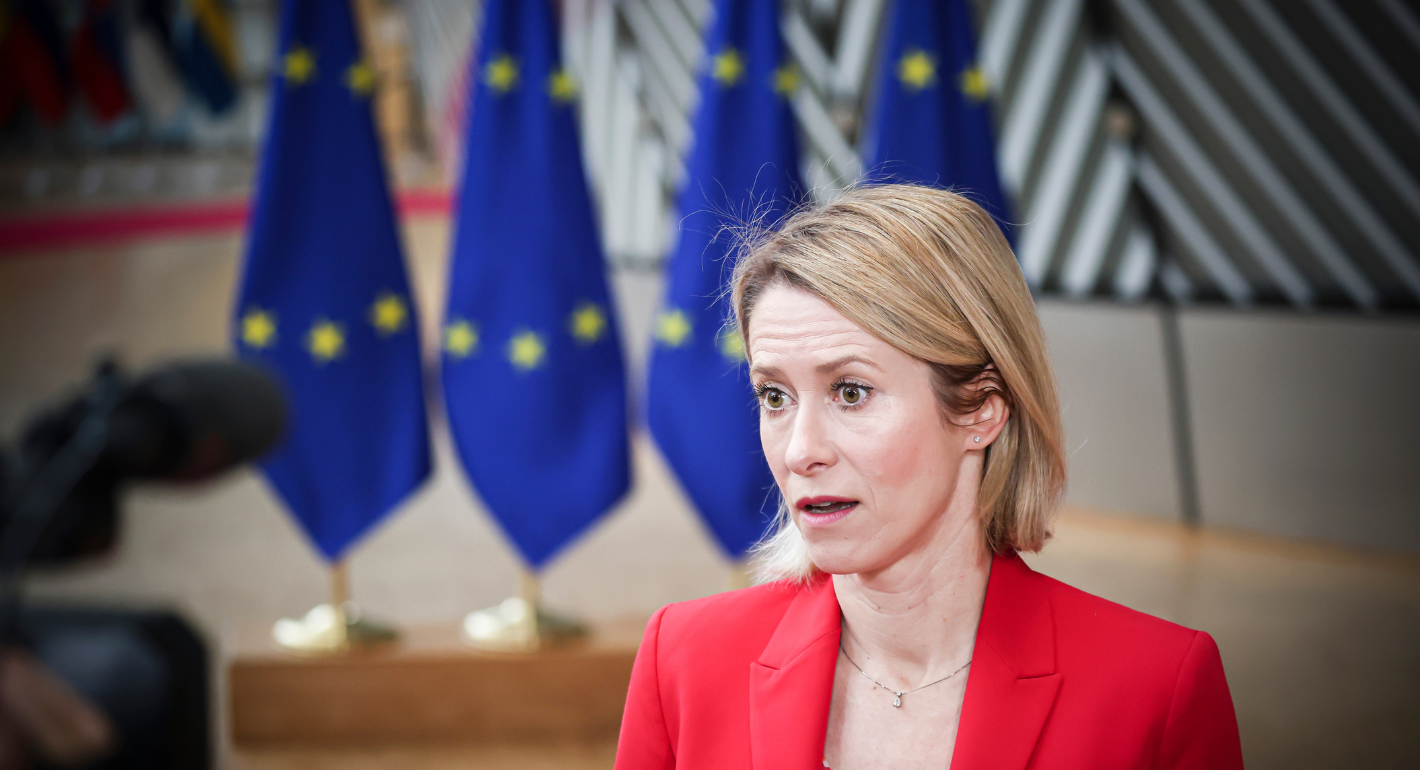
Trump is distracted and Ukraine wants Europe to step up. The continent’s leaders must find their voice and assert it in talks with Russia.

Alissa de Carbonnel
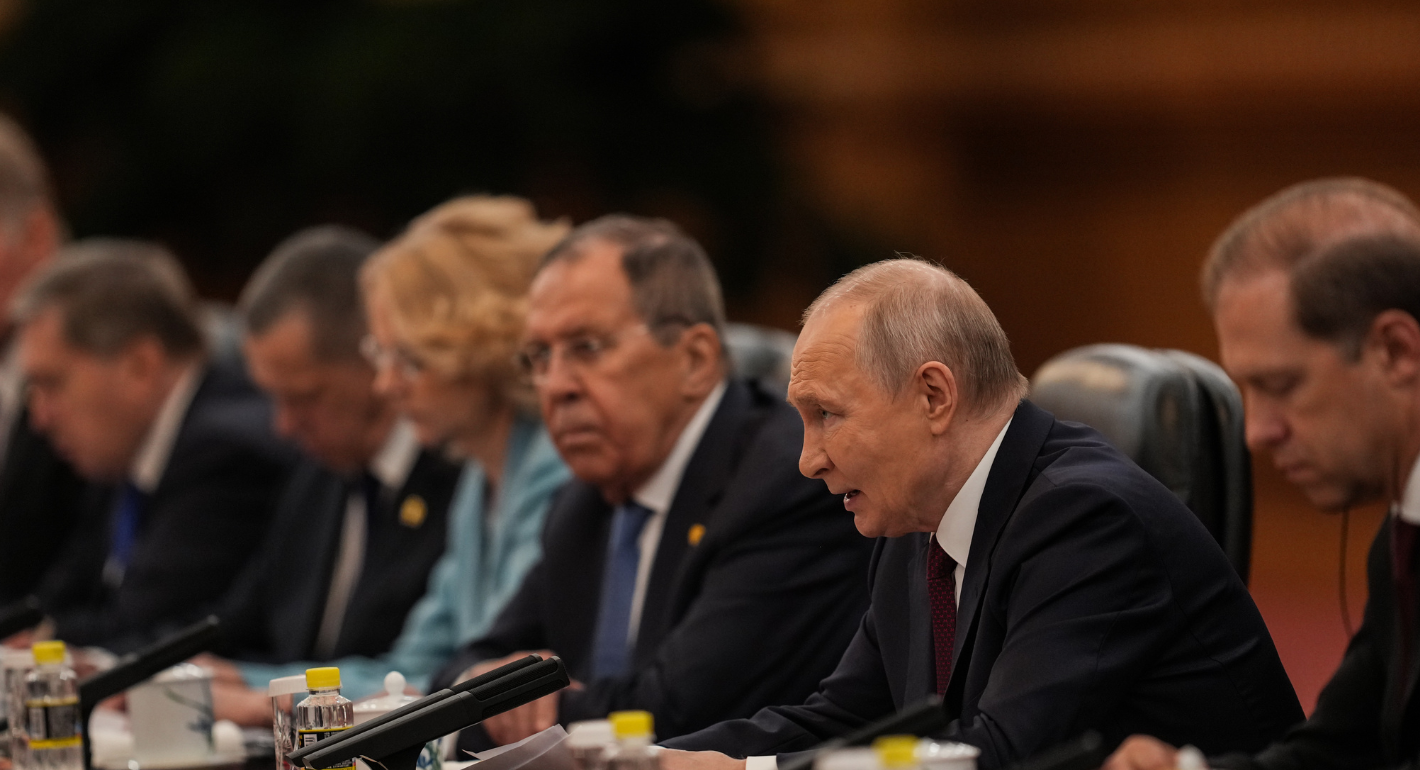
Mounting economic strain and battlefield losses will not necessarily make the Kremlin less dangerous. They could instead push Moscow toward a more aggressive hybrid campaign designed to test NATO’s Eastern flank, exploit allied hesitation, and fracture European resolve.

Maksym Beznosiuk
Over the past ten years, NATO has held almost as many summits as it did during the entirety of the Cold War. Are they still useful, or is it time to stop holding annual meetings?
Rym Momtaz, ed.