

Commentary
Judy Dempsey
{
  "authors": [
    "Judy Dempsey"
  ],
  "type": "commentary",
  "blog": "Strategic Europe",
  "centerAffiliationAll": "",
  "centers": [
    "Carnegie Endowment for International Peace",
    "Carnegie Europe"
  ],
  "collections": [],
  "englishNewsletterAll": "",
  "nonEnglishNewsletterAll": "",
  "primaryCenter": "Carnegie Europe",
  "programAffiliation": "",
  "programs": [],
  "projects": [],
  "regions": [
    "Europe",
    "Western Europe",
    "Germany"
  ],
  "topics": [
    "Foreign Policy",
    "EU"
  ]
}
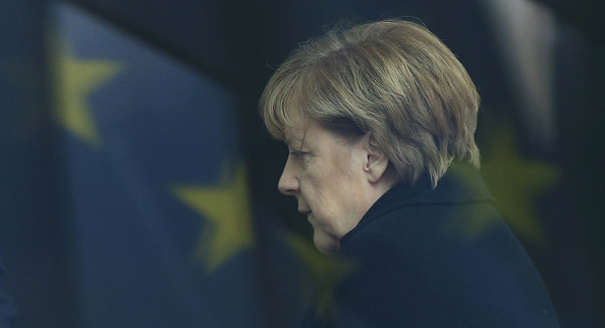
Source: Getty
Angela Merkel’s decision to stand again as German chancellor coincides with unprecedented uncertainty about the ability of Europe and the West to lead.
Angela Merkel is carrying an almost impossible burden. Her announcement on November 20 that she intends to run for a fourth term as German chancellor means that she is one of the few leaders left in Europe who speaks out for values, who defends the West’s liberal order, and who does not pander to populists or Euroskeptic movements.
The Europe and Germany that Merkel has to deal with today have changed almost beyond recognition since she first took office over eleven years ago. The anchor that kept Europe steady—solidarity and values, optimism and openness—has been replaced by national interests, short-termism, and an inwardness that is making the continent unprepared to deal with the seismic changes now taking place in the United States.
The election on November 8 of Donald Trump as the country’s new president puts the West and its decades-old liberal economic order on a different trajectory that shows a West losing influence and losing confidence in its own values.
That trend can only be welcomed by authoritarian regimes and leaders such as Vladimir Putin. The president of Russia must be gleeful about the West’s continuing weakness and apparent disarray. The transatlantic relationship is very fragile, even more so with Trump’s election. The U.S. commitment to Europe and to free trade is no longer a given.
That is why Merkel’s decision to run for a fourth term was not lightly made. Some observers have argued that because she has no opponents within her conservative Christian Democratic Union party, it was easy for her to continue in office. But her job as chancellor has become an immensely heavy burden. For now, Merkel is Europe’s undisputed leader—and one of the few who might able to push back the appeal of populists, or at least give some hope to those parties that want to uphold Europe’s values.
Merkel is far from sure of having that support or the ability to keep Europe stable and united. Announcing her decision to stand, she said, “This election will be difficult like no other before it.” Merkel added, “We will be grappling with challenges from all sides, from the right as never before and from a strong polarization of our society.”
In her own country, she will have to contend with the rise of the anti-immigration and Euroskeptic party Alternative for Germany (AfD). She will have to contend with a society that is divided over her refugee policy. And she will have to contend with fiercely antiglobalization movements that are sweeping across Europe and the West in general.
Merkel has refused to pander to these movements, unlike several of her European counterparts. But she acknowledged that as the leader of Europe’s biggest and most important economy, she cannot do it alone. She said it was “grotesque and absurd” to expect that any one person, “even with the greatest experience, can fix the situation for better or worse in Germany, Europe and the world – and certainly not a German chancellor.”
It was U.S. President Barack Obama who over the past few years delegated increasing authority and responsibility to Merkel. And it was Merkel, not Obama, who had to deal with Putin personally after his annexation of Crimea in March 2014 and his subsequent invasion of parts of eastern Ukraine.
Against all the odds, Merkel managed to rally all EU member states to impose sanctions on Russia. She has tried to convince Russia to implement the Minsk accords aimed at ending the conflict in eastern Ukraine. On top of that, Merkel will play a pivotal role in negotiations on Britain’s exit from the EU and in efforts to keep the eurozone together.
So far, a majority of German voters want Merkel to stand again, according to a new Emnid poll for the Bild am Sonntag newspaper. The consensus is that she brings stability and reassurance to Germany and to Europe at a time when both are in short supply.
But the next federal election, scheduled for fall 2017, will be no shoo-in for Merkel and her Christian Democrats. Aside from the fragmentation of the country’s political parties, this time round Germany will have to deal with Putin, who will do everything possible to erode support for Merkel. Russia has already tried to interfere in German politics and discredit Merkel by disseminating a story earlier this year alleging that a teenage girl of a Russian background was kidnapped by a refugee. Germany’s large Russian community mobilized and demonstrated outside the Chancellery to protest against Merkel’s refugee policy. The story was completely made up.
Also, in the coming months, important elections and a referendum will take place in Austria, Italy, the Netherlands, and France. In all these countries, populist parties are in the ascendancy. To stem these movements, other leaders besides Merkel will need to stand up loudly and unambiguously for Europe. Merkel alone cannot carry the burden.

Nonresident Senior Fellow, Carnegie Europe
Dempsey is a nonresident senior fellow at Carnegie Europe
Recent Work
Judy Dempsey
Judy Dempsey
Carnegie does not take institutional positions on public policy issues; the views represented herein are those of the author(s) and do not necessarily reflect the views of Carnegie, its staff, or its trustees.
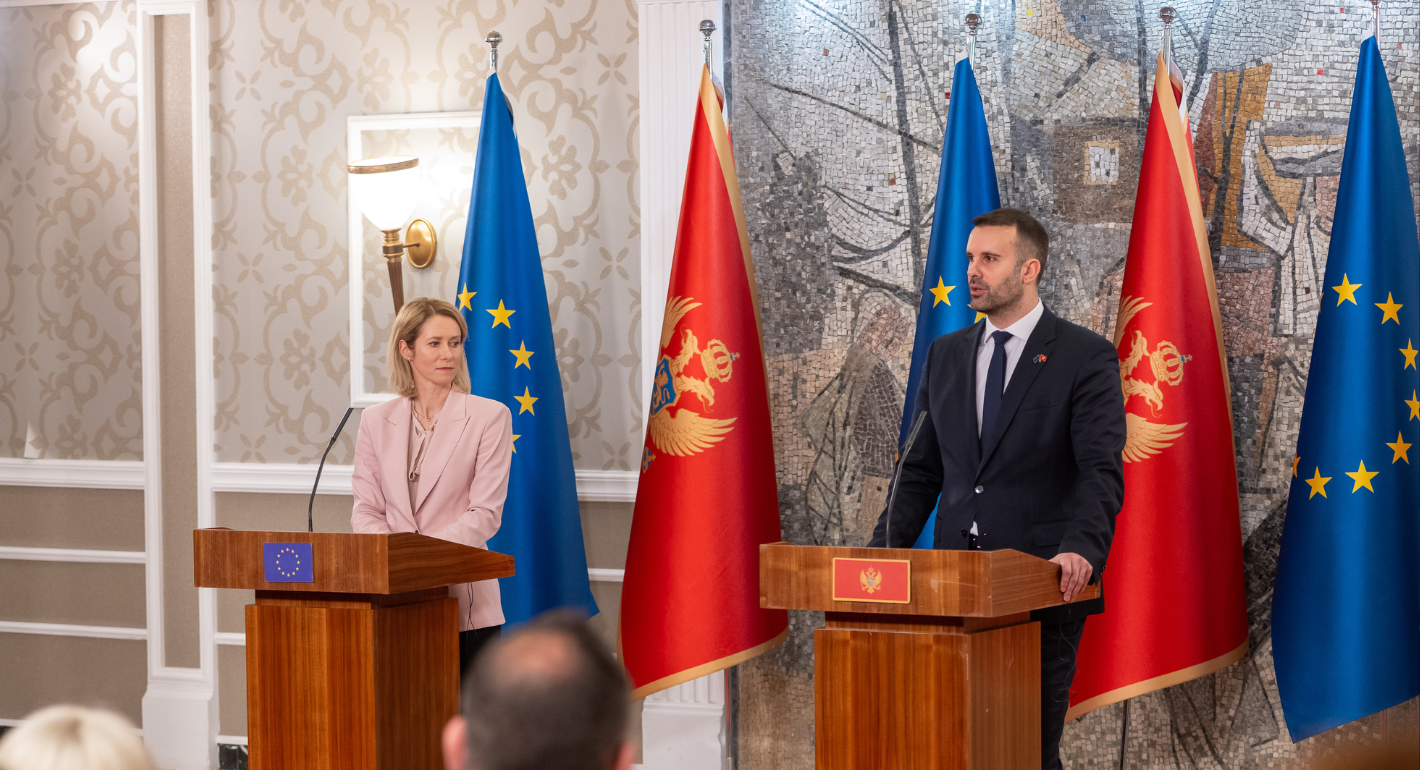
Montenegro and Albania are frontrunners for EU enlargement in the Western Balkans, but they can’t just sit back and wait. To meet their 2030 accession ambitions, they must make a strong positive case.


Dimitar Bechev, Iliriana Gjoni
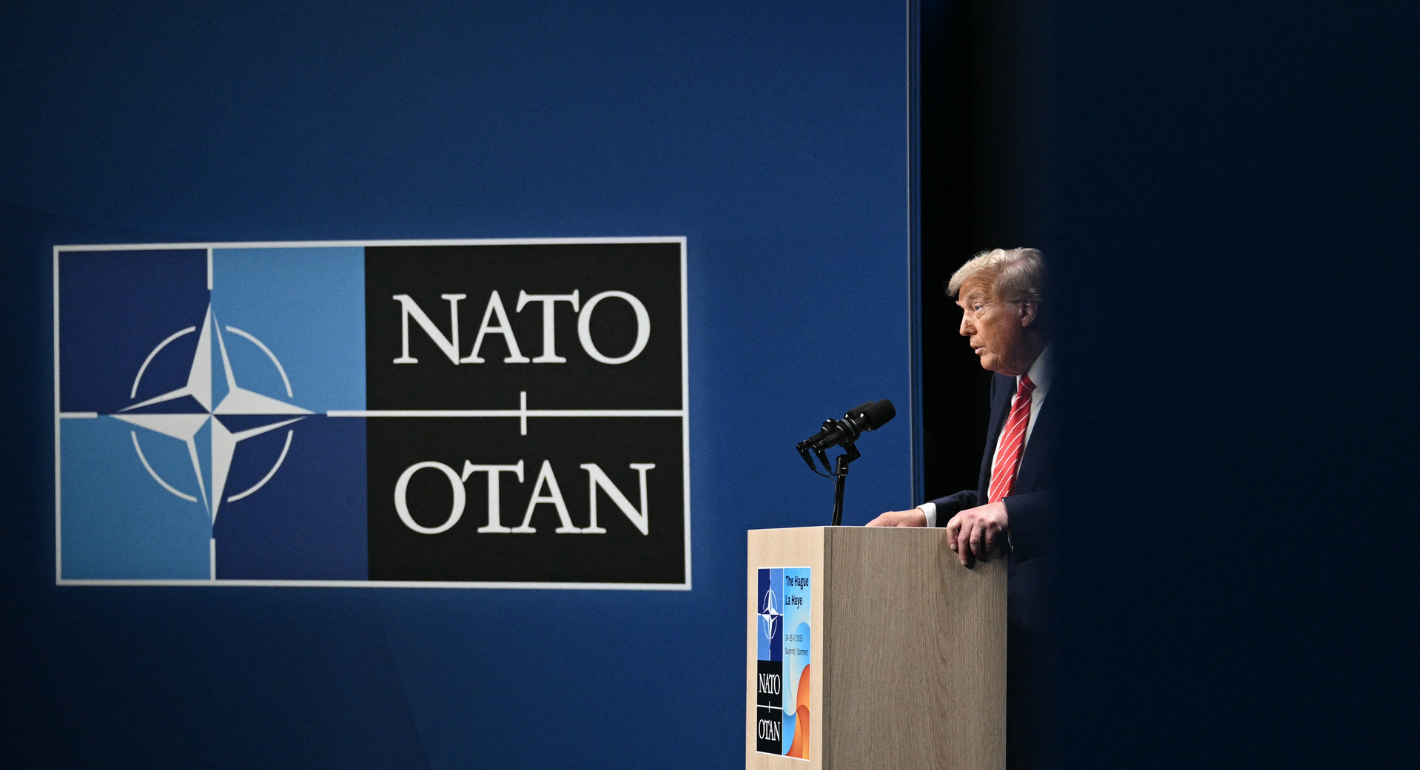
Donald Trump has repeatedly bashed NATO and European allies, threatening to annex Canada and Greenland and deploring their lack of enthusiasm for his war of choice in Iran. Is this latest round of abuse the final straw?

Rym Momtaz, ed.
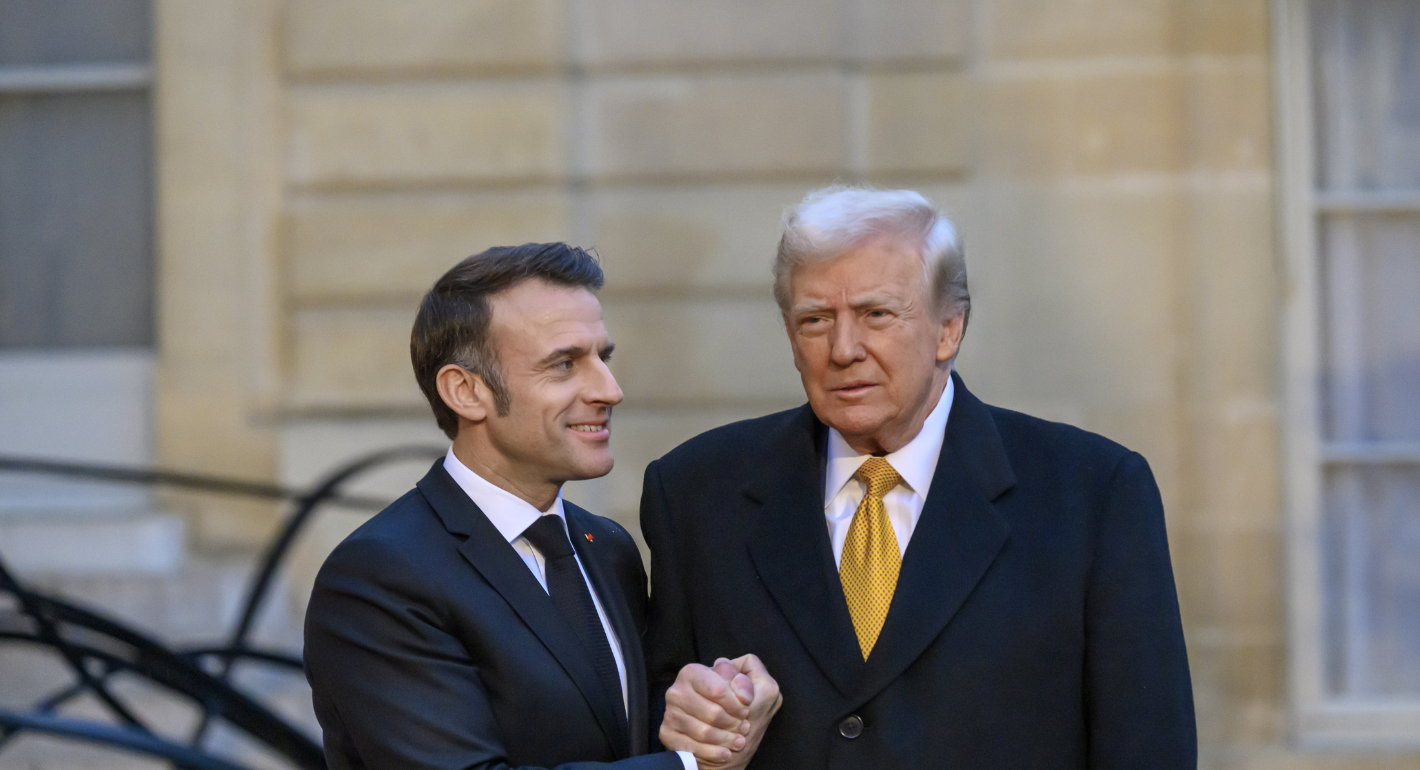
Donald Trump’s repudiation of NATO goes against the Make America Great Again vision of a U.S.-centered foreign policy. If the goal is to preserve the alliance by boosting Europe’s commitments, leaning into France’s vision is the most America First way forward.
Rym Momtaz
Hungarians head to the polls on April 12 for an election of national and European consequence. Three different outcomes are on the cards, each with their own implications for the EU.
Zsuzsanna Szelényi
The far right failed to win big in France’s municipal elections. But that’s not good news for the country’s left wing, which remained disunited while the broader right consolidated its momentum ahead of the 2027 presidential race.
Catherine Fieschi