

Commentary
Judy Dempsey
{
  "authors": [
    "Judy Dempsey"
  ],
  "type": "commentary",
  "blog": "Strategic Europe",
  "centerAffiliationAll": "",
  "centers": [
    "Carnegie Endowment for International Peace",
    "Carnegie Europe"
  ],
  "collections": [],
  "englishNewsletterAll": "",
  "nonEnglishNewsletterAll": "",
  "primaryCenter": "Carnegie Europe",
  "programAffiliation": "",
  "programs": [],
  "projects": [],
  "regions": [
    "Europe",
    "Western Europe",
    "France",
    "Germany"
  ],
  "topics": [
    "Foreign Policy",
    "Security",
    "EU"
  ]
}
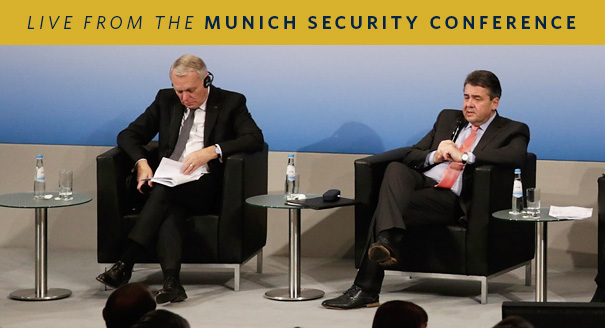
Source: Getty
European governments have had enough of U.S. haranguing but still have different views about defense and security.
Carnegie Europe was on the ground at the 2017 Munich Security Conference, offering readers exclusive access to the debates as they unfolded and providing insights on today’s most urgent international issues. Check out our live coverage here.
*
The new U.S. administration has sure concentrated the minds of America’s European allies. The view from the White House is that most European countries are laggards when it comes to spending on defense.
But this is a black-and-white view. The discussions during the morning sessions on day two of the February 17–19 Munich Security Conference, an annual gathering of politicians, diplomats, and experts, revealed very different perceptions—particularly from German Chancellor Angela Merkel’s coalition—of what spending means for security.
Consider the situation in the German government. The country faces a parliamentary election this coming September. Don’t be surprised if defense spending, in particular pressure on Berlin to find an additional €20 billion ($21 billion) a year to meet NATO’s target for allies to spend 2 percent of GDP on defense, becomes an election issue. Germany already spends over €30 billion ($32 billion) a year on defense—although not all of it is spent effectively, as Merkel argued.
Both Merkel and Sigmar Gabriel, Germany’s new Social Democratic foreign minister, were asked about the pending election and what role defense spending would play. They tried to play down the issue. “We tell our citizens we do everything for their security. It is right and understandable,” Merkel said. “I hope it will not be one of the bones of contention [in the election]. We have already increased our defense budget by 8 percent.” Merkel added that slowly but surely, Germany would meet the 2 percent target.
Merkel also maintained that security needed to be extended to Europe’s neighbors, especially in Africa. Germany spends just 0.7 percent of its GDP on development aid, which she admitted was not enough. But her point was that contributing to security also meant “giving people a better life.”
Gabriel’s view on defense was, in a word, defensive. He said Germany was sticking to its obligation to increase spending. But he issued two warnings that reflected the pacifist wing of the Social Democrats.
First, he said, “we mustn’t fall back to thinking that more defense spending means more security.” In an election year, it just wasn’t clear how Berlin could justify finding tens of billions of euros more for defense when it wanted to introduce tax cuts. “I don’t know how we can achieve that figure in the short term,” he said. Second, he added, “we should not make the mistake of creating a new arms race.”
It’s easy to see where some of the election campaign lines will be drawn. The Social Democrats could portray themselves as the party of peace.
Neither Merkel’s nor Gabriel’s views went unchallenged in Munich. “Defense spending doesn’t solve all problems of security,” said Artis Pabriks, a former foreign minister of Latvia, a frontline state completely preoccupied with increasing its defense capabilities. “It sounds bitter if support for my [country’s] borders will be challenged because some other EU nations will not pay their share.”
Gabriel was having none of it. Germany, he said, was contributing to greater security, for instance in North Africa. “Other member states are doing nothing in North Africa. . . . We are spending €30–40 billion [$32–42 billion] a year on refugees because military interventions went wrong in the past. That money creates stability,” he argued—and persuasively.
Another theme that figured prominently during the defense discussions (regrettably, there was a string of statements rather than genuine debates) was how much emphasis Merkel, Gabriel, and French Foreign Minister Jean-Marc Ayrault put on security and defense cooperation between Berlin and Paris. This is new. In 2016, Germany focused on the refugee issue, France on terrorism. There was little converging of views.
This year, there was a special meeting of minds. Both countries are working together in Mali to stabilize the former French colony. They also want to bolster the EU’s fledgling defense architecture. Both countries, while supporting some kind of cooperation with Russia, were highly critical of the way Moscow had torn up post-1945 agreements on territorial integrity and sovereignty.
“Threats to security persist without the old threats having disappeared,” said Ayrault. “The annexation by force of territories has reappeared. Since World War II, for the first time we have seen annexation.”
Russia’s invasion of parts of eastern Ukraine and the immense upheaval in Europe’s Southern neighborhood are beginning to force European countries to think strategically about defense and security. The upshot of the speeches in Munich was that the two most important countries in Europe—France and Germany—know that muddling through is no longer an option.

Nonresident Senior Fellow, Carnegie Europe
Dempsey is a nonresident senior fellow at Carnegie Europe
Recent Work
Judy Dempsey
Judy Dempsey
Carnegie does not take institutional positions on public policy issues; the views represented herein are those of the author(s) and do not necessarily reflect the views of Carnegie, its staff, or its trustees.
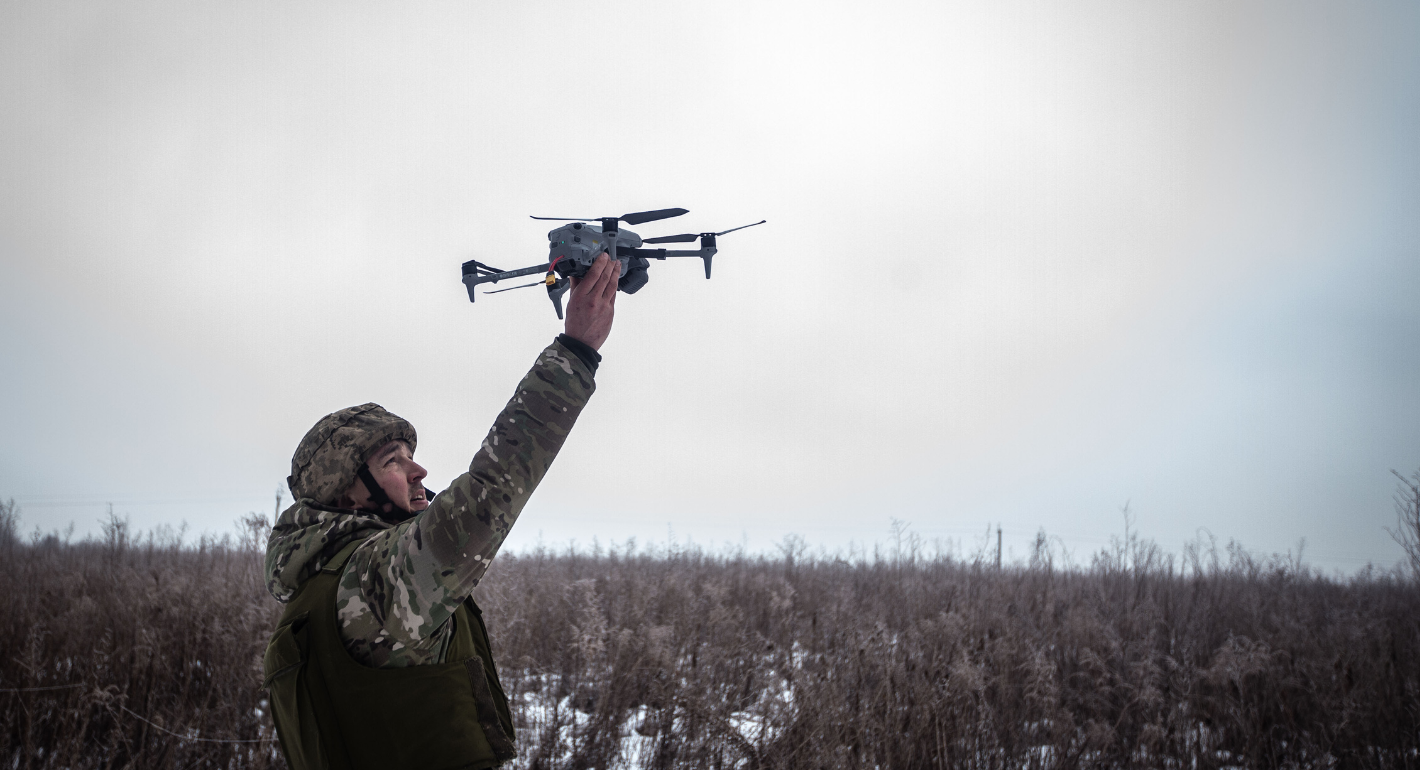
In Ukraine, Gaza, and Iran, AI warfare has come to dominate, with barely any oversight or accountability. Europe must lead the charge on the responsible use of new military technologies.

Raluca Csernatoni

Montenegro and Albania are frontrunners for EU enlargement in the Western Balkans, but they can’t just sit back and wait. To meet their 2030 accession ambitions, they must make a strong positive case.


Dimitar Bechev, Iliriana Gjoni
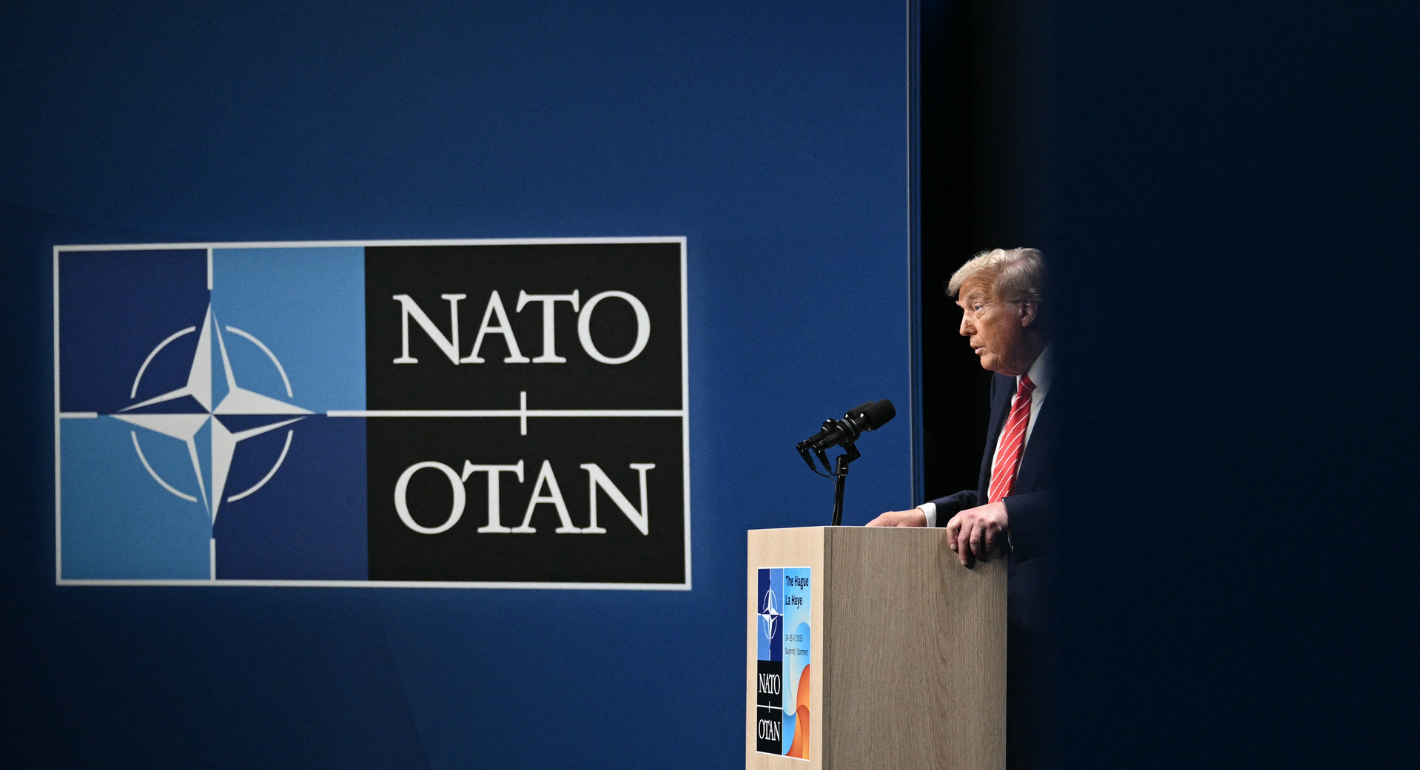
Donald Trump has repeatedly bashed NATO and European allies, threatening to annex Canada and Greenland and deploring their lack of enthusiasm for his war of choice in Iran. Is this latest round of abuse the final straw?

Rym Momtaz, ed.
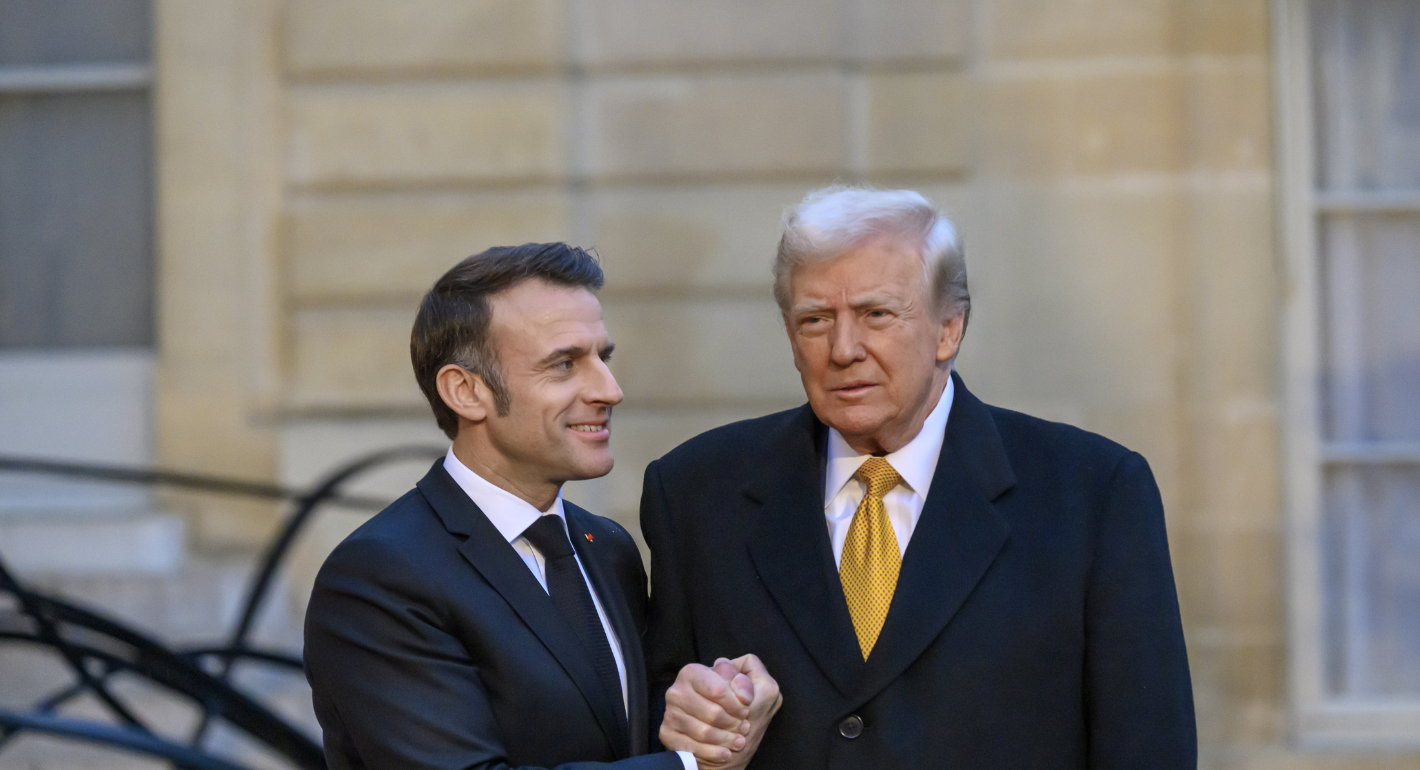
Donald Trump’s repudiation of NATO goes against the Make America Great Again vision of a U.S.-centered foreign policy. If the goal is to preserve the alliance by boosting Europe’s commitments, leaning into France’s vision is the most America First way forward.
Rym Momtaz
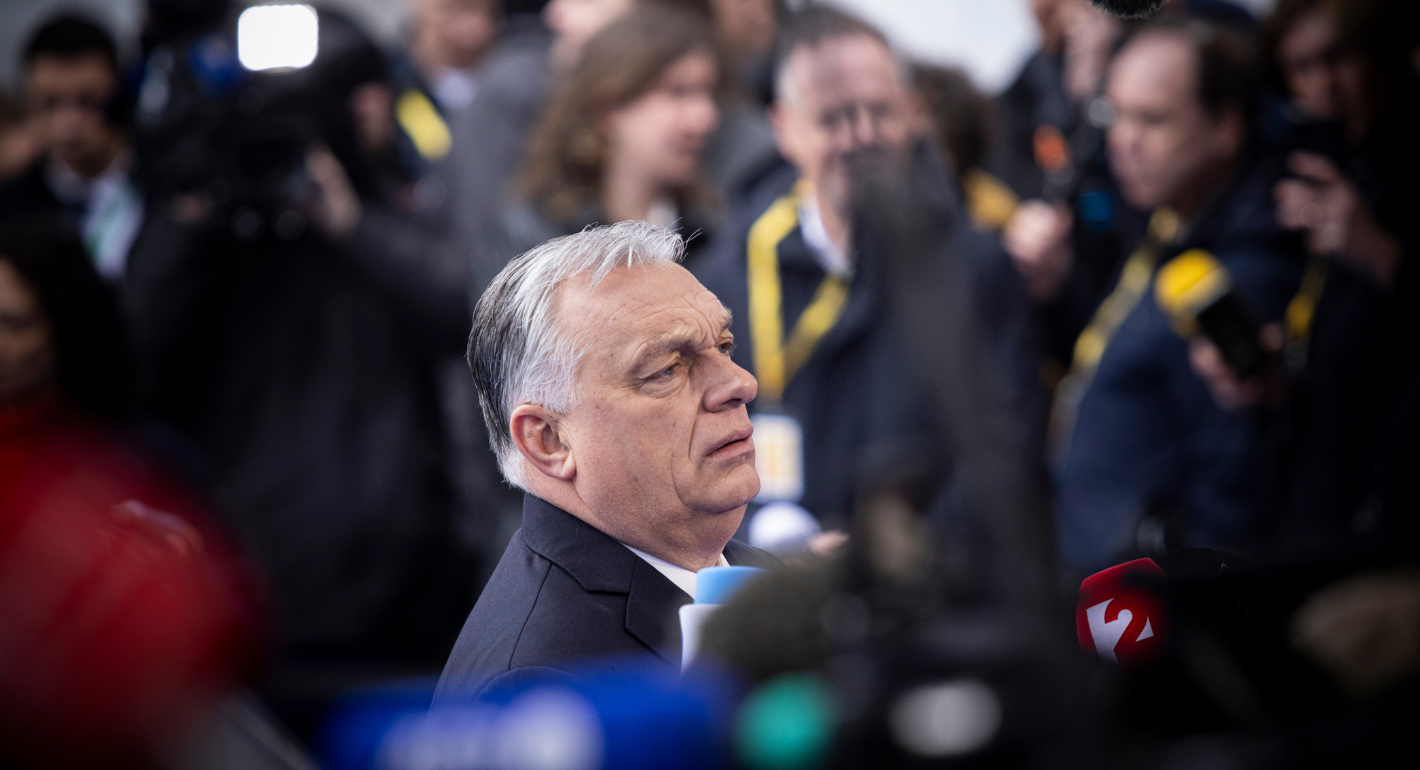
Hungarians head to the polls on April 12 for an election of national and European consequence. Three different outcomes are on the cards, each with their own implications for the EU.
Zsuzsanna Szelényi