

Commentary
Trump is distracted and Ukraine wants Europe to step up. The continent’s leaders must find their voice and assert it in talks with Russia.
Alissa de Carbonnel
{
  "authors": [
    "John R. Deni"
  ],
  "type": "commentary",
  "blog": "Strategic Europe",
  "centerAffiliationAll": "",
  "centers": [
    "Carnegie Endowment for International Peace",
    "Carnegie Europe"
  ],
  "collections": [],
  "englishNewsletterAll": "",
  "nonEnglishNewsletterAll": "",
  "primaryCenter": "Carnegie Europe",
  "programAffiliation": "",
  "programs": [],
  "projects": [],
  "regions": [
    "Europe",
    "Western Europe",
    "France",
    "Germany"
  ],
  "topics": [
    "Security",
    "Nuclear Policy"
  ]
}
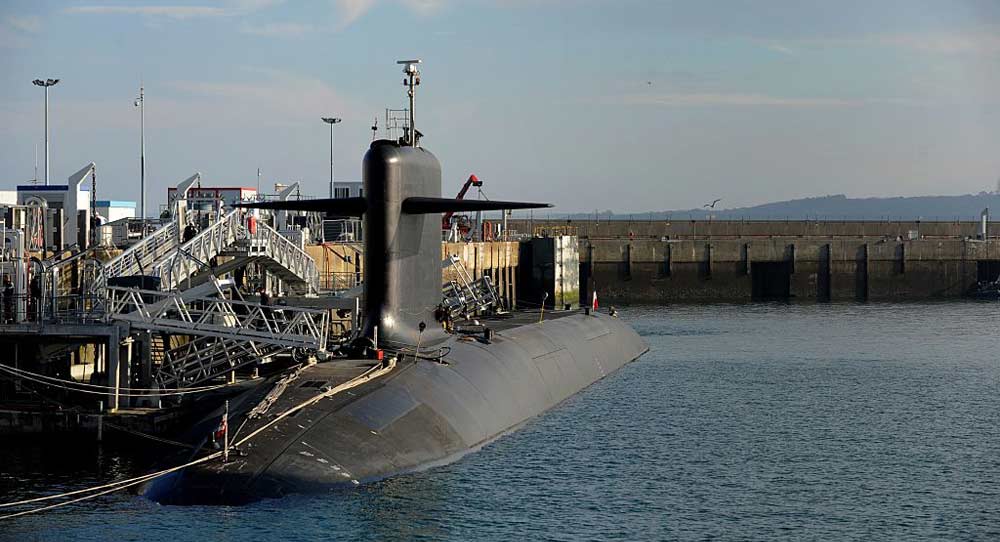
Source: Getty
Talk of a European nuclear deterrent might be welcome in Washington, but such a scheme would do very little to help Europe tackle the biggest challenges it faces.
Since the November 2016 U.S. elections, there has been a great deal of discussion in Europe over how Europeans need to take more responsibility for their security and defense, including by developing an EU nuclear deterrent. This is probably welcome news to U.S. President Donald Trump’s administration, which has placed increased emphasis on more equitable burden sharing and may not be overly concerned about the spread of nuclear technology among U.S. allies.
Although European deliberations over how to better provide for European security are positive, an EU nuclear deterrent wouldn’t solve inequitable burden sharing. In fact, it would do virtually nothing to enable Europe to deal with today’s most likely, most compelling security challenges on the continent and beyond.
Trump made clear his support for the transatlantic alliance in his February 28 address to a joint session of the U.S. Congress, during which he noted, “We strongly support NATO.” Just over a week earlier, some of the most senior members of the administration, such as Vice President Mike Pence and Defense Secretary James Mattis, made similar statements at the Munich Security Conference, an annual gathering of policymakers, diplomats, and defense experts in Germany.
Despite these seemingly unequivocal reassurances, there remains concern in Europe over the constancy of America’s commitment under Trump. Part of this anxiety may simply be the occasional hand-wringing that comes with being the junior partner in any alliance. But continuing European unease over the U.S. commitment is also likely based on fears that some in the White House, perhaps even the president, are not terribly supportive of the liberal international order generally and the EU specifically. Further concern may stem from the still-uncertain outlines of U.S policy toward Russia under the new administration.
As a result, some Europeans are beginning to ask what more they can and should do for themselves. One topic that is attracting a great deal of attention, particularly in Germany and especially given concerns over the steadfastness of America’s extended deterrent, is a European nuclear force. Because of Britain’s pending withdrawal from the EU and the near-unanimous opposition in Germany to a German nuclear capability, an EU nuclear force would likely be based on the French national nuclear deterrent. Assuming the French would somehow share their deterrent in an EU framework, it seems clear that Germany and other leading EU states would have to contribute substantial defense funds toward a so-called Eurodeterrent.
From Washington’s perspective, discussion of a Eurodeterrent presents both good and bad news. On the asset side of the ledger, anything that spurs European allies to take on greater international responsibility in the world is welcome. This is particularly so given the high likelihood of an internally focused EU over the next couple of years. Although the union’s bureaucracy is vast and immensely capable, it is reasonable to expect Brexit negotiations to consume not only time but also significant energy and attention.
At the same time, the EU continues to struggle with immigration and border enforcement, which may ultimately undermine one of the EU’s most valuable and most significant achievements: visa-free travel within most of Europe. These twin challenges will mean the EU’s Brussels-based institutions and member states have less bandwidth for broader security concerns in Europe and beyond. However, by broaching the subject of whether Europe needs an independent nuclear deterrent, European allies have made clear to Washington that they take their security seriously.
That said, an independent nuclear deterrent would represent an enormous financial liability at a time when most European allies—including large countries like Germany and Italy—are struggling mightily to reach NATO’s goal for members to spend the equivalent of 2 percent of GDP on defense. It’s already clear that the high cost of maintaining the French national nuclear deterrent has prompted calls for Paris to give up the jet aircraft leg of its nuclear dyad and instead rely solely on submarines. For this reason, some in France might welcome German funding, but in any case, maintaining a modern, capable Eurodeterrent would present participating allies with additional, new defense bills that they are ill prepared to swallow.
Since European defense spending has bottomed out and begun an uneven but broad-based rebound in recent years, there are far more useful priorities for additional funding. Plowing more funds into unmanned systems, combat aviation, rotary lift aircraft, intelligence, surveillance, reconnaissance, training and readiness, and additional manpower would result in capabilities and capacity far more useful for serving European interests than a Eurodeterrent that likely—and hopefully—would never be used.
Put another way, Europe doesn’t have the luxury of being able to afford defenses against both the most catastrophic and the most likely security challenges. Because the needs across many areas are so great, allied leaders must ruthlessly prioritize their defense and security requirements, even in an era of expanding defense budgets.
In the short run, those needs center on conventional capabilities that can most effectively deal with Russia’s gray zone tactics as well as counter the self-proclaimed Islamic State and other violent extremist organizations with transnational reach. It’s difficult to see how a European nuclear deterrent could be employed against little green men or a returning foreign fighter.
John R. Deni is a research professor of security studies at the Strategic Studies Institute of the U.S. Army War College and an adjunct professor at the American University’s School of International Service. The views expressed here are his alone.

John R. Deni
Atlantic Council
John R. Deni is a research professor at the U.S. Army War College’s Strategic Studies Institute, a nonresident senior fellow at the Atlantic Council, and an associate fellow at the NATO Defense College. He is the author of NATO and Article 5. The views expressed are his own.
Carnegie does not take institutional positions on public policy issues; the views represented herein are those of the author(s) and do not necessarily reflect the views of Carnegie, its staff, or its trustees.

Trump is distracted and Ukraine wants Europe to step up. The continent’s leaders must find their voice and assert it in talks with Russia.

Alissa de Carbonnel

Mounting economic strain and battlefield losses will not necessarily make the Kremlin less dangerous. They could instead push Moscow toward a more aggressive hybrid campaign designed to test NATO’s Eastern flank, exploit allied hesitation, and fracture European resolve.

Maksym Beznosiuk

Over the past ten years, NATO has held almost as many summits as it did during the entirety of the Cold War. Are they still useful, or is it time to stop holding annual meetings?

Rym Momtaz, ed.
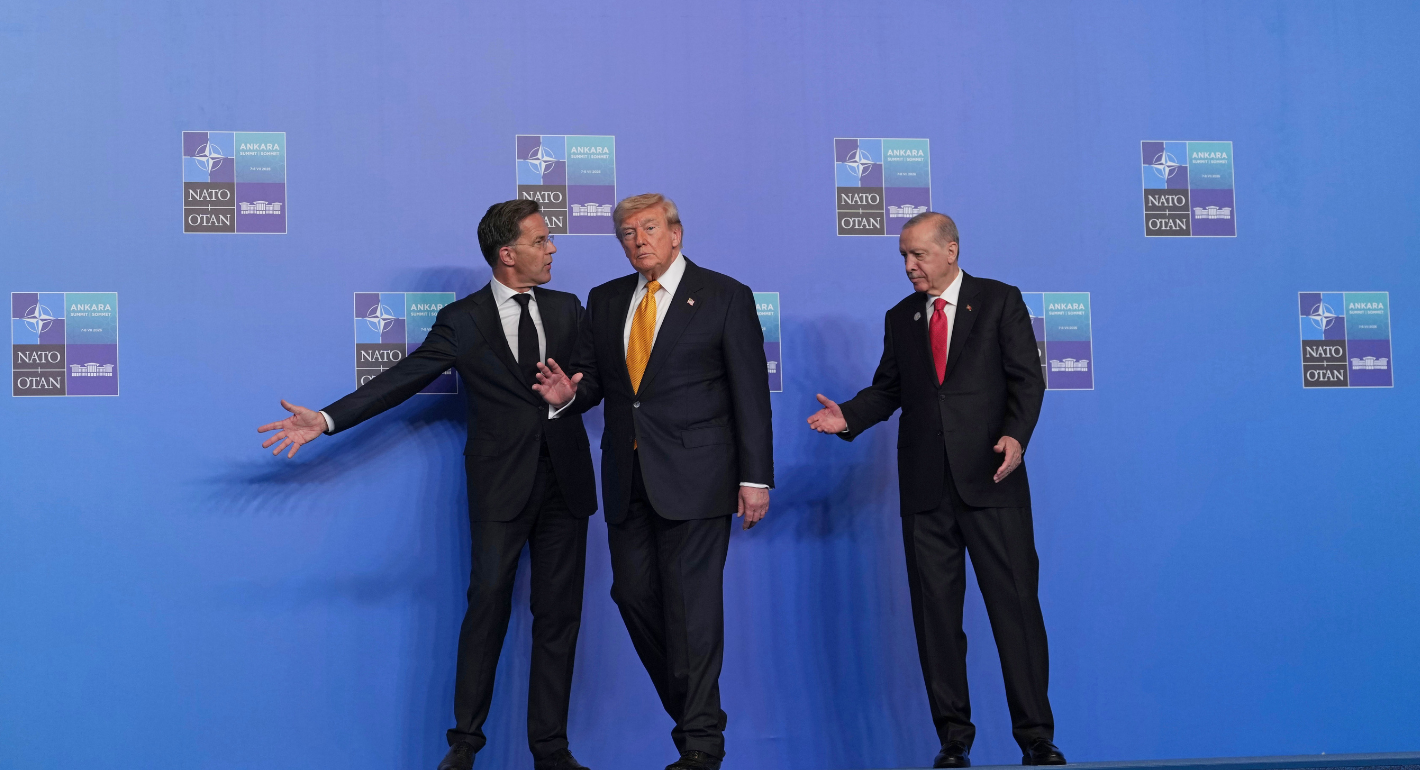
Nearly a year and a half after Europeans leaned into sucking up to Trump, the strategy has produced some benefits when it comes to Ukraine.
Rym Momtaz
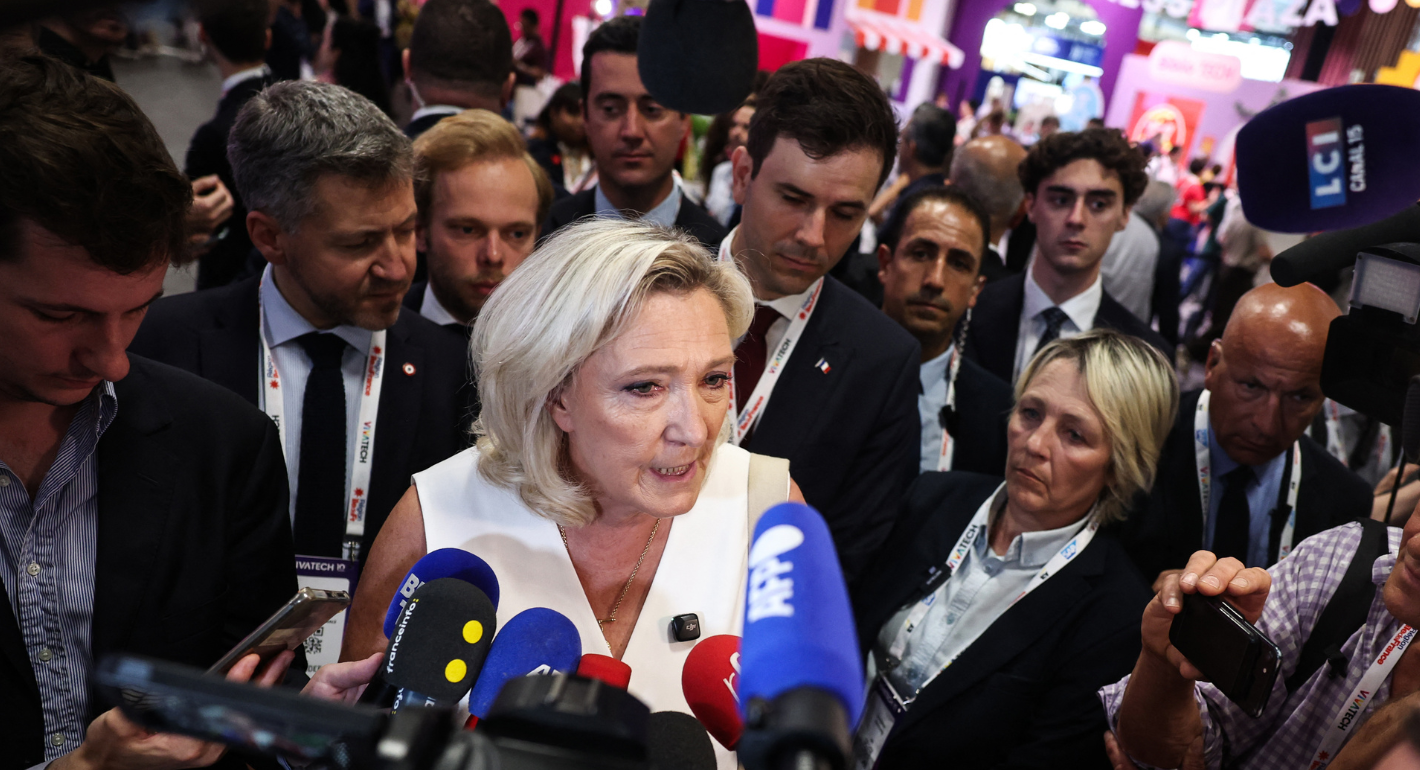
Far-right leader Marine Le Pen can—and will—run in France’s next presidential election. What does the outcome of her appeal against a 2025 embezzlement conviction mean for the country’s political future?

Catherine Fieschi