

Research
- +10
Jarrett Blanc, Thomas de Waal, Karim Sadjadpour, …
{
  "authors": [
    "Jarrett Blanc"
  ],
  "type": "commentary",
  "blog": "Strategic Europe",
  "centerAffiliationAll": "",
  "centers": [
    "Carnegie Endowment for International Peace",
    "Carnegie Europe"
  ],
  "collections": [
    "Iranian Proliferation",
    "Transatlantic Cooperation"
  ],
  "englishNewsletterAll": "",
  "nonEnglishNewsletterAll": "",
  "primaryCenter": "Carnegie Endowment for International Peace",
  "programAffiliation": "",
  "programs": [],
  "projects": [],
  "regions": [
    "North America",
    "United States",
    "Middle East",
    "Iran",
    "Europe"
  ],
  "topics": [
    "Foreign Policy",
    "Nuclear Policy",
    "Climate Change",
    "Security"
  ]
}
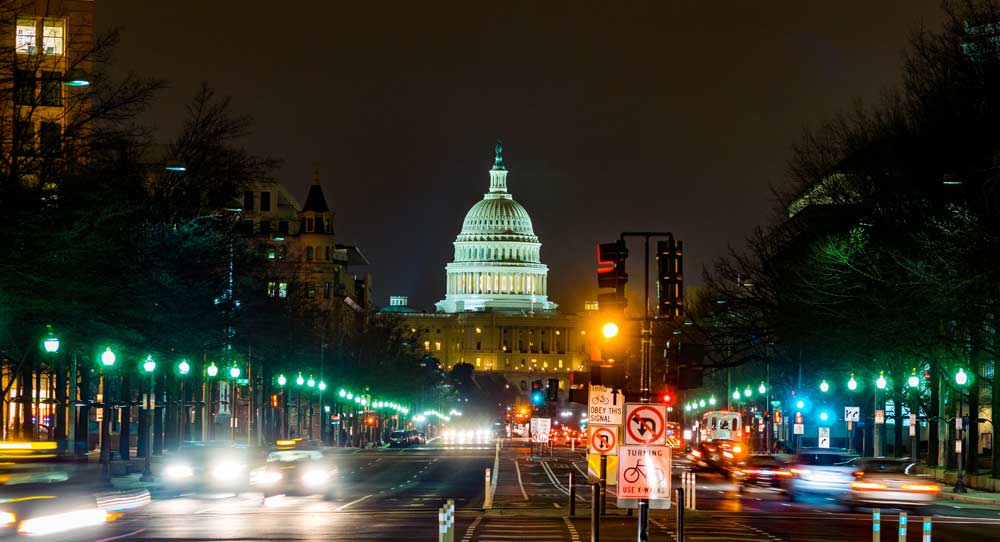
Source: Getty
European companies are doing business in Iran, undeterred by Trump’s rhetoric. This is surely a reason for the United States to be concerned about its own future influence.
I was outside of Zurich during the first week of October, attending the annual meeting of the Europe-Iran Forum, a major business conference. At the 2016 session, people were palpably anxious about the U.S. attitude toward Iran and the Joint Comprehensive Plan of Action (JCPOA), despite the Obama administration’s commitment to the deal.
The corridor chatter this year was different. Executives from across the continent were working on import, export, and investment deals with Iran. I could not stop thinking about E.F. Hutton, the old American brokerage firm with its ubiquitous, hokey ads in the 1970s and 1980s, promising that “when E.F. Hutton talks, people listen.” When the stock market collapsed in 1987, the firm was already suffering through prosecutions for check kiting and money laundering, and the company collapsed. Moral bankruptcy was followed by bankruptcy.
It has long been true that when the president of the United States or his representatives spoke, people listened. The U.S. constitution created a weak executive, but the president became the notional “leader of the free world.” The bully pulpit is essential to the power of the modern presidency.
The Iran case suggests that this presidential power is atrophying. President Trump gets a lot of attention, but people are not listening.
Trump has famously disempowered the people who are supposed to speak in his voice, contradicting them on critical issues ranging from why he fired FBI Director James Comey, to the U.S. position on the crisis between our Gulf allies, to the possibility of negotiations to reduce tensions on the Korean Peninsula. If that were it, Trump could argue that emasculating his cabinet is just a continuation of his attack on the establishment. But the president has also undercut himself.
In July, the U.S. administration certified to Congress that Iran is complying with its obligations under the JCPOA. Shortly after, Trump told the Wall Street Journal that he “would be surprised” to find Tehran in compliance again at the next certification deadline in October, even though there is no compelling case that Iran has violated the deal.
At the time, it seemed an indication that Trump planned to carry out campaign promises to withdraw from the Iran deal. More recently, it has become clear that the administration actually has a Rube Goldberg maneuver in mind, by which it does not certify compliance but persuades Congressional republicans not to reimpose sanctions lifted by the JCPOA, leaving the deal in place for now—if everything goes to plan.
Coming from another U.S. president, such a threat would have sent tremors through the community of European businesses looking to work in Iran. Major firms would have frozen business development efforts until the United States made and communicated a clear and firm decision about the JCPOA and Iran sanctions. Without actually violating the deal, the United States would have reminded Iran and other potential adversaries of the ease with which Washington can stymie economic development.
That is not what happened. The president’s drama is driving ratings, but a partial list of what we have actually seen on the ledger book since July includes:
This is not to say that there is a gold rush in Iran. The country is still a difficult place to do business with, mainly because of problems internal to Iran. International banking relationships are also a challenge, and not only because of the continuing U.S. primary embargo. But Europeans do not appear to be overly concerned with Trump’s rhetoric, which is reason for the United States to be concerned about its own future influence.
If the United States—either the president or Congress—does reimpose sanctions lifted under the JCPOA, this newfound lack of presidential credibility and authority will matter even more. Most of the nuclear sanctions were secondary sanctions, or restrictions on the ability of non-U.S. firms to do business with Iran. U.S. firms remain largely barred from Iranian transactions, except in a handful of sectors. Secondary sanctions are deeply unpopular among European governments and businesses, who see them as an effort to export U.S. law.
European officials have already warned that they will meet any secondary sanctions with countermeasures designed to discourage European firms from complying with U.S. law. Previous efforts to block U.S. sanctions have included promises of fines for companies that comply, compensation for companies that are penalized by the United States, and countermeasures against U.S. competitors.
Because these countermeasures have never been fully tested, it is not clear how the European private sector would react—it is easier to project the macroeconomic implications of what would in effect be a trade dispute than the microeconomic decisions of individual firms. At least in part, the decisions of firms will depend on the relative credibility of the United States and the EU in threatening fines or promising support. Under normal circumstances, the United States’ powerful regulatory and enforcement agencies would likely tip the balance toward compliance with U.S. law.
The deals European firms are cutting with Iran suggest that U.S. credibility is low, though. European leaders may well be able to persuade corporate leaders to continue ignoring Washington.
Influence can be lost, and lost quickly, by poor strategic and tactical decisions. If E.F. Hutton still had a platform, he might warn us that moral bankruptcy is not just bad; it is bad for business.
Jarrett Blanc is a senior fellow in the Geoeconomics and Strategy Program at the Carnegie Endowment for International Peace. He was previously the State Department coordinator for Iran nuclear implementation at the U.S. Department of State under President Obama, responsible for the full and effective implementation of the Joint Comprehensive Plan of Action (JCPOA).
Former Senior Fellow, Geoeconomics and Strategy Program
Jarrett Blanc was a senior fellow in the Geoeconomics and Strategy Program at the Carnegie Endowment for International Peace.
Recent Work


Jarrett Blanc, Thomas de Waal, Karim Sadjadpour, …

Dan Baer, Rosa Balfour, Jarrett Blanc, …
Carnegie does not take institutional positions on public policy issues; the views represented herein are those of the author(s) and do not necessarily reflect the views of Carnegie, its staff, or its trustees.
Trump is distracted and Ukraine wants Europe to step up. The continent’s leaders must find their voice and assert it in talks with Russia.

Alissa de Carbonnel

Mounting economic strain and battlefield losses will not necessarily make the Kremlin less dangerous. They could instead push Moscow toward a more aggressive hybrid campaign designed to test NATO’s Eastern flank, exploit allied hesitation, and fracture European resolve.

Maksym Beznosiuk
Over the past ten years, NATO has held almost as many summits as it did during the entirety of the Cold War. Are they still useful, or is it time to stop holding annual meetings?

Rym Momtaz, ed.
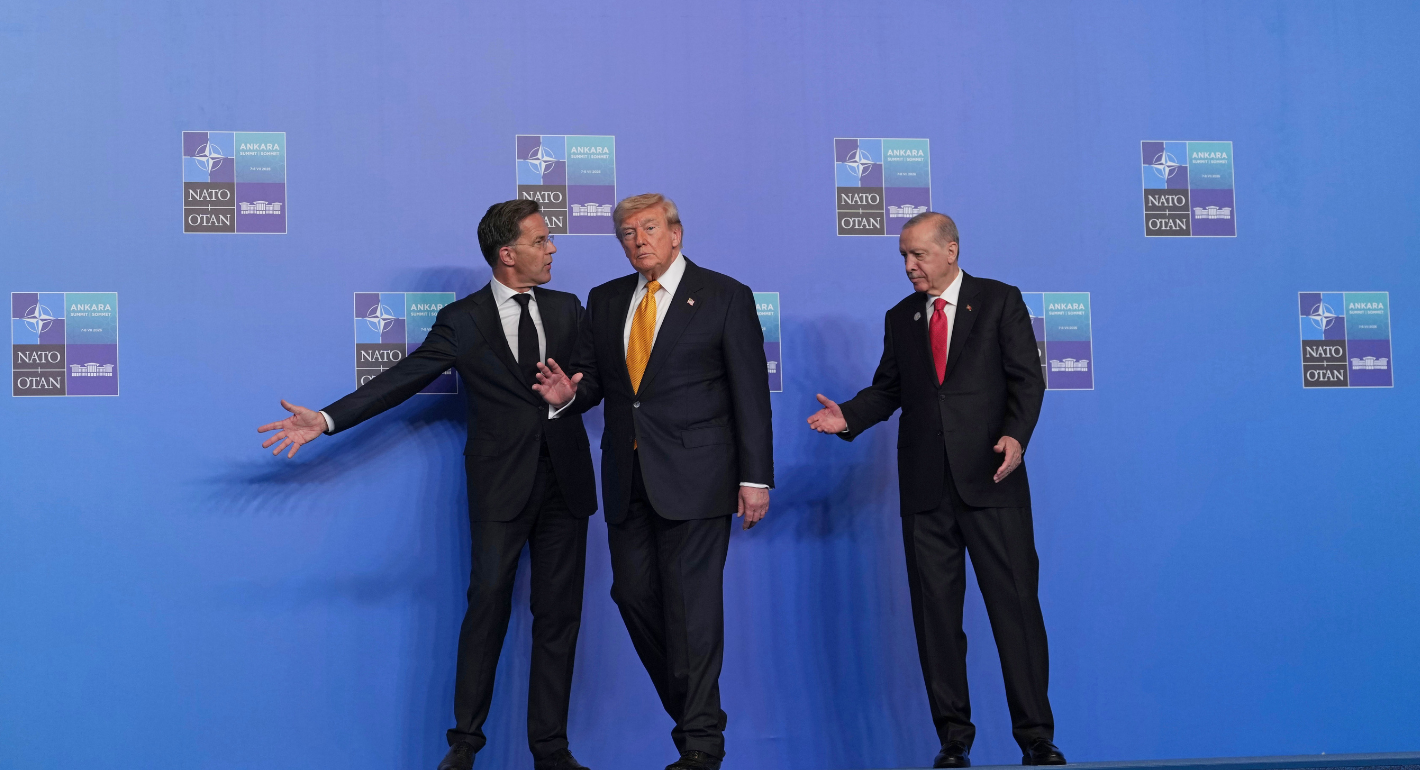
Nearly a year and a half after Europeans leaned into sucking up to Trump, the strategy has produced some benefits when it comes to Ukraine.
Rym Momtaz
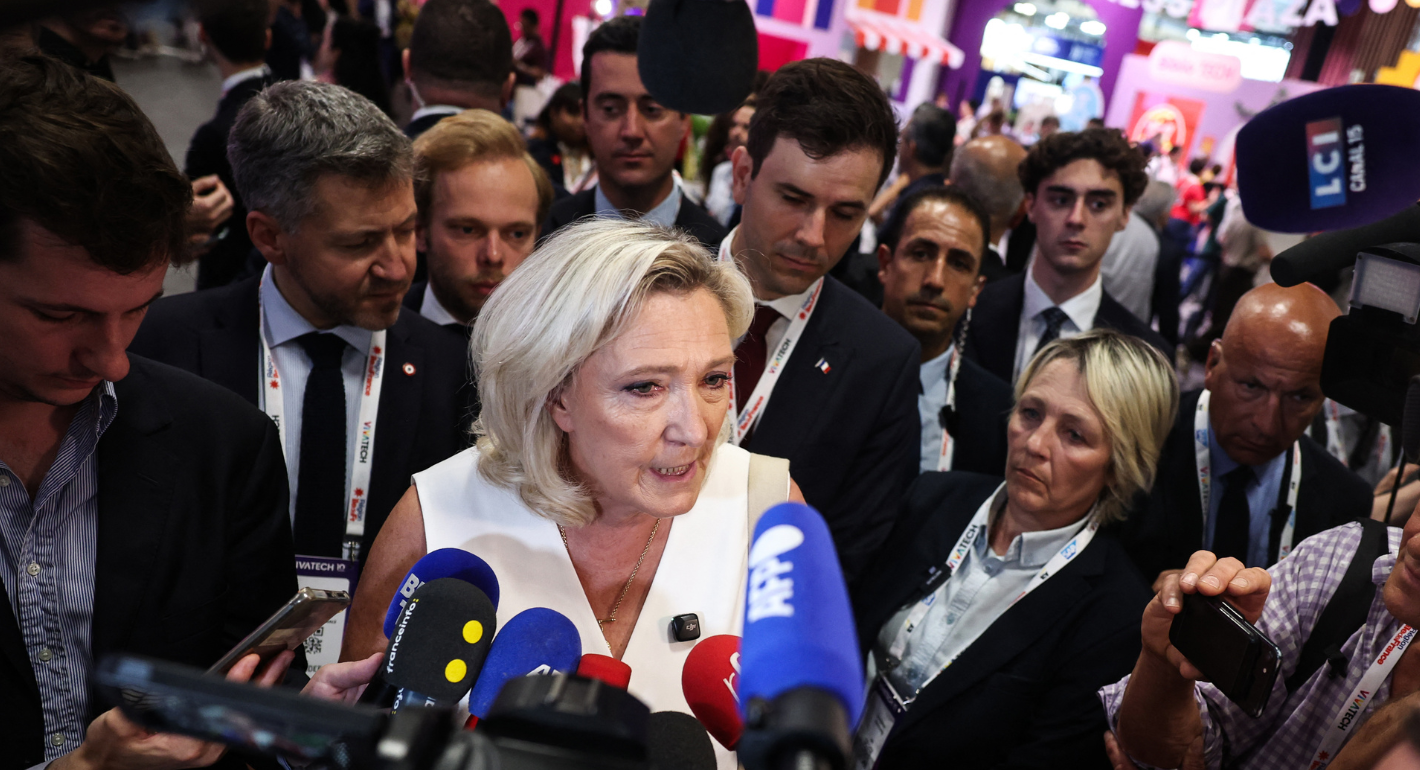
Far-right leader Marine Le Pen can—and will—run in France’s next presidential election. What does the outcome of her appeal against a 2025 embezzlement conviction mean for the country’s political future?

Catherine Fieschi