

Paper
Erik Brattberg, Tomáš Valášek
{
  "authors": [
    "Tomáš Valášek"
  ],
  "type": "commentary",
  "blog": "Strategic Europe",
  "centerAffiliationAll": "",
  "centers": [
    "Carnegie Endowment for International Peace",
    "Carnegie Europe"
  ],
  "collections": [
    "Transatlantic Cooperation"
  ],
  "englishNewsletterAll": "",
  "nonEnglishNewsletterAll": "",
  "primaryCenter": "Carnegie Europe",
  "programAffiliation": "",
  "programs": [],
  "projects": [],
  "regions": [
    "Europe",
    "Western Europe",
    "France"
  ],
  "topics": [
    "Foreign Policy",
    "EU",
    "Security",
    "Military"
  ]
}
Source: Getty
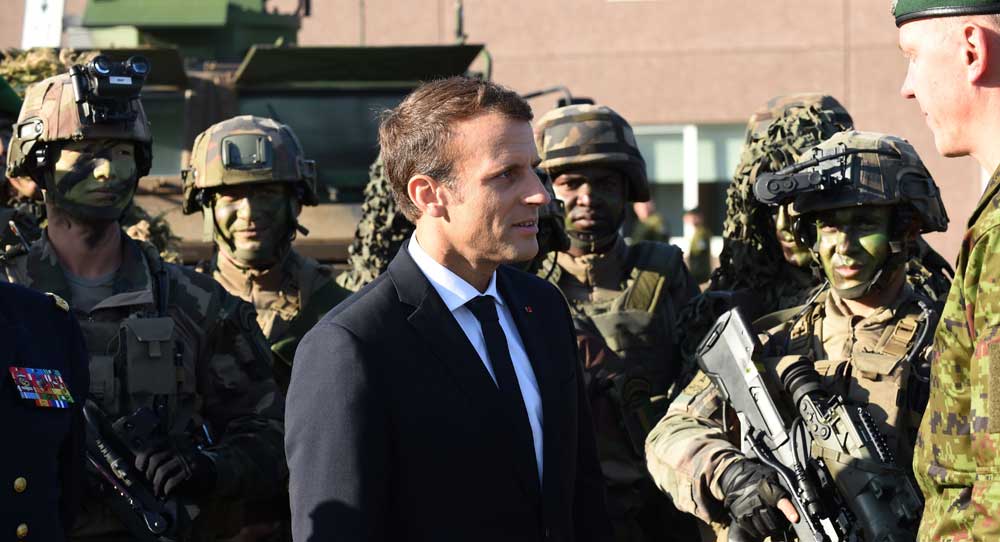
France is committed to taking on more responsibility for the defense of Europe without alienating or competing with NATO.
France has not always had an easy relationship with NATO. While most of the country’s armed forces are pleased that it is a member of the alliance, many of its diplomats regard the EU project as incomplete as long as the United States ultimately guarantees the continent’s defense. Hence the frequent allusions in EU documents to the need for “strategic autonomy”—a plea from part of the political class in Paris, but also beyond, for the European Union to aspire to assume NATO’s role at some point.
President Emmanuel Macron broke with French stereotype in his September 26 speech on the future of the European Union. All three of his new defense proposals—the headline-grabbing EU “intervention force,” the call for an EU defense budget, and the plea for EU nationals to be free to serve in any member state’s armed forces—appear calibrated to send European hearts racing while avoiding a theological dispute with NATO. That must come as a relief to Atlanticists.
The use of the word “intervention” is noteworthy as it appears to clarify that the proposed joint EU force would operate beyond EU and NATO borders. Implicitly, it would leave the responsibility for defending the member states to the countries themselves, and—should they fail—to the alliance (the French president himself did not elaborate, but Paris insiders confirm this interpretation.) Notably, Macron has also omitted the call for “strategic” autonomy for Europe; choosing instead to emphasize the need for “operational” autonomy.
The appeal for an EU defense budget has raised a few eyebrows on both sides of the Atlantic, though not necessarily in a way the president intended. It seemed to suggest that EU countries should pool defense monies in one fund. This is incorrect, say those familiar with Macron’s thinking—France itself would never agree to such transfer of authority. The idea is to expand the European defense fund (EDF), which cofinances purchases of military materiel, and to increase the pool of money that reimburses expenses incurred by member states on EU operations. The first strand, in particular, could be of direct benefit beyond the EU.
By giving governments a reason to buy defense equipment jointly, EDF grants could improve the value that EU countries get for their procurement budgets. NATO stands to benefit from better equipped and more capable European militaries as much as the EU does.
The notion that any EU country’s armed forces should be open to nationals of other member states will find limited interest. First, many governments will object on competence grounds—they prefer decisions on military composition to remain with the capitals. Macron seems aware of the sensitivities: he offered to lead by example, implicitly acknowledging that decisions on the subject will have to be taken on a voluntary basis. Many capitals will not join for practical reasons: pay differences among EU militaries are such that some Central and Southern European countries would be unable to compete for volunteers without ruinous increases in defense budgets.
The exchanges will probably turn out to be temporary and limited in numbers—a military Erasmus rather than an EU military. This could serve both the union and NATO well. One impediment to joint operations is that countries do not have the same appetite for risk, or the same response to tactical surprises. Macron acknowledged these doctrinal differences in his Sorbonne speech. Yet, military exchanges could help. In the short run they familiarize officers with the mindsets of other armed forces; in the long run, as officers move up the chain of command and start making decisions about their country’s military, the doctrines could start resembling each other.
Macron made no reference at the Sorbonne to a European army or the European Defense Union, as proposed by the president of the European Commission in his 2017 State of the Union address. A speech about European integration took a refreshingly nonzero sum view of relations with NATO. This may seem inconsistent with past French preferences on the subject, but Macron appears to be affirming a new trend started by former French president Nicolas Sarkozy, who ordered the return of French officers to NATO’s command structure, ending a de Gaulle-era policy. It seems directly related to the unprecedented expansion of French military commitments, but also to the growing concern in Europe, predating Donald Trump, about U.S. staying power. The more hands-on responsibility France takes for the defense of itself and its fellow Europeans, the less theological the prism through which it views the relationship with the alliance. The EU and NATO will continue to disagree on issues, such as defense industrial policy, or the need for separate reviews of member states’ defense capabilities. But these are manageable differences, even if important. A truce on the bigger issue of who guarantees Europe’s defense will come as a relief.
Carnegie Europe is grateful to the North Atlantic Treaty Organization for its support of this publication.
Former Director, Carnegie Europe
Valášek was director of Carnegie Europe and a senior fellow, where his research focused on security and defense, transatlantic relations, and Europe’s Eastern neighborhood.
Recent Work
Erik Brattberg, Tomáš Valášek
Tomáš Valášek
Carnegie does not take institutional positions on public policy issues; the views represented herein are those of the author(s) and do not necessarily reflect the views of Carnegie, its staff, or its trustees.
After spending much of 2025 trying to placate Donald Trump, some European leaders are starting to change posture. But is even a hostile Washington still so important to Europe that the U.S. president’s outbursts are worth putting up with?

Rym Momtaz, ed.
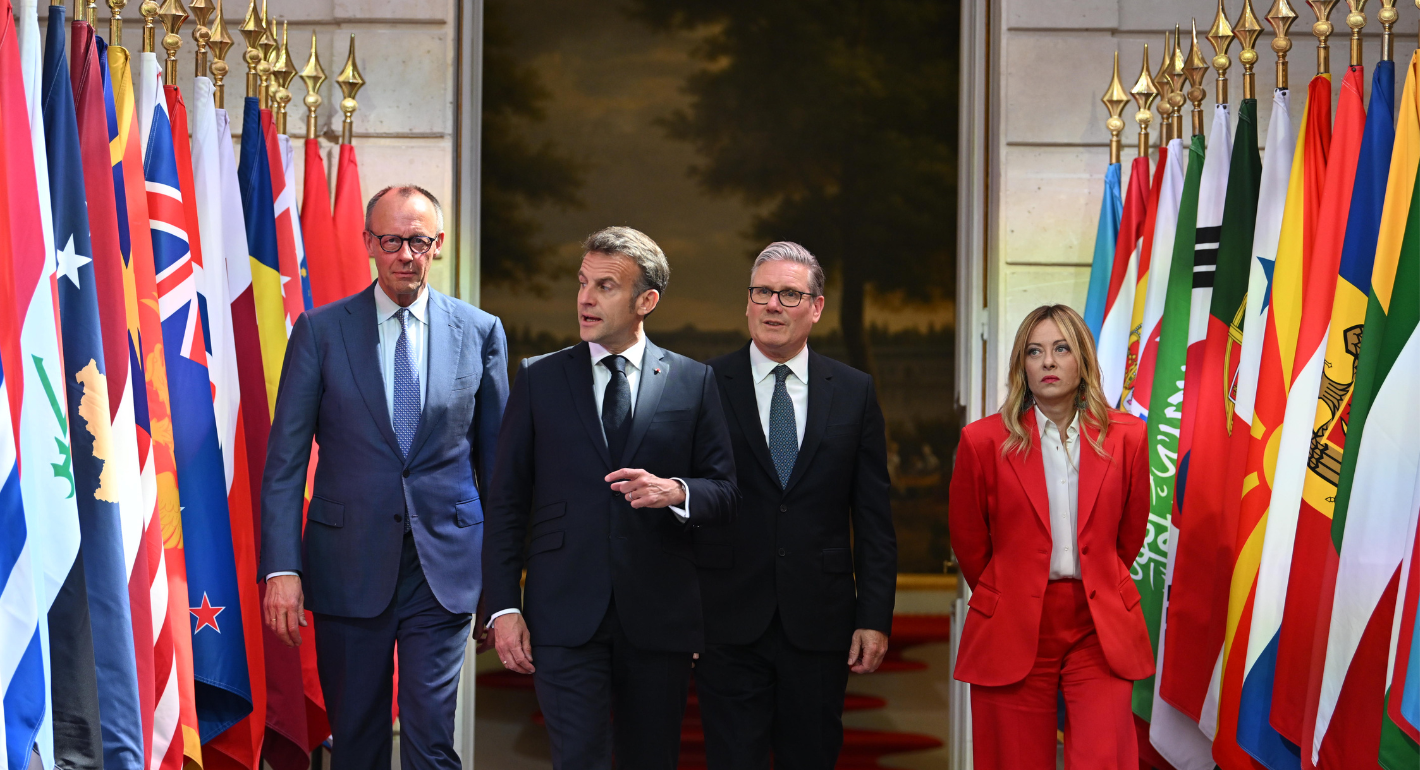
European leaders have now not only lost faith in Donald Trump’s U.S. presidency, but also in America’s hegemony as a whole. But short-term challenges make an immediate divorce unwise.
Rym Momtaz
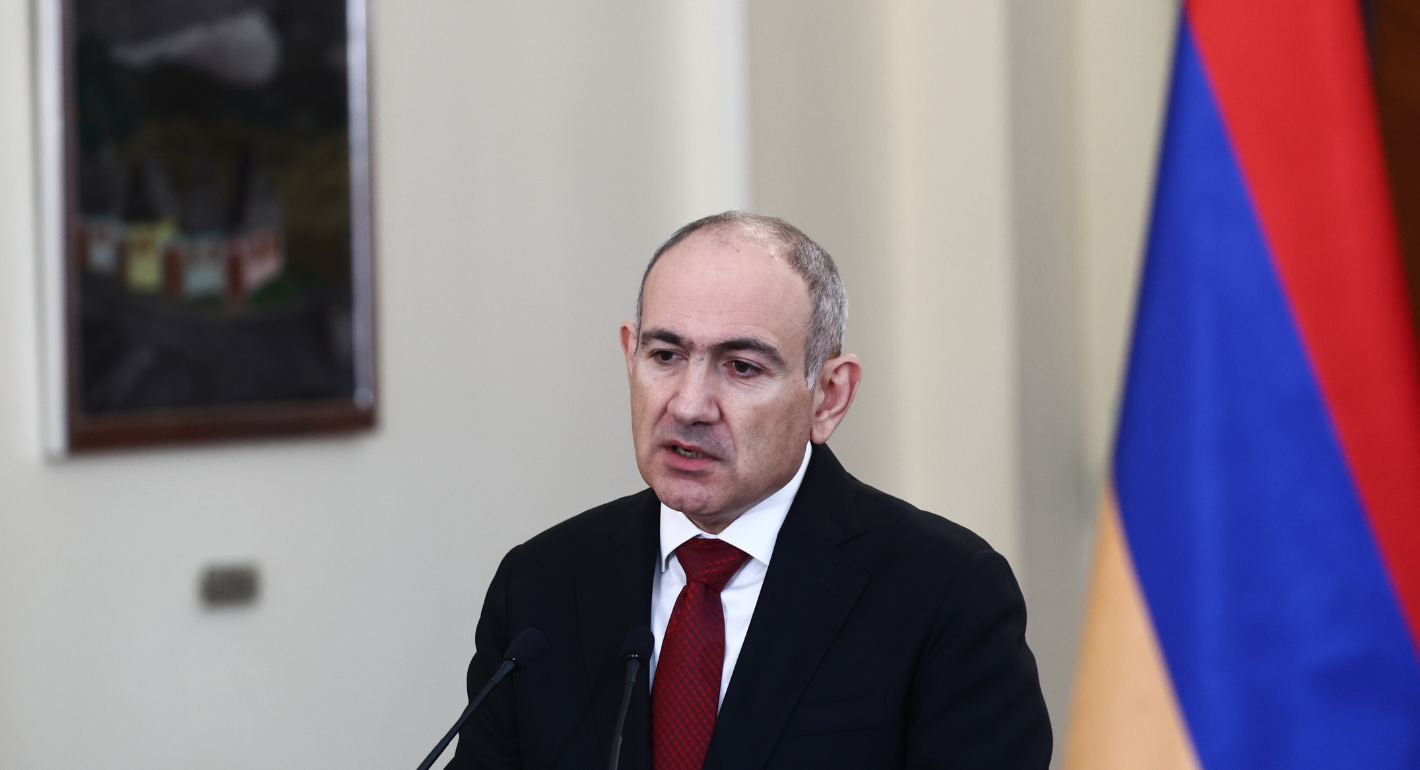
Europe has an interest in supporting Armenian leader Nikol Pashinyan as he tries to make peace with neighbors and loosen ties with Russia. But it is depersonalized support in the long term, not quickfire flash, that will win the day.

Thomas de Waal
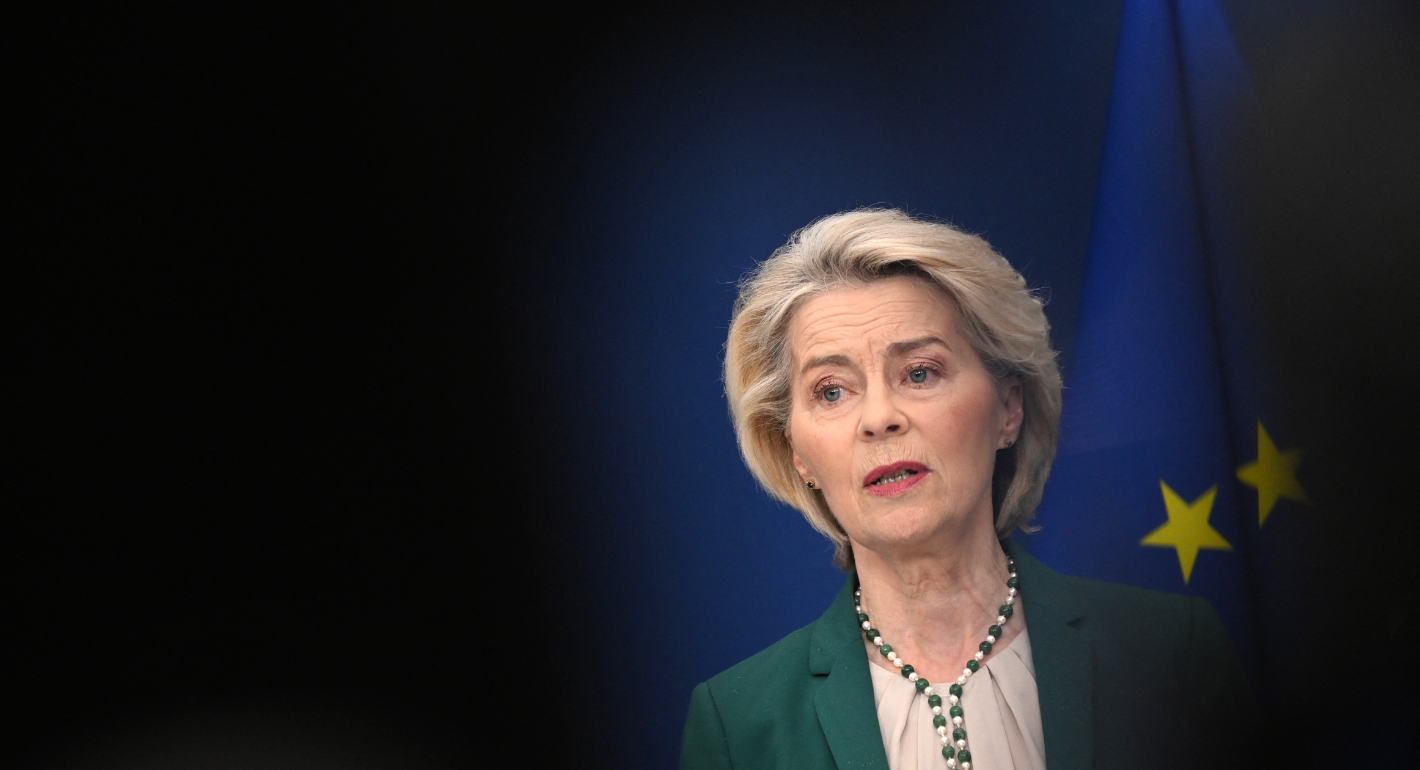
Following Ursula von der Leyen’s gaffe equating Turkey to Russia and China, relations with Ankara risk deteriorating even further. Without better, more consistent diplomatic messaging, how can the EU pretend to be a geopolitical power?

Sinan Ülgen
Closer EU-UK ties could help address urgent European concerns. But is the EU ready for rapprochement with the United Kingdom?
Rym Momtaz, ed.