

Commentary
Judy Dempsey
{
  "authors": [
    "Judy Dempsey"
  ],
  "type": "commentary",
  "blog": "Strategic Europe",
  "centerAffiliationAll": "",
  "centers": [
    "Carnegie Endowment for International Peace",
    "Carnegie Europe"
  ],
  "collections": [
    "EU Integration and Enlargement"
  ],
  "englishNewsletterAll": "",
  "nonEnglishNewsletterAll": "",
  "primaryCenter": "Carnegie Europe",
  "programAffiliation": "",
  "programs": [],
  "projects": [],
  "regions": [
    "Europe",
    "Western Europe",
    "Germany"
  ],
  "topics": [
    "EU",
    "Democracy",
    "Security"
  ]
}
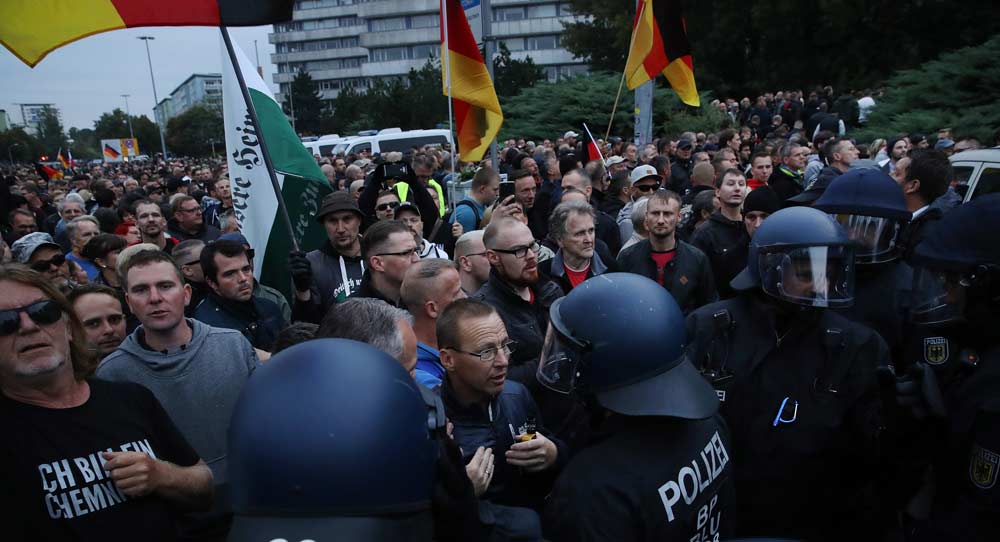
Source: Getty
Demonstrations in the Eastern German city of Chemnitz reflect the complexity of the refugee and anti-foreigner debate.
By no stretch of the imagination is Chemnitz a pretty city.
I remember visiting it back in the early 1990s, when this part of Eastern Germany was in the throes of a major upheaval. This city, with swathes of concrete buildings and apartment blocks, was, to put it mildly, grim. If the collapse of the Berlin Wall in November 1989 was greeted with exuberance, what followed in places like Chemnitz turned out to be devastating for the local population.
This part of Saxony was hit hard by the radical restructuring of the economy that took place during the early 1990s. Huge uncompetitive industries, from chemical plants to oil refineries, were closed almost overnight. Many thousands of people were left without a job. The educated, particularly young women, fled this part of the country to work in Western Germany. Resentment was never far from the surface.The recent riots in Chemnitz, precipitated by the stabbing-to-death of a German allegedly by an Iraqi and a Syrian asylum seeker, brought everything to the surface.
For several years, the political elites in Saxony were in denial about what was happening in this state. It ranked number one in Germany for hate crimes against foreigners. It also bred the National Socialist Underground (NSU), a right-wing terrorist group that between 2000 and 2007 murdered nine immigrants and one policewoman. Then there are the neo-Nazi movements with strong informal networks, whether among football clubs or right-wing rock bands.
Because the political elites were in denial, they often turned a blind eye to the rise of far right-wing movements, including Pegida, an anti-foreigner movement, and the ever-growing influence of the Alternative for Deutschland (AFD), which has moved away from being a Euroskeptic party to what can only be described as a cynical, nationalist movement that has strong anti-Semitic sentiments.
Such anti-Semitic views were not expressed during the riots in Chemnitz. Instead, the anger was directed at refugees from the Middle East—anyone who looked different. Above all, the anger was directed at the police and politicians. Those interviewed over the past week spoke about the lack of security, of not being safe, of their concerns not being taken seriously. Any dialogue with the locals was almost absent. Any discussion about the role of the state institutions was off the agenda. When the prime minister of Saxony, Michael Kretschmer, held a town-hall meeting last week, the Christian Democract politician was booed by an audience that clearly didn’t trust him or the state institutions.
A few examples.
A television crew from the public ZDF network had filmed demonstrations in August organized by Pegida in the state capital, Dresden. One of the demonstrators shouted out and demanded that he not be filmed. The crew was detained by the police for 45 minutes. It later turned out that the demonstrator was none other than an official working in the state office of criminal investigation.
During the Chemnitz demonstrations, a justice official from Dresden took a picture of the arrest warrant for the two men from Iraq and Syria. He then illegally listed their full names, and the names of witnesses and the judges involved, and then spread it through right-wing social media. Who knows the extent of support in the state institutions for such right-wing movements?
Then there is the degree of incompetence by the judicial authorities. The Iraqi was allegedly known for being involved in criminal activities, but little was done about it. There was a far worse cover up by the Berlin police of Anis Amri. Amri had hijacked a truck and rammed into a Christmas market in Berlin two years ago, killing twelve people and seriously injuring 55 people.
So far, only one federal cabinet minister—the East German-born family minister—has visited Chemnitz. Horst Seehofer, the interior minister who has railed against Chancellor Angela Merkel’s open-door policy under which one million refugees entered Germany in 2015, has yet to visit the city. Merkel herself, busy wrapping up a tour in Africa, has spoken out about the attacks against foreigners. But Merkel hasn’t really reached out to explain to Germans how the integration of the refugees is going to work in ways that will reassure skeptics that her decision was the right one.
Instead, Merkel has hardened her policies by forging deals with Turkey and other countries to prevent refugees and migrants from reaching Germany. And she, like other European leaders, are desperate for the war in Syria to end.
The Assad regime’s attack on the last rebel stronghold in Idlib, backed by Russia and Iran, may end the war. The Europeans will be under immense pressure to help with the country’s reconstruction. If not, Russian President Vladimir Putin warned during his recent visit to Germany, the flow of refugees will continue. But that’s another chapter about Europe’s ignominious role in the Syrian war and in its inability to agree to a common, decent, refugee and asylum policy. Chemnitz encapsulates all these issues.

Nonresident Senior Fellow, Carnegie Europe
Judy Dempsey is a nonresident senior fellow at Carnegie Europe
Recent Work
Judy Dempsey
Judy Dempsey
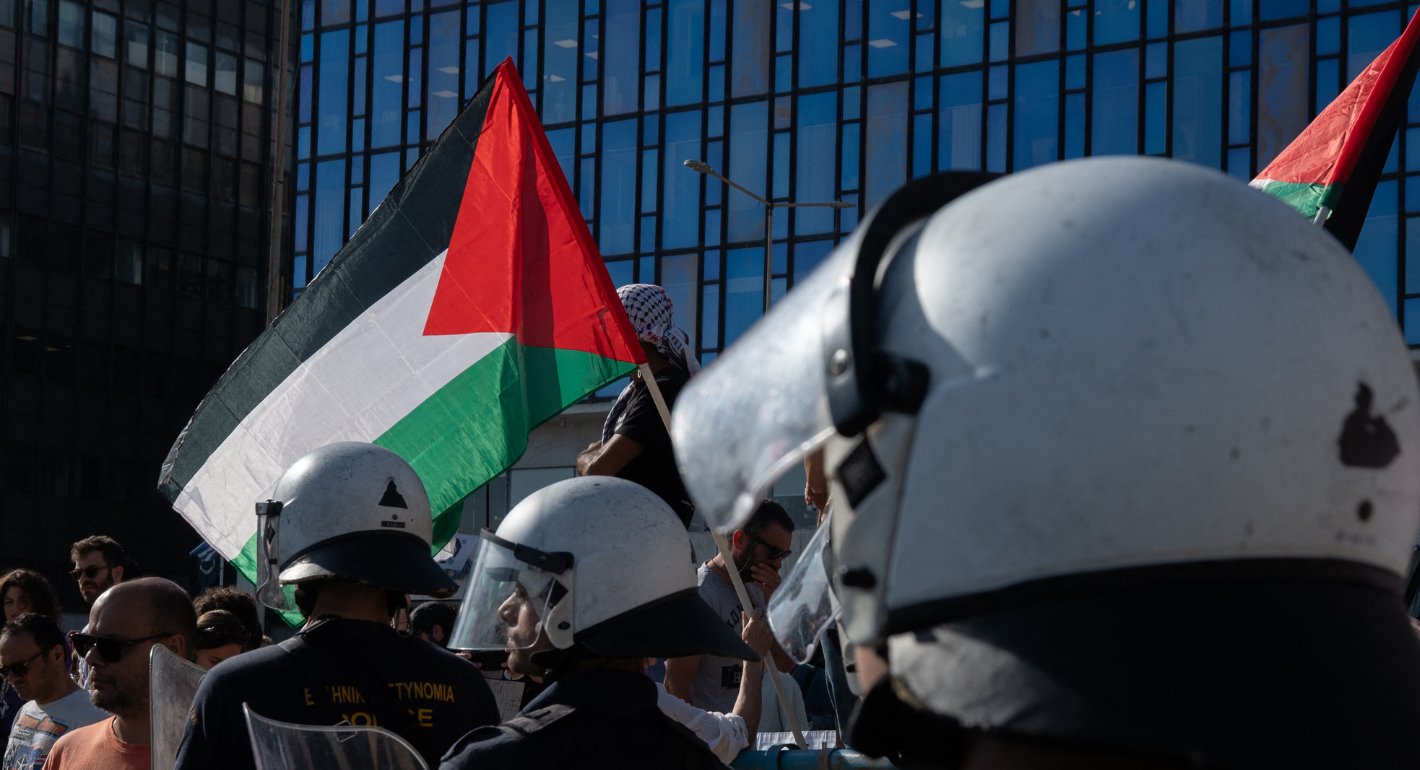
The battle over free speech has taken center stage since U.S. Vice President JD Vance accused Europe of censorship. From travel bans to social media regulation, especially around the Israel-Palestine conflict, are liberal democratic governments weaponizing free speech?

Rym Momtaz, ed.
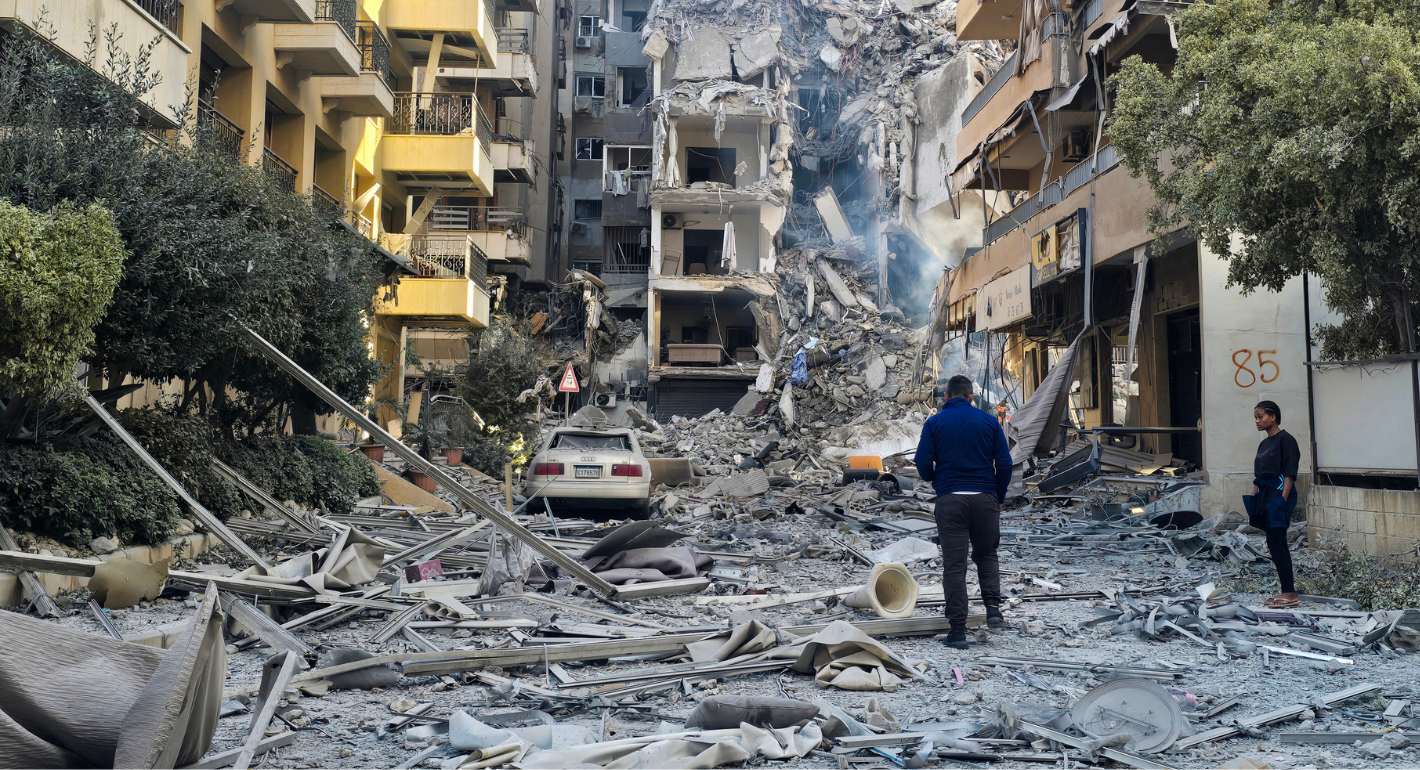
Europe seems to have accepted its sidelining in the Middle East. The EU must reassert its support for the international rules-based order and step up engagement.
Rym Momtaz

Amid uncertainty caused by the Iran war, the global drive for nonproliferation has stalled. With Europe diplomatically marginalized and countries reassessing their nuclear options, efforts to curb the spread of nuclear weapons risk becoming irrelevant.
Jane Darby Menton
Preparing candidate countries for EU membership is no longer enough. As the enlargement process becomes a reality, the union must also prepare its own societies.

Iliriana Gjoni
Five countries staged the biggest political boycott in Eurovision history over Israel’s participation. With the FIFA World Cup and other sporting or cultural touchstones on the horizon, are boycotts effective?
Rym Momtaz, ed.