

Commentary
Trump is distracted and Ukraine wants Europe to step up. The continent’s leaders must find their voice and assert it in talks with Russia.
Alissa de Carbonnel
{
  "authors": [
    "Luke Cooper"
  ],
  "type": "commentary",
  "blog": "Strategic Europe",
  "centerAffiliationAll": "",
  "centers": [
    "Carnegie Endowment for International Peace",
    "Carnegie Europe"
  ],
  "collections": [],
  "englishNewsletterAll": "",
  "nonEnglishNewsletterAll": "",
  "primaryCenter": "Carnegie Endowment for International Peace",
  "programAffiliation": "",
  "programs": [],
  "projects": [],
  "regions": [
    "East Asia",
    "China",
    "Western Europe",
    "Europe",
    "Asia"
  ],
  "topics": [
    "Democracy",
    "Economy",
    "Foreign Policy",
    "EU",
    "Global Governance"
  ]
}
Source: Getty
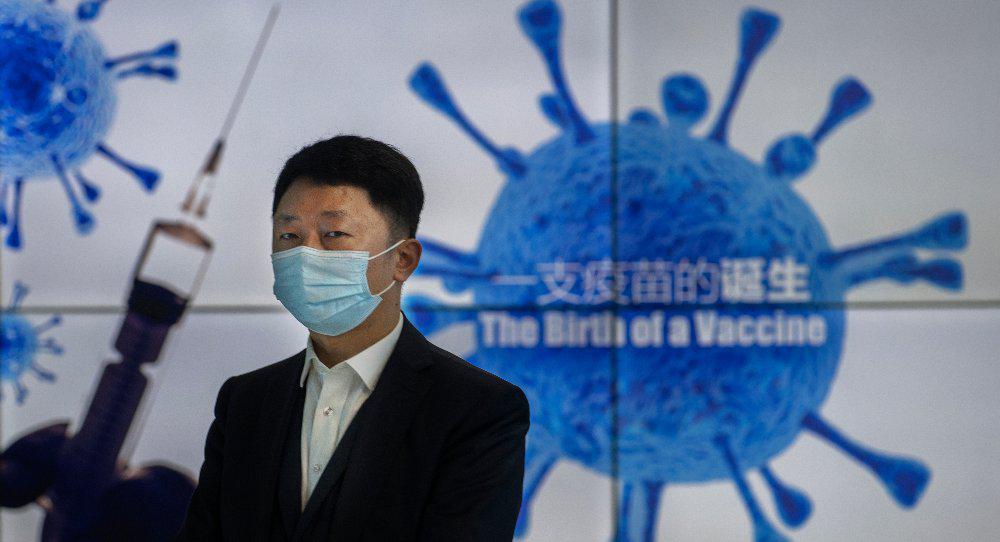
The EU should back a coordinated global industrial strategy, including vaccine production facilities across the world, otherwise China will plug the gap. That means challenging private-sector patent monopolies.
“This is both a crisis and a big test for us,” remarked Chinese President Xi Jinping in February 2020. He was right. The coronavirus pandemic would become a major test for every governing system in the world. By any fair account, China, as one of the world’s new great powers, has passed with flying colors.
Xi has made extensive use of infrastructure investment to expand Beijing’s global alliances. This was borne out at the UN when, in July 2020, fifty-three countries supported the Chinese position on a new national security law in Hong Kong. They included many African states and significantly outnumbered the twenty-seven predominantly Western states that spoke out against the law.
No wonder that vaccines could easily become China’s next big win. That is all the more reason for democratic governments to act strategically and soon. The G7 and the EU are in strong positions to lead a truly global effort to vaccinate the world. But this will mean taking a hard look at patents.
Despite all the arguments over vaccines in Europe, the most important strategic element to the global picture has been missed. The shortage of vaccines is not primarily a procurement problem—whether states can afford to buy them—but a production one—whether states can be allowed to make them.
This is why the EU’s issues with pharmaceutical company AstraZeneca should be seen not as separate from the challenge facing highly impoverished states but as conjoined to it. Both sets of difficulties arise from the problem of vaccine patents limiting supply. The solution is within the grasp of democrats: a coordinated, global industrial effort.
In the first phase of the pandemic, the relationship between wealth and effective responses was indirect. While testing capacity has been a problem in many states, the nonpharmaceutical methods that were key to flattening the curve of the epidemic—lockdowns, quarantine, and contact tracing—were often used effectively in poor and middle-income countries. This is not the case in the pandemic’s new phase: the urgent need to vaccinate the world.
China responded rapidly with its Health Silk Road policy, which echoed the language of its Belt and Road infrastructure program, and has already signed up scores of countries for vaccine donations.
EU states are only slowly waking up to the rise of Chinese soft power. In February, French President Emmanuel Macron urged EU governments to respond with their own vaccine diplomacy and send surplus supplies to African states. But he and other European leaders continue to misdiagnose the vaccine problem as a matter of procurement. In truth, a radical expansion of production is required. That can happen only if private-sector patent monopolies are firmly challenged.
Governments have poured large amounts of public money into producing these vaccines. The Moderna vaccine has been nearly entirely funded by U.S. taxpayers but is being sold at a fully commercial price for private profit. Even though some other companies, like AstraZeneca, are charging much less per dose, they still retain their patent rights over supply. This means that the full potential of global production is simply not being realized.
South Africa and India have proposed a temporary suspension of coronavirus patents. This would allow manufacturers all over the world to join the global effort. The World Health Organization has backed this demand and established a “COVID-19 Technology Access Pool” to share knowledge and resources equitably and allow a rapid exit from the pandemic.
There are signs that the White House may be prepared to throw its huge political weight behind this effort. Speaker of the U.S. House of Representatives Nancy Pelosi has written to U.S. President Joe Biden to ask him to consider the question. And—in a revealing turn of events—it was established in March that the U.S. government has patent license claims over the Moderna, Johnson & Johnson, Novavax, CureVac, and Pfizer/BioNTech vaccines. So, private monopoly control has become even less justifiable. Meanwhile, question marks over the efficacy of the Chinese vaccines underline the crucial global role the G7 and the EU must play.
This is a big opportunity for democracies to put themselves on the right side of history. This is not a panacea. In the fragmented, fluid circumstances of this century, authoritarian politics should be viewed as an ongoing policy problem, which reflects the disruptions that all societies are facing.
China’s authoritarian and ethnic nationalist turn under Xi is hardly unique over the last decade—even if it takes very specific forms compared with the wider landscape of democratic regression globally. But perception matters. The legitimacy that Xi’s China has garnered is not inconsequential to democracy’s future.
All the more reason for democracies to grasp that strategic challenge. They need to show they can deliver with measures that understand the scale of the crisis. A coordinated industrial strategy, including vaccine production facilities across the world, is the kind of recipe needed to regain the political momentum. Can Europe and the United States summon the courage to do it?
Luke Cooper is a consultant and associate researcher at LSE IDEAS, the foreign policy think tank of the London School of Economics.
Luke Cooper
London School of Economics
Luke Cooper is a consultant and associate researcher at LSE IDEAS, the foreign policy think tank of the London School of Economics.
Carnegie does not take institutional positions on public policy issues; the views represented herein are those of the author(s) and do not necessarily reflect the views of Carnegie, its staff, or its trustees.

Trump is distracted and Ukraine wants Europe to step up. The continent’s leaders must find their voice and assert it in talks with Russia.

Alissa de Carbonnel

Mounting economic strain and battlefield losses will not necessarily make the Kremlin less dangerous. They could instead push Moscow toward a more aggressive hybrid campaign designed to test NATO’s Eastern flank, exploit allied hesitation, and fracture European resolve.

Maksym Beznosiuk

Over the past ten years, NATO has held almost as many summits as it did during the entirety of the Cold War. Are they still useful, or is it time to stop holding annual meetings?

Rym Momtaz, ed.
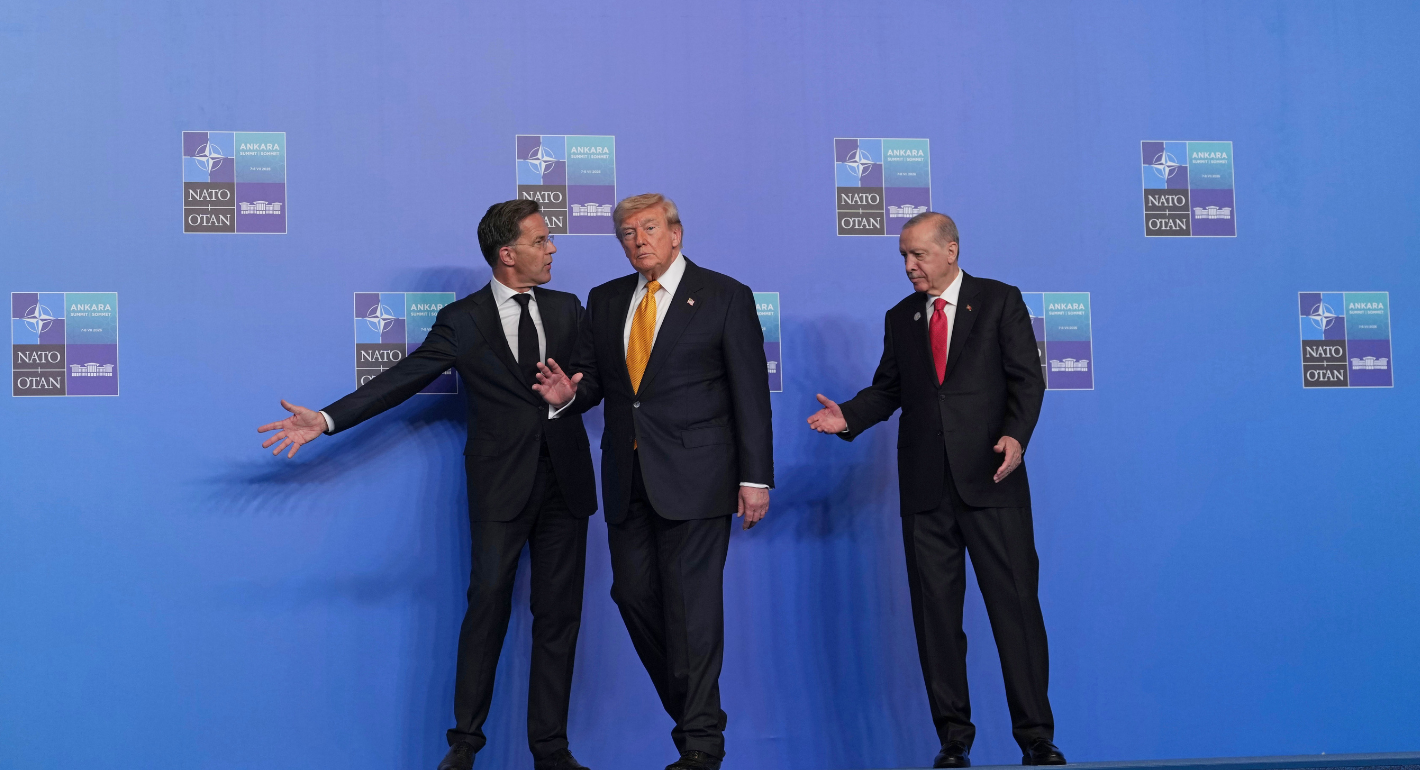
Nearly a year and a half after Europeans leaned into sucking up to Trump, the strategy has produced some benefits when it comes to Ukraine.
Rym Momtaz
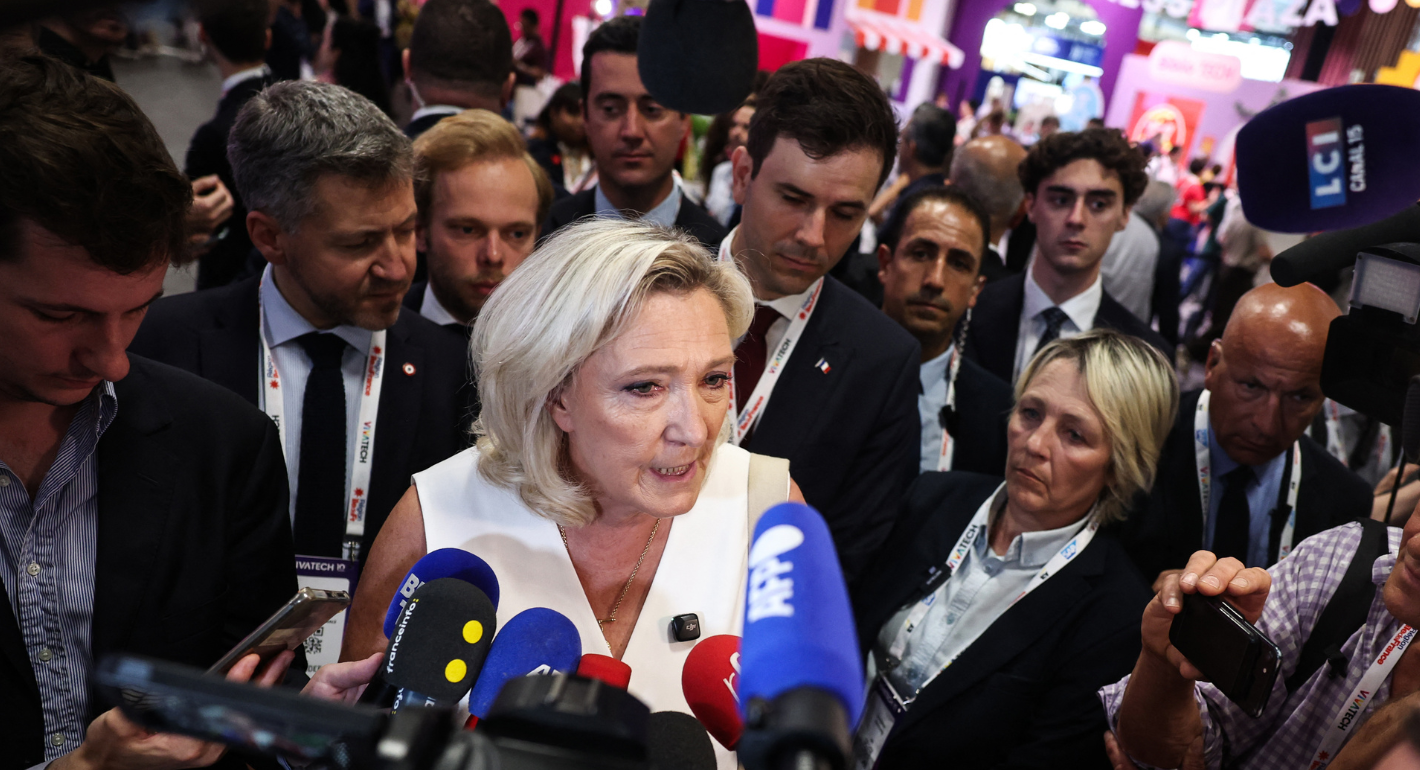
Far-right leader Marine Le Pen can—and will—run in France’s next presidential election. What does the outcome of her appeal against a 2025 embezzlement conviction mean for the country’s political future?

Catherine Fieschi