

Commentary
Judy Dempsey
{
  "authors": [
    "Judy Dempsey"
  ],
  "type": "commentary",
  "blog": "Strategic Europe",
  "centerAffiliationAll": "",
  "centers": [
    "Carnegie Endowment for International Peace",
    "Carnegie Europe"
  ],
  "collections": [
    "Europe’s Eastern Neighborhood"
  ],
  "englishNewsletterAll": "",
  "nonEnglishNewsletterAll": "",
  "primaryCenter": "Carnegie Europe",
  "programAffiliation": "",
  "programs": [],
  "projects": [],
  "regions": [
    "Asia",
    "Russia",
    "Europe",
    "North America",
    "Eastern Europe",
    "East Asia",
    "China"
  ],
  "topics": [
    "Foreign Policy",
    "Security",
    "Economy",
    "Democracy",
    "EU",
    "Climate Change",
    "Global Governance"
  ]
}
Source: Getty
The outcome of Russia’s war on Ukraine will determine who sets the political and economic rules for the coming decades. At stake is the rules-based international order.
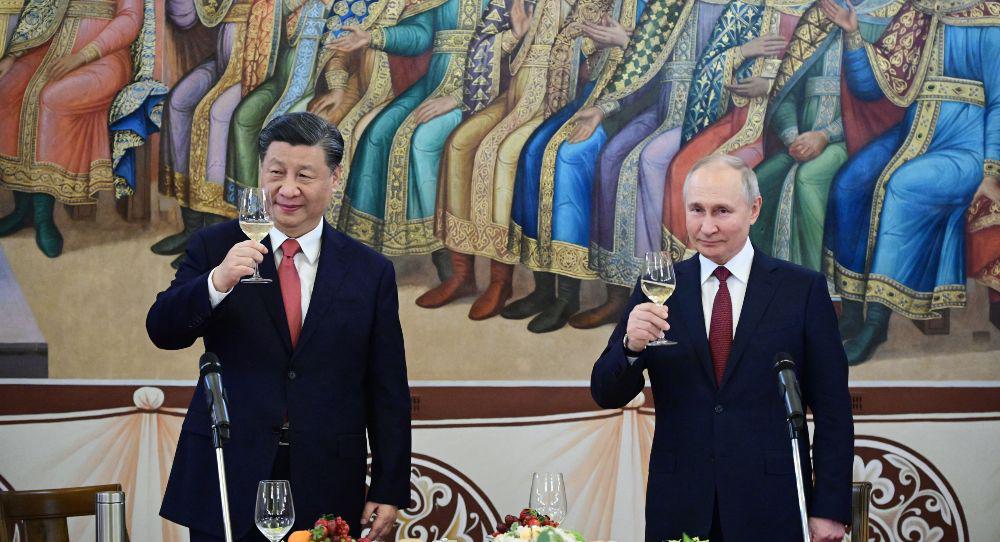
Ron DeSantis is off target. The Republican governor of Florida who has presidential ambitions recently said the war in Ukraine was not in America’s vital interests. In his view, what was taking place was a territorial dispute. The three-day state visit by Chinese Communist Party leader Xi Jinping to Moscow showed the contrary. The outcome of Russia’s brutal war concerns the future of the post-Cold War international order—and America’s role in shaping it.
The global order set up after World War II came under pressure after the Berlin Wall was torn down in November 1989. It led to the reunification of Germany and the unification of Europe, as the European Union and NATO brought in members from the former communist bloc. But the 1990s exposed the weakness of the West’s ability and preparedness to deal with emerging conflicts.
The war in the former Yugoslavia, for example, should have shaken Europe out of its complacency by taking the defense and security of the region seriously. And later on, from the 9/11 terrorist attacks on the United States, the war in Iraq and Afghanistan, to Russia’s invasion of Georgia in 2008 and the Arab Spring revolts of 2011, such crises showed how Europe and the United States weren’t ready to update the post-Cold War structures and institutions. Both sides of the Atlantic were perpetuating the old order.
Russia’s attack on Ukraine is tearing apart this old order. In that context, Xi—even more so than President Vladimir Putin—is intent on influencing if not leading the new order.
The new order is being played out in several ways. On the crudest level, Putin has used tactics to break the Ukrainians’ morale, to test the unity of the West, and to gauge the level of support for his invasion from the Global South and other parts of the world.
In Ukraine, the Russian military has indiscriminately bombed civilian targets and vital infrastructure sectors. It has kidnapped thousands of children and taken them to Russia. It has destroyed cultural monuments, libraries, and schools. It has threatened food security in many countries by bombing Ukraine’s grain silos and preventing the export of this essential commodity.
Russian troops and the Wagner mercenaries have terrorized the populations they have conquered. These drastic measures are about breaking the will of the Ukrainians and undermining the territorial integrity of the country in order to force President Volodymyr Zelensky to the negotiating table.
This war is also about challenging the unity of the West. So far, it has held together. It is slowly sinking in—and this is why the Xi-Putin meeting was so important—that the outcome of this war is about who will set the political and economic rules for the coming decades.
Many of the recent wars and conflicts have already challenged the dominance of the United States and its allies. Ukraine intensifies that challenge, not just because of the nature of the aggression and Putin’s goals but also because of Russia’s shift toward China. Ukraine encapsulates a competition between the West and China about values, systems, and rules. Xi implied as much during his visit to Moscow.
Despite all its weaknesses and, often, double standards, the West’s model is built on human rights, democracy, the rule of law, and international rules on trade. The West also puts great store on territorial integrity and sovereignty—otherwise, the global order, fragile as it is, would lapse into a Hobbesian world of chaos and conflict.
Xi, and some EU leaders, such as Hungary’s Prime Minister Viktor Orbán, claim that these are values the West wants to impose on other countries. That is not the case. These values are universal. If they were not, why would so many people outside the West around protest for freedom, for democracy, for justice and for human rights?
That is the essence of the war in Ukraine. If Ukraine loses, the West will lose too. Russia, with the help of its erstwhile allies would use the defeat of Ukraine to reassert its influence in Eastern Europe. A defeat would boost authoritarian regimes, led by Beijing to reshape the post–Cold War international order where the United States could lose its predominant position. It is a sobering, pessimistic scenario.
Winning this war would not just be a military victory. Western leaders need to be candid about what is at stake. Instead of patronizing countries who either don’t take sides in the war or else support Putin, European and Western leaders have to explain why the West has more to offer that Moscow or Beijing. It is not just about material issues. They are about a way of life, a system of government, and a set of international trading and business rules.
These attributes need to be defended by persuasion, by skilled diplomacy, and by confidence, underpinned by hard power. The war in Ukraine is testing the West’s endurance.

Nonresident Senior Fellow, Carnegie Europe
Dempsey is a nonresident senior fellow at Carnegie Europe
Recent Work
Judy Dempsey
Judy Dempsey
Carnegie does not take institutional positions on public policy issues; the views represented herein are those of the author(s) and do not necessarily reflect the views of Carnegie, its staff, or its trustees.
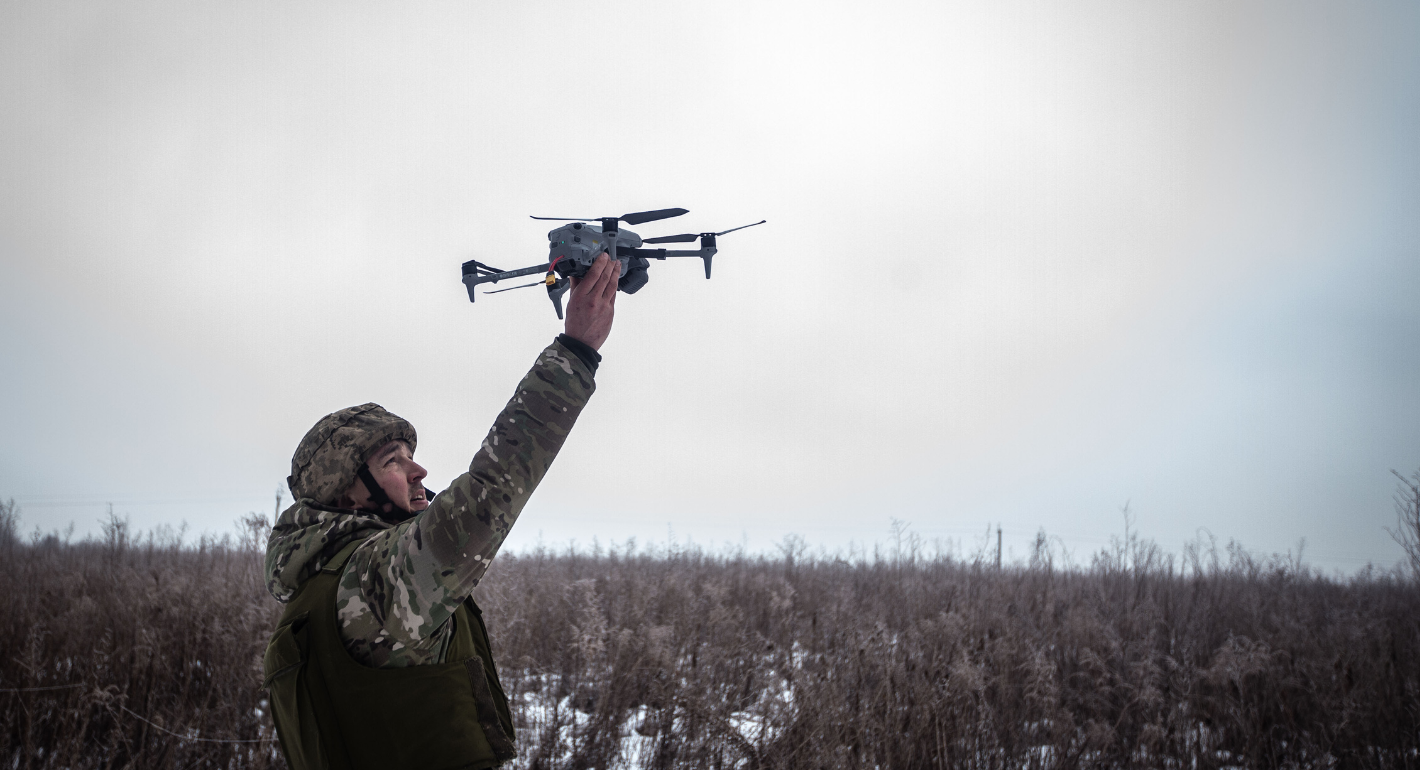
In Ukraine, Gaza, and Iran, AI warfare has come to dominate, with barely any oversight or accountability. Europe must lead the charge on the responsible use of new military technologies.

Raluca Csernatoni
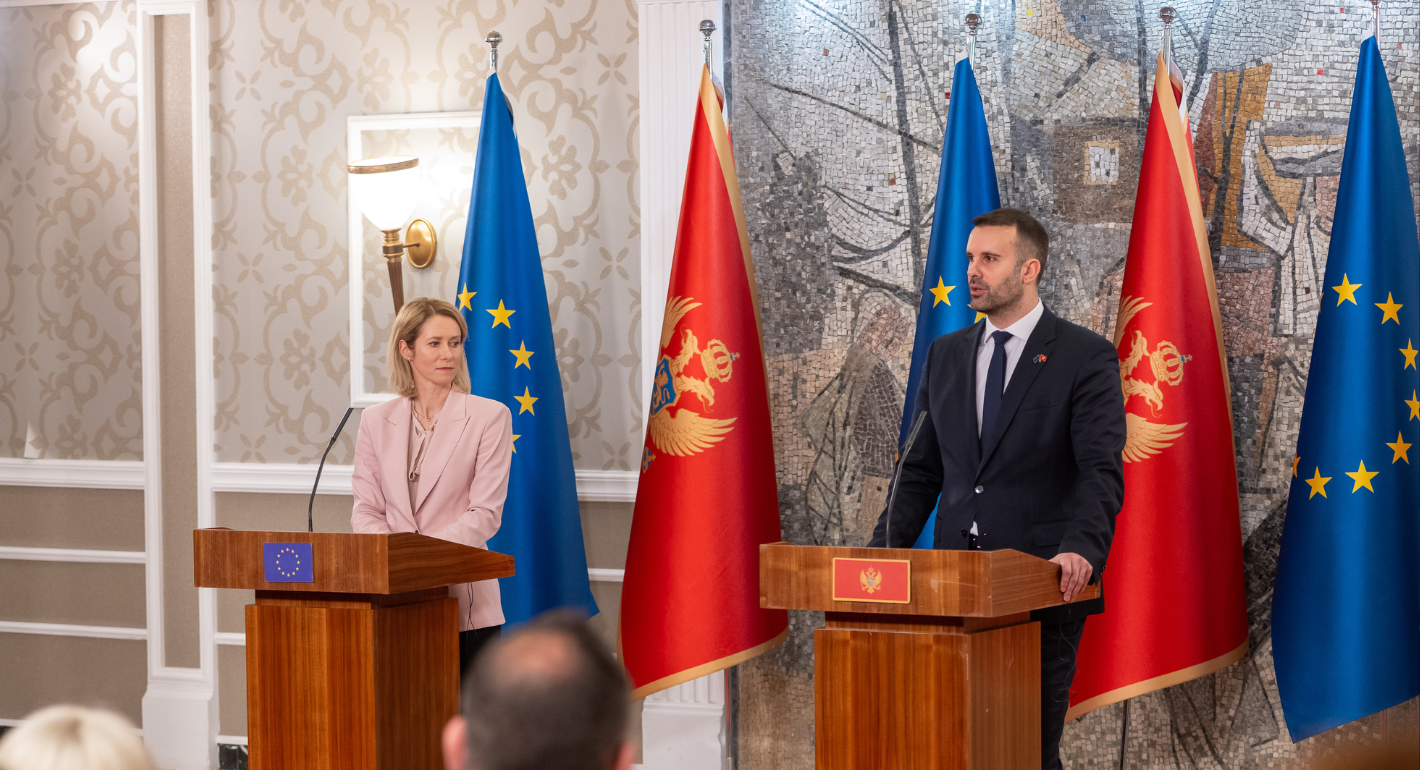
Montenegro and Albania are frontrunners for EU enlargement in the Western Balkans, but they can’t just sit back and wait. To meet their 2030 accession ambitions, they must make a strong positive case.


Dimitar Bechev, Iliriana Gjoni
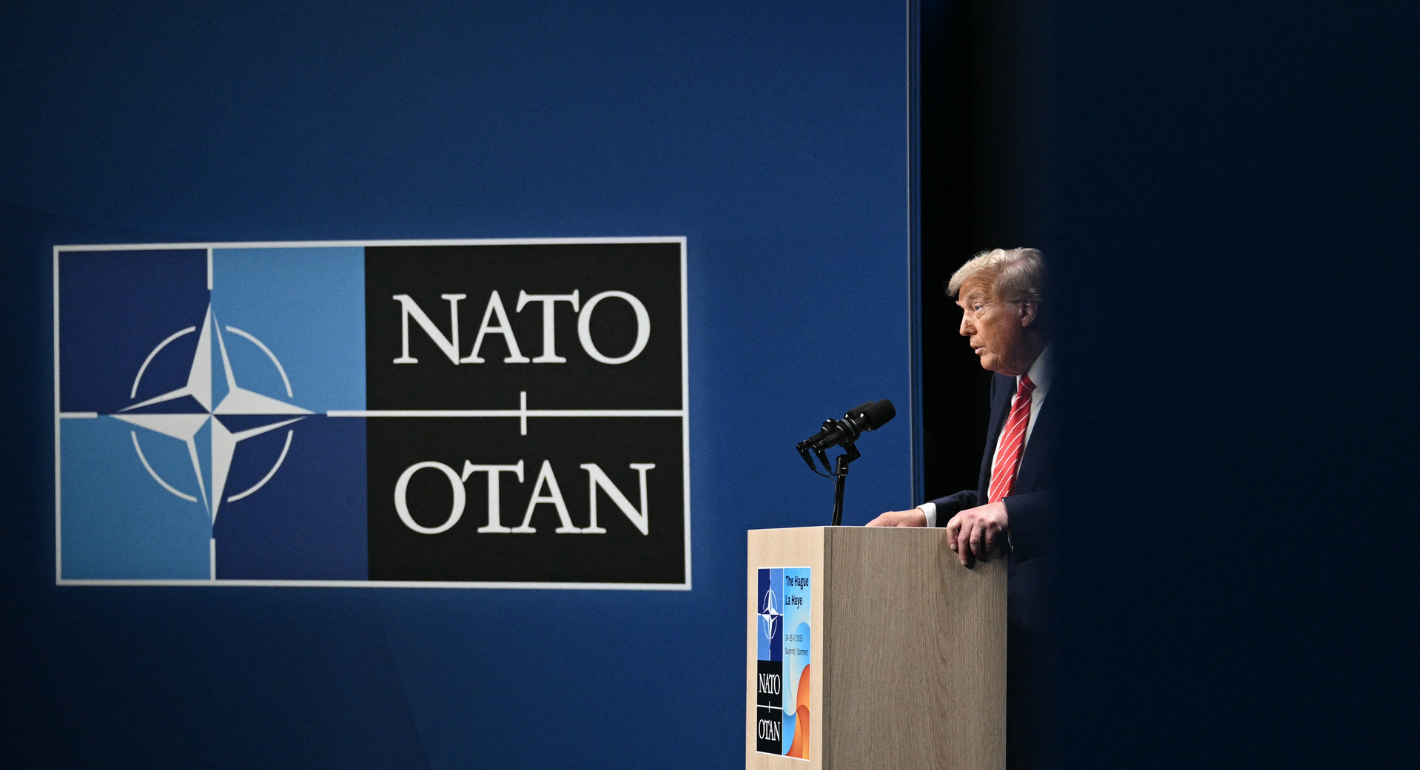
Donald Trump has repeatedly bashed NATO and European allies, threatening to annex Canada and Greenland and deploring their lack of enthusiasm for his war of choice in Iran. Is this latest round of abuse the final straw?

Rym Momtaz, ed.
Donald Trump’s repudiation of NATO goes against the Make America Great Again vision of a U.S.-centered foreign policy. If the goal is to preserve the alliance by boosting Europe’s commitments, leaning into France’s vision is the most America First way forward.
Rym Momtaz
Hungarians head to the polls on April 12 for an election of national and European consequence. Three different outcomes are on the cards, each with their own implications for the EU.
Zsuzsanna Szelényi