

Commentary
Judy Dempsey
{
  "authors": [
    "Judy Dempsey"
  ],
  "type": "commentary",
  "blog": "Strategic Europe",
  "centerAffiliationAll": "",
  "centers": [
    "Carnegie Endowment for International Peace",
    "Carnegie Europe"
  ],
  "collections": [],
  "englishNewsletterAll": "",
  "nonEnglishNewsletterAll": "",
  "primaryCenter": "Carnegie Europe",
  "programAffiliation": "",
  "programs": [],
  "projects": [],
  "regions": [
    "Russia",
    "Europe",
    "Western Europe"
  ],
  "topics": [
    "Foreign Policy",
    "EU",
    "Democracy",
    "Political Reform",
    "Security"
  ]
}
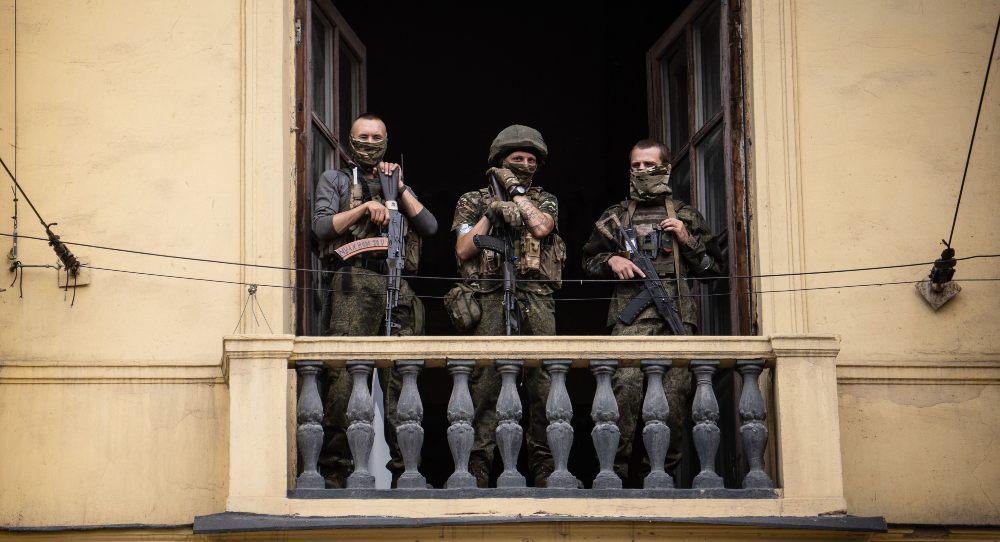
Source: Getty
European leaders must not only double down on Ukraine and Eastern Europe. They need to figure out how they are going to deal with Russia now and in the future.
Europe need not be powerless.
A day after Wagner mercenary leader Yevgeny Prigozhin called off his march on Moscow, several EU member states’ foreign ministers reacted with caution. They spoke of massive cracks in the Russian system.
It is hard to know if they were disappointed that Prigozhin’s putsch failed or that Vladimir Putin was still at the helm. As it is, there is much social media chatter and commentary about how Russia is now unstable and how Putin has lost his authority.
Putin has indirectly blamed the West for the attempted coup, accusing Western countries of wanting Russians to kill each other. Why wouldn’t he? Imagine how it would have changed the dynamics of the war—and relations with the West—if he had said the war in Ukraine was a mistake; that the Russian military is corrupt, poorly trained, badly equipped, and has a terribly low morale and reputation.
For the moment, Putin has to deal with political uncertainty and instability that has been gnawing at the system since he invaded Ukraine in February 2022, indeed even before, when he illegally annexed Crimea and occupied parts of eastern Ukraine in 2014. This uncertainty and instability in Russia poses an immense challenge for Europe.
So far in the case of Ukraine, the Europeans, at first slow out of the starting blocks in early 2022, now realize what Russia’s war in Ukraine means for the region and for Europe. A defeat for Ukraine would amount to Russia exporting instability to Eastern Europe. The way in which the Ukrainians have responded to the Russian aggression has shown to its eastern and western neighbors that freedom and sovereignty can—and must—be defended.
This is why the unclear situation in Russia should be a chance for the EU to double down on Ukraine and Eastern Europe.
Doubling down on Ukraine shouldn’t be difficult. The Europeans and the United States but also Japan and Canada are committed politically and financially to Ukraine. The amount of aid, loans, and reconstruction packages is enormous. This is about guaranteeing Ukraine’s recovery now and when the war is over.
What are also needed are security guarantees which NATO allies still have to agree upon at the upcoming summit in Vilnius. There is no going back to the status quo ante: Russia has lost Ukraine. Russia has failed to divide the Europeans and break the transatlantic relationship.
For all that, the Europeans have to focus on how to deal with the Russia of today and the future. Schadenfreude, if it does exist over what happened on June 24-25, is not a substitute for strategy, especially given Russia’s nuclear status.
Forging any strategy is not about replicating what the Europeans and the United States are doing in Ukraine in terms of assistance, modernizing the state structures, and increasing accountability even as the country is at war with Russia.
In the case of Russia, change that will embrace genuine economic, social, and political reforms will take a very long time. Russia has gone through many attempts at modernization, going back to Catherine the Great and Peter the Great when both looked westward to move Russia forward. Stalin’s version of modernization was based on a brutal upheaval of society. In Putin’s authoritarian Russia, or whatever comes afterward, there will be no quick fixes for those inside who want to rid the country of the debilitating corruption and political inertia (but remain silent or passive because of the repression), for those in exile, or for the Europeans.
This does not mean Europe is powerless or that it should adopt a fatalist attitude toward Russia. Societies and systems are not static.
Europe should be in a position to do several things. It could support the many intellectuals and IT people who have fled their country by integrating them into universities or companies or giving them a lifeline to continue their work and studies. This is the generation that will be needed to modernize Russia when the time comes.
Linked to this is the need to engage Russian civil society and the independent media operating outside their country, and supporting the pockets of civil society operating inside as much as possible. None of this is easy. A recent gathering of Russian experts in Estonia exposed their lack of strategy, not to mention disunity over the state of their country. A roundtable bringing together EU and Russian opposition representatives organized by the European Parliament’s EPP Group on June 6 is a good start.
Europe also needs to break the disinformation networks promoted by the Kremlin in several European countries. Taking away RT’s licence is just a miniscule step. It requires a concentrated effort to disrupt Russian disinformation. Furthermore, European television, radio, and social media networks should increase their Russian language output to try and puncture the Kremlin’s grip on propaganda. This is what the West did during the Cold War. It provided an alternative worldview.
These are just some incremental steps Europe could take. The bigger—if not the biggest—challenge is Russia’s nuclear arsenal that Putin never fails to remind the West of. It’s an immense threat that underscores the need for a return to arms control talks. That time has yet to arrive. But that shouldn’t stop Europe from thinking Russia.

Nonresident Senior Fellow, Carnegie Europe
Judy Dempsey is a nonresident senior fellow at Carnegie Europe
Recent Work
Judy Dempsey
Judy Dempsey
Carnegie does not take institutional positions on public policy issues; the views represented herein are those of the author(s) and do not necessarily reflect the views of Carnegie, its staff, or its trustees.
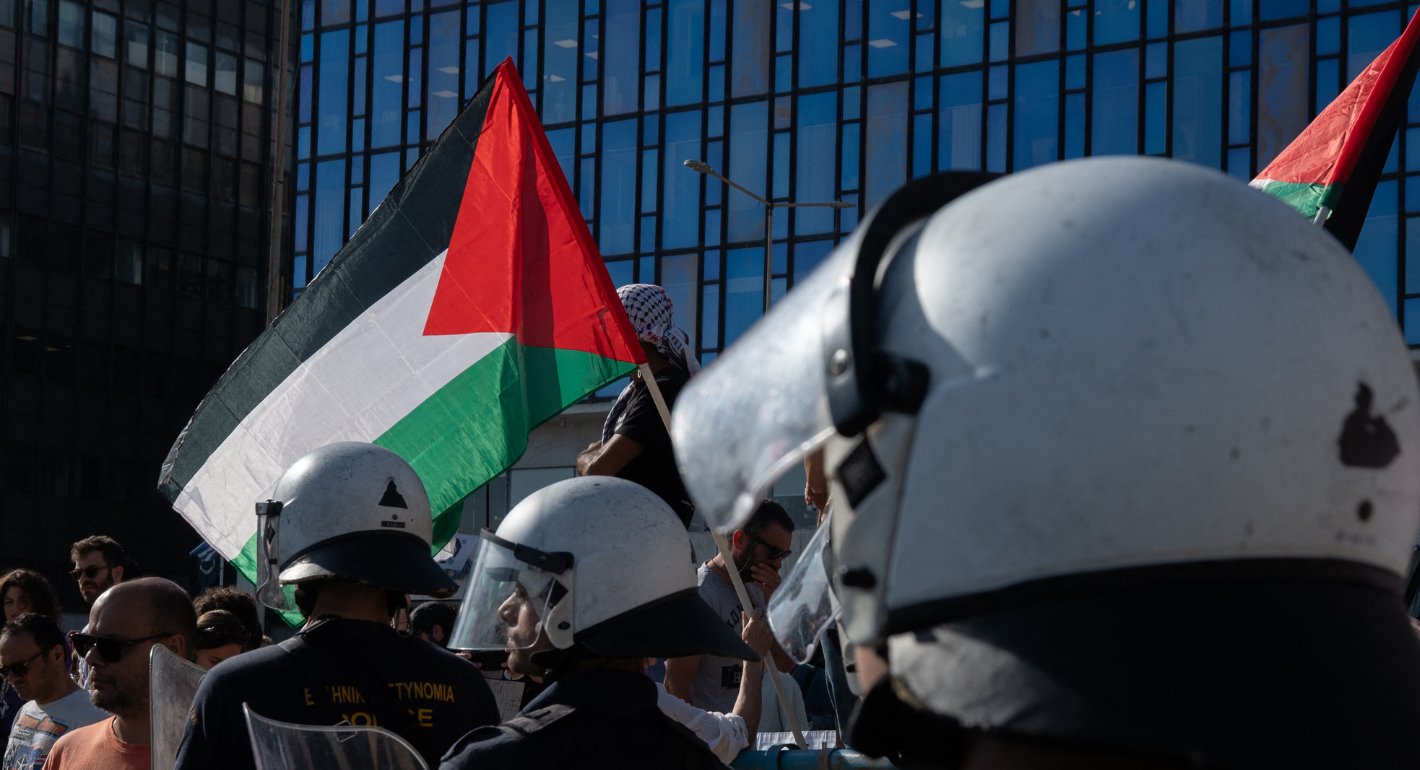
The battle over free speech has taken center stage since U.S. Vice President JD Vance accused Europe of censorship. From travel bans to social media regulation, especially around the Israel-Palestine conflict, are liberal democratic governments weaponizing free speech?

Rym Momtaz, ed.
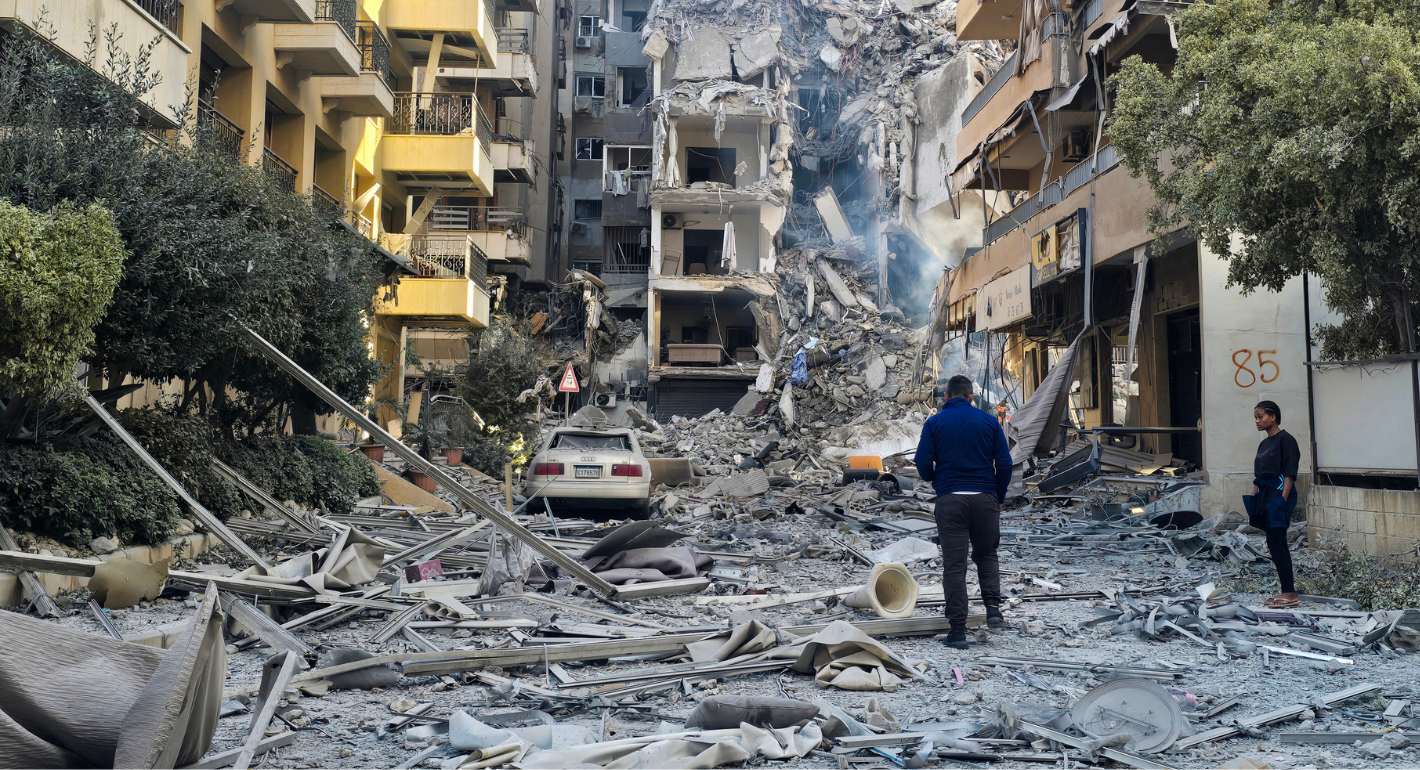
Europe seems to have accepted its sidelining in the Middle East. The EU must reassert its support for the international rules-based order and step up engagement.
Rym Momtaz
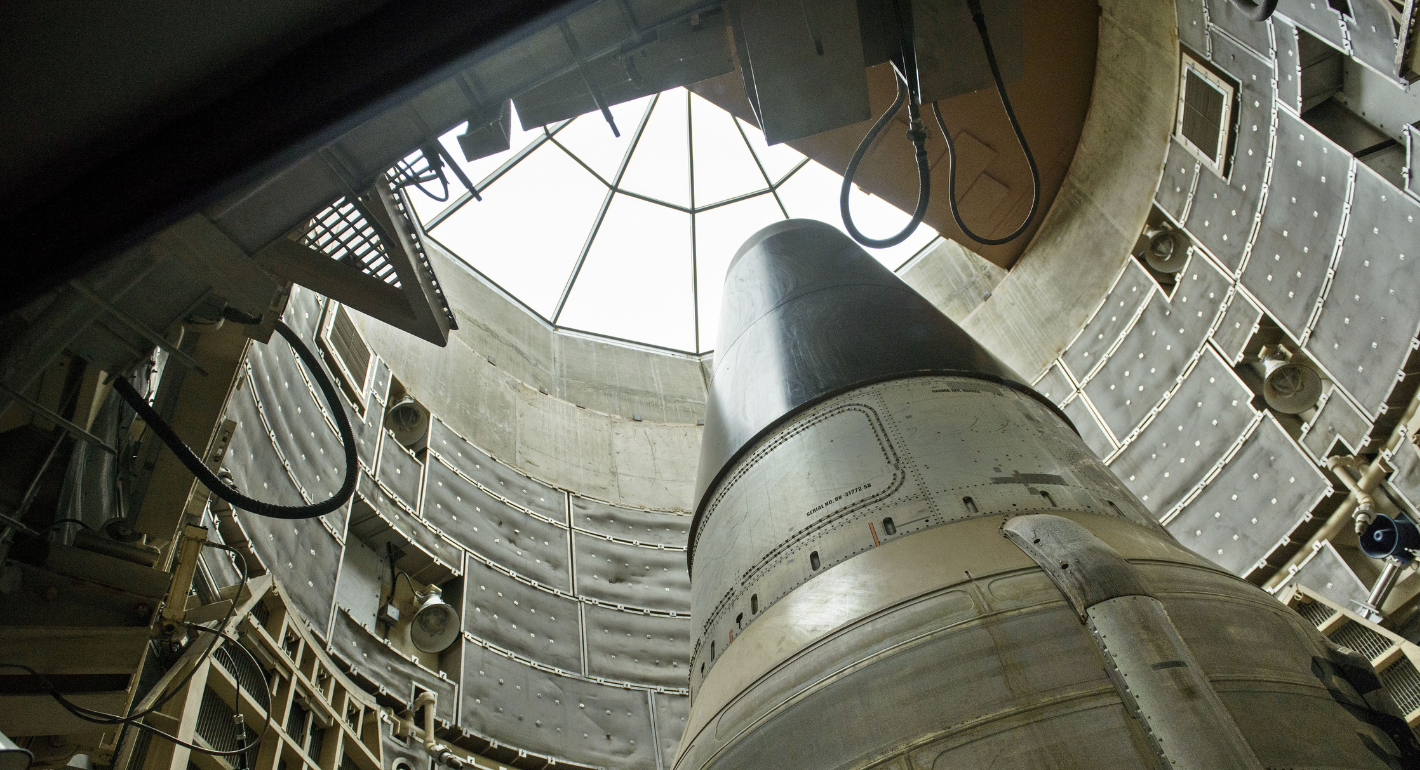
Amid uncertainty caused by the Iran war, the global drive for nonproliferation has stalled. With Europe diplomatically marginalized and countries reassessing their nuclear options, efforts to curb the spread of nuclear weapons risk becoming irrelevant.

Jane Darby Menton
Preparing candidate countries for EU membership is no longer enough. As the enlargement process becomes a reality, the union must also prepare its own societies.

Iliriana Gjoni
Five countries staged the biggest political boycott in Eurovision history over Israel’s participation. With the FIFA World Cup and other sporting or cultural touchstones on the horizon, are boycotts effective?
Rym Momtaz, ed.