

{
  "authors": [
    "Thomas Carothers",
    "Abdulaziz Sager",
    "Marina Ottaway"
  ],
  "type": "event",
  "centerAffiliationAll": "dc",
  "centers": [
    "Carnegie Endowment for International Peace"
  ],
  "collections": [],
  "englishNewsletterAll": "democracy",
  "nonEnglishNewsletterAll": "",
  "primaryCenter": "Carnegie Endowment for International Peace",
  "programAffiliation": "DCG",
  "programs": [
    "Democracy, Conflict, and Governance",
    "Middle East"
  ],
  "projects": [],
  "regions": [
    "Bahrain",
    "Kuwait",
    "Qatar",
    "Saudi Arabia",
    "United Arab Emirates"
  ],
  "topics": [
    "Political Reform"
  ]
}
REQUIRED IMAGE
Political Reform in the GCC States
Thu, September 23rd, 2004
Dubai
During the past few years, the GCC states (Oman, Qatar, Bahrain, Kuwait, the UAE, and the Kingdom of Saudi Arabia) have all taken steps, albeit different in nature and strength, on the path towards political reform.
For the GCC states, political reform has been the result of several internal developments, including the hard economic and financial conditions, the emergence of new political movements demanding political reform, and the rise to power of new leaders, as was the case in Qatar and Bahrain. In addition, external factors, especially the mounting external pressure after the September 11 attacks, have created additional incentives for political reform.
Given the importance of the subject of political reform in the GCC states and the important economic and strategic position these countries occupy on the world stage due to their oil wealth, the Carnegie Endowment for International Peace and the Gulf Research Center (GRC) co-organized a two-day workshop in Dubai under the title "Political Reform in the GCC States: Current Situation and Future Prospects." A number of experts, researchers, and political activists from the GCC States, the US, and Europe participated.
The workshop began by assessing the political reform steps taken by the GCC states, considering the internal and external factors that led to reform, in order to understand the nature and goals of reform in these countries. The workshop then focused on analyzing the different views about political reform in the GCC states held by the rulers, the domestic social and political forces calling for reform, and external actors, especially the US, the EU, and some major international institutions. Finally, the workshop concluded with a discussion of the future prospects for political reform in the GCC. In particular, participants focused on the question of whether or not current reforms represent the beginning of a long term process of change, and discussed what factors will determine whether reform continues.
Carnegie does not take institutional positions on public policy issues; the views represented herein are those of the author(s) and do not necessarily reflect the views of Carnegie, its staff, or its trustees.
Event Speakers
Harvey V. Fineberg Chair for Democracy Studies; Senior Fellow, Democracy, Conflict, and Governance Program

Thomas Carothers, a senior fellow in the Carnegie Endowment for International Peace’s Democracy, Conflict, and Governance Program, is a leading expert on comparative democratization and international support for democracy.
Abdulaziz Sager
Former Senior Associate, Middle East Program
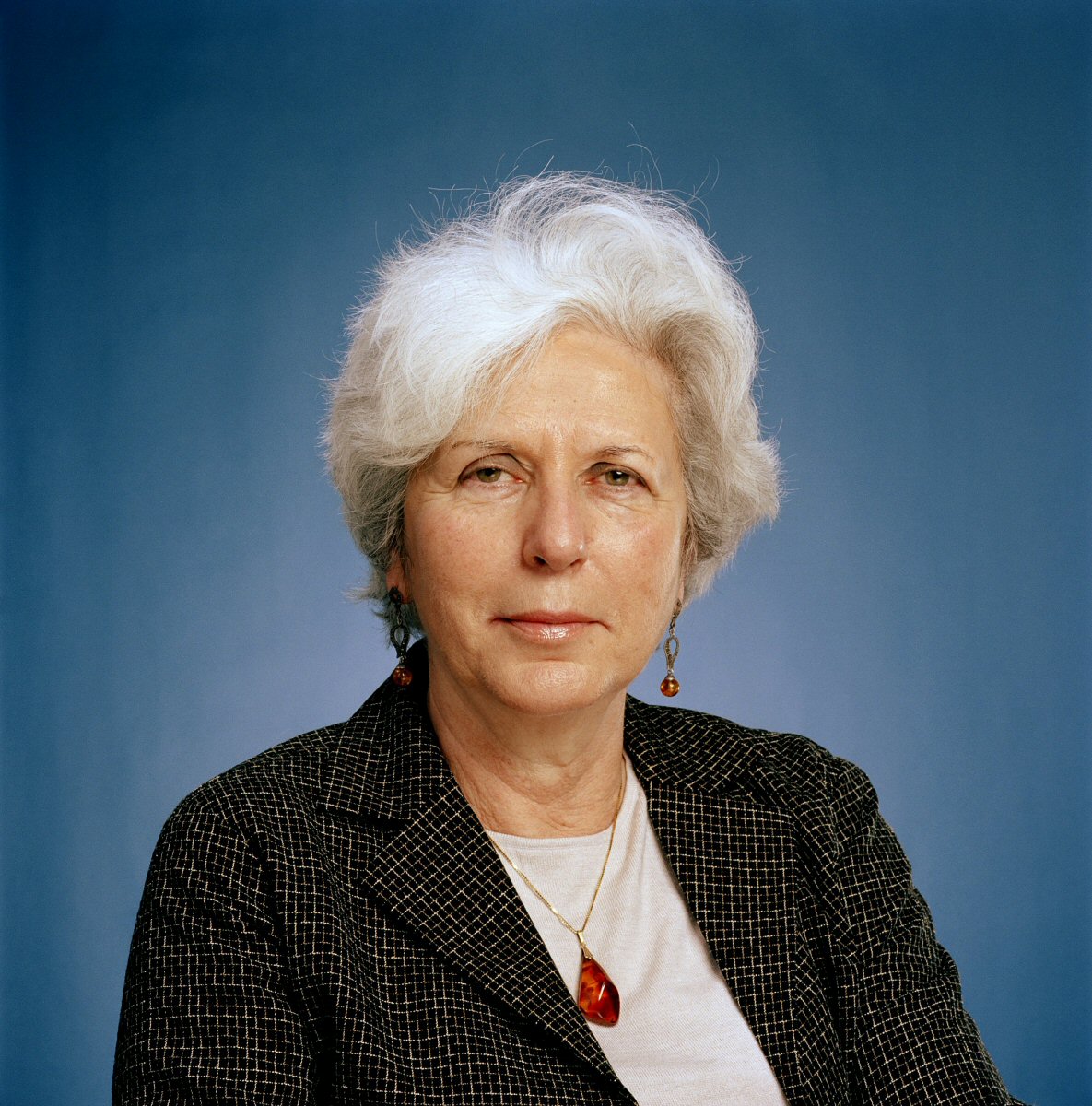
Before joining the Endowment, Ottaway carried out research in Africa and in the Middle East for many years and taught at the University of Addis Ababa, the University of Zambia, the American University in Cairo, and the University of the Witwatersrand in South Africa.