

{
  "authors": [
    "Richard Lugar",
    "Evgeny Maslin",
    "Sam Nunn",
    "Nikolai Spassky",
    "Rose Gottemoeller",
    "Vladimir Orlov"
  ],
  "type": "event",
  "centerAffiliationAll": "dc",
  "centers": [
    "Carnegie Endowment for International Peace"
  ],
  "collections": [],
  "englishNewsletterAll": "ctw",
  "nonEnglishNewsletterAll": "",
  "primaryCenter": "Carnegie Endowment for International Peace",
  "programAffiliation": "russia",
  "programs": [
    "Russia and Eurasia",
    "Nuclear Policy"
  ],
  "projects": [],
  "regions": [
    "North America",
    "United States",
    "Caucasus",
    "Russia"
  ],
  "topics": [
    "Foreign Policy",
    "Nuclear Policy",
    "Nuclear Energy"
  ]
}
REQUIRED IMAGE
Celebrating Fifteen Years of the Nunn-Lugar Program
Tue, August 28th, 2007
Moscow
On August 28, the Carnegie Moscow Center and the Center for Policy Studies-Russia (PIR-Center) held a roundtable celebrating 15 years of the Nunn-Lugar Program. The main speakers were U.S. Senator Richard Lugar, Member of the Foreign Relations Committee of the U.S. Senate; Colonel-General Evgeny Maslin; former U.S. Senator and co-chairman of the Nuclear Threat Initiative Sam Nunn; and deputy head of the Federal Atomic Energy Agency Ambassador Nikolai Spassky. Ambassador Spassky listed the achievements of the program, and noted that while during the last fifteen years Russia and U.S. were solving the problems of the past, now bilateral cooperation is moving to a new level where the focus will be on future challenges of the nuclear energy industry. The roundtable was moderated by the Carnegie Moscow Center Director Rose Gottemoeller and the PIR-Center President Vladimir Orlov.
Carnegie does not take institutional positions on public policy issues; the views represented herein are those of the author(s) and do not necessarily reflect the views of Carnegie, its staff, or its trustees.
Event Speakers
Richard Lugar
Evgeny Maslin
Sam Nunn
Nikolai Spassky
Nonresident Senior Fellow, Nuclear Policy Program
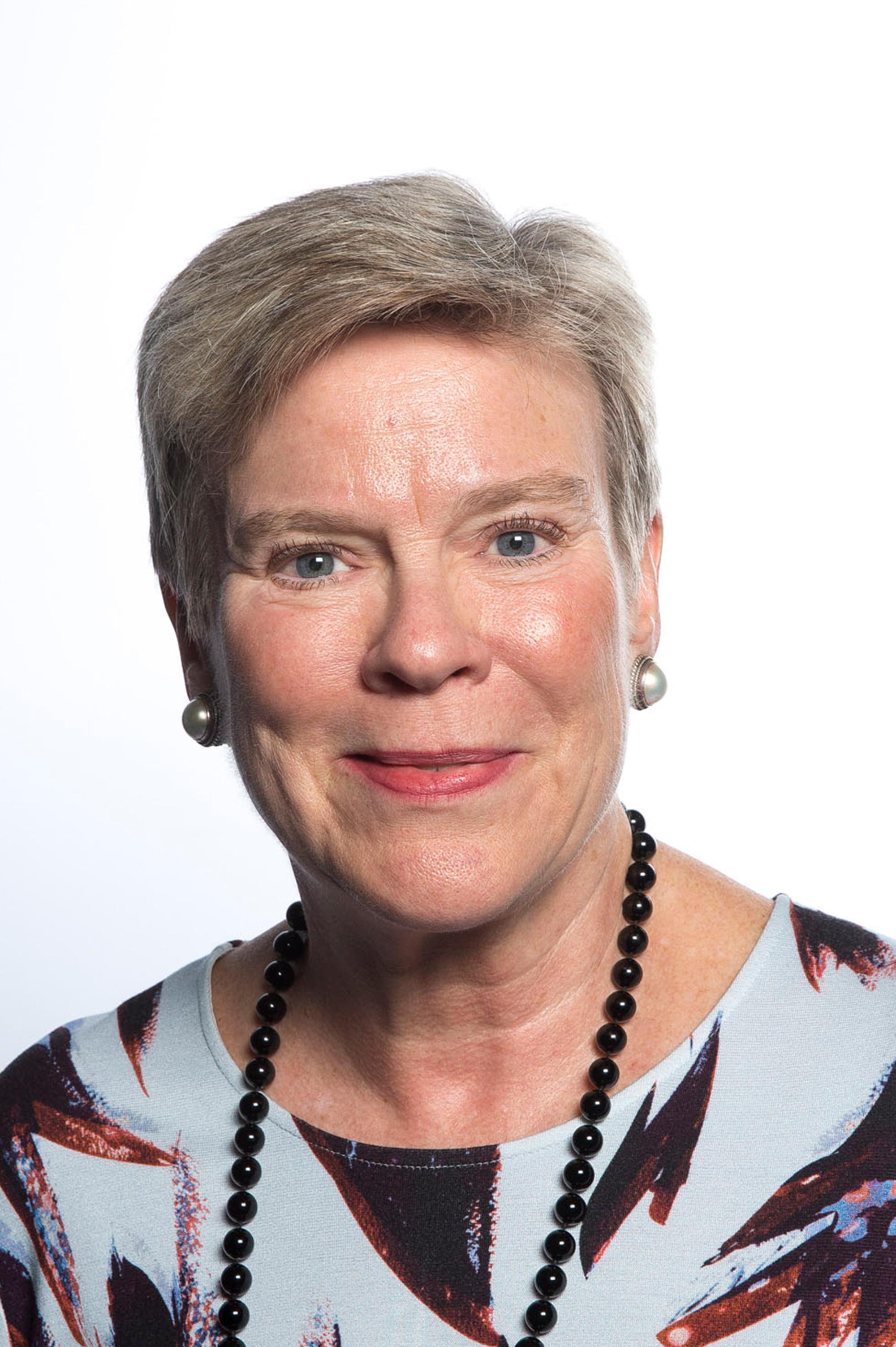
Rose Gottemoeller is a nonresident senior fellow in Carnegie’s Nuclear Policy Program. She also serves as lecturer at Stanford University’s Freeman Spogli Institute for International Studies and is a research fellow at the Hoover Institution. Ambassador Gottemoeller served as the deputy secretary general of NATO from 2016 to 2019.
Vladimir Orlov