

{
  "authors": [
    "Randy Peerenboom",
    "Albert Keidel"
  ],
  "type": "event",
  "centerAffiliationAll": "dc",
  "centers": [
    "Carnegie Endowment for International Peace"
  ],
  "collections": [],
  "englishNewsletterAll": "asia",
  "nonEnglishNewsletterAll": "",
  "primaryCenter": "Carnegie Endowment for International Peace",
  "programAffiliation": "AP",
  "programs": [
    "Asia"
  ],
  "projects": [],
  "regions": [
    "China"
  ],
  "topics": [
    "Political Reform",
    "Democracy",
    "Economy"
  ]
}
China Modernizes: Threat to the West or Model for the Rest?
Thu, December 6th, 2007
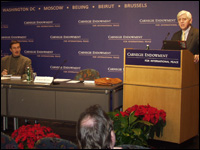
IMGXYZ885IMGZYXOn December 7, 2007, the China Program at Carnegie Endowment hosted a seminar where Professor Randy Peerenboom of La Trobe University in Melbourne promoted his latest book China Modernizes: Threat to the West or Model for the Rest? Senior Associate Albert Keidel moderated the discussion.
Professor Peerenboom argued in the book that China’s remarkable achievement over the past decade is another example of so-called “East Asian Model,” which emphasizes economic growth rather than civil/political rights during the initial stages of developments; only after the attainment of relatively high level of wealth could democratization start to take place. The astonishing performance of Chinese economy has further reinforced Beijing’s belief that development need not lead to democracy.
Nevertheless, Peerenboom pointed out some of the conflicts and complexities that pose as major challenges for Chinese policymakers, especially the increasing inequality among wealth distribution, dividing interests among different government institutions, and the urgency to reform the legal system.
In the end, Perrenboom concluded that despite the extensive presence of problems within the Chinese government regarding civil/political rights, rule of law, and governance, it is still too early to tell whether China has been trapped in transition. At least for now, China remains in the middle of vigorous development.
For more details, please view the Power Point slides on the right.
Carnegie does not take institutional positions on public policy issues; the views represented herein are those of the author(s) and do not necessarily reflect the views of Carnegie, its staff, or its trustees.
Event Speakers
Randy Peerenboom
Former Senior Associate, China Program
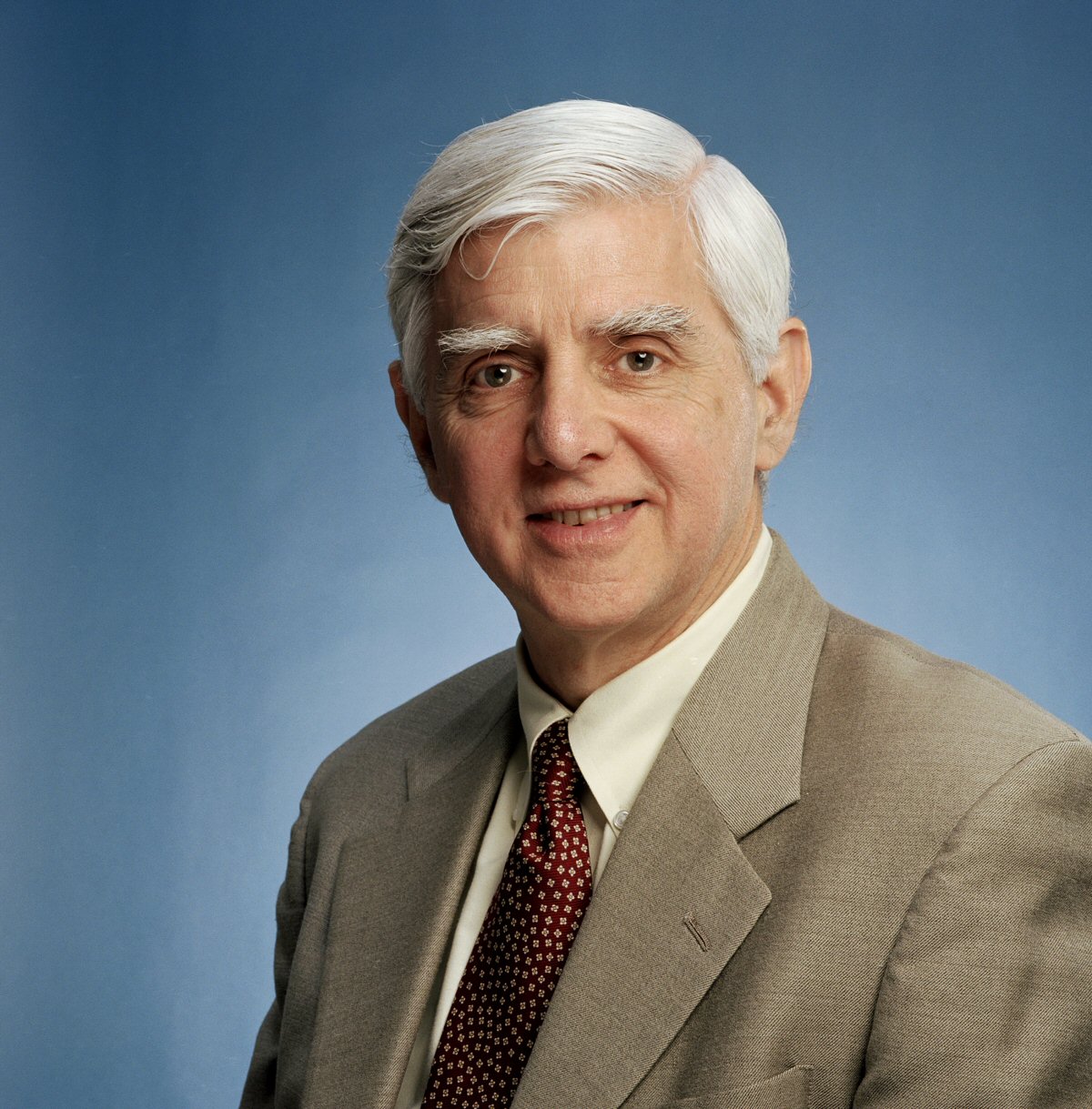
Keidel served as acting director and deputy director for the Office of East Asian Nations at the U.S. Department of the Treasury. Before joining Treasury in 2001, he covered economic trends, system reforms, poverty, and country risk as a senior economist in the World Bank office in Beijing.