

{
  "authors": [
    "James F. Collins",
    "Eugene Rumer",
    "Angela Stent"
  ],
  "type": "event",
  "centerAffiliationAll": "dc",
  "centers": [
    "Carnegie Endowment for International Peace"
  ],
  "collections": [],
  "englishNewsletterAll": "ctw",
  "nonEnglishNewsletterAll": "",
  "primaryCenter": "Carnegie Endowment for International Peace",
  "programAffiliation": "russia",
  "programs": [
    "Russia and Eurasia"
  ],
  "projects": [],
  "regions": [
    "North America",
    "United States",
    "Caucasus",
    "Russia"
  ],
  "topics": [
    "Foreign Policy"
  ]
}
Pushing the Reset Button in U.S.-Russian Relations?
Wed, April 22nd, 2009
Washington, D.C.
IMGXYZ1249IMGZYXWith U.S.-Russia relations now at a critical juncture, it is ever more crucial to identify ways in which to improve bilateral relations. Institute for National Strategic Studies’ Eugene B. Rumer and Georgetown University’s Angela E. Stent joined the Carnegie Endowment to present the conclusions of a bi-partisan study, “Repairing U.S.-Russian Relations: A Long Road Ahead,” that focuses precisely on this issue. Carnegie’s James Collins participated in the study and moderated the discussion.
Importance of Russian Cooperation
While some skeptics argue that the U.S. no longer needs Russian support, Rumer and Stent presented several areas where Russian cooperation remain vital for achieving American goals. Some of these areas include:
- Ending both Iran’s and North Korea’s nuclear programs;
- Enacting new arms-control agreements;
- Ensuring a safe and continuous supply of oil and gas;
- Delivering supplies to Afghanistan;
- Cooperating within the post-Soviet region;
- Combating global warming.
Recommendations
Proposals on the way in which the U.S. should go about improving its relations with Russia included:
- Pragmatism: Both Presidents Clinton and Bush lacked structure in their dialogues with Russian counterparts and over-personalized their relations with Russian leaders as a result. A more pragmatic and less personal relationship is needed between President Obama and President Medvedev.
- Europe: The U.S. should cooperate more closely with its European partners on ‘resetting’ its relations with Russia.
- Atlantic Security: NATO members should seriously consider President Medvedev’s proposal for a new Atlantic Security Structure, a configuration that would seriously engage Russia. The new organization can b structured similarly to the OSCE (Organization for Security and Co-operation in Europe) but without a focus on domestic arrangements.
Carnegie does not take institutional positions on public policy issues; the views represented herein are those of the author(s) and do not necessarily reflect the views of Carnegie, its staff, or its trustees.
Event Speakers
Nonresident Senior Fellow, Russia and Eurasia Program; Diplomat in Residence
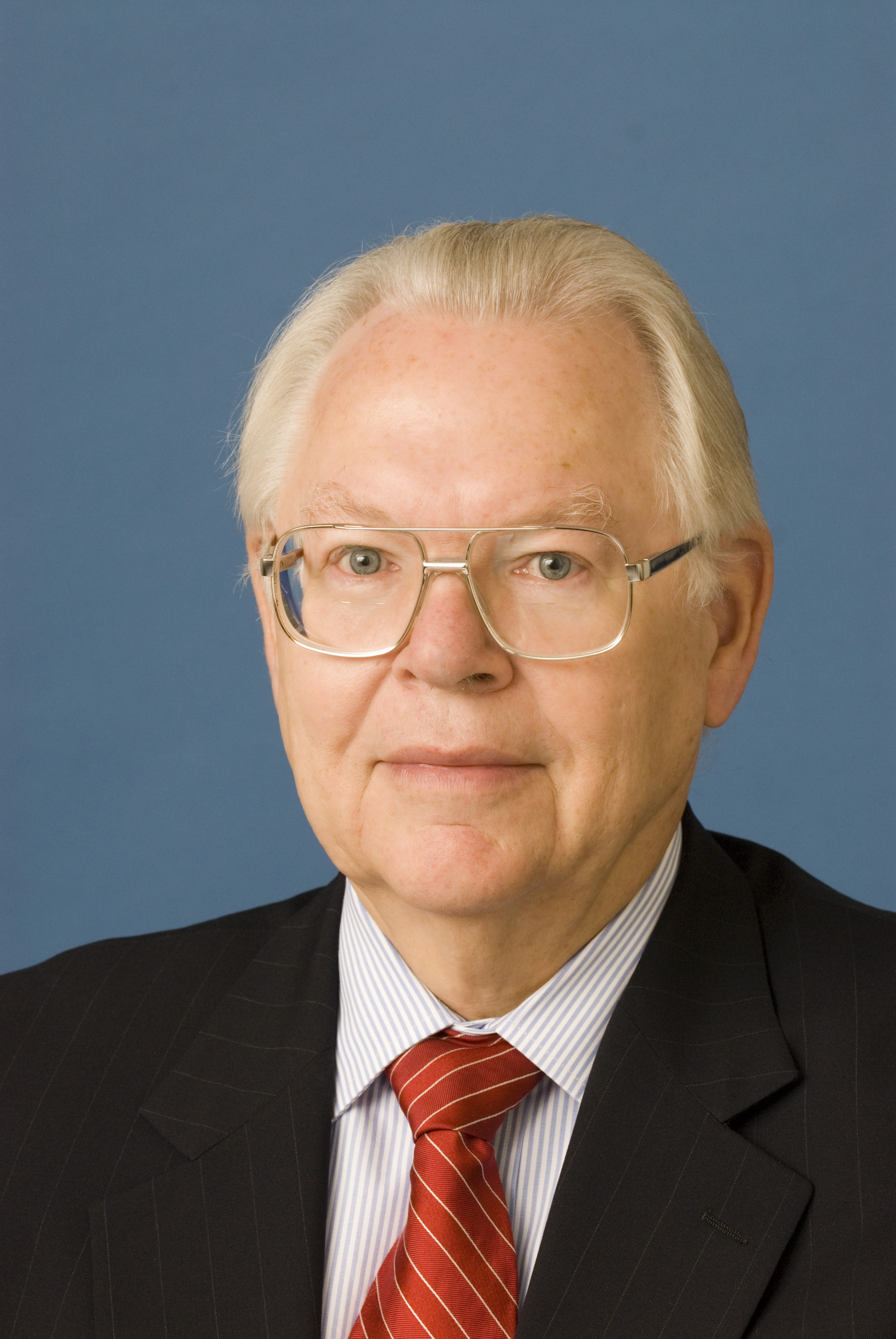
Ambassador Collins was the U.S. ambassador to the Russian Federation from 1997 to 2001 and is an expert on the former Soviet Union, its successor states, and the Middle East.
Director and Senior Fellow, Russia and Eurasia Program
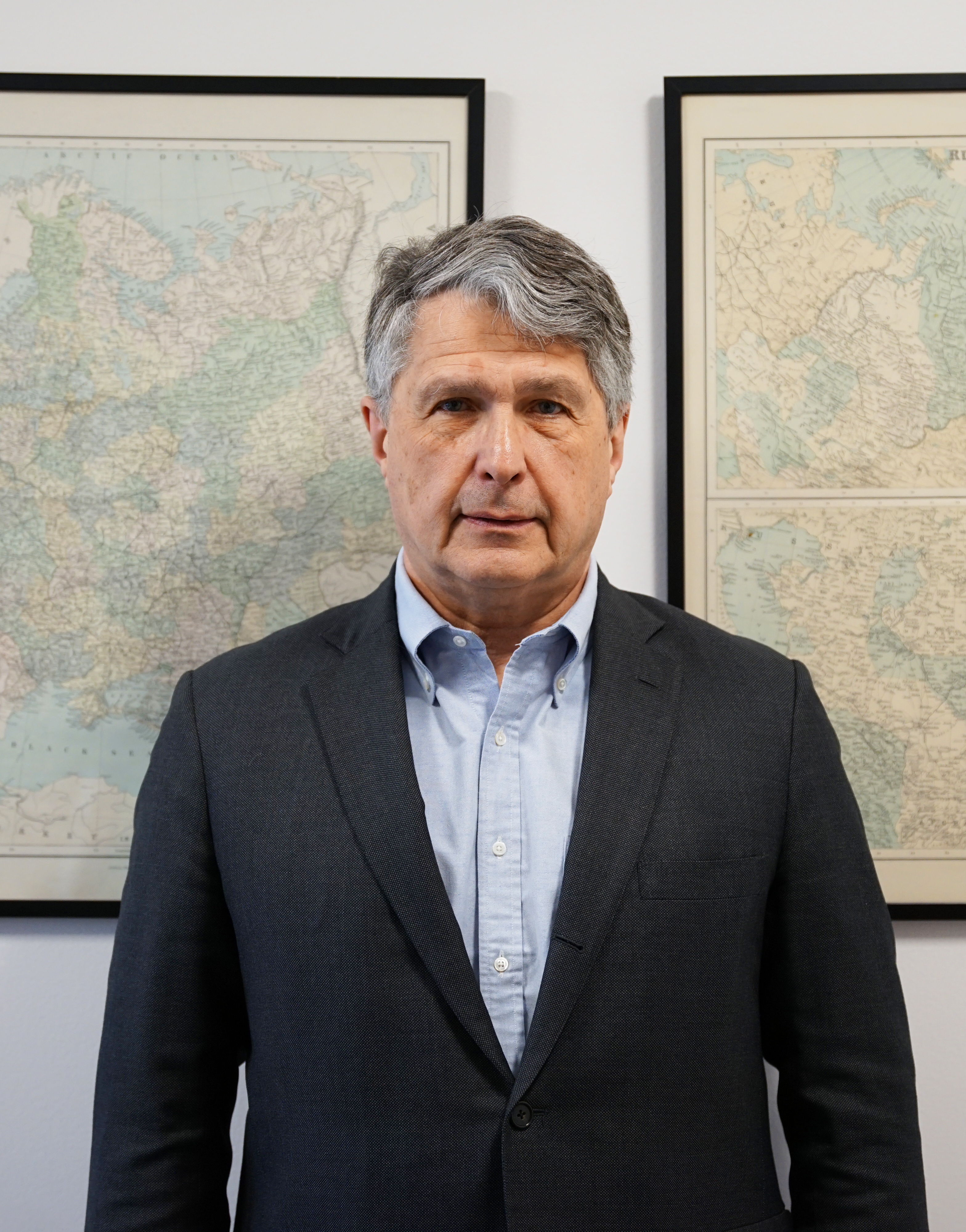
Rumer, a former national intelligence officer for Russia and Eurasia at the U.S. National Intelligence Council, is a senior fellow and the director of Carnegie’s Russia and Eurasia Program.
Angela Stent
Angela Stent is the director of Center for Eurasian, Russian and East European Studies at Georgetown University.