

{
  "authors": [
    "Gilles Dorronsoro",
    "Jessica Tuchman Mathews"
  ],
  "type": "event",
  "centerAffiliationAll": "dc",
  "centers": [
    "Carnegie Endowment for International Peace"
  ],
  "collections": [],
  "englishNewsletterAll": "ctw",
  "nonEnglishNewsletterAll": "",
  "primaryCenter": "Carnegie Endowment for International Peace",
  "programAffiliation": "SAP",
  "programs": [
    "South Asia"
  ],
  "projects": [],
  "regions": [
    "North America",
    "United States",
    "South Asia",
    "Afghanistan"
  ],
  "topics": [
    "Political Reform",
    "Democracy",
    "Foreign Policy"
  ]
}
Afghanistan: Searching for Political Agreement
Wed, April 28th, 2010
Washington, D.C.
The war in Afghanistan has reached an impasse. The recent coalition campaign in Marjah has not been successful and the Afghan Taliban have proven to be a formidable force. Furthermore, the Karzai regime has been weakening since the last presidential elections. The bleak outlook for the coalition has prompted discussion about negotiating with the Taliban.
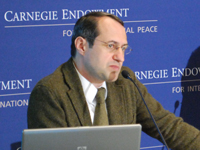
Back from a one-month trip to Afghanistan, Carnegie’s Gilles Dorronsoro discussed his observations with Carnegie’s Jessica Matthews, and outlined the possibility of negotiating with the Taliban.
Reality on the ground
- Declining security situation: Security considerations have made it strikingly difficult for foreigners to travel outside of major cities. Due to the deterioration of the security, United Nations officials move outside of urban areas mostly via helicopters.
- Weaker coalition: The surge is unlikely to change the momentum or the balance of power in Afghanistan, Dorronsoro said. Marjah failed, the coalition is unpopular among Afghans, and the Afghan administration is corrupt. Due to the lack of a formal justice system, local disputes are increasingly being adjudicated by Taliban judges in the city of Kandahar.
Incentives for negotiation
- For the Taliban: Promising a withdrawal of coalition forces may be enough to bring the Taliban to the table considering that the Pakistani army will put a lot of pressure on them to negotiate.
- For the Coalition: Since the Taliban are strengthening and will thus have less incentive next year to compromise, the coalition should begin negotiating with them immediately when there is still some leverage.
Negotiating partners
- Forget Karzai: Contrary to the Obama administration’s calls for an Afghan-led process, Dorronsoro believes that the United States should be a central player in shaping negotiations. Karzai is not a reliable partner and his departure will be a natural consequence of successful negotiations.
- Look to Pakistan: The coalition must face the grim reality that it cannot negotiate with the Taliban without engaging the only potential spoiler in the process, Pakistan. Pakistan is responsible for the Afghan Taliban’s success and without its leverage, reaching an adequate compromise will be difficult.
Substance of negotiation
- Ceasefire and withdrawal: A withdrawal of coalition forces may entice the Taliban to negotiate further and change the local dynamics on the ground.
- Maintain small bases: The coalition should not compromise its initial objective of removing violent Islamic radicalism from the region and should thus push to maintain striking capacity via small military bases in the North.
- Afghan national army: The coalition should remain committed to reinforcing Afghanistan’s army, because it is a way to stabilize the country in the political transition.
Dorronosoro emphasized that negotiations could very well fail. Given several years of military failure, a declining security situation, and the Taliban’s organization as a political movement, however, there is reason to believe that negotiation is currently the best option available.
Carnegie does not take institutional positions on public policy issues; the views represented herein are those of the author(s) and do not necessarily reflect the views of Carnegie, its staff, or its trustees.
Event Speakers
Former Nonresident Scholar, South Asia Program
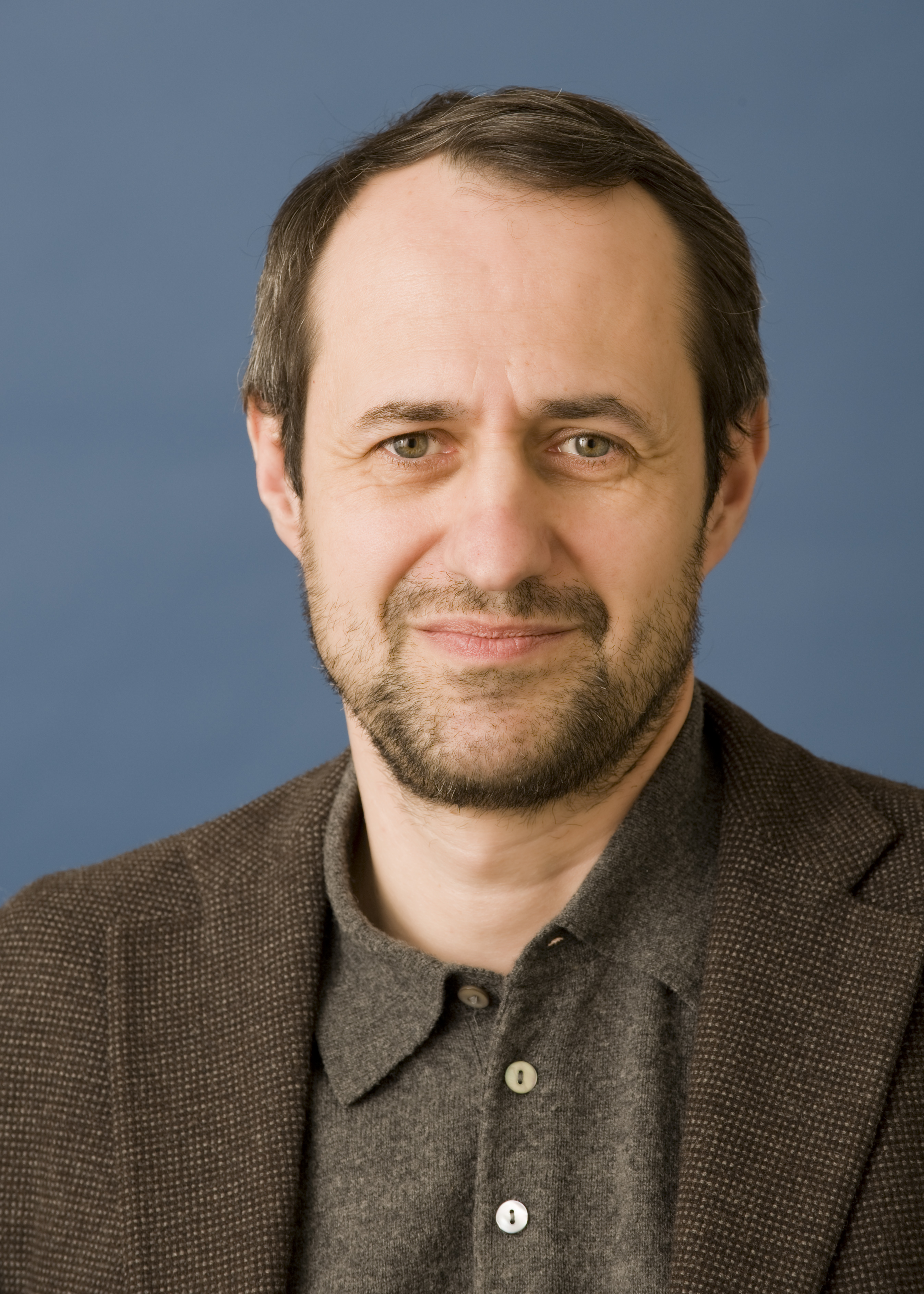
Dorronsoro’s research focuses on security and political development in Afghanistan. He was a professor of political science at the Sorbonne in Paris and the Institute of Political Studies of Rennes.
Distinguished Fellow

Mathews is a distinguished fellow at the Carnegie Endowment for International Peace. She served as Carnegie’s president for 18 years.