

{
  "authors": [
    "Denis McDonough",
    "Susan Landau",
    "Edward Felten",
    "Avril Haines",
    "Harlan Yu",
    "Jim Baker",
    "Chris Inglis",
    "Alissa Cooper",
    "Ari Schwartz"
  ],
  "type": "event",
  "centerAffiliationAll": "dc",
  "centers": [
    "Carnegie Endowment for International Peace"
  ],
  "collections": [],
  "englishNewsletterAll": "ctw",
  "nonEnglishNewsletterAll": "",
  "primaryCenter": "Carnegie Endowment for International Peace",
  "programAffiliation": "TIA",
  "programs": [
    "Technology and International Affairs"
  ],
  "projects": [
    "Encryption Working Group"
  ],
  "regions": [
    "United States",
    "Iran"
  ],
  "topics": [
    "Technology"
  ]
}
Out of the Political Trenches: Next Steps for Encryption Policy
Wed, May 13th, 2020
Live Online
The decades-old debate between governments and key tech companies over encryption has flared up again. From Australia to the U.S. Congress, encryption policy is back on top of the agenda.
How can we have a more constructive debate about encryption? What issues should be prioritized? Which areas are closest to compromise?
Join Denis McDonough, former White House chief of staff, Susan Landau, a professor of cyber security and policy, Avril Haines, former deputy directory of the CIA, and Ed Felten, former deputy U.S. chief technology officer, and other members of the Carnegie-Princeton Encryption Working Group for an in-depth virtual discussion about the future of the encryption debate.
This working group, led by Denis McDonough, is composed of former government officials, business representatives, privacy and civil rights advocates, law enforcement experts, and computer scientists. Their report, Moving the Encryption Policy Conversation Forward, outlines a path for a more constructive debate about law enforcement access to encrypted data.
DENIS MCDONOUGH
Denis McDonough is a visiting senior fellow in Carnegie’s Technology and International Affairs Program. Previously, he served as White House chief of staff for President Obama’s second term.
SUSAN LANDAU
Susan Landau is a professor in cybersecurity and policy at Tufts University's Fletcher School and School of Engineering. She works at the intersection of cybersecurity, national security, law, and policy.
EDWARD FELTEN
Edward Felten is the Robert E. Kahn professor of computer science and public affairs and the founding director of Princeton’s Center for Information Technology Policy. He was previously the deputy U.S. chief technology officer in the White House Office of Science and Technology Policy.
AVRIL HAINES
Avril Haines is the deputy director of Columbia World Projects, a lecturer in Law at Columbia Law School, and a senior fellow at the Johns Hopkins University Applied Physics Laboratory. Prior to joining Columbia University, Avril served as assistant to the President and principal deputy national security advisor to President Obama.
HARLAN YU
Harlan Yu is the executive director of Upturn, which advances equity and justice in the design, governance, and use of technology.
JIM BAKER
Jim Baker is the director of National Security and Cybersecurity at the R Street Institute, and formerly the general counsel of the Federal Bureau of Investigation.
CHRIS INGLIS
Chris Inglis is a managing director at Paladin Capital Group, and the former deputy director at the National Security Agency.
ALISSA COOPER
Alissa Cooper is a fellow at Cisco Systems, and serves as the chair of the Internet Engineering Task Force.
ARI SCHWARTZ
Ari Schwartz is the managing director of Cybersecurity Services at Venable LLP.
TIM MAURER
Tim Maurer is the co-director of the Cyber Policy Initiative and a senior fellow at the Carnegie Endowment for International Peace.
ALEXANDER MACGILLIVRAY
Alexander Macgillivray is a board member of Data & Society. He previously served as deputy U.S. chief technology officer, and as Twitter’s general counsel.
Carnegie does not take institutional positions on public policy issues; the views represented herein are those of the author(s) and do not necessarily reflect the views of Carnegie, its staff, or its trustees.
Event Speakers
Former Nonresident Scholar, Technology and International Affairs Program
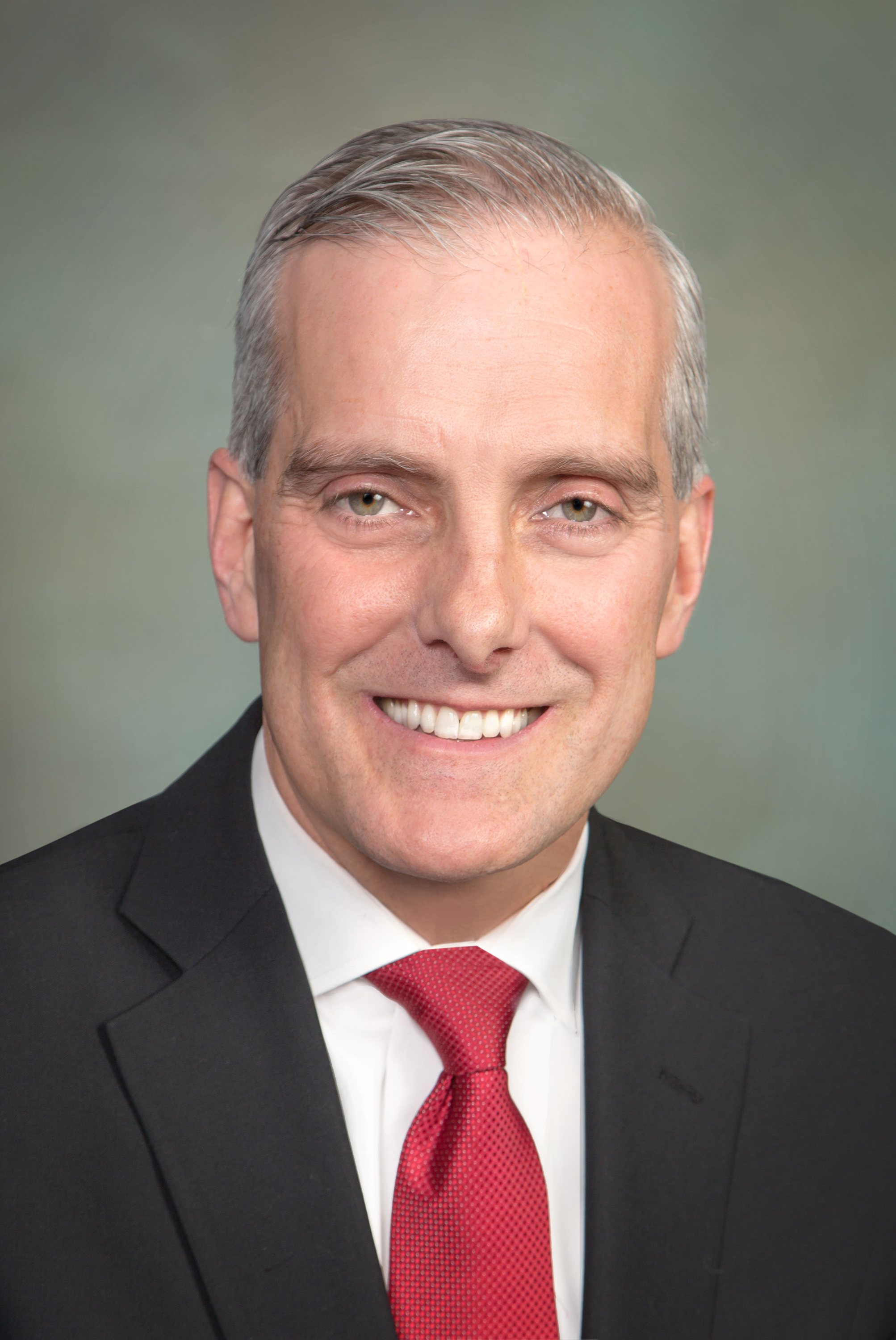
Denis McDonough was a nonresident scholar in Carnegie’s Technology and International Affairs Program.
Susan Landau
Susan Landau is the Bridge professor in cyber security and policy at the Fletcher School and the Department of Computer Science at Tufts University. Landau works at the intersection of cybersecurity, national security, law, and policy. Landau is currently a member of the National Academies Forum on Cyber Resilience.
Edward Felten
Avril Haines
Avril Haines was sworn in as the Director of National Intelligence on January 21, 2021. She is the seventh Senate-confirmed DNI in our nation’s history and the first woman to lead the U.S. Intelligence Community.
Harlan Yu
Jim Baker
Chris Inglis
Chris Inglis is a managing director at Paladin. He is the former deputy director at the National Security Agency.
Alissa Cooper
Ari Schwartz
Ari Schwartz is a leading voice in national cybersecurity policy with extensive government and nonprofit sector experience. He directs cybersecurity services for Venable's cybersecurity risk management group.