

{
  "authors": [
    "Costa Samaras",
    "Tanya Das",
    "Varun Sivaram",
    "Lisa Hansmann",
    "Milo McBride"
  ],
  "type": "event",
  "centerAffiliationAll": "dc",
  "centers": [
    "Carnegie Endowment for International Peace"
  ],
  "collections": [
    "Climate Mobility"
  ],
  "englishNewsletterAll": "ctw",
  "nonEnglishNewsletterAll": "",
  "primaryCenter": "Carnegie Endowment for International Peace",
  "programAffiliation": "SCP",
  "programs": [
    "Sustainability, Climate, and Geopolitics"
  ],
  "projects": [
    "The U.S. Foreign Policy for Clean Energy Taskforce"
  ],
  "regions": [
    "United States"
  ],
  "topics": [
    "Climate Change",
    "Foreign Policy",
    "Energy",
    "Technology"
  ]
}
Leaping Ahead: U.S. Innovation and the Future of Clean Energy
Thu, October 24th, 2024
In Person, Carnegie Endowment for International Peace
Invalid video URL
Facing pressing decarbonization goals and staggering Chinese overcapacity in critical clean energy supply chains, the United States has put forth robust green industrial policy. But going forward, policy makers may face difficult choices between diverging technology pathways. Does Washington pursue an uphill battle to retain market share of existing systems or does the U.S. pioneer the next-generation of climate solutions? Which energy technologies and low-carbon processes could prove areas of comparative strength for American industry? How can the U.S. leverage foreign policy to diffuse these advancements with allies and partners around the world?
To engage on these questions, please join Milo McBride, fellow at the Carnegie Endowment for International Peace, in conversation with Costa Samaras, director of the Carnegie Mellon University Scott Institute for Energy Innovation, Tanya Das, Director of the Energy Program at the Bipartisan Policy Center, Varun Sivaram, Senior Fellow for energy and climate at the Council on Foreign Relations, and Lisa Hansmann, principal at Engine Ventures.
This event is part of Carnegie’s Climate, Sustainability, and Geopolitics program's U.S. Foreign Policy for Clean Energy Taskforce. A lunch reception will be hosted following the event.
Carnegie does not take institutional positions on public policy issues; the views represented herein are those of the author(s) and do not necessarily reflect the views of Carnegie, its staff, or its trustees.
Event Speakers
Costa Samaras
Director, Scott Institute for Energy Innovation at Carnegie Mellon University
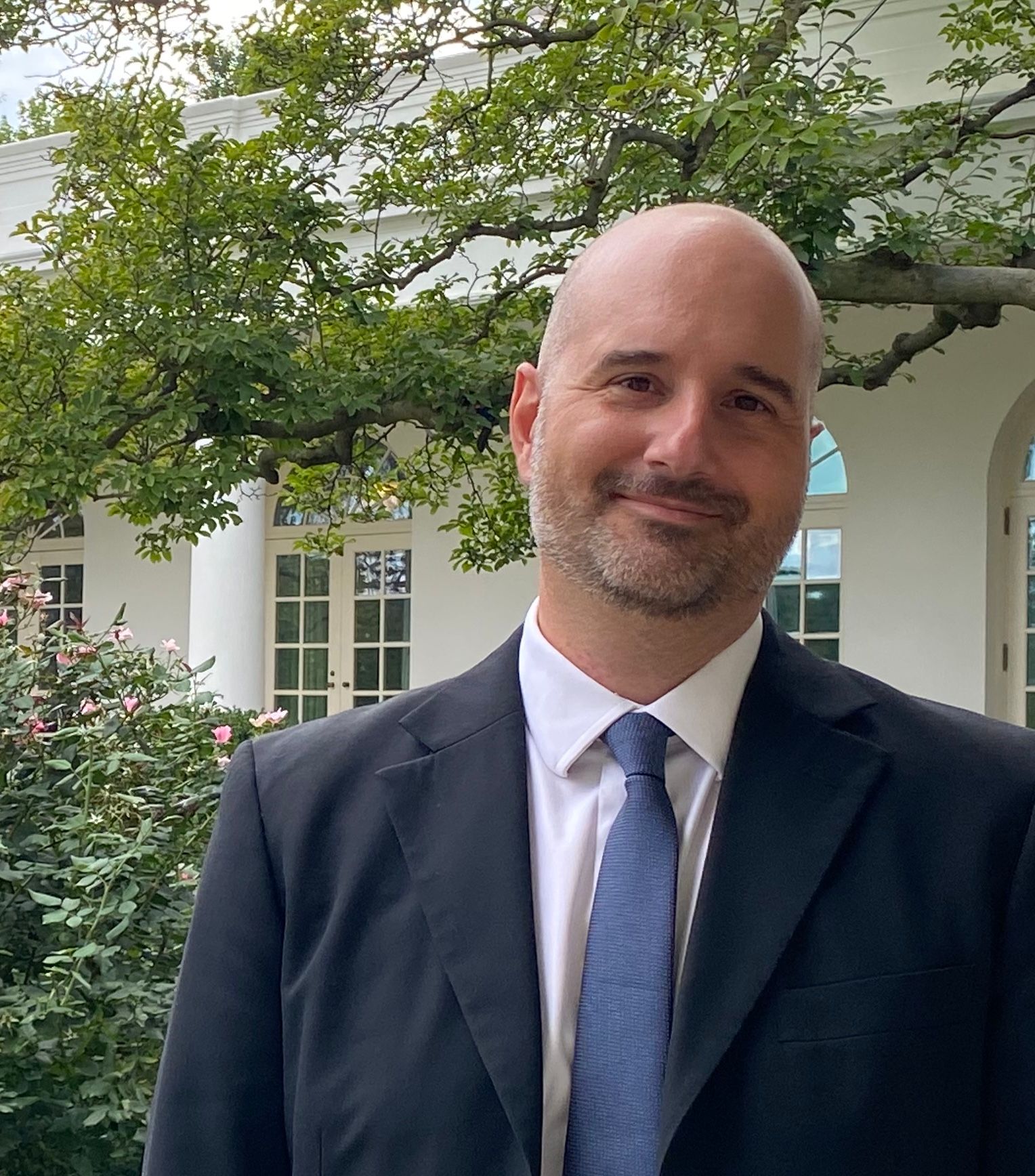
Dr. Costa Samaras is the Director of Carnegie Mellon University’s Scott Institute for Energy Innovation, and the Trustees Professor of Civil and Environmental Engineering. From 2021-2024, he served in the White House Office of Science and Technology Policy (OSTP) as Principal Assistant Director for Energy, OSTP Chief Advisor for Energy Policy, and then OSTP Chief Advisor for the Clean Energy Transition.
Tanya Das
Director, Energy Program, Bipartisan Policy Center.

Dr. Tanya Das is director of the Energy Program at the Bipartisan Policy Center. Previously, Dr. Das served the Biden administration as chief of staff of the Office of Science at the Department of Energy where she led implementation of presidential priorities to strengthen the federal research enterprise, support innovation ecosystems, and bolster U.S. competitiveness in emerging technology areas. She also worked as a professional staff member on the House Committee on Science, Space, and Technology, and as a legislative fellow in the office of U.S. Senator Chris Coons.
Dr. Varun Sivaram
Senior Fellow, Council on Foreign Relations

Dr. Varun Sivaram is senior fellow for energy and climate at the Council on Foreign Relations (CFR). Sivaram brings experience spanning the corporate, policy, and academic sectors, including as a C-suite executive at two publicly listed companies, as a senior U.S. diplomat, and as a physicist with expertise in clean energy technologies. He most recently served as Chief Strategy and Innovation Officer for Orsted, a Fortune Global 500 clean energy firm, and before that was managing director for clean energy and senior advisor to Sec. John Kerry in the Biden-Harris administration.
Lisa Hansmann
Principal, Engine Ventures

Lisa Hansmann is a Principal at Engine Ventures, where she invests in breakthrough technologies to advance the energy transition. She previously served in the White House as Special Assistant to the President and Senior Advisor across a range of issues in economic policy and industrial strategy.
Fellow, Sustainability, Climate, and Geopolitics Program

Milo McBride is a fellow in the Sustainability, Climate, and Geopolitics Program at the Carnegie Endowment for International Peace.