• Research
  • Emissary
  • About
  • Experts
Carnegie Global logoCarnegie lettermark logo
Democracy
  • Donate
factory

Projects — Sustainability, Climate, and Geopolitics

The U.S. Foreign Policy for Clean Energy Taskforce

About the Project

Clean energy and associated products are increasingly essential for the security and prosperity of the United States. But if the United States is to decarbonize its own economy and do its part to cut global emissions to net zero, it will have to effect change beyond its borders.

This project brings together a high-level, transpartisan taskforce of past and future U.S. foreign policymakers to explore how the U.S. government can use its financial, trade, regulatory, and diplomatic tools to strengthen clean energy supply chains around the world. Through technical analysis of supply chains for key energy technologies and transition minerals, engagement with active policymakers, and the publication of research and convening of public events, the group aims to develop a roadmap for the future of U.S. foreign policy for clean energy.

Programs

Sustainability, Climate, and Geopolitics

The Sustainability, Climate, and Geopolitics Program explores how climate change and the responses to it are changing international politics, global governance, and world security. Our work covers topics from the geopolitical implications of decarbonization and environmental breakdown to the challenge of building out clean energy supply chains, alternative protein options, and other challenges of a warming planet.

Learn More

Featured

How the U.S. Can Stop Losing the Race for Clean Energy

The United States lags far behind China in the race for clean energy technologies and critical minerals. It needs a robust domestic industrial policy and international partnerships to make up ground.

Read the reportDownload the summary (PDF)
Solar panels in front of a barn with a U.S. flag

Key Products

Ford Motor Company's electric F-150 Lightning on the production line at their Rouge Electric Vehicle Center in Dearborn, Michigan on September 8, 2022.
Paper
Catching Up or Leaping Ahead? How Energy Innovation Can Secure U.S. Industrial Stature in a Net-Zero World

Chinese companies are dominating the production of technologies essential for a clean energy future. The United States should embrace innovation to preserve its future energy security.

    Milo McBride

Paper
Assessing Progress in Building Clean Energy Supply Chains: The Technical Paper of the U.S. Foreign Policy for Clean Energy Taskforce

To build clean energy supply chains and regain geopolitical advantage, the United States and its partners need to focus strategic investment. This will require a set of targets that help identify where and when investment is needed. 

    Bentley Allan, Jonas Goldman, Daniel Helmeci

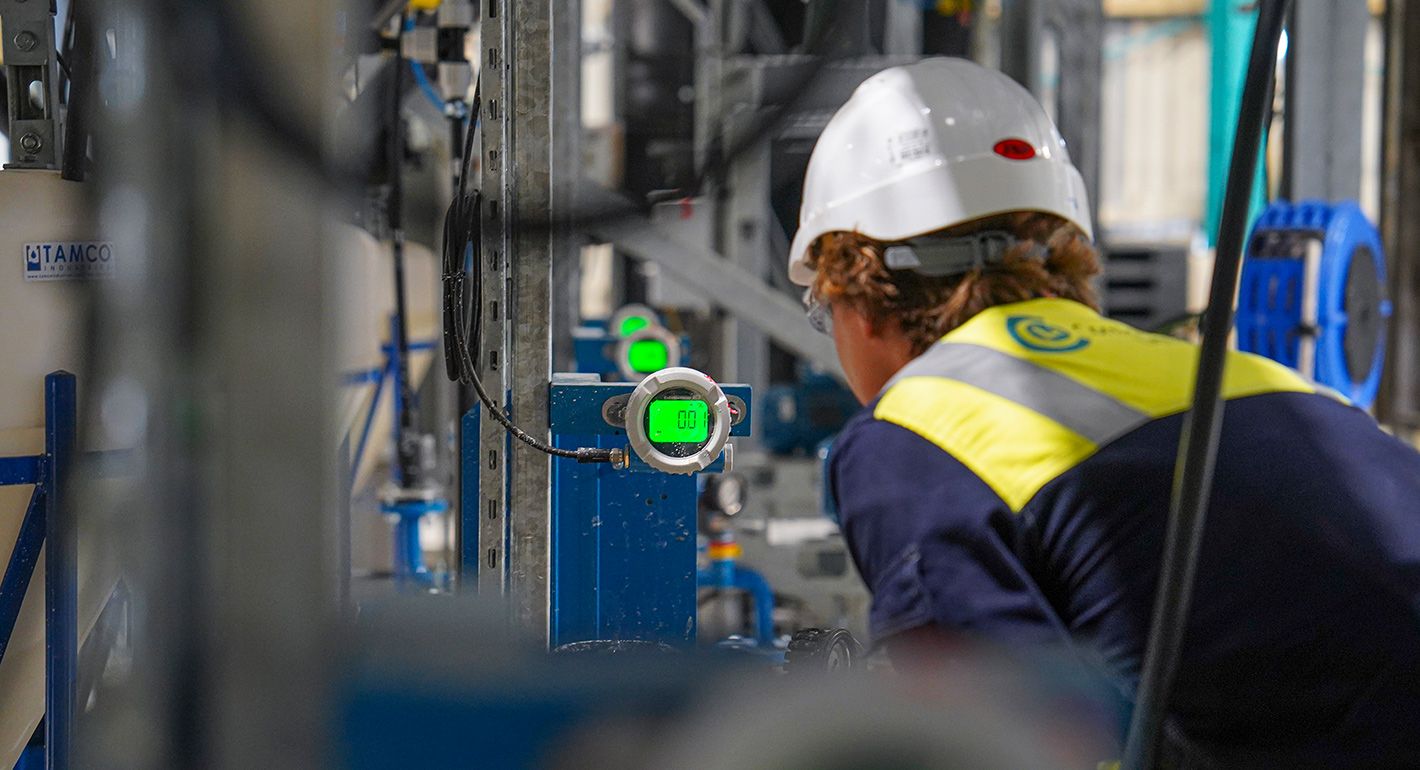
A staff member of Cornish Lithium at work in the company's new Lithium Hydroxide Demonstration Plant on November 11, 2024 in St Austell, Cornwall, England
Paper
Minerals, Manufacturing, and Markets: Foreign Policy for U.S. Energy Technology and Minerals

The United States has deployed varying degrees of diplomacy, foreign financing, and trade for new energy technologies—but a pragmatic, holistic strategy is in order.

    Milo McBride, Daniel Helmeci

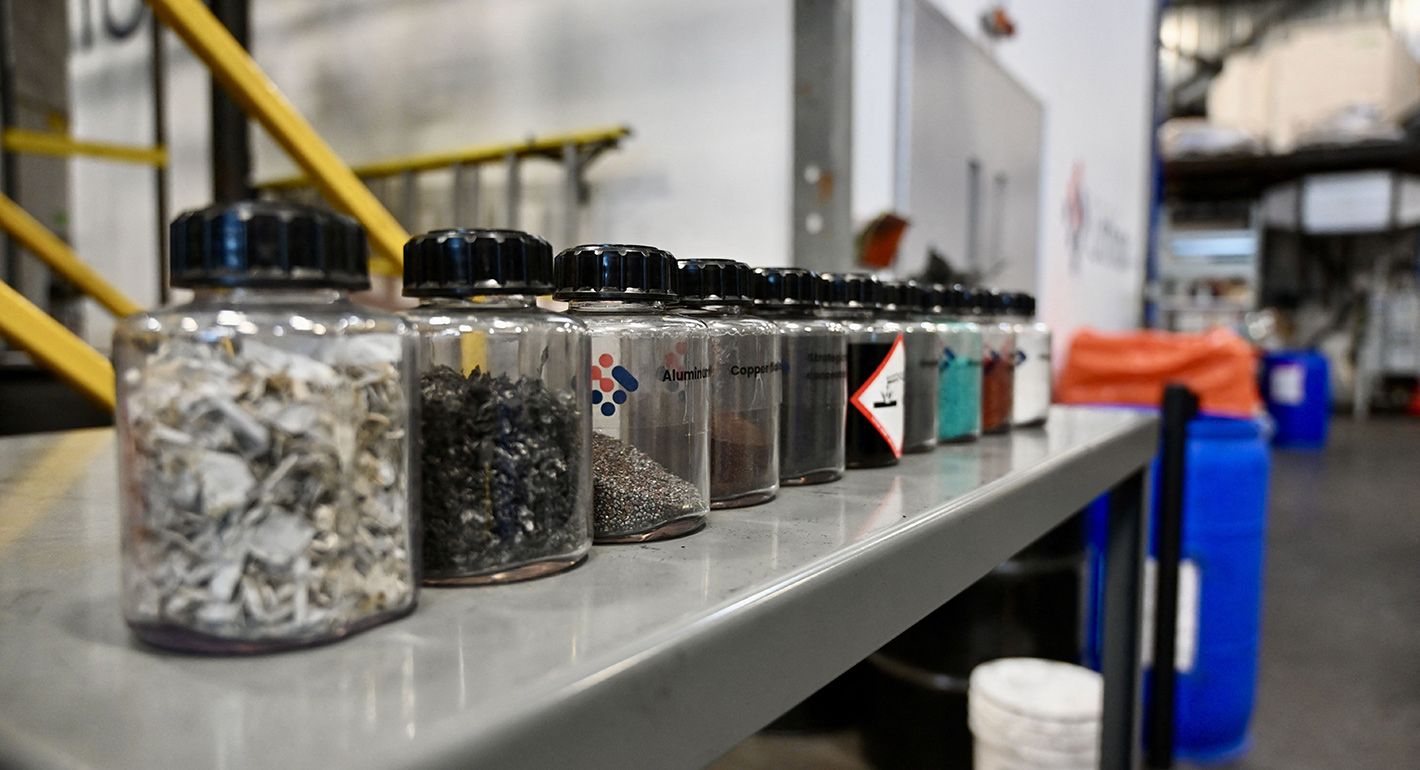
Examples of rare minerals obtained by recycling used batteries
Paper
Regaining Geopolitical Advantage: How to Focus U.S. Foreign Policy for Clean Energy

The United States is losing the race for secure supply chains of clean energy. But a new framework could help the United States achieve technological leadership and geopolitical advantage in an interconnected world.

    Bentley Allan

Collection

Clean Energy Investment At Home and Abroad

See the Collection
U.S. Treasury Department
Research
How the Federal Financing Bank Could Strengthen Clean Energy Supply Chains

The need to deploy public funds for clean energy is clear. But how could the government do it? The Federal Financing Bank could be the answer.

    Sarah Bloom Raskin

Examples of rare minerals obtained by recycling used batteries
Paper
Regaining Geopolitical Advantage: How to Focus U.S. Foreign Policy for Clean Energy

The United States is losing the race for secure supply chains of clean energy. But a new framework could help the United States achieve technological leadership and geopolitical advantage in an interconnected world.

    Bentley Allan

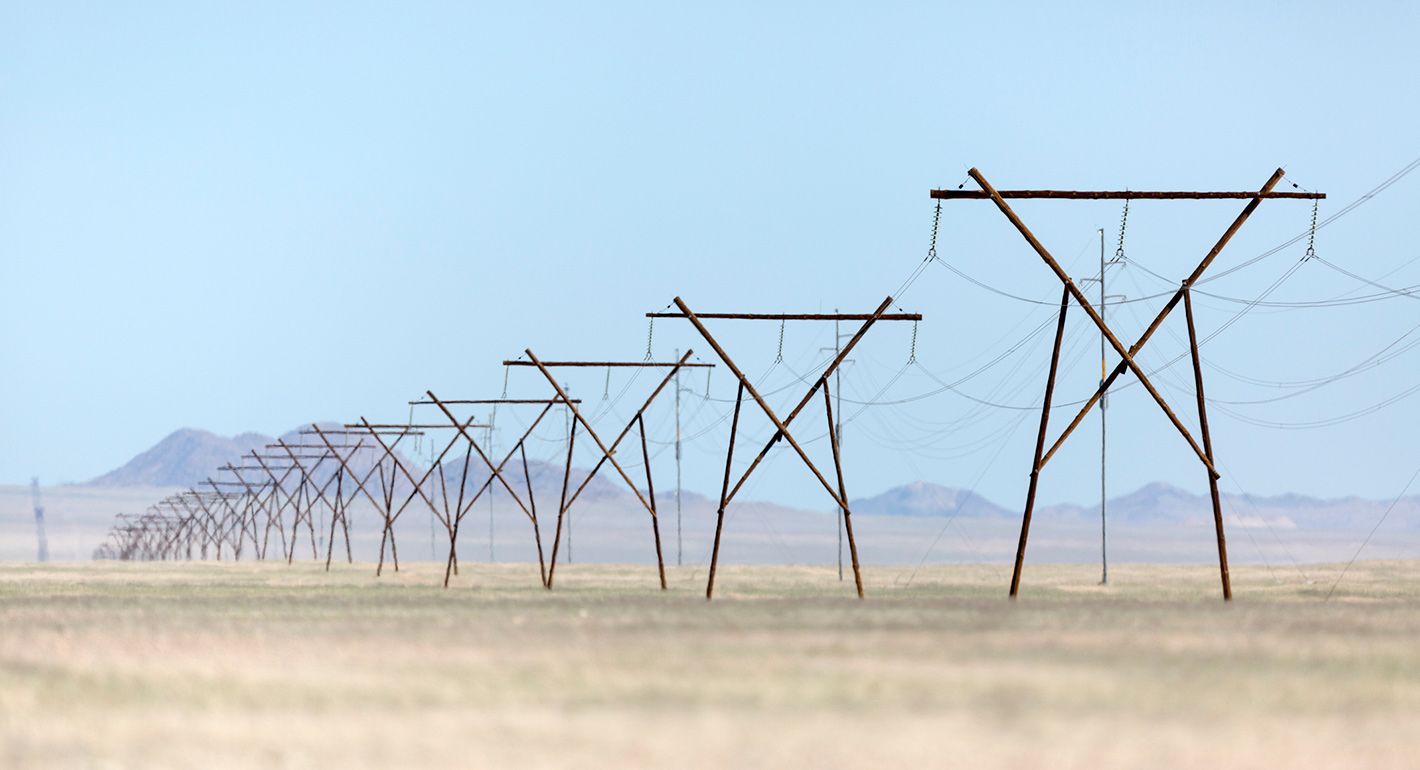
Endless power lines in the south of Namibia
Article
Our Shared Energy Security: Why the U.S. and Its Energy-Poor Allies Must Coinvest in Solutions—and How

Many of the countries with globally significant mineral resources—which the United States and its allies will depend on to diversify the clean energy supply chain—are deeply energy insecure.

    Katie Auth

Collection

Centering Clean Energy in Trade and Foreign Policy

See the Collection
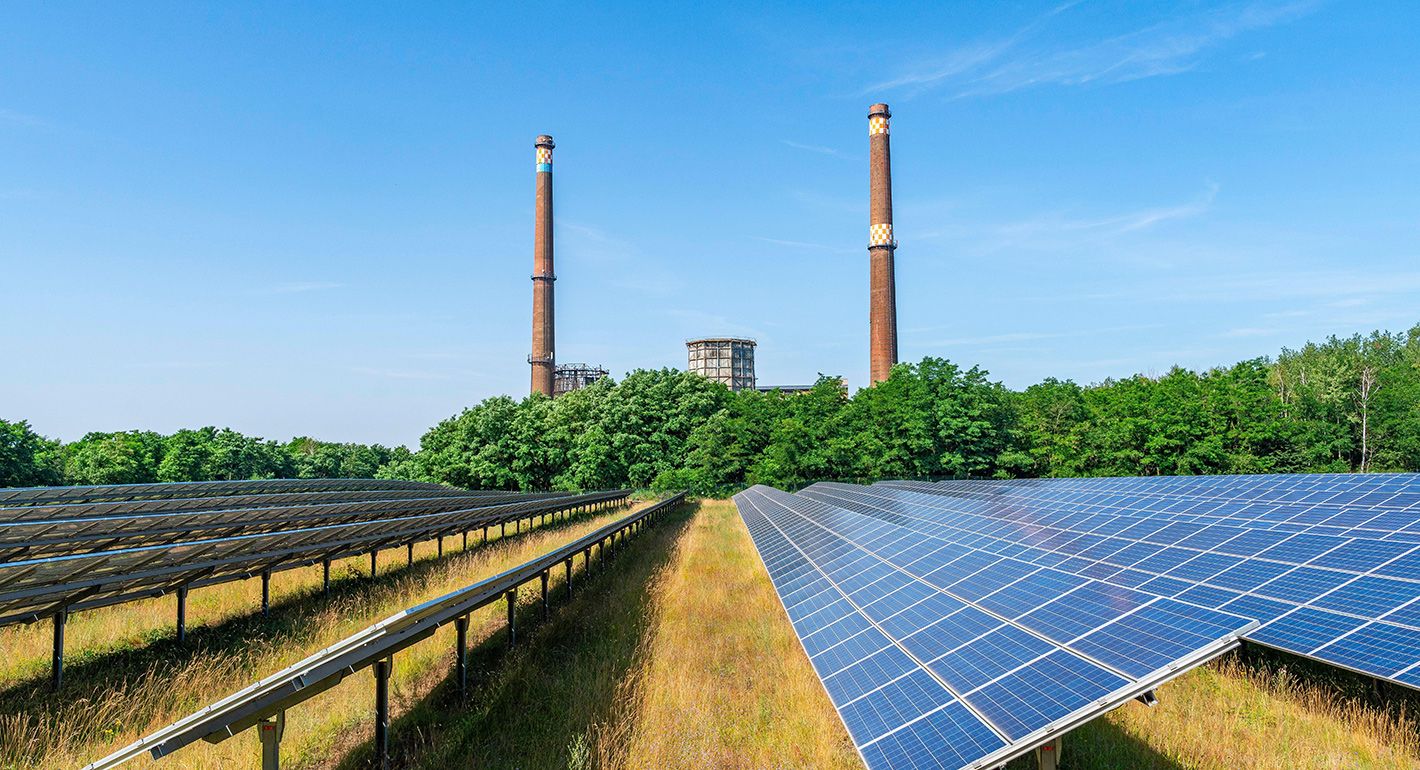
Solar panels in a field
Feature
Carbon to Clean Tracker: Repurposing Fossil Fuel Power Stations into Clean Energy Hubs

The Carbon to Clean Tracker catalogs where and how fossil fuel power stations are being repurposed into clean alternatives.

A staff member of Cornish Lithium at work in the company's new Lithium Hydroxide Demonstration Plant on November 11, 2024 in St Austell, Cornwall, England
Paper
Minerals, Manufacturing, and Markets: Foreign Policy for U.S. Energy Technology and Minerals

The United States has deployed varying degrees of diplomacy, foreign financing, and trade for new energy technologies—but a pragmatic, holistic strategy is in order.

    Milo McBride, Daniel Helmeci

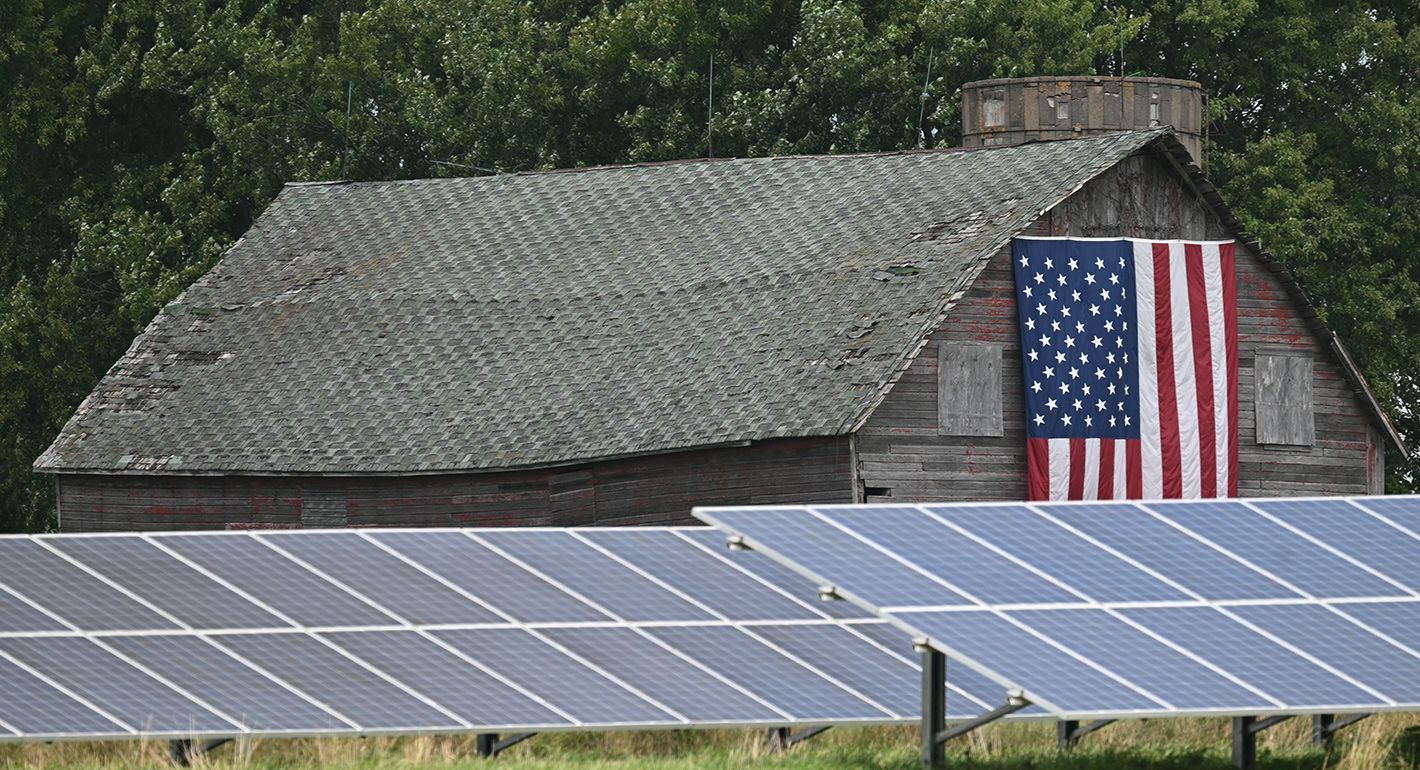
Solar panels in front of a barn with a U.S. flag
Paper
How the U.S. Can Stop Losing the Race for Clean Energy

The United States lags far behind China in the race for clean energy technologies and critical minerals. It needs a robust domestic industrial policy and international partnerships to make up ground.
    • Noah  Gordon ​​​​
    • +5

    Bentley Allan, Milo McBride, Noah Gordon, …

Collection

Embracing American Energy Innovation

See the Collection
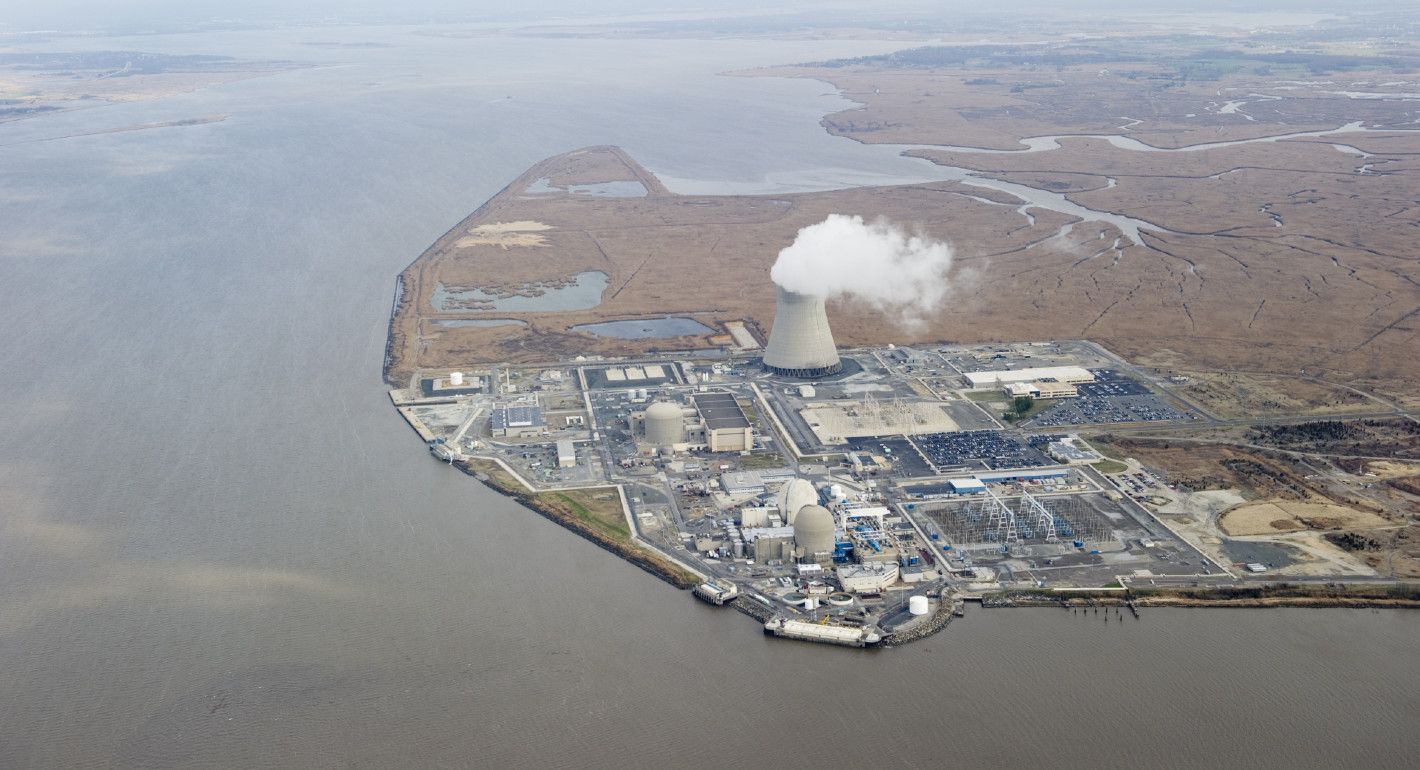
Aerial photograph of Salem Power Plant in New Jersey.
Article
Embracing an All-of-the-Above Strategy for Energy and Economic Development

Nuclear must be part of the mix.

    • Photo of DJ Nordquist.

    DJ Nordquist

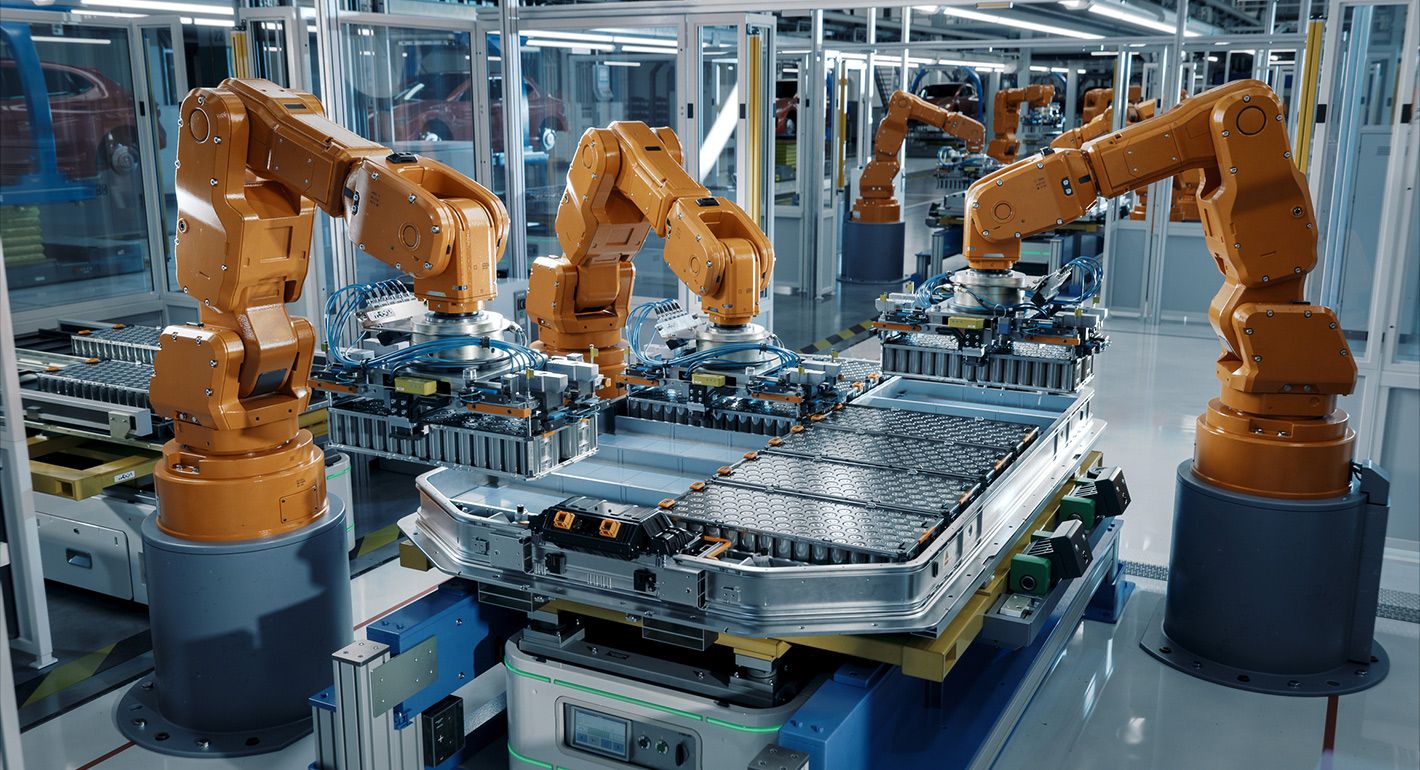
Advanced Orange Industrial Robot Arms Assemble EV Battery Pack on Automated Production Line
Paper
Winning the Battery Race: How the United States Can Leapfrog China to Dominate Next-Generation Battery Technologies

The United States battery industry has fallen dangerously behind the global leaders. The main thrust of the U.S. policy response to the battery crisis must be the urgent commercialization of next-generation technologies where the United States can actually enjoy a competitive advantage.

    • Noah  Gordon ​​​​

    Varun Sivaram, Noah Gordon, Daniel Helmeci

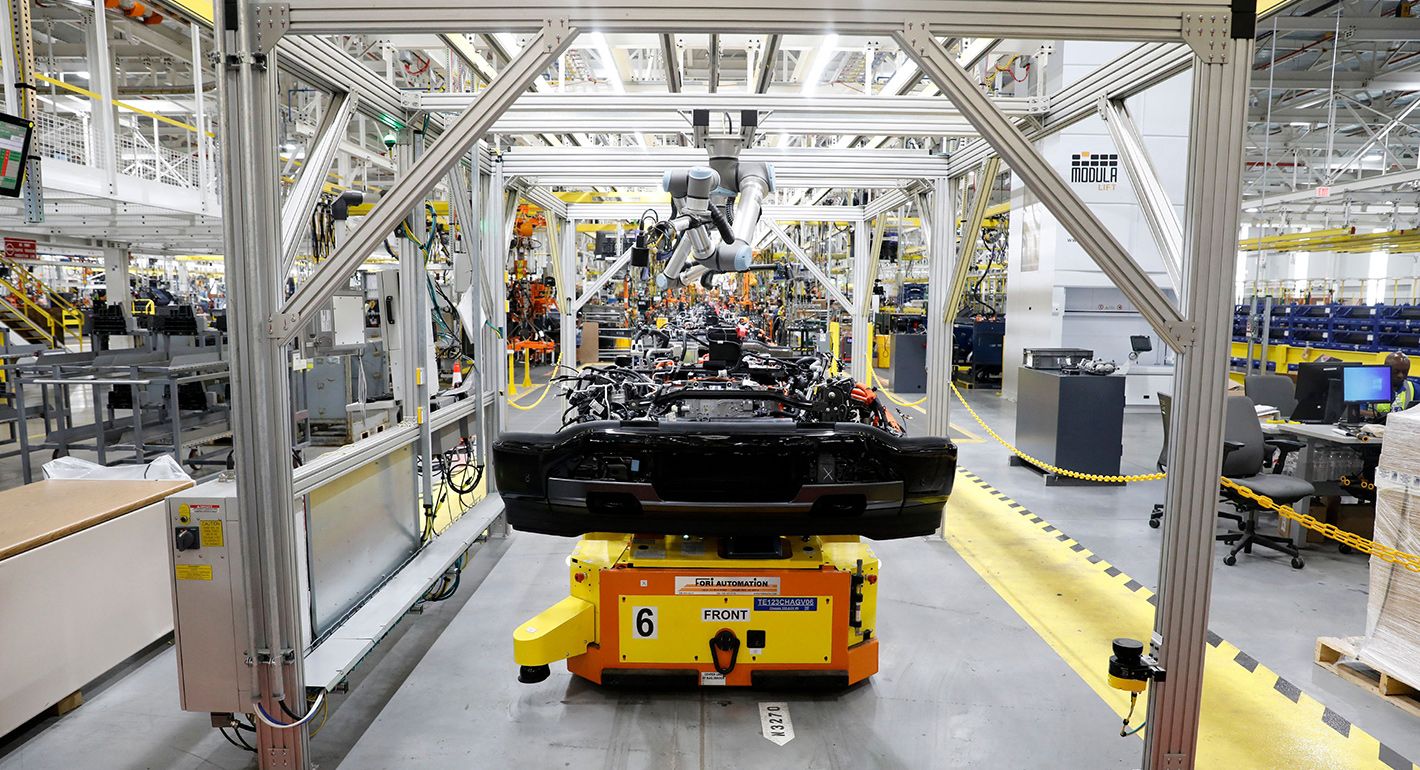
Ford Motor Company's electric F-150 Lightning on the production line at their Rouge Electric Vehicle Center in Dearborn, Michigan on September 8, 2022.
Paper
Catching Up or Leaping Ahead? How Energy Innovation Can Secure U.S. Industrial Stature in a Net-Zero World

Chinese companies are dominating the production of technologies essential for a clean energy future. The United States should embrace innovation to preserve its future energy security.

    Milo McBride
Taskforce Members

Katie Auth

Policy Director
Energy for Growth Hub

George David Banks

Fellow
Bipartisan Policy Center

Chris Barnard

President
American Conservation Coalition

Emily Benson

Director, Project on Trade and Technology
CSIS

Sarah Bloom Raskin

Distinguished Professor and Senior Fellow
Duke University Center on Risk

Russell Kenneth DeGraff

Former Chief Climate Advisor
Speaker of the House Nancy Pelosi

Leandra English

Senior Advisor
MIT

Stephanie Epner

Global Senior Director
Climate Imperative Foundation

Sameera Fazili

Fellow, Industrial Policy and Trade
Roosevelt Institute

Ted Fertik

Vice President for Manufacturing and Industrial Policy
Blue Green Alliance

Kate Gordon

Nonresident Scholar
Carnegie Endowment

Peter Harrell

Nonresident Scholar
Carnegie Endowment

Jen Harris

Director, Economy and Society Initiative
Hewlett Foundation

Abigail Hunter

Director, Center for Critical Minerals Strategy
SAFE

David Livingston

Former Senior Advisor
Special Presidential Envoy for Climate

Nick Lombardo

Senior Program Director for International Policy
ClearPath

CJ Mahoney

Vice President and Deputy Counsel
Cloud + AI, Microsoft

Vicki Mak-Romo

Senior Manager of Supply Chain and Energy Policy
General Motors

Brian Menell

Chairman and CEO
TechMet

Danielle Merfeld

Global Chief Technology Officer
Hanwha Qcells

DJ Nordquist

Executive Vice President
Economic Innovation Group

Sagatom Saha

Adjunct Research Scholar
Center on Global Energy Policy, Columbia University

Varun Sivaram

Group Senior Vice President, Head of Strategy and Innovation
Ørsted

Get more news and analysis from
Carnegie Endowment for International Peace
Carnegie global logo, stacked
1779 Massachusetts Avenue NWWashington, DC, 20036-2103Phone: 202 483 7600Fax: 202 483 1840
  • Research
  • Emissary
  • About
  • Experts
  • Donate
  • Programs
  • Events
  • Blogs
  • Podcasts
  • Contact
  • Annual Reports
  • Careers
  • Privacy
  • For Media
  • Government Resources
Get more news and analysis from
Carnegie Endowment for International Peace
© 2026 Carnegie Endowment for International Peace. All rights reserved.