

{
  "authors": [
    "Simon Romero",
    "Tanya Aguiñiga",
    "Regan Dunn",
    "Liliana Gamboa",
    "Badruun Gardi"
  ],
  "type": "event",
  "centerAffiliationAll": "dc",
  "centers": [
    "Carnegie Endowment for International Peace"
  ],
  "englishNewsletterAll": "ctw",
  "nonEnglishNewsletterAll": "",
  "programAffiliation": "CC",
  "programs": [
    "Carnegie California"
  ],
  "projects": [],
  "regions": [],
  "topics": [
    "Climate Change",
    "Migration",
    "Subnational Affairs"
  ]
}
How Can Our World Rethink Climate Mobility?
Thu, February 6th, 2025
Live Online and 900 Exposition Blvd Los Angeles, CA 90007
Invalid video URL
We planned this event before historic wildfires devastated L.A. and sent thousands of us out of our homes. We hope this discussion will be a source of inspiration and ideas as we contemplate our collective future during a time of grief and loss.
Co-presented by Zócalo Public Square and Carnegie California, in partnership with the Natural History Museum of Los Angeles County and Flavors from Afar
Moderated by Simon Romero, International Correspondent, New York Times
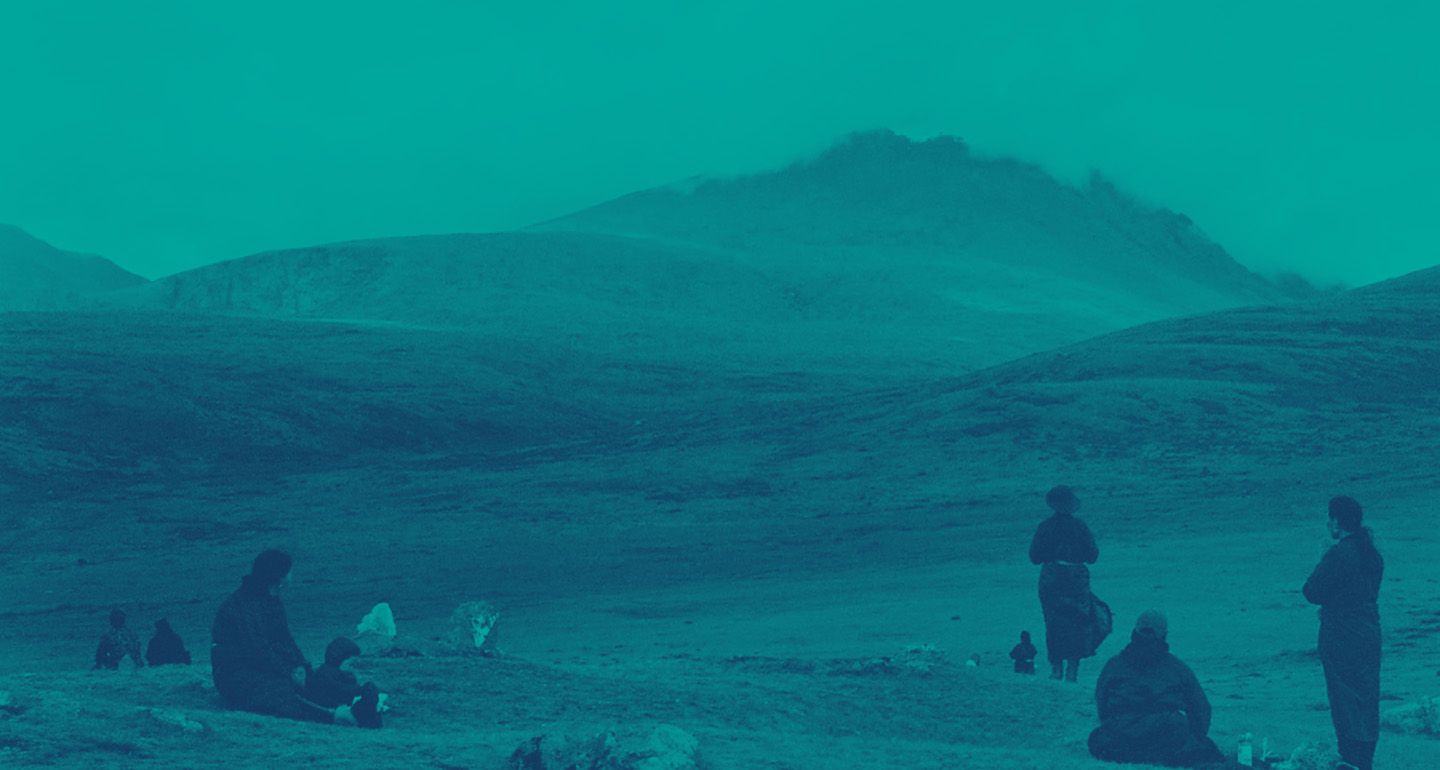
The discourse around climate change and human movement tends toward the apocalyptic and dystopian. Headlines warn that floods, droughts, and other extreme natural disasters—and the resulting displacement of dispossessed people—are the new normal. But what if we create an entirely new, forward-thinking framework around climate mobility, both domestic and international? How would we reconsider borders, rethink international aid and cooperation, and reimagine how communities welcome and absorb newcomers? Can we learn to see mobility as an act of dignity, and another form of adaptation that moves a species forward?
Join us for a night at the museum, including a panel conversation at the new NHM Commons Theater with artist Tanya Aguiñiga, paleobotanist and curator Regan Dunn, climate mobility scholar Liliana Gamboa, and New Nomad Institute co-founder Badruun Gardi. They’ll discuss what it would take to build a more interconnected, resilient, and nomadic world on the international, community, and individual levels.
An after-hours reception featuring local artists and celebrating the diversity and resilience of Los Angeles will follow in NHM’s Dueling Dinos Grand Foyer and African and North American Diorama Halls. We’ll come together over food and beverages by Flavors from Afar, international sounds by dublab DJ Rani de Leon, and vinyl deep listening sessions exploring global themes by Tana Yonas with Sounds from Afar. Free with RSVP.
Carnegie does not take institutional positions on public policy issues; the views represented herein are those of the author(s) and do not necessarily reflect the views of Carnegie, its staff, or its trustees.
Event Speakers
Simon Romero
International Correspondent, New York Times
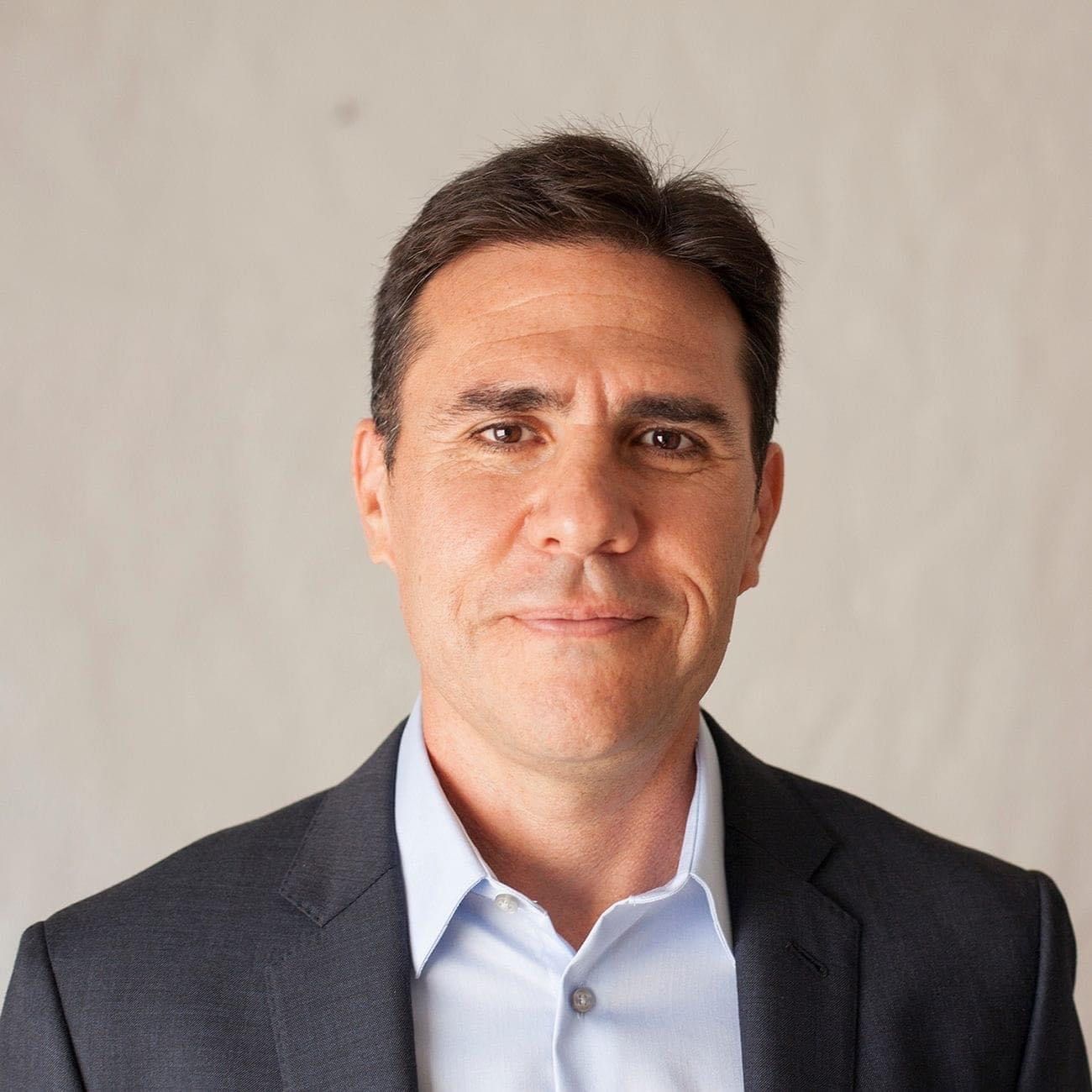
Simon Romero is an international correspondent for The New York Times. Based in Mexico City, he travels widely to write about Mexico, Central America and the Caribbean. He was previously the Times's Brazil Bureau Chief, based in Rio de Janeiro, and Andean Bureau Chief, based in Caracas, Venezuela. He also covered the American West as a National Correspondent based in Albuquerque, N.M.
Tanya Aguiñiga
Artist and Founder, Art Made Between Opposite Sides

Tanya Aguiñiga is an artist and craftsperson, working with traditional craft materials like natural fibers and collaborates with other artists and activists to create sculptures, installations, performances, and community-based art projects. She is the founder of Art Made Between Opposite Sides, an ongoing series of projects that provides a platform for binational artists. Her work is in the collection of the Hammer Museum, LACMA, Smithsonian’s Cooper Hewitt and Renwick Museums, and the Museum of Art and Design among others.
Dr. Regan Dunn
Paleobotanist and Curator, La Brea Tar Pits & Museum
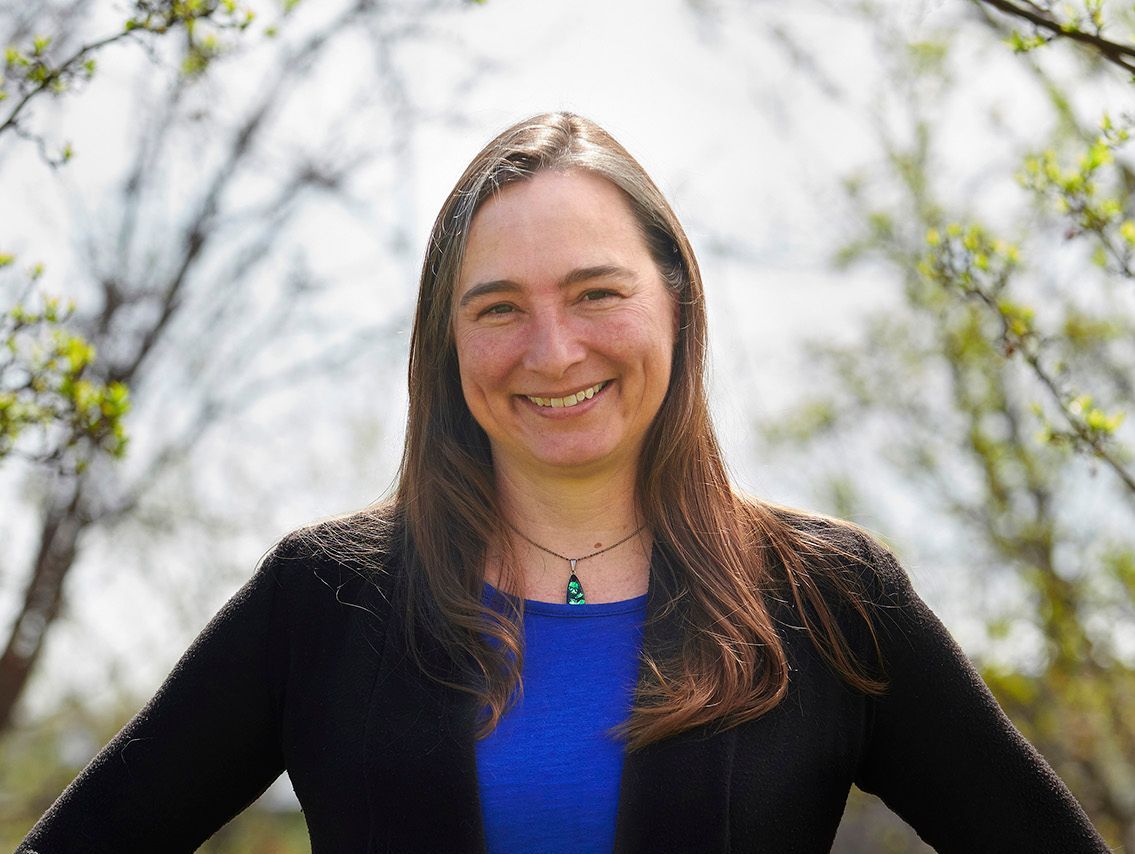
Regan Dunn is the interim assistant deputy director and assistant curator at La Brea Tar Pits & Museum. As a paleobotanist, Dunn researches the interplay between climate, plants, evolution and extinction during time periods of rapid change. Her research has been featured in numerous outlets including Science Magazine, the New York Times, the Los Angeles Times, and NPR. Dunn received her PhD in Biology from the University of Washington.
Nonresident Scholar, Carnegie California; Sustainability, Climate, and Geopolitics Program
Liliana Gamboa is a nonresident scholar at the Carnegie Endowment for International Peace in Carnegie California and in the Sustainability, Climate, and Geopolitics Program. Liliana most recently was program manager at the Open Society Foundations. Liliana has over fifteen years of experience working in the human rights field, in work that ranges from designing and implementing anti-discrimination projects in Dominican Republic, Colombia, and Chile to climate justice work in the Caribbean.
Badruun Gardi
Co-Founder and Chairman, New Nomad Institute
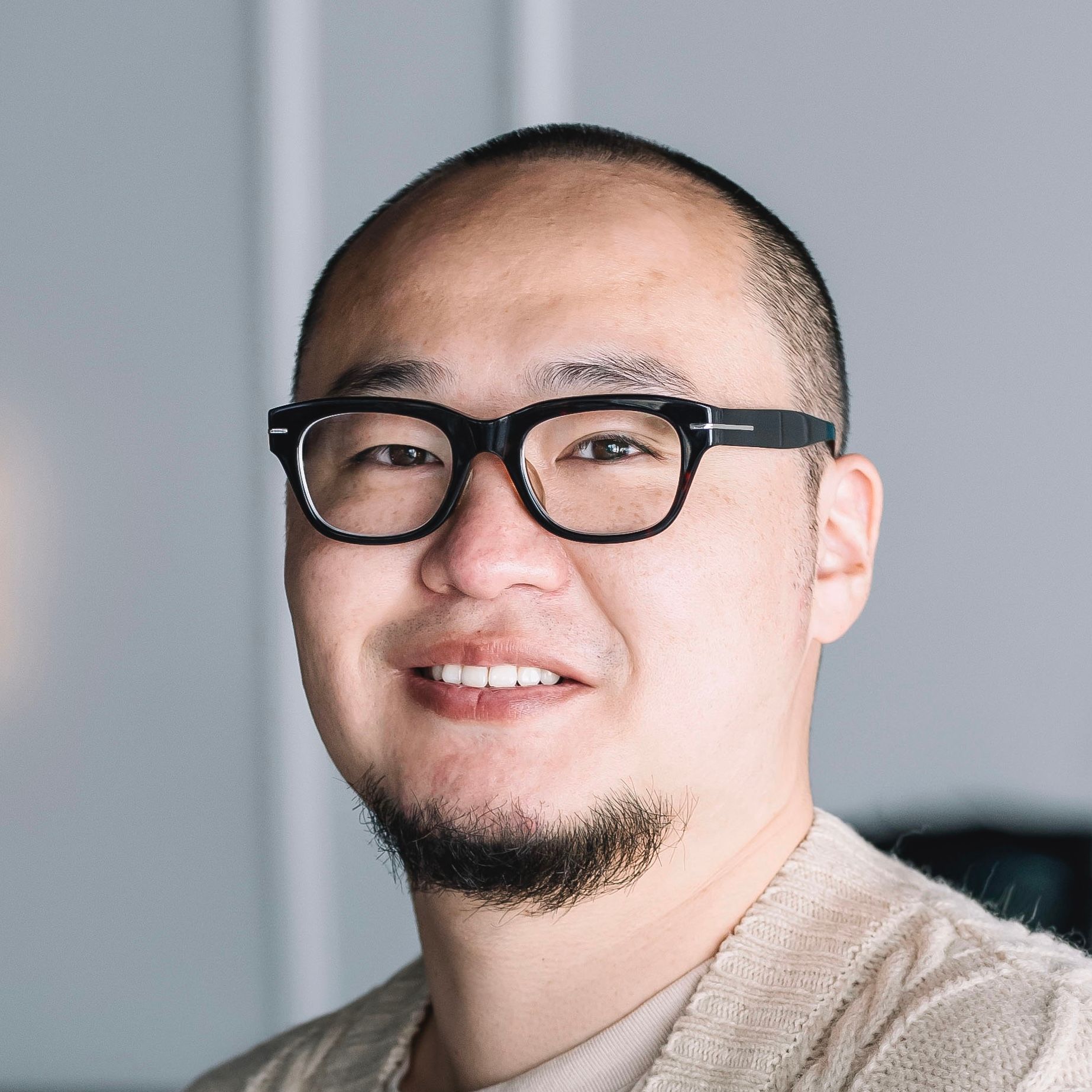
Badruun Gardi is a social innovator, creative strategist, and educator from Mongolia. He is founder of the newly established New Nomad Institute, a research and action institute that aims to uncover the enduring knowledge of nomadic societies and apply those learnings towards addressing the climate crisis. Badruun is also co-founder of GerHub and a member of the Climate Migration Council.