

{
  "authors": [
    "Michael Kofman",
    "Shashank Joshi"
  ],
  "type": "event",
  "centerAffiliationAll": "dc",
  "centers": [
    "Carnegie Endowment for International Peace"
  ],
  "englishNewsletterAll": "ctw",
  "nonEnglishNewsletterAll": "",
  "primaryCenter": "Carnegie Endowment for International Peace",
  "programAffiliation": "russia",
  "programs": [
    "Russia and Eurasia"
  ],
  "projects": [
    "The Future of Russian Power"
  ],
  "regions": [
    "Russia",
    "Ukraine"
  ],
  "topics": [
    "Military",
    "NATO",
    "Security"
  ]
}
The Next Russia Threat: Moscow’s Military Power After Ukraine
Thu, July 9th, 2026
Live Online
Invalid video URL
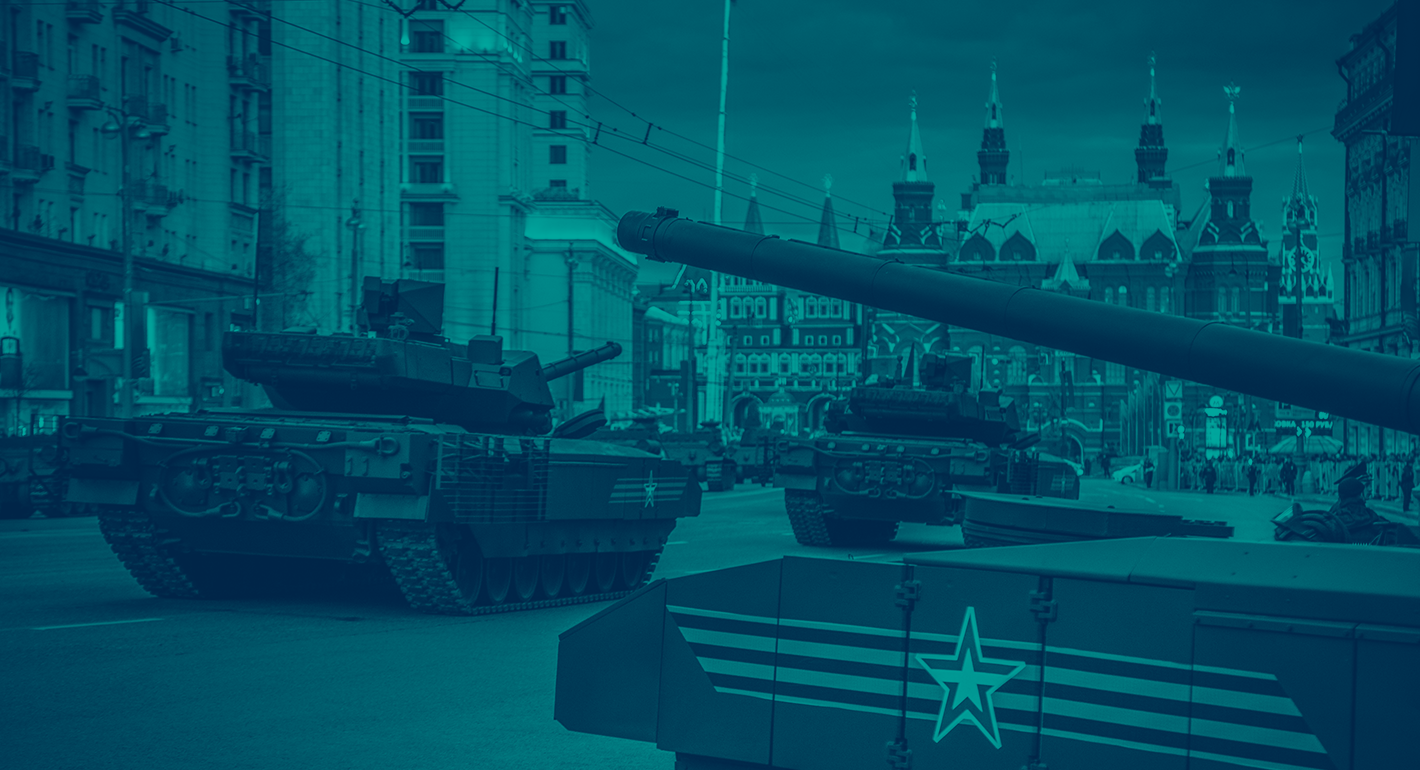
While it is easy to assume that the war in Ukraine will leave Russia’s military weakened and unable to pose a serious challenge to NATO for the foreseeable future, the reality may be far less reassuring. In the latest issue of Foreign Affairs, Carnegie Endowment Senior Fellow Michael Kofman offers a detailed assessment of Russia’s military reconstitution and what it means for the future of European security. He argues that Russia’s military could emerge from the war more capable and more dangerous to NATO, sooner than many observers expect—within five to seven years.
On July 9, Kofman will join Shashank Joshi, former defense editor and incoming Washington bureau chief at The Economist, for a candid conversation on Russia’s military trajectory and the implications for the broader security landscape.
This event is part of Carnegie’s The Future of Russian Power project, a major research initiative examining how Russia’s ambitions, capabilities, and role in the international order will evolve after the war in Ukraine. Other publications, podcasts, and media appearances connected to the project can be found here.
Carnegie does not take institutional positions on public policy issues; the views represented herein are those of the author(s) and do not necessarily reflect the views of Carnegie, its staff, or its trustees.
Event Speakers
Senior Fellow, Russia and Eurasia Program
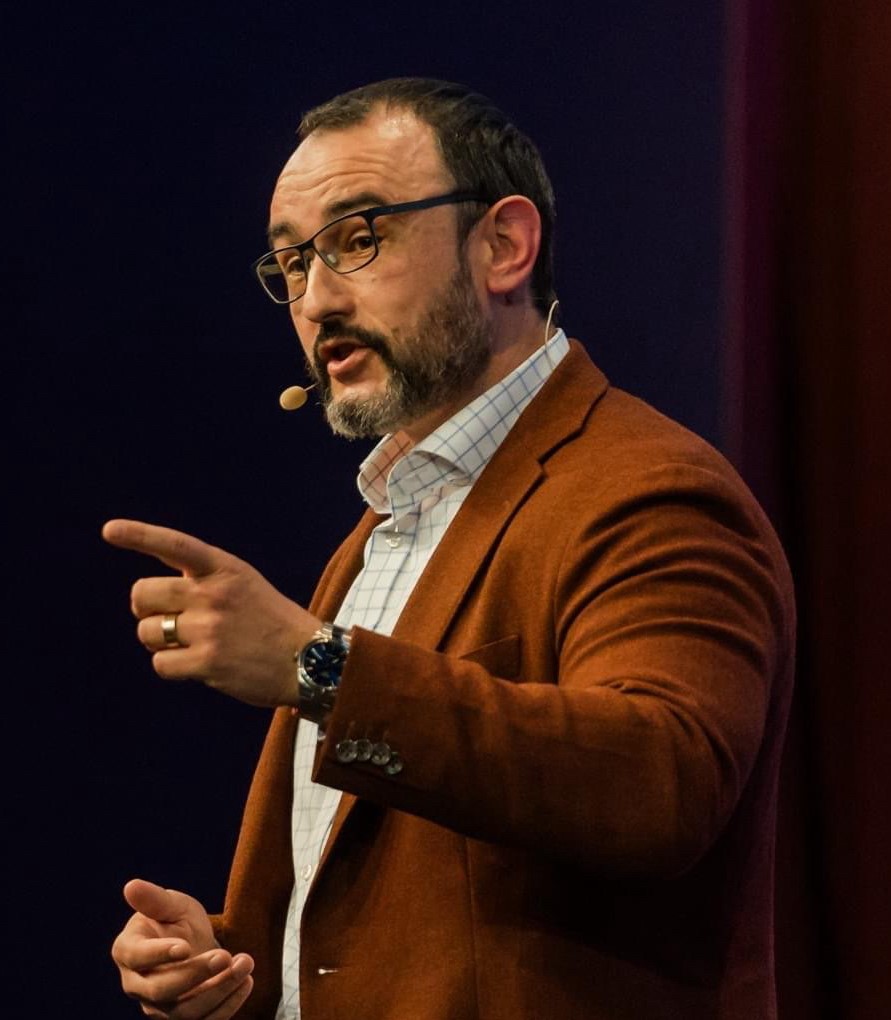
Michael Kofman is a senior fellow in the Russia and Eurasia Program at the Carnegie Endowment for International Peace, where he focuses on the Russian military, Ukrainian armed forces, and Eurasian security issues.
Shashank Joshi
The Economist's Washington Bureau Chief
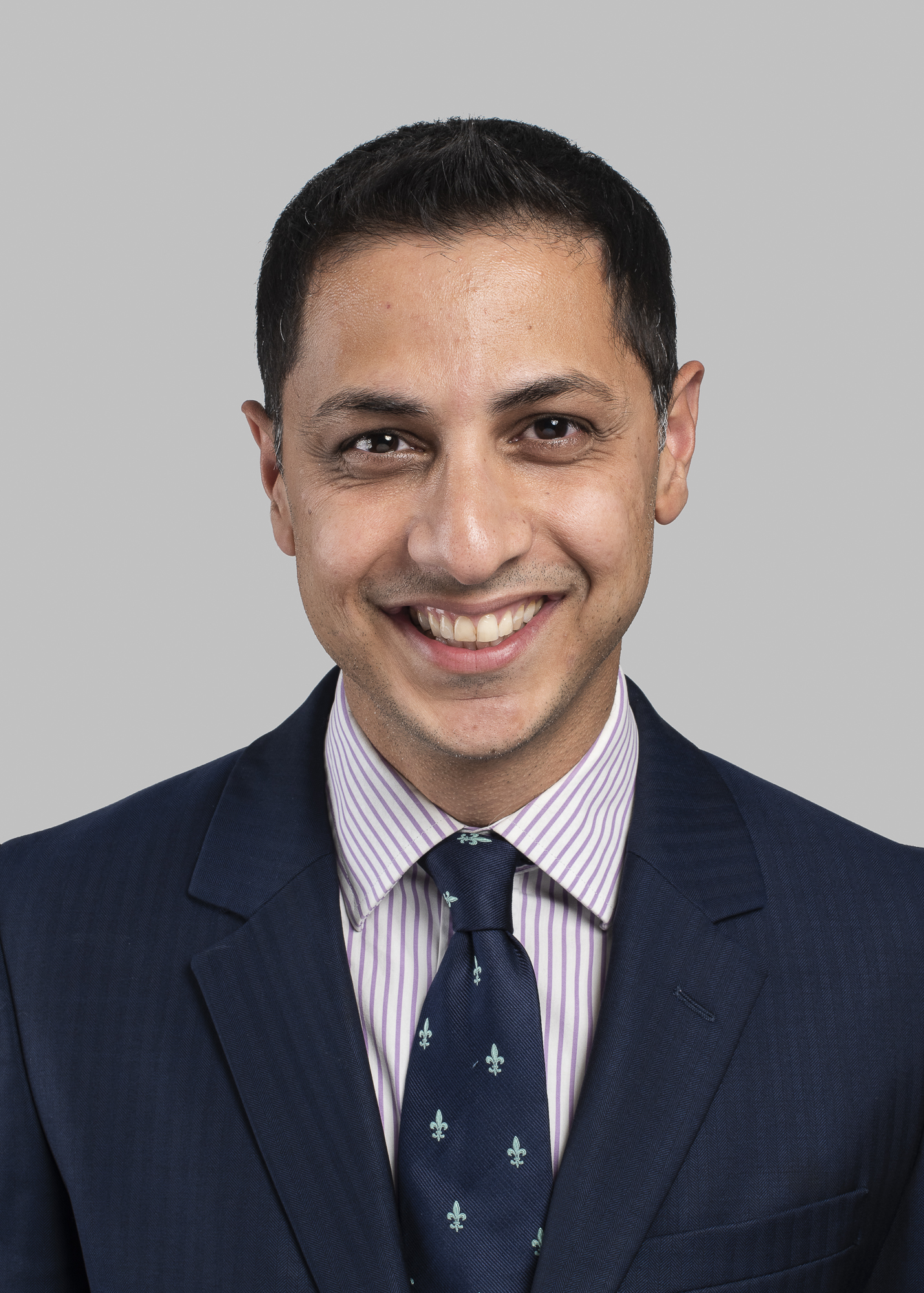
Shashank Joshi is The Economist’s Washington bureau chief. He served for eight years as the paper’s defence editor, writing the weekly War Room newsletter with more than 120,000 subscribers and presenting Inside Defence, a monthly video podcast.