{
  "authors": [
    "Thomas Carothers",
    "Martha Brill Olcott",
    "Marina Ottaway",
    "Anatol Lieven"
  ],
  "type": "event",
  "centerAffiliationAll": "dc",
  "centers": [
    "Carnegie Endowment for International Peace"
  ],
  "collections": [],
  "englishNewsletterAll": "democracy",
  "nonEnglishNewsletterAll": "",
  "primaryCenter": "Carnegie Endowment for International Peace",
  "programAffiliation": "DCG",
  "programs": [
    "Democracy, Conflict, and Governance",
    "South Asia"
  ],
  "projects": [],
  "regions": [
    "South Asia"
  ],
  "topics": [
    "Political Reform",
    "Economy",
    "Trade",
    "Security"
  ]
}
REQUIRED IMAGE
Post-Conflict Reconstruction in Afghanistan
Fri, January 4th, 2002
Moderator: Marina Ottaway, Carnegie Endowment Senior Associate
On Friday, January 4, a small group of area specialists and experts on post-conflict reconstruction met with Mark Malloch-Brown, administrator of the United Nations Development Programme, at the Carnegie Endowment to discuss the future of Afghanistan. Major topics of discussion included funding programs for sustainable development, the role of warlords in the post-conflict power structure, and combating narco- and arms trafficking in the region.
Mark Malloch-Brown and Lakhdar Brahimi, Special Representative of the Secretary-General for Afghanistan, are advocating for a five-year, US $9 billion plan for the country, which they hope will bridge gaps between relief and reconstruction. Donor interest will likely be high in the immediate future, and Mr. Malloch-Brown expects between US $1 and $2 billion will be spent on Afghan reconstruction efforts in 2002. UNDP currently employs about 700 Afghans in the country. Establishing security to facilitate delivery of services outside of major urban centers is, of course, a major priority for both relief efforts and building of state capacity.
The continued power of warlords and persistence of tribal loyalties cannot be ignored as Interim Prime Minister Hamid Karzai and his new administration build a national bureaucracy. Any state structure will likely have to be highly decentralized, in order to account for ethnic and regional differences, but it is still unclear what roles, formal or informal, warlords will play in the post-Taliban state. Several models would attempt to politically starve warlords through exclusion, while others would accept their operation in conjunction with the national bureaucracy, with conditionalities, at least for the immediate future. Afghans and the international community will likely struggle with the challenge of ensuring local ownership while avoiding the failed-state syndrome.
Trafficking of drugs and arms is a potentially major source of instability, not just in Afghanistan, but in the region as a whole. The elimination of the Taliban could have the unintended effect of increasing drug production in the country, partly because the movement's model for combating drugs had proven so effective recently. If it acts quickly, the international community could find success in counter-narcotics through assisting crop-substitution and irrigation programs.
There was consensus among participants that the international community's plans for Afghanistan must be focused and achievable; the country is unlikely to develop into anything resembling a Western, industrial democracy anytime soon. Maintaining peace in Afghanistan is vital for the United States and its allies, at least in the immediate term, since a reversion to internecine fighting would hamper coalition efforts to target terrorists elsewhere.
Carnegie does not take institutional positions on public policy issues; the views represented herein are those of the author(s) and do not necessarily reflect the views of Carnegie, its staff, or its trustees.
Event Speakers
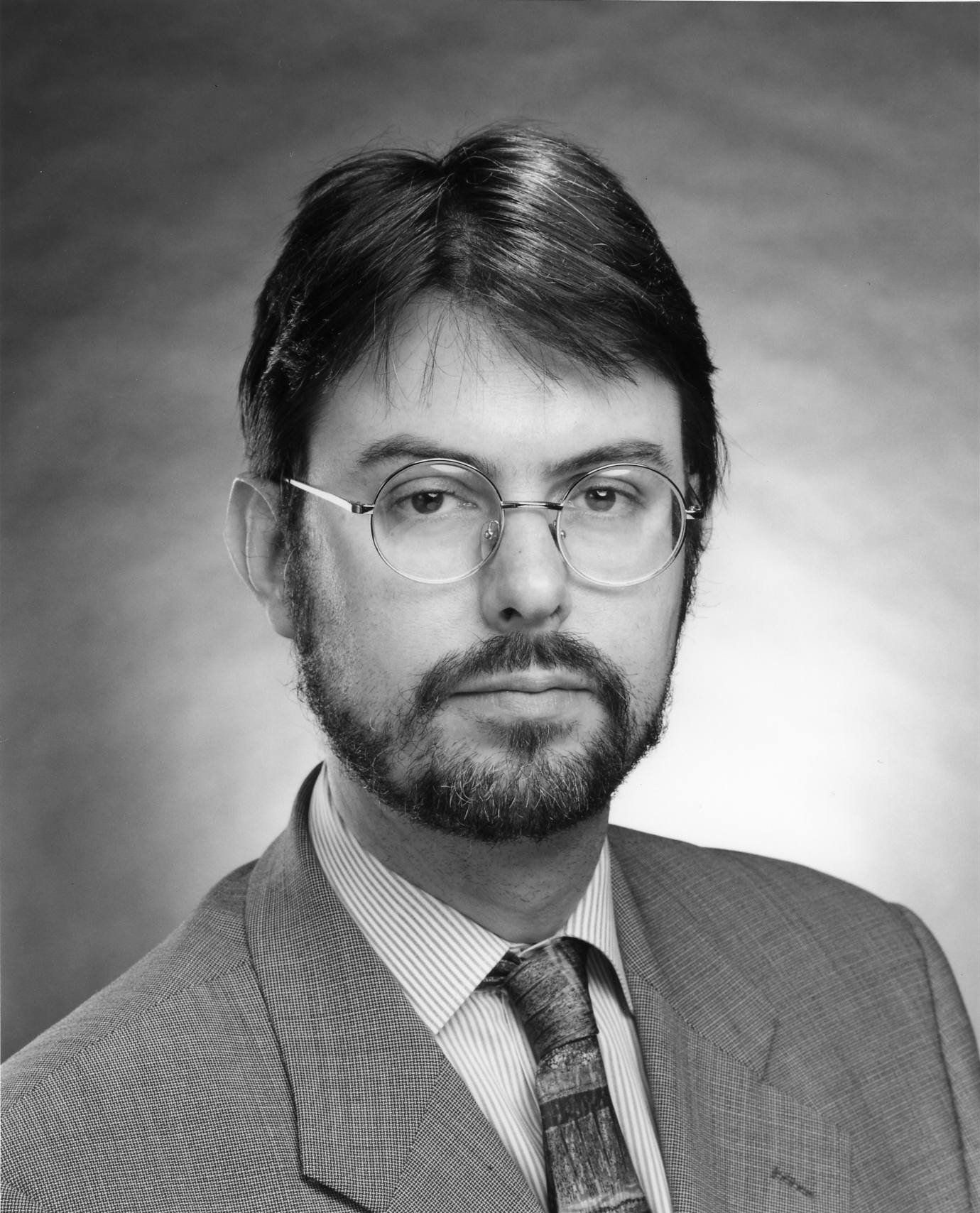
Thomas Carothers
Harvey V. Fineberg Chair for Democracy Studies; Director, Democracy, Conflict, and Governance Program

Thomas Carothers, director of the Carnegie Endowment for International Peace’s Democracy, Conflict, and Governance Program, is a leading expert on comparative democratization and international support for democracy.
Martha Brill Olcott
Former Senior Associate, Russia and Eurasia Program and, Co-director, al-Farabi Carnegie Program on Central Asia
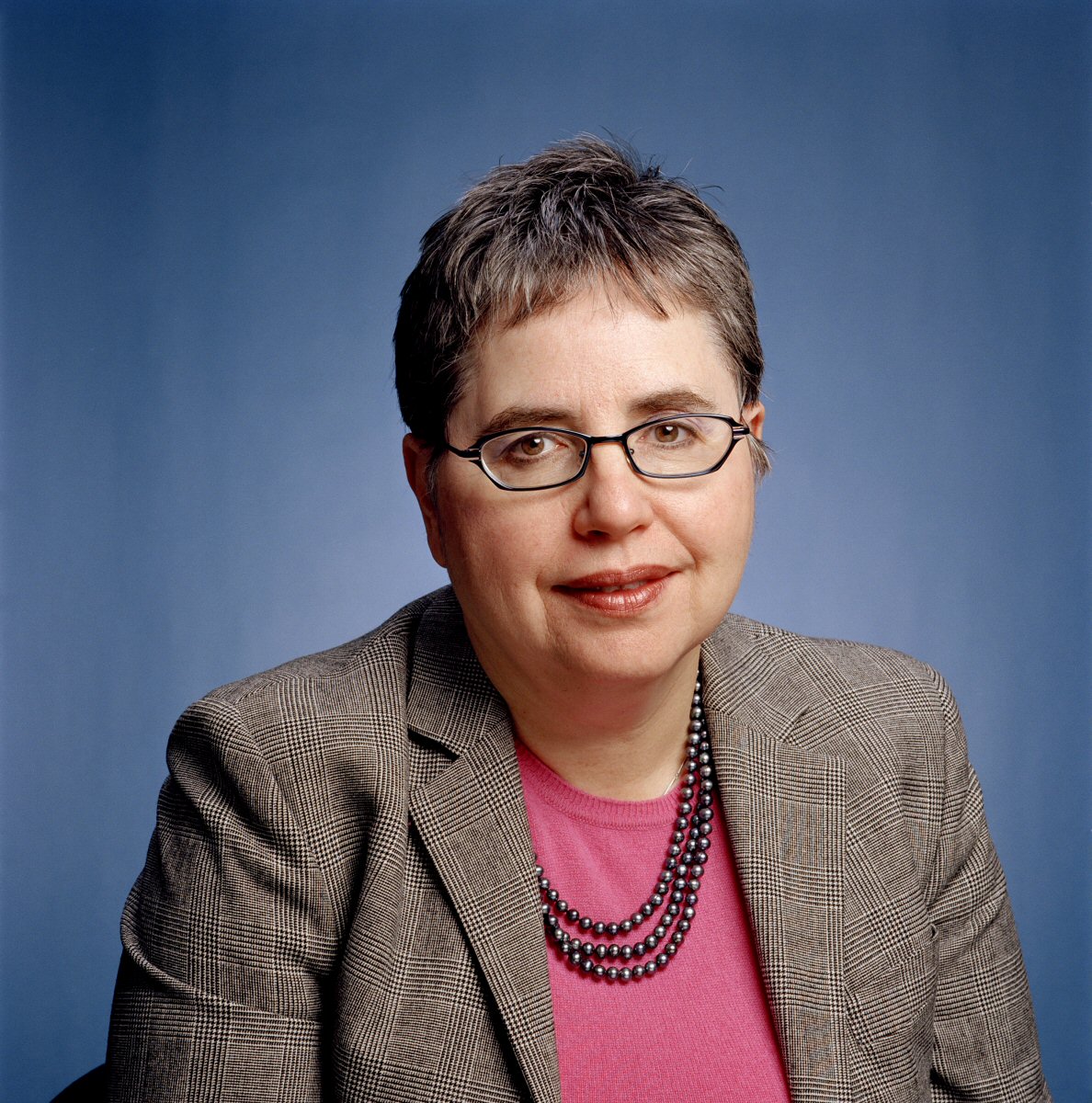
Olcott is professor emerita at Colgate University, having taught political science there from 1974 to 2002. Prior to her work at the endowment, Olcott served as a special consultant to former secretary of state Lawrence Eagleburger.
Marina Ottaway
Former Senior Associate, Middle East Program
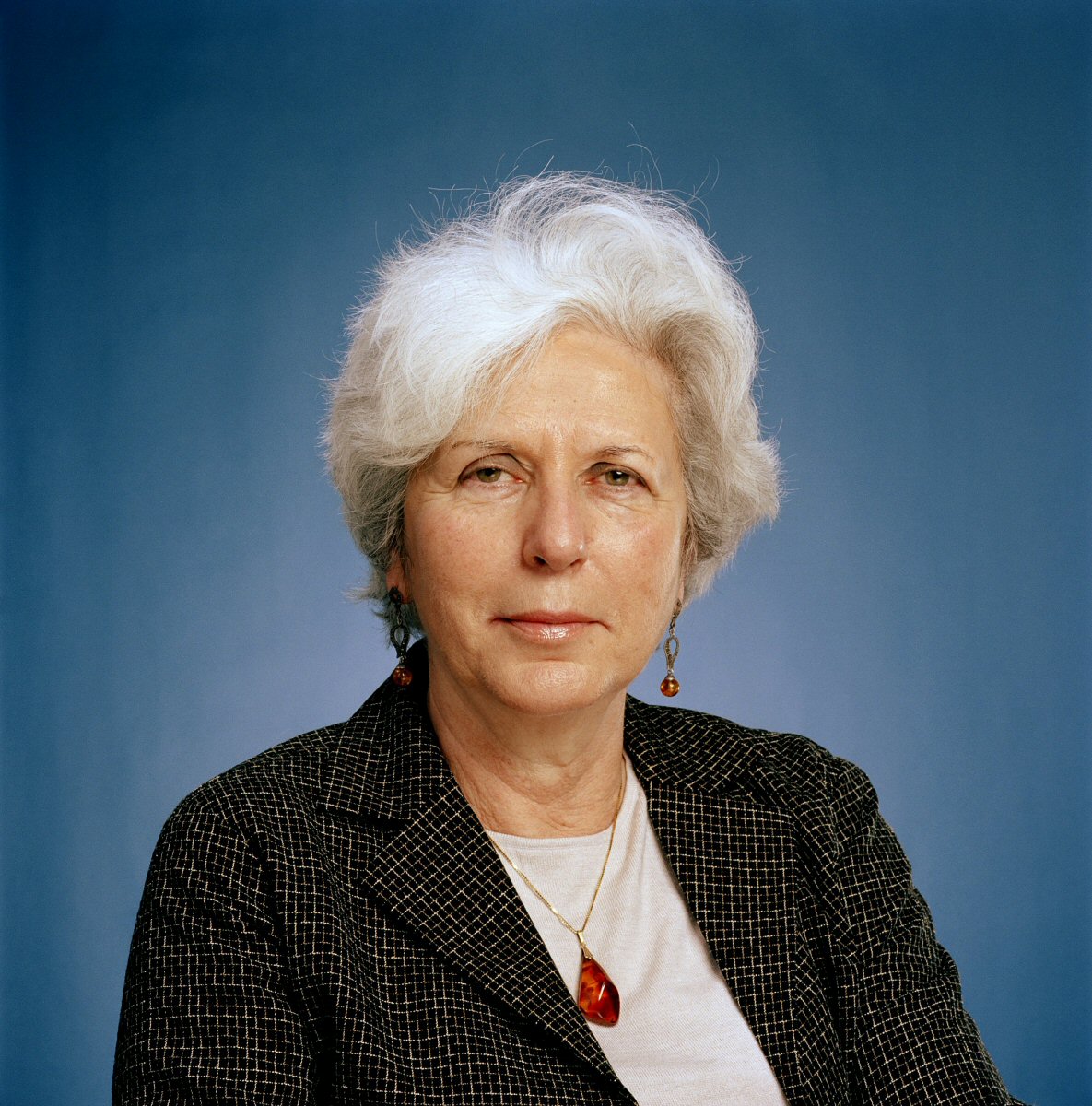
Before joining the Endowment, Ottaway carried out research in Africa and in the Middle East for many years and taught at the University of Addis Ababa, the University of Zambia, the American University in Cairo, and the University of the Witwatersrand in South Africa.
Anatol Lieven
Former Senior Associate