• Research
  • Emissary
  • About
  • Experts
Carnegie Global logoCarnegie lettermark logo
Democracy
  • Donate
Podcast Episode

A Blueprint for India’s State Capacity Revolution

Economist Karthik Muralidharan joins Milan Vaishnav to discuss his latest book, Accelerating India's Development: A State-Led Roadmap for Effective Governance, a deep dive into the challenges of governance & delivering public services.

Link Copied
By Milan Vaishnav and Karthik Muralidharan
Published on May 21, 2024

Subscribe on

Apple PodcastsOvercastSpotifyYoutube

Over the last five years, Milan has interviewed authors of big books, that have brought innovative new ideas to the India policy debate.  And he’s also interviewed authors of lengthy books. On the show this week, he sits down with an author who’s written a big book in every sense of the term.

It is no stretch to say that Accelerating India’s Development: A State-Led Roadmap for Effective Governance is one of the most important books written about the political economy of India’s development. Over 600 pages and 200 pages of notes, it takes readers on an exhaustive deep dive of India’s governance challenges, especially in delivering essential public services. The book draws on a wealth of research and practical insights to offer actionable, evidence-based strategies for reforms.

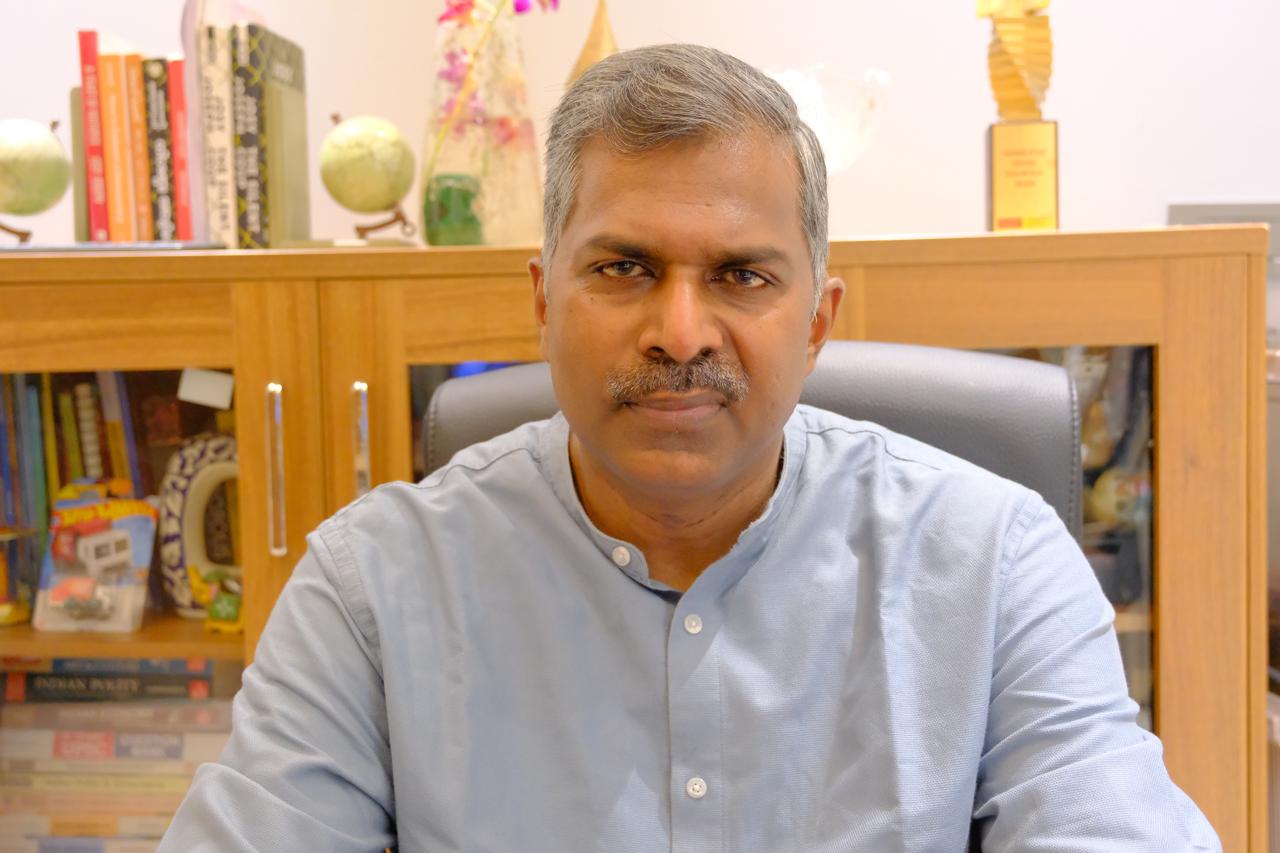
The author of this new book is the economist Karthik Muralidharan. Karthik is the Tata Chancellor’s Professor of Economics at the University of California San Diego.

He is one of the most prolific economists of his generation and his works spans public finance and development economics, with a focus on education, health, welfare, and public service delivery.

Milan and Karthik discuss the book’s origin story, Karthik’s framework for thinking about state capacity, and how to change the incentives of politicians and bureaucrats. Plus, the two discuss some of the book’s big ideas, ranging from data collection to public sector contracting and cash transfers.

Episode notes:

1. Karthik Muralidharan, Niehaus, Paul, and Sandip Sukhtankar, "General Equilibrium Effects of (Improving) Public Employment Programs: Experimental Evidence from India," Econometrica 91, no. 4 (2023): 1261-1295.

2. Karthik Muralidharan, Paul Niehaus, and Sandip Sukhtankar, "Integrating Biometric Authentication in India’s Welfare Programs: Lessons from a Decade of Reforms," Center for Effective Global Action Working Papers, University of California, 2022.

3. Karthik Muralidharan, Paul Niehaus, Sandip Sukhtankar, and Jeffrey Weaver, "Improving Last-Mile Service Delivery Using Phone-Based Monitoring," American Economic Journal: Applied Economics 13, no. 2 (2021): 52-82.

4. Karthik Muralidharan, Paul Niehaus, and Sandip Sukhtankar, "Building State Capacity: Evidence from Biometric Smartcards in India," American Economic Review 106, no. 10 (2016): 2895-2929.

5. Karthik Muralidharan, “A New Approach to Public Sector Hiring in India for Improved Service Delivery,” India Policy Forum 12, no. 1 (2016): 187-236.

Hosted by

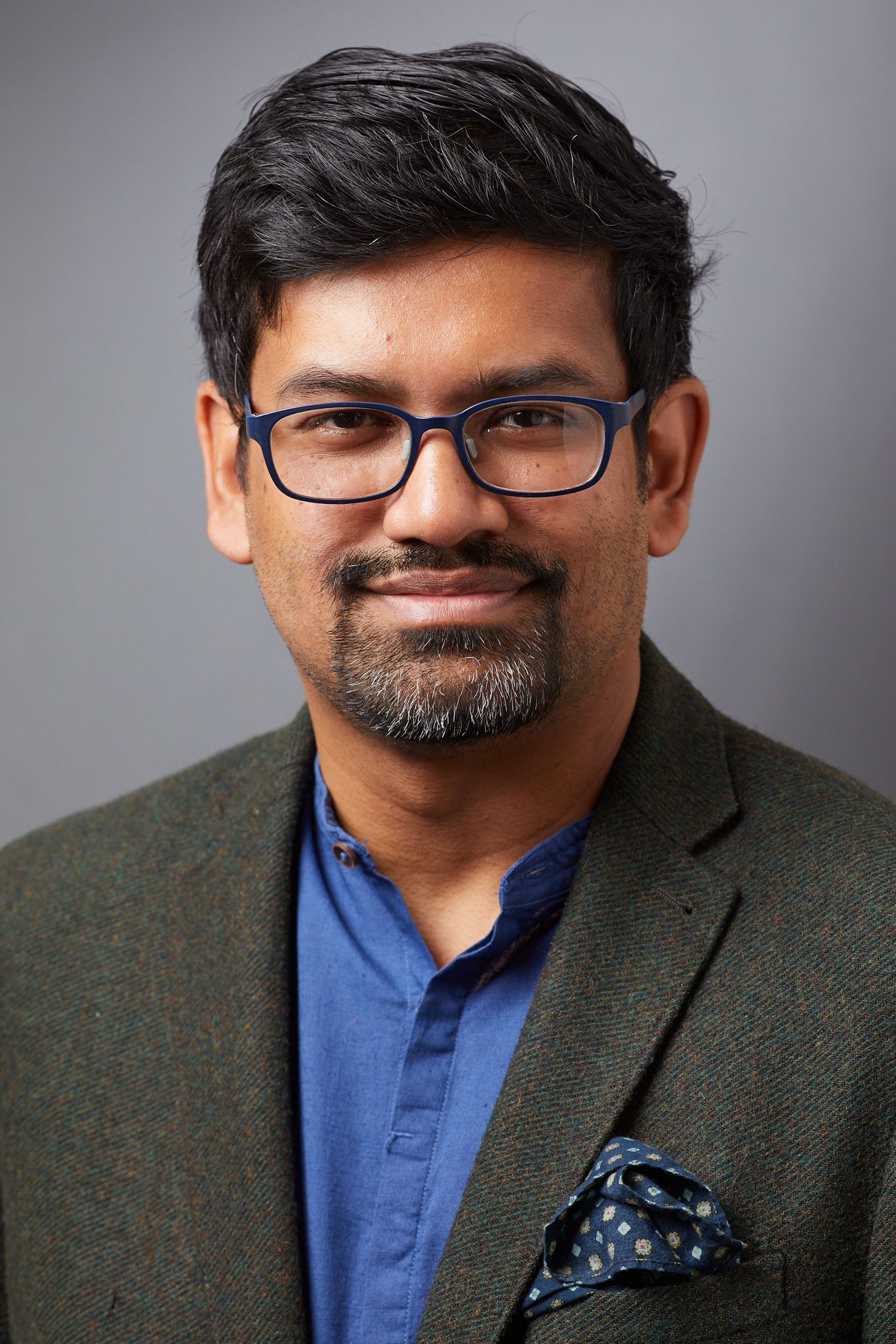
Milan Vaishnav
Director and Senior Fellow, South Asia Program
Milan Vaishnav

Featuring

Karthik Muralidharan
Tata Chancellor’s Professor of Economics at the University of California San Diego

Carnegie does not take institutional positions on public policy issues; the views represented herein are those of the author(s) and do not necessarily reflect the views of Carnegie, its staff, or its trustees.

More Work from Grand Tamasha

  • Podcast Episode
    India’s Return to the Trade Game

    After years of trade skepticism, India appears to be back in the deal-making business—signing new agreements, reviving stalled talks, and announcing ambitious frameworks with key bilateral partners. To help make sense of what’s changed—and what hasn’t—Milan is joined by Mark Linscott, a nonresident senior fellow on India at the Atlantic Council who previously served as the assistant US trade representative for South and Central Asian Affairs from 2016 to 2018.

      • Mark Linscott

      Milan Vaishnav, Mark Linscott

  • Podcast Episode
    How India Lost the Neighborhood

    Over the past few years, South Asia has witnessed a striking wave of mass protests toppling governments and upending long-standing political arrangements in countries ranging from Bangladesh to Nepal and Sri Lanka. University of Pennsylvania Fellow Muhib Rahman joins Milan to discuss India’s illiberal hegemony in its neighborhood, the downturn in Bangladesh-India ties, and the enabling role of the United States.

      Milan Vaishnav, Muhib Rahman

  • Podcast Episode
    Can the U.S. Salvage Its Relationship with India?

    U.S.-India relations were once described as one of Washington’s MOST important strategic bets in the twenty-first century. But over the past year, that partnership has come under serious strain—buffeted by trade disputes, sharp rhetoric, and deep disagreements over Pakistan and Kashmir. Lisa Curtis joins Milan for a conversation on India’s relationship with the U.S.

      Milan Vaishnav, Lisa Curtis

  • Podcast Episode
    The State of Indian Politics in 2026

    Milan and Sunetra discuss the prevailing political winds in Delhi, the BJP’s surprising new president, and the long shadow of the 2025 Bihar assembly elections. Plus, the two discuss the upcoming state elections, the inner turmoil within the Congress Party, and the ECI’s controversial “special intensive review.”

      • Sunetra Choudhury

      Milan Vaishnav, Sunetra Choudhury

  • Podcast Episode
    Grand Tamasha’s Best Books of 2025

    To mark the end of 2025 and Grand Tamasha's 14th season, Milan reflects on some of hist most impactful conversations with authors and researchers this year, and their books.

      Milan Vaishnav

Get more news and analysis from
Carnegie Endowment for International Peace
Carnegie global logo, stacked
1779 Massachusetts Avenue NWWashington, DC, 20036-2103Phone: 202 483 7600Fax: 202 483 1840
  • Research
  • Emissary
  • About
  • Experts
  • Donate
  • Programs
  • Events
  • Blogs
  • Podcasts
  • Contact
  • Annual Reports
  • Careers
  • Privacy
  • For Media
  • Government Resources
Get more news and analysis from
Carnegie Endowment for International Peace
© 2026 Carnegie Endowment for International Peace. All rights reserved.