

Podcast Episode
Milan Vaishnav and Tanul Thakur discuss Tanul's new book "Wild Wild East: Exiled Americans, Enslaved Indians and the Systemic Abuse of the H-1B Visa Programme."
Milan Vaishnav, Tanul Thakur
U.S.-India relations were once described as one of Washington’s MOST important strategic bets in the twenty-first century. But over the past year, that partnership has come under serious strain—buffeted by trade disputes, sharp rhetoric, and deep disagreements over Pakistan and Kashmir. Lisa Curtis joins Milan for a conversation on India’s relationship with the U.S.
U.S.-India relations were once described as one of Washington’s MOST important strategic bets in the twenty-first century. But over the past year, that partnership has come under serious strain—buffeted by trade disputes, sharp rhetoric, and deep disagreements over Pakistan and Kashmir.
In the current print edition of Foreign Affairs, Lisa Curtis and Richard Fontaine argue that this rupture is not just another rough patch, but rather a potentially consequential turning point. The essay, “America Must Salvage Its Relationship with India—or Risk Losing a Global Swing State,” makes the case that how Washington manages its ties with New Delhi in this moment will have lasting implications for the Indo-Pacific balance of power, U.S. credibility in Asia, and competition with China.
To talk more about this new piece, Lisa joins Milan on the show this week. Lisa is Director of the Indo-Pacific Security Program at the Center for a New American Security. She is a foreign policy and national security expert with over 20 years of service in the U.S. government—including at the National Security Council, CIA, State Department, and Capitol Hill. Most recently, Lisa served as Senior Director for South and Central Asia at the National Security Council from 2017 to 2021.
Milan and Lisa discuss the “fit of presidential pride and pique” that has derailed bilateral ties, President Trump’s repeated desire to mediate between India and Pakistan, and the sudden revival in U.S.-Pakistan ties. Plus, the two discuss America’s strategic competition with Beijing, what it will take for Washington to remedy its trust deficit with New Delhi, and the long-term consequences of a sustained rupture between the United States and India.
Episode notes:
Note: this is an AI-generated transcript and may contain errors
Announcer: Hi Grand Tamasha listeners. This is Tim Martin, the longtime audio engineer for Grand Tamasha. Just a heads-up on today’s show: Milan’s conversation with this week’s guest, Lisa Curtis, was recorded just days before the United States and India announced a trade deal that would significantly reduce US tariffs on Indian exports. This trade deal, while important, leaves a lot of questions unanswered about the bilateral relationship. We think this conversation with Lisa sheds much-needed light on the evolution in U.S.-India ties. We hope you enjoy the show.
Speaker 1: Unabashedly, the most unpredictable becomes the headline, the most volatile, outrageous behavior, unsubstantiated narratives, a battle of personalities. Welcome to Granthamasha, a co-production of the Carnegie Endowment for International Peace in the Hindustan Times. I'm your host, Sunil Ambasanath. US-India relations were once described as one of Washington's most important strategic bets in the 21st century. But over the past year, that partnership has come under serious strain, buffeted by trade disputes, sharp rhetoric, and deep disagreements over Pakistan and Kashmir. In the current print edition of Foreign Affairs, Lisa Curtis and Richard Fontaine argue that this rupture is not just another rough patch, but rather a potentially consequential turning point. The essay America Must Salvage Its Relationship With India or Risk Losing a Global Swing State makes the case that how Washington manages its ties with New Delhi in this moment will have lasting implications for the Indo-Pacific balance of power, U.S. Credibility in Asia, and competition with China. To talk more about this new piece, I am pleased to welcome Lisa Curtis to the show. Lisa is Director of the Indo Pacific Security Program at CNAS, the Center for New American Security. She's a foreign policy and national security veteran with over 20 years of service in the U. S. Government, including stints at the NSC, CIA, State Department, and Capitol Hill. Most recently, she served as senior director for South and Central Asia at the National Security Council from 2017 to 2021. I am pleased to welcome her to the show for the very first time. Lisa, so nice to see you. Thanks for coming on.
Speaker 2: Well, it's great to see you, Millen. Thanks for having me.
Speaker 1: I want to jump right into this, I think, very important and timely foreign affairs essay that you and Richard have written and will link to the full text in our show notes. You start the piece by noting that, you know, if you were to kind of land up for Mars on January 20th, 2025, which is of course the day that President Trump was inaugurated for the second time, the ties between the U.S. And India were stronger than almost Anyone. In the 20th century could ever have predicted. And you are someone who has been working on this relationship inside of government, outside of government. Just take us back to that time almost exactly a year ago. Tell us what was the situation between the US and India when Trump 2.0 began?
Speaker 2: Indians were exuberant when Trump was elected, uh, in November, 2024. Uh, they based their assessment of Trump on how he had handled U S and D relations during the first Trump administration. And during that time, we really saw an elevation of the relationship. Of course, the relationship had been, uh building over the last 25 years, both Democratic Republican presidents. Had invested in the relationship. Um, everyone seemed to understand how important India was when it comes to dealing with the rising China and stability and security in the broader Indo-Pacific, uh, region. And what we saw during the first Trump administration was, uh you know, a very successful visit by president Trump to India. We saw the US supporting India in its time of crisis with China during the 2020 border crisis And we saw defense deals we saw the u.s. Lifting You know export controls to enhance Technology cooperation between the two countries. So really the the relationship was very solid during the first Trump administration and part of that was the personal chemistry between President Trump and Prime Mr. Modi. There was a mutual respect between the two. They held these large events. You had the Haudenosaunee event in late 2019, where 50,000 Indian Americans gathered at the Houston Astrodome. Both leaders addressed the crowd. And then a couple months later, Trump is in Ahmedabad, India. In front of a hundred thousand Indians, again, both leaders addressing the crowd. So when Trump was reelected, most Indians assumed they would pick up where they left off and the relationship would, would go very well. And in fact, the first couple of months, things did go well. You had the external affairs minister, Jai Shankar, attending Trump's inauguration on January 20th, 2025. You had Secretary of State Rubio holding a quad meeting literally on his first day on the job. Modi visited the White House in February, one of the first leaders to visit the White House. They signed a wonderful joint statement. So everything was going very well until the India in conflict in May. And that's when things started to turn south.
Speaker 1: So let me, let me just interrupt you there because I mean, obviously, you know, this was a, with the benefit of hindsight, a critical juncture and in your essay with Richard, you mentioned that the problems in Trump 2.0 began with quote unquote, a fit of presidential pride and peak in the wake of operation Sindor, this brief, but very hot conflict between India and Pakistan. I guess I want to ask you, you now having thought about this for many, many months. How much of the current crisis that we're in stems from President Trump's own personal kind of eccentricities or idiosyncrasies versus deeper kind of maybe underlying structural tensions that, that maybe people weren't aware of or weren't paying attention to.
Speaker 2: Well, I do think that the crisis in the India-U.S. Relationship is mostly about President Trump and who he has become in the second term of office. He's very emboldened. You know, he doesn't look at situations from the other countries' point of view. He very much expects other countries to follow, you know, his... Uh, you know, what he wants to do and how he wants to do it. So it's, it's he's a different, uh, Trump than he was in the first, uh administration. And I think he, in the first Trump administration, he did have advisors who had experience, expertise, uh were providing him advice. So there was the ability to shape, uh the strategies that, uh he was following when it came to foreign policy this time around, I think. We don't have the same kind of expertise experience surrounding him. We have a lot of yes men, you know, people who are, um, you know, shaping their advice more toward what they think Trump wants. And I think there's just a lack of strategy or willingness to look at countries, um you know for, you know, what is important to them and what their interests are. And it's all about the United States and what the United State wants. And frankly, with a country like India, a very proud country, you know, with an emerging economy, you know India recently became the fourth largest economy, said to become the third largest economy in a few years, you know rising global power, that's just not working. And so I do think that a lot of this crisis Which started, as you rightly noted, with the divergence in how President Trump portrayed his role in getting a ceasefire between India and Pakistan in May, and India directly contradicting his version of events. Of course, he says that he used trade to coerce both sides into a cease fire. India directly denies that. And that sort of kicked off the tensions. In the relationship and they kind of snowballed from there for various reasons, some of which involved India's protectionist trade policies.
Speaker 1: So Lisa, I want to, I mean, I don't, you know, it's, it, it kind of, you can't, you only can go so far trying to kind of psycho analyze the president, but I want to ask you a little bit about the differences between Trump 1.0 and 2.0 because you were there or you were the top South Asia official at the national security council for almost the entirety of the first Trump term. And, you now, as you pointed out earlier in your opening remarks, despite all of the volatility of that first administration. U.S.-India relations were relatively untouched. In fact, I think, you know, many people would argue that, incredibly argue that ties grew even stronger and deeper during those four years. Do you think that the differences in the second term are just about kind of personnel and the people and the advisors that are around the president? Or do you think that, you now, having served once, the president internalized some lessons about how he wanted to govern the second time? That he's now putting into practice. I mean, how do you tease out the different elements of what might be going on? Are there factors beyond just the personnel that you think are at play?
Speaker 2: Well, you know, as I said earlier, I think Trump feels particularly emboldened during this administration, and he has a lot of ideas about what he wants to do and actions he wants to take. And there's a bit of him knowing he only has one term, so he wants to go big. He wants to, you know, push the envelope in so many different ways. And I think, you know, some of the sort of more positive side of that inclination is his interest in trying to make peace between different countries. I really think that is a positive instinct that he has. The only problem is when it comes to India and Pakistan, it really pays to understand the history of the dispute and understand the sensitivities. The fact that India has never accepted third party mediation, that doesn't seem to have factored in Trump's approach to the situation. But I think also getting back to the personnel that are around him, you have people like Peter Navarro who actually served jail time to avoid having to testify against Trump. So there's a lot of loyalty there. And he, of course, is one of the biggest. Critics of India's protectionist trade policies. And he did have an impact, I think, on President Trump, especially last summer when Trump was making a lot of negative comments about India's economy. You have people like Stephen Miller and Russ Vogt, who were in the first Trump administration and then had four years to study how they could implement their, you know, rather extreme policies. They knew what to do as soon as they took power on day one and they did it. So there's just, there's a boldness, there was a decisiveness to this second Trump administration. And unfortunately it's, it's playing out badly when it comes to the U S India, uh, relationship. Um, and I think, you know, this is what we're seeing, um, happen. We're seeing a lack of appreciation for, well, Modi's own political Realities? Uh, you know, look, right after Trump tweeted on May 10th about, you know, getting the ceasefire, um, Modi's base went crazy. They were, uh, very critical of Modi and questioning Modi and how he was handling the situation. That was his base, not to mention the opposition and, and how they were, taking advantage of the situation You know, there has to be an appreciation for the other side's context and what you're dealing with. And unfortunately, the Trump administration seems incapable of, you know, taking that on board, really looking at what another leader is dealing with and how they can, you know come to a mutual agreement. And we see that on the trade issue in particular. We were all hoping that a trade deal would be made by now. Uh, you know, we were hoping that now that ambassador Sergio Gore is in place, that can happen, but so far, I think that, uh, Prime Minister Modi is, you know, holding back on giving US farmers access to the Indian market, at least to the degree that Trump wants. And I'm not sure how you break through that particular obstacle, because, you know, this is about Modi's political standing within India, so it's going to be very difficult, I think, for him to move any further than. Uh, what I believe has already been done. You know, we keep hearing that India has put on the table a pretty good deal. And we're also hearing that, uh, Jameson Greer, the USTR and even Secretary State Rubio agreed that it was a good deal, but it hasn't been good enough for president Trump, unfortunately.
Speaker 1: I want to just ask you about this kind of mediation piece, right? You mentioned in the essay that Trump has publicly mentioned his role in negotiating a ceasefire between India and Pakistan no fewer than 60 times since May 2025, which is kind of an astonishing statistic. As you pointed out, India has had a long history of rejecting third party mediation of what it sees as fundamentally a bilateral dispute. Pakistan, of course, has played the kind of the opposite way, you know, lavishing Trump with praise, nominating for the Nobel Prize and so on. Now, I actually have a lot of sympathy for what our friends in the Indian government must be dealing with, which is a kind of unprecedented kind of presidency where it's just very hard to figure out what the right move is at any point in time. But again, with the benefit of hindsight, was there a way for India to have somehow managed Trump's ego better such that it would have given the White House something while not alienating Modi's domestic political constituency?
Speaker 2: Well, I know a lot of people are suggesting this, but from my point of view, I'm not sure there was much that the Indian government could have done. And, you know, I say that again, if you go back to May 10th, that initial truth social post that Trump put out that morning, and then he put out a second one a couple hours later, which is the one that... You know, talked about mediating on Kashmir and we haven't even discussed the state department statement which claimed that India had agreed to sit down with Pakistan in a neutral country and discuss all issues. All of that happened, you know very quickly and immediately Modi's back was kind of up against the wall with all the political pressure coming from New So... It just seems that he got backed into a corner very quickly, and it was a corner that was very difficult to get out of. And you know, Trump actually made things worse as time went on. Because if you look at June, you know advance a few weeks, what happens? Well, President Trump has the Field Marshal Chief of Army Staff of Pakistan, Asim Manir. Into the Oval Office. Now, first of all, that's the first time that an army, the top army official is meeting with the president. There's problems in terms of how this looks in terms of democracy because Pakistan does have a prime minister. So that's one issue. But the second is You know, their Pakistani terrorists had just committed. A very serious act of terrorism inside India a few weeks beforehand. And of course in India, they believe that the military backs these terrorists. So it was kind of a slap in the face to Prime Minister Modi. So that made it even harder for I think the Indian government to sort of, you know, come Trump's way or give him some credit for diffusing the a Pakistan conflict. I really just don't think there was much. That India could have done. And then I think, you know, thirdly, when Trump called Modi in June, when Aasim Manir was still in Washington DC and invited Modi to come to the White House, I think there was a lot of suspicion that he was gonna try to orchestrate a face-to-face meeting between Pakistan's military chief and the Indian prime minister. Which would have been a disaster that would have been disastrous for Prime Minister Modi. So I think all of these things have made India very distrustful of President Trump. And this is the whole reason why Prime Minister Modi has been reluctant to call Trump before the conclusion of the trade deal. I think he feels like he might get trapped into something and then you can't trust what President Trump is going to say. Uh, about the meeting or after the meeting. So I think they're, they're in a, a standstill right now, uh, where India is very suspicious and based on good reason that they won't be able to trust, uh President Trump and what he says, uh following their phone call. Um, or even during the phone call, so I think this is, this is the major problem, uh that the two sides are facing and why we've seen this standoff between the two.
Speaker 1: Hey Granthamasha listeners, thanks for listening to the podcast. Putting this show together each week is a labor of love, but it takes a lot of work to put out a great show every week. If you'd like to support the work we do at Granthimasha, please visit ceip.org slash donate. Don't forget to subscribe to us on Apple Podcasts, Google Podcasts or Spotify, or on your favorite podcasting platform so you'll be the first to know when a new episode rolls out. You know, you have been following US-Pakistan relations as long as you've been following U.S.-India relations. Last fall, I had Uzair Yunus on the show who was talking about some of the geopolitical shifts which he believes have led to a resurgence or revival of U. S.-Pakistani ties. I'm wondering, Lisa, how do you understand the sudden resurgence in this relationship? And has it caught you off guard?
Speaker 2: Not really. I don't think it's caught me off guard. I think US-Pakistan ties were definitely due for a refresh. They had really plummeted during the previous Biden administration. There was hardly any interaction or visits to Pakistan at all. So there was definitely room for improving those ties. However, I don t think anybody imagined that this improvement in US- Pakistan ties would come at the expense. Of US-India ties, which seems to be happening. I think that, you know, it started with this major crypto deal that the Trump son's business has done with the Pakistan government. That I think was part of the improvement of the relationship. And then that only solidified. After the India-Pakistan conflict and that aftermath, Trump was very appreciative of Pakistan crediting him, nominating him for the Nobel Peace Prize, so that helped solidify things. And then there were deals on the table, on critical minerals, Pakistan really made an effort. It saw an opportunity when President Trump took over and saw an opportunity. To try to improve relations. And so the Pakistanis deserve some credit for figuring out how they could sort of turn over a new leaf with the United States. And Pakistan wants deeper relations with the United States and that's a good thing. I don't think the United State wants Pakistan. To go whole hog on China and to rely solely on China for all of its economic, military and diplomatic needs. So I think it's a good thing that the US is improving relations with Pakistan. But the point is it should not come at the expense of the US-India relationship and it should involve the US trying to get involved in the Kashmir dispute, the long standing Kashmir disputes. Which, you know, they fought several wars, military crises over. Um, it's just, it is hubris for president Trump to think that he can somehow, you know, resolve that longstanding dispute. And it's, it' a mistake because he's, you know, only alienating India. And then frankly, uh, that whole idea of the U S coming in, waving its magic wand and. Changing the status quo in Kashmir is exactly what Pakistan has been trying to do. You know, they, they are the power that is trying to disrupt the status quo and if they can bring in a third party to help do that, you know, that that's great for them, but it's, it's terrible for, uh, the U S India relationship. So I think the U.S. Fine, you don't improve those relationships. Improve counter-terrorism cooperation with Pakistan. All of that is great, but don't take that next step of trying to get involved in mediating between India and Pakistan. Keep it focused on economic ties, counter-terrorism ties, critical minerals. There are some deals that are starting to happen on the critical minerals issue. That all makes sense. But don't don't threaten the India relationship in the process because India frankly is the larger economic power the power that We want to be able to defend itself against China And that will help us when it comes to You know the Indian Ocean region. He has got a huge Navy. So in the India is the preferred country uh, when it comes to the U S partnering with nations, uh, to maintain a free and open. Um, and so the U S needs to keep that balance in mind, you know, India is the more important relationship, but we should still have, uh, a positive cordial relationship with Pakistan at the same time.
Speaker 1: Let me just ask you kind of one follow-up on this. You know, in the piece you warn against, as you just did, warning Washington against kind of re-hyphenating India and Pakistan and kind of meddling further on the Kashmir issue, how worried are you that by granting the new US ambassador to India, Sergio Gore, the additional title of Special Envoy for South and Central Asia that the White House might be walking into this particular trap?
Speaker 2: I think it's a terrible idea. I think the whole arrangement is a recipe for disaster. Being the US ambassador to India is a full-time job. There is so much that goes into maintaining and strengthening such a critical strategic partnership. So that's one issue. The second is, if he's also going to be traveling to Pakistan. Uh, this is going to be problematic. This is going open the door for Pakistan to, you know, try to bring tension in the U S India relationship. Um, and it's, it's going to distracting, I think for Sergio Gore. So I don't think it makes much sense. Um, And even to think about the idea of a, an envoy handling an entire. Region where you have two countries that are strategic adversaries trying to run that policy from the capital of one of the countries, it just doesn't make sense. So I think that we are going to see problems stemming from this dual-hatted role that Sergio Gore has. Now, it's interesting, I was in India recently and they're trying to make the best of it. Know, from their vantage point, they're saying, Well, you know, he is very close to Trump, which is good. He can you know he has Trump's ear, Trump will pick up the phone if he calls. And this is very important for any ambassador. So that's a good thing. And they also say, Look, it could be worse if you had the US ambassador to Pakistan, who was the envoy for the entire region. So I think they're they're trying to make the best of it. And, uh... You know, dealing with it. But I think it does, you know set the situation up for many pitfalls. But, I think, you know, Sergio Gore is I think the main reason he has that envoy title is to sort of, you know, focus on the business deals that are happening. You know, in Central Asia, there's a lot happening in Central Asia. He does have that background. He was born in Tashkent in Uzbekistan. So I think, you know that is the reason I don't think he was designated as the special envoy to try to resolve the India Pakistan dispute. I think it's more about, you now making business deals and being able to, you know, close. Uh, deals, whatever they may be, bring them across the finish line because of his closeness to Trump. Um, but he, he's got his work cut out for him. If he's going to be traveling around the region, handling the entire region at the same time that he's managing this extremely important strategic partnership, um, I don't envy him.
Speaker 1: Let me just kind of switch a little bit to the whole question of, of China. You know, one of the things that you kind of alluded to in your previous answer is that, you know, the white house really needs to more clearly understand the roles that New Delhi and Islamabad play in the Indo-Pacific, particularly in the larger context of kind of strategic competition with Beijing. And I guess, you have one thing I wanted to push you on a little bit is Do you think that it's a lack of understanding in the White House? Or do you think there's just a lack of shared consensus on China and the nature of the China challenge that has kind of ended up shaping this administration's rather muddled views on the region?
Speaker 2: Well, I think the problem lies in how President Trump likes to personalize his dealings with these foreign leaders. And, you know, there, there's often a lack of a plan or a strategy. Now, sometimes this works out for it. You know, he, he has a very charismatic, forceful personality. And sometimes he's able to, to make some good agreements with these leaders one-on-one. But it's also risky. And, you know, we know there's going to be a summit in April between President Trump and President Xi in Beijing, and then possibly another one later this year with President Xi coming to Washington. And I think Trump does want to keep the relationship stable. He wants to, you, know, have a good trade deal with Beijing. And these are not entirely bad things. Uh, he wants to sort of keep the peace. Um, but I think, you know, what I would like to see is a better plan for how he's dealing with allies and partners when it comes to China. Um, for example, uh, India was not even mentioned in the recently released national defense strategy. This came out just last week. No mention of India. There was a lot of focus on they call the first island chain, you know, the area from Japan, Taiwan, Philippines, but really nothing about India, the Indian Ocean. So it seems that the Trump team is narrowing its interests when it comes to Asia. And, you they expect other countries to step up to the table, show what they can do to contribute to a free and open Indo-Pacific. But there is no more a sense of needing to sort of bring India into the fold or needing to court India in terms of expanding its role in Asia. So it's quite a different approach to the region. And so, you know, I'm not sure that it's so much a lack of consensus in that it is actually changing. The policy toward China is shifting under president Trump. And if you read the national defense strategy carefully, I think that that comes through. Um, and, uh, again, I, I it's something that, you know, India will adjust to. Uh, but it, it's certainly, you, know, we're, we are in a different world now than we were in either in Trump one or under Biden and the Trump is going to be. Seeking a more stable relationship with China. He's going to focus on trade, the US-China trade relationship. When it comes to India, I think the attitude will be, well, India, what can you do for helping to bring a more secure Indo-Pacific region? So the ball will be more in India's.
Speaker 1: Let me just ask you a little bit about this question of kind of what Washington can do. I mean, you talk a lot in the piece about that, you know, there is this kind of gaping trust deficit, which has opened up before we started recording, we were discussing about the kind of mood and deli that we picked up when each of us were there. In the piece, you and Richard write that fixing the relationship is going to require Washington to quote unquote go big. What in your mind would count? That's kind of sufficiently big move from the west side.
Speaker 2: Well, I think the first thing that the U.S. Could do, if it really does want to repair the relationship, and perhaps the recently concluded India-EU trade deal will help in this regard, because it shows that India has trade options, is the U S could conclude a trade deal with India. It's there. It's on the table. It's been there for a long time. I don't know exactly what's in it, but it seems that it is something that would be a good deal for both countries. So I think, yeah, that's the first thing is just to move forward in concluding this trade deal. We had a bit of a hint from Secretary Besant that the US might be moving in that direction, particularly because we have seen India's imports of Russian oil going down. So those are moving in the right direction. And that does give impetus to this idea that the US could finally conclude a trade deal with India. That would help a lot. Second thing is schedule a Trump visit to New Delhi, where the quad could be held at the same time. I think it's really unfortunate that we didn't have a quad summit in 2025, first year in four years, that you didn't have a Quad summit. The quads are extremely important to uh, you know, uh, shaping that, you know, free, fair, open Indo-Pacific region. And so much has been accomplished surrounding the quad over the last several years. In fact, the quad was revived under the first Trump administration. So you know this would be very important. A Trump visit to New Delhi, hold that quad meeting, that would send a huge signal to the region, to China, um, you about Trump's approach to allies and partners, it would, it would really have a a good impact, I think, on US foreign policy. And then the third thing is I think President Trump needs to drop this idea that, you know, he ended the India-Pakistan conflict and, you know, He wants to get involved in mediating the dispute between the two. He just needs to let that issue go. And I think it'll be difficult for him, but it's something that You know, he's never going to get satisfaction out of India's response on that. I just don't think that's possible. So I think, you know, the two countries are going to have to move on to other issues and leave that issue behind. So those are some of the things that I think the Trump administration could do proactively to get this important partnership back on track.
Speaker 1: Let me just ask you about the kind of flip side of that, Lisa, towards the end of your essay, you argue that look, if we're being honest, Washington is not solely to blame for the deteriorating relationship between the U S and India, that some of America's grievances are in fact legitimate. So if you were to kind of turn your attention to New Delhi for a moment, what policy changes would you like to see on its part that might. Kind of signal a genuine effort to try and get back onto the kind of same sheet of music as the Trump administration in Washington.
Speaker 2: Well, I think the first thing India can do is completely halt its imports of Russian oil. India barely imported any Russian oil before Russia's invasion of Ukraine. So they're clearly just taking advantage of discounted prices. So that would be something I think that India is within India's ability to do and also to lessen their military dependence on Russia. So, I think... Yeah, those are the steps that India could do. It could signal that it is turning more toward the United States, Japan, Australia, its other partnerships and away from Russia and also Europe. Europe is demanding the same thing from India. So this seems like something that India could do maybe not overnight. In terms of reducing its dependence on Russian military equipment, but can certainly continue to go in the direction of reducing that dependence. So I think that's what I would look for from India, to be really distancing itself from its relationship with Russia.
Speaker 1: I mean, you know, there have been some statements coming out of the administration the last couple of days, including from the Treasury Secretary Scott Besson, where he was asked about this in an interview saying, yes, it does look like India is taking in less Russian oil. That would suggest there is a path to undoing this 25% surcharge on top of the 25% tariffs. It's not clear, however. What the final step will be in triggering that decision, or if at the end of the day it really does solely rest within the kind of president's own discretion. You know, I think one of the challenges that the Modi government faces is, there are certain things that they're able to do on the Russia account, as you know better than most, that they can do quietly without making a big kind of public hullabaloo around. And this is one of those places that politically may be very difficult for Modi to come out and say, we are going to take Russian crew down from X percent to zero, even if behind the scenes, the government might be essentially maneuvering that same kind of shift.
Speaker 2: I think that's right. I think certainly they are reducing imports of Russian oil. The government can take steps to make that happen and also increase energy imports from the United States as well as other countries in the Middle East, etc. So I think, that is happening And, but you're right, what, what is that? Final trigger where the U.S. Will say, okay, we're satisfied, we are lifting the 25% additional tariffs. And I think we're getting closer to that trigger. And we'll see, you know, December indeed imports of Russian oil were way down. Maybe they're waiting to see what happened in January, waiting to if this is a trend that's going to stick. Because that would definitely be the next step.
Speaker 1: At least let me just bring this conversation to an end by just asking you a little bit about the stakes. You know, one of the things that you guys do in this piece is to say that, you know, if the US doesn't urgently salvage its relationship with India, it risks losing what is a very critical global swing state, as you put it. And I guess what I want to ask you just as a way of concluding is why what makes Is this moment more precarious? Then passed downturns in U.S.-India ties. We had, of course, the 98 nuclear tests, we had the infamous 2013 Kobragade incident with the Indian diplomat in the United States being arrested. Tell us a little bit about the stakes of this particular juncture.
Speaker 2: Well, I think the stakes are high. And, you know, as I mentioned, the U.S. Has put so much into developing this relationship over the last 25 years, increasing Indian trust in the United States, which of course, you now, there was very little of that during the Cold War years. So there have been tremendous efforts, time, resources put into building up that trust. And unfortunately, the way President Trump is mismanaging the relationship risks upending 25 years of investment in the relationship. And what does that mean for the future of US foreign policy and national security? I think it's, it's quite stark in that India is a major country, the decisions it takes, the direction it moves in is going to have a huge impact on the Indo-Pacific region. Other countries in Southeast Asia look to India, they're watching the direction that India goes. India is part of the BRICS, it's part of Shanghai Cooperation Organization. These are two organizations that Russia and China would love to see become stronger and upend US global power and influence. And India can play a role in determining what direction those organizations go in. Um, and it's economy is huge who India trades with, uh, that's going to matter. That's going impact the future of the region. And then, you know, lastly, I think it comes down to China. We want India to be able to defend itself against China. They fought a very serious border dispute, uh you know a conflict, border conflict in, uh 2020. We want India to be able to defend its own territory and have those military capabilities to stand up to China because other countries are watching. And if India seeks a more accommodationist role with China, so will the rest of the region. And that will undermine U.S. Global power and enhance China's ability to become that hegemon that it's seeking to become. So, it does really matter. What happens with India. And I think, unfortunately, in this White House, there are some who assume, you know, India needs the United States because of China, and therefore the U.S. Can do things that irritate India and there won't be much of a cost because India doesn't have a choice. Well, I think India does have a choose. India has long had to deal with China before you had the strong. U.S.-India relationship. So I don't think it's black and white. I think there are, you know, a lot of gray areas there, but we want to have India defending itself against China, working with the United States to, you know, make sure that China cannot become that Asian hegemon that it seeks to be. And by alienating India, we're basically, you know, threatening. Those plans and strategies that we have long been pursuing for good reasons.
Speaker 1: My guest on the show this week is Lisa Curtis. She's the director of the Indo-Pacific Security Program at the Center for New American Security, together with Richard Fontaine. She's co-author of an important new foreign affairs essay, America Must Salvage Its Relationship with India, or Risk Losing a Global Swing State. Lisa, it's been a week in Washington of snow and rain and ice and sleet. Thank you so much, despite all of the elements, for joining us today.
Speaker 2: Well, thank you for having me. It's been a wonderful discussion. Thank you.
Speaker 1: Grant the Masha is a co-production of the Carnegie Endowment for International Peace and the Hindustan Times. This podcast is an HD SmartCast original and is available on HDSmartCast.com. You can also find us on Apple Podcasts, Spotify, or wherever you get your podcasts. Don't forget to rate and review. It helps others find the show more easily. For more information about the show, to support the work we do on Grant the Masha and to find the writing we mentioned on this week's episode, visit our website, GrantTheMasha.com Tim Martin is our audio engineer and executive producer. Additional assistance is provided by Andy Ravina. Thanks for listening and see you next week. This was a Hindustan Times production brought to you by HD Smartcast.
Carnegie does not take institutional positions on public policy issues; the views represented herein are those of the author(s) and do not necessarily reflect the views of Carnegie, its staff, or its trustees.
Milan Vaishnav and Tanul Thakur discuss Tanul's new book "Wild Wild East: Exiled Americans, Enslaved Indians and the Systemic Abuse of the H-1B Visa Programme."

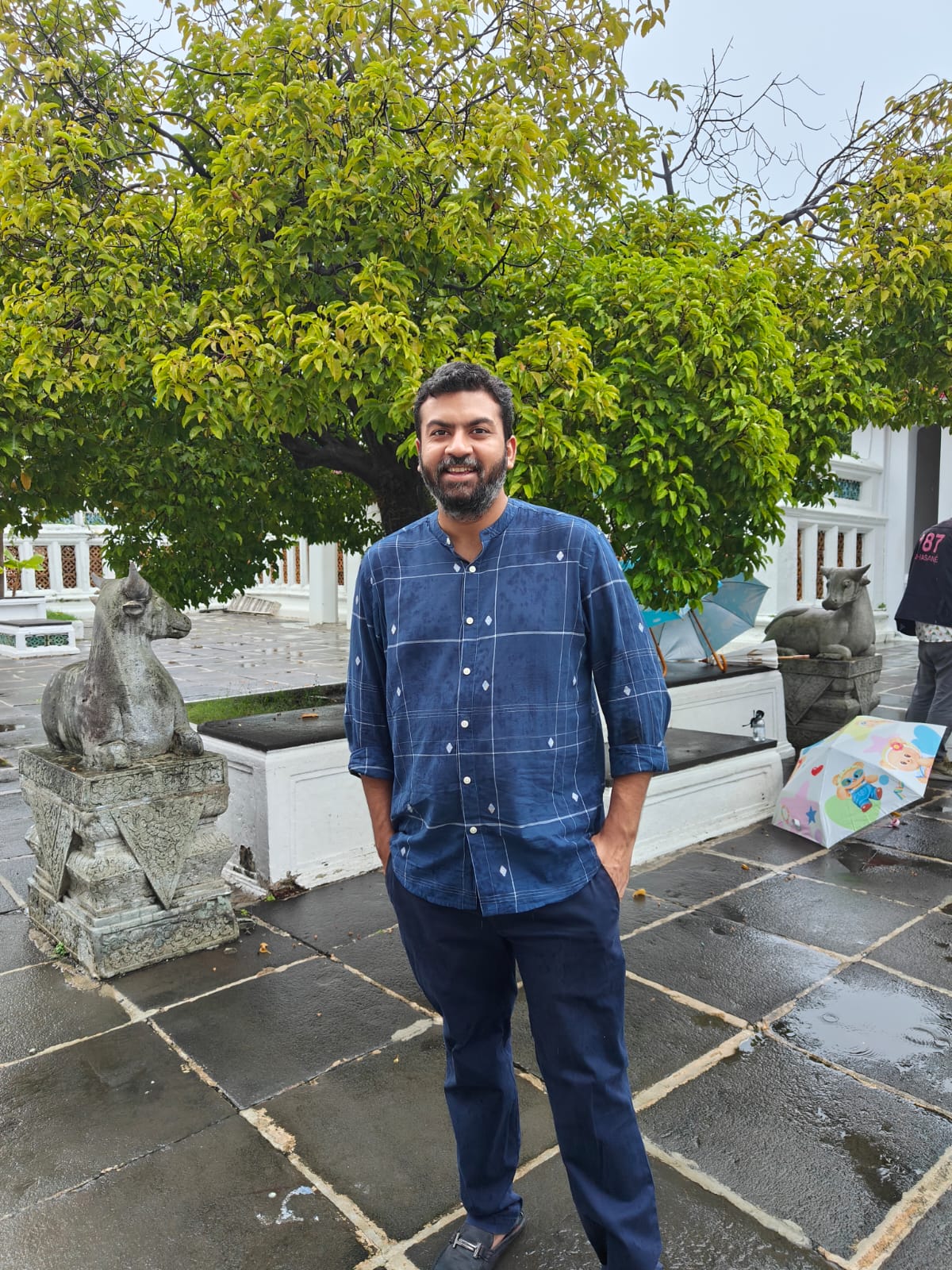
Milan Vaishnav, Tanul Thakur
Discussing their new short book, Indian Public Opinion toward the Major Powers, Paul Staniland, and Aidan Milliff join Milan Vaishnav to discuss the treasure trove of data on Indian public opinion they stumbled upon, the characteristics of India’s “foreign policy public,” and the variation in Indian attitudes toward the United States, China, and Russia/the Soviet Union. Plus, the discuss why a respondent’s region emerges as a strong predictor of one’s foreign policy views.


Milan Vaishnav, Paul Staniland, Aidan Milliff
Host Milan Vaishnav and Ambassador May-Elin Stener discuss the outcomes of the India-Nordic summit, the Trade and Economic Partnership Agreement (TEPA), and the green technology partnership Norway envisions with India.
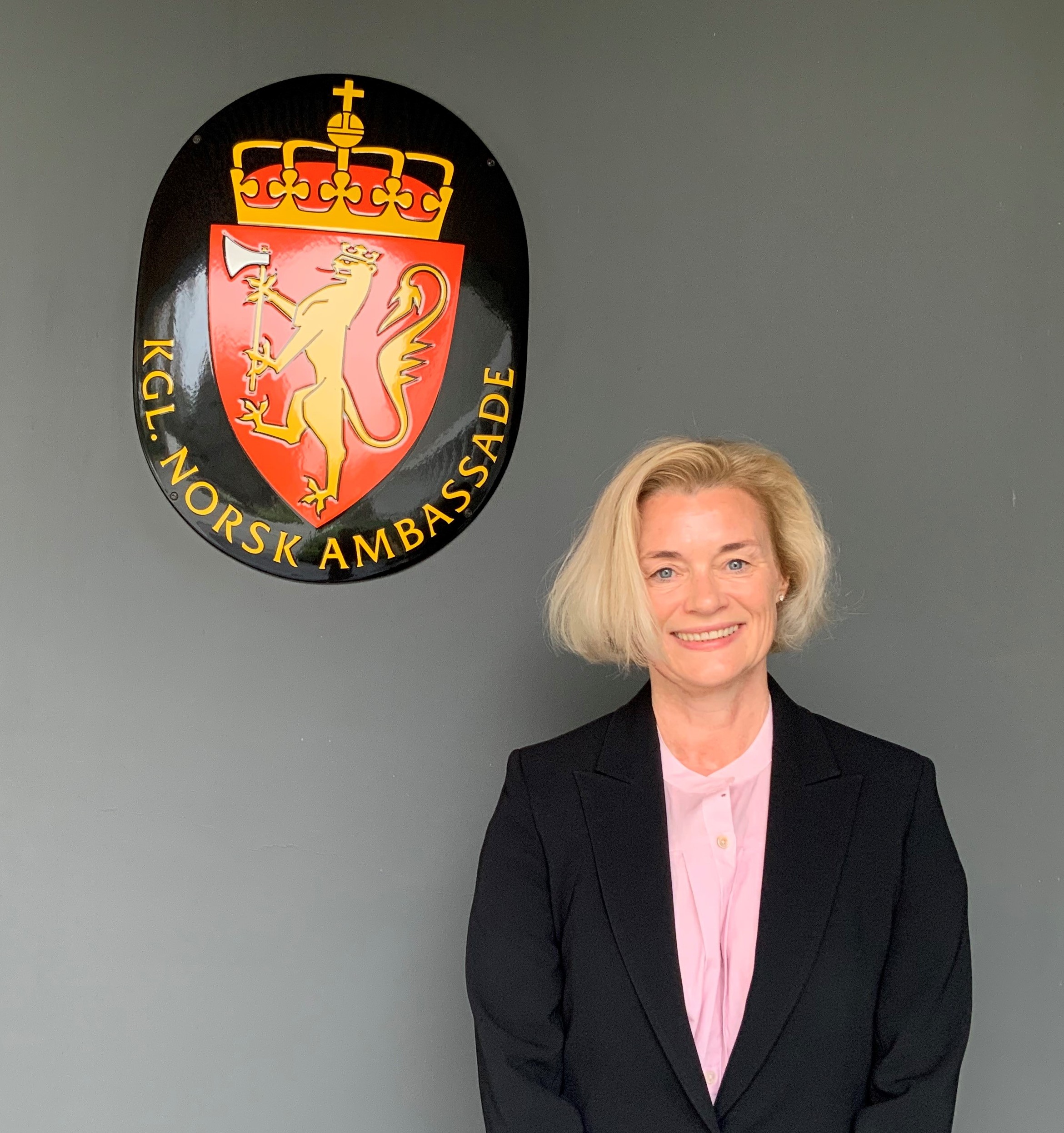
Milan Vaishnav, May-Elin Stener
Milan Vaishnav, Sadanand Dhume, and Tanvi Madan discuss whether India is becoming a “one-party state,” the current state of the opposition, and the headwinds facing the Indian economy. Plus, the three discuss Pakistan’s diplomatic moment, Trump’s recent China trip, and Marco Rubio’s visit to India.

Milan Vaishnav, Tanvi Madan, Sadanand Dhume
This week, Milan Vaishnav and Abhishek Anand discuss the controversy over India’s GDP estimates, important reforms within India’s statistics ministry, and the debate over the Reserve Bank of India’s policies to defend the rupee. Plus, the two discuss Abhishek’s work on power sector reform and the embrace of non-tariff barriers that stymie the spirit of India’s new bilateral trade agreements.
Milan Vaishnav, Abhishek Anand