After years of trade skepticism, India appears to be back in the deal-making business—signing new agreements, reviving stalled talks, and announcing ambitious frameworks with key bilateral partners.
A few weeks ago, the European Union and India announced a mega-trade deal that was more than two decades in the works. And just days after this news broke, the White House announced that the United States had also reached an understanding with India on trade, an issue which had sapped relations between the two erstwhile partners over the past year.
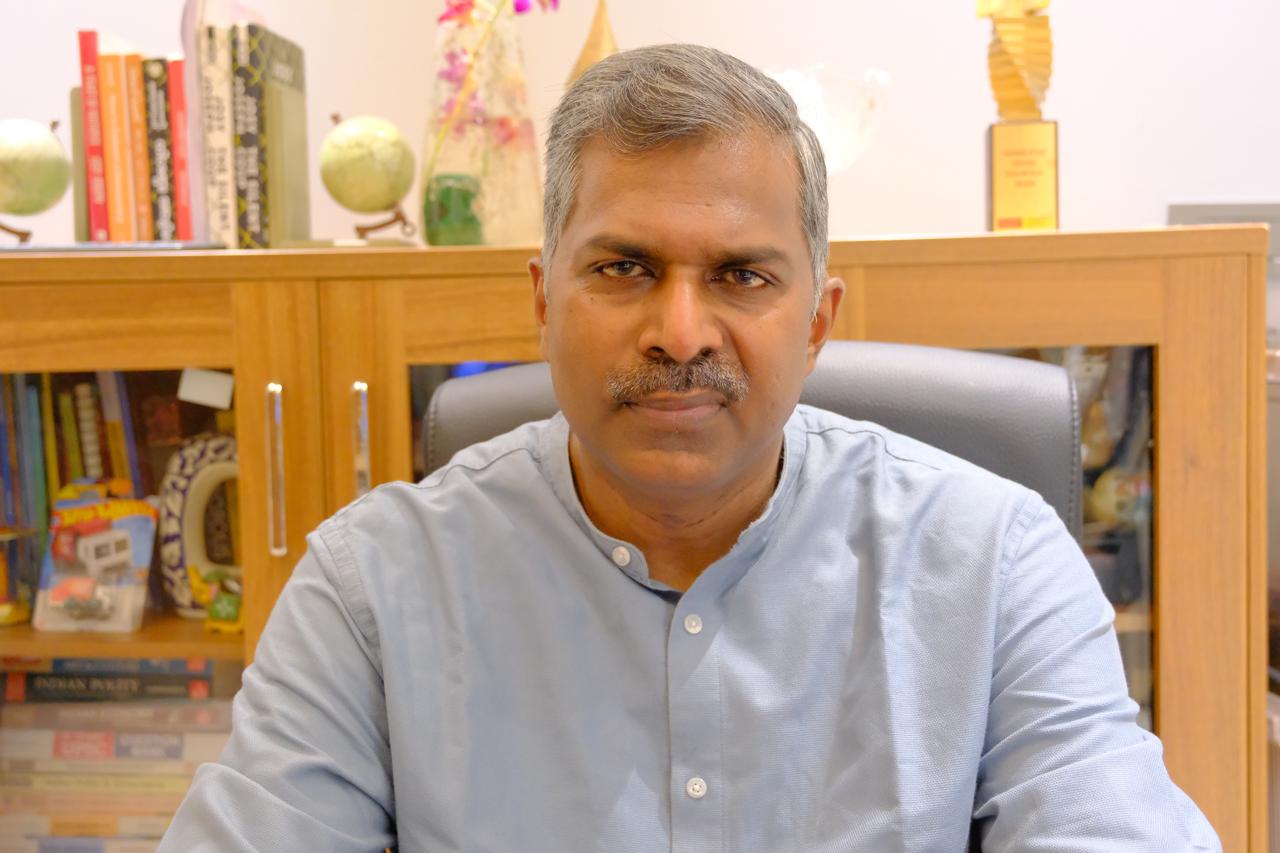
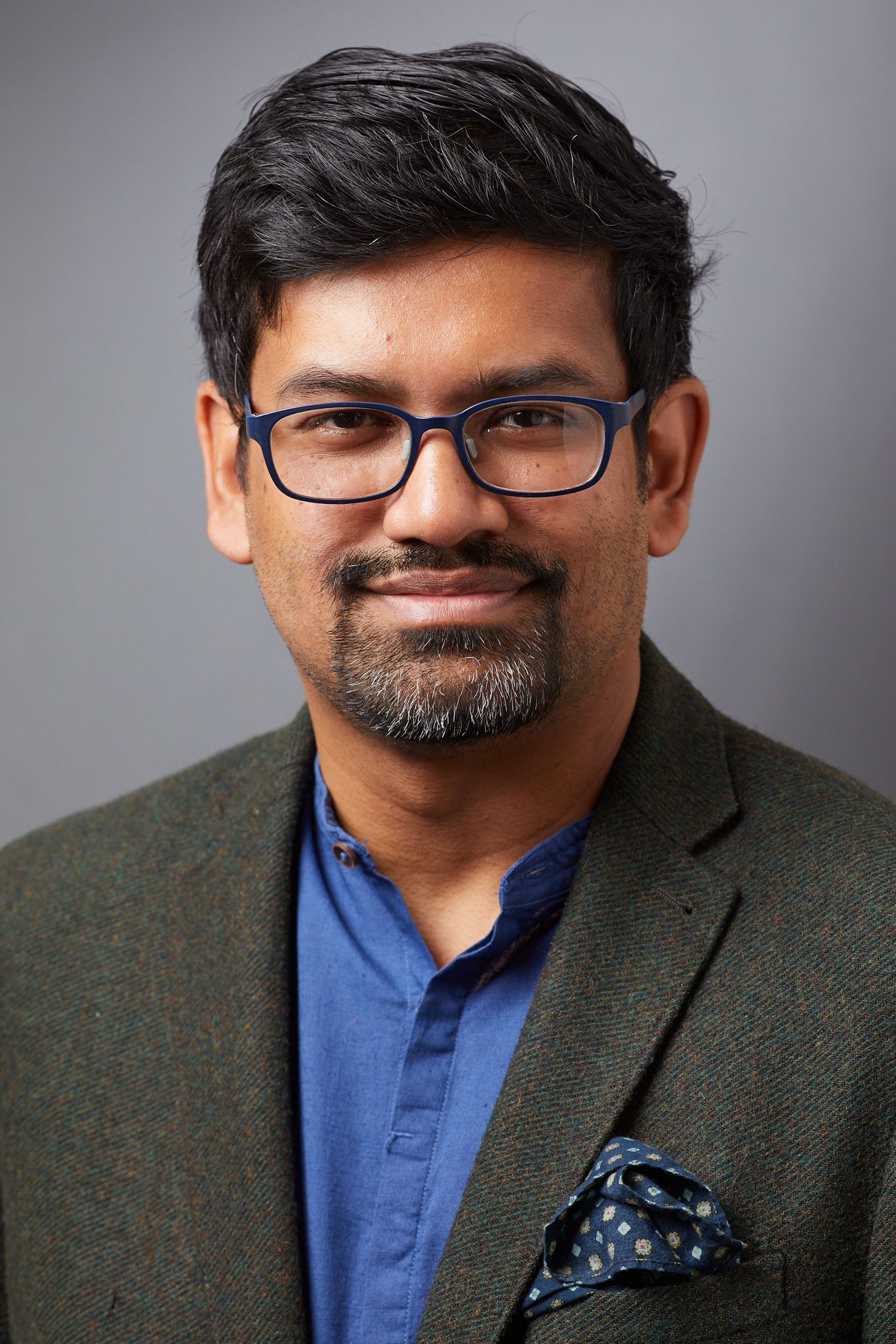
To help make sense of what’s changed—and what hasn’t—Milan is joined on this show this week by Mark Linscott. Mark is a nonresident senior fellow on India at the Atlantic Council and a Senior Advisor with The Asia Group. He previously served as the assistant US trade representative for South and Central Asian Affairs from 2016 to 2018.
He has more than 30 years of experience working on trade and economic issues at the Commerce Department and USTR. It is my pleasure to welcome him to the show for the very first time.
Milan and Mark discuss India’s new external trade posture, the geopolitics and economics of the EU-India FTA, and the timing and substance of India’s trade deal with the United States. Plus, the two discuss India’s relative positioning vis-à-vis other Asian competitors and the possible roadblocks in the way of a larger U.S.-India accord.
Episode notes:
- Ravi Dutta Mishra, “How India’s US deal tariff advantage over Bangladesh vanished overnight,” Indian Express, February 10, 2026.
- Arvind Subramanian, “India may be about to become one of the world’s most open economies,” The Economist, February 5, 2026.
- Michael Kugelman and Mark Linscott, “What to know about the US-India trade deal,” Atlantic Council “Dispatches” blog, February 2, 2026.
- “Can the U.S. Salvage Its Relationship with India? (with Lisa Curtis),” Grand Tamasha, February 4, 2026.
- Michael Kugelman and Mark Linscott, “The India–EU trade deal is worth watching, but not overhyping,” Atlantic Council “Dispatches” blog, January 27, 2026.
Transcript
Note: this is an AI-generated transcript and may contain errors
Milan Vaishnav Welcome to Grand Tamasha, a co-production of the Carnegie Endowment for International Peace and the Hindustan Times. I'm your host, Milan Vaishnav. After years of trade skepticism, India appears to be back in the deal-making business, signing new agreements, reviving stalled talks, and announcing ambitious frameworks with key bilateral partners. A few weeks ago, the European Union and India announced a mega trade deal that was more than two decades in the works. And just days after this news broke, the White House announced that the United States had also reached an understanding with India on trade, an issue which had sapped relations between the two erstwhile partners over the past year. To help make sense of what's changed and what hasn't, I'm joined by Mark Linscott. Mark is a non-resident senior fellow on India at the Atlantic Council and a senior advisor with the Asia Group. He previously served as the Assistant U.S. Trade Representative for South and Central Asia from 2016 to 2018. He has more than three decades of experience working on trade and economic issues at the Department of Commerce and the USTR. It is my pleasure to welcome him to the show for the very first time. Mark, thanks so much for taking the time.
Mark Linscott Thanks, Milan. It's a real pleasure.
Milan Vaishnav I want to start off, before we kind of get into these agreements and what's in them, at least of what we know what's in them, and let me just take, kind of, step back and talk to you about India for a second. After, you know, at least a decade of caution, India appears to be, you know, signing trade agreements with abandon. We're going to focus mainly on the EU-India FTA, and the recent deal with the United States for this show, but there've been lots of other deals, including Australia, United Kingdom, UAE. I guess I want to ask you, just to begin, how do you understand the sudden change in India's stance?
Mark Linscott Yeah, well, I think it's always been an issue of tension between policy space and its interest in increasing exports. And for many, many years, our policy space always won out. There was a period during which India was doing a lot of FTAs or a number of FTAs and significant ones. They have ASEAN, they had Japan, they had Korea, but we definitely see a big increase over the last, I would guess, four or five years. Of course, the EU predates that. I mean, this is, as you noted, a negotiation that's been underway for nearly two decades. But we've seen this real uptick in activity. Australia, UAE, EFTA, the European Free Trade Association countries, the UK, I think I mentioned. So, it is significant and I think it basically reflects some maturing in the Indian economy and Indian trade policymaking to recognize that it needs to give a bit to be able to get. It needs to instinctively not necessarily rely on protecting policy space. It needs to be a bit more flexible on opening up to exports. Another key factor has been the focus on the big economies, the European economies, Western economies. I think recognizing that, particularly the EU and the US, those are the big growth markets for the future and it needs to ensure the best access it has to those countries. So, I think it's a combination of factors, but it's been a successful shift in policy. And I expect we'll see more of this kind going forward.
Milan Vaishnav I wanted to ask you for a second here, you know, it is notable that India does not feature into either of the big, kind of, mega regional trading packs, either the Trans-Pacific Partnership or the RCEP. Of course, it was part of the negotiations with the latter, [but it] kind of dropped out at the 11th hour. It is instead chosen to pursue these, kind of, more bespoke, bilateral deals. What do you think the thinking is in Delhi for why they've kind of eschewed these megaregional deals instead focused on these deals that are just going to be kind of bilaterally negotiated?
Mark Linscott Yeah, well with RCEP, that was a long negotiation and it was pretty clear to a lot of observers based on what we were hearing from the negotiators involved with the countries directly involved that India was hesitant in every way in those negotiations, issue by issue from market access to, you know, I recall that on some negotiations on digital issues, India had a very conservative view. I mean, ultimately it was all about China. It was clear that having China in the negotiation made India second guess itself about joining RCEP. At the time, there were other economies that were being referenced in the press. They didn't want the Kiwis to come in on dairy and, you know, they had expressed some concerns about the Aussies, but, you know, ultimately came down to China. TPP, or CPTPP, what it is now without the United States: I don't think they've been asked in. I don’t… If they express an interest and the members would have to grapple with that. It would be interesting to see how they respond, but I don't think that there's been, you know over the last five years or so, a real interest in having India at the table. They've, I mean, they've got enough on their hands. India's pretty notorious is being difficult in trade negotiations, but at the same time, you know, I don't I never read anything that suggests that India's got an interest in CPTPP. So, you know, we'll see how that how that goes but for the time being, it's being really successful on the bilateral front. It's a it's real juggernaut policy now and I expect to see more successes in the future.
Milan Vaishnav Let me come now to this EU trade agreement, as I mentioned earlier, and most of our listeners would know, EU and Indian leaders recently announced a successfully negotiated free trade pact. In announcing the deal, the president of the European Commission, Ursula von der Leyen, declared, quote, we delivered the mother of all deals. This is a tale of two giants the world's second and fourth-largest economies Mark, it seems to me that there are kind of two aspects to this deal, and I want to ask you about each of them. I mean, first, you have the, kind of, geopolitics, and the second is the, kind of, economic significance. Let's start with the geopolitics. I mean, what do you think is the big geopolitical takeaway from these two blocks, really, because obviously the EU is much larger than any single country. What's the political significance of this move?
Mark Linscott Yeah, I'll start with the geopolitical side, which I know less well. Nevertheless, I will venture into it. You know, every, every really big trade negotiation seems to have a geopolitical dimension. Probably the best example of that was TPP, the Trans-Pacific Partnership, which had its origins during the Obama administration. And it being pretty clear, at least from the, you know, from the U.S. Administration, that was all about China was building up a block of, you know, generally liberal, somewhat democratic countries to be able to set standards on trade, provide preferential access to each other and essentially address what all saw at the time as the China challenge. So that, that was a really good example. You know, the EU and India, I think have that dimension. I'm not exactly sure what it is. Perhaps the acceleration we saw in the negotiations, really dating back to 2022, was a recognition that the US and India were getting closer strategically, geopolitically, and the EU needed to be in the room as well. It needed to be able to hold its own. Geopolitically, I’d actually defer to you because you're more of an expert on that side of things. Economically, you know, I don't view it as the mother of all deals. I mean, that's kind of a cute term, but you know there are bigger deals. I mean NAFTA and then transformed into USMCA, US-Mexico-Canada Agreement, is clearly a bigger agreement. You know, CPTPP is much bigger. Even without the United States, I think those probably deserve more about, you know, a characterization of mother of all deals. You know, economically, though, I, you know, it is landmark, it's going to be significant. I don't want to minimize that. But this isn't immediate market liberalization between the two countries. I mean, the EU market, with a lot of exceptions, is generally an accessible market, one with low tariffs. So, the EU dropping its tariffs to zero probably is not going to make a huge difference immediately. At the same time, on the Indian side, which does have much higher tariffs, probably has more non-tariff barriers. It's going to be a slow process of opening up. There are transitions, there are exceptions. So, you know, I think over time, we will see increases in growth on bilateral trade more than we would have otherwise seen, but I don't think that's going to be immediate.
Milan Vaishnav I want to ask you about a recent blog that you wrote for the Atlantic Council in which you said the following: the India-EU FTA will not significantly alter existing supply chains, although it can make the India-EU ones more resilient. Unpack that for us.
Mark Linscott Yeah, well, it goes back to, you know, basically what I just said, that in a lot of respects, it won't change the status quo dramatically overnight. So, it's hard to imagine that supply chains will visibly shift in the near term as a result of that. And, you know, this is also a context in which India is negotiating with a lot of different countries and has had the recent successes and most recently with the United States. In terms of moving from one place to another, to establish supply chains, I don't think we'll see a lot of that. Resilience, though, is key. Trade agreements, even if it involves slow liberalization, does provide the sanctity of an agreement. It provides trust. It ensures that there is a place to go to if problems arise with implementation. There's the potential for redress. So, I think it does provide additional security with supply chains, even if they are slow to be shifting.
Milan Vaishnav I mean, I want to ask you just about the, kind of, path forward because we've seen, you know, lawmakers recently vote to postpone ratification of this long-sought trade agreement with the Mercosur Group of South American countries. And this vote to postpone took place against the backdrop of pretty vocal opposition from farmers. I mean, could we see similar stumbling blocks with this India deal?
Mark Linscott Yeah, I think we could. It's been interesting over the last few weeks to see the European Parliament assert itself. In fact, on a couple of fronts, certainly with Mercosur and there are a lot of concerns among the members of parliament from individual member states about some aspects of that. I think agriculture being number one, which is with a lot countries, the third rail. With respect to, well, we've seen with the US-EU deal, which is still in joint statement form, they've not yet done the final negotiation, there has been a lot of hesitancy on the part of the European Parliament given the dynamics we had associated with Greenland, the threats to increase tariffs. You know, there, there certainly were some in the European parliament saying, Hey, wait a minute, you don't know what, what are we getting ourselves into? I think India will be, you know, in that category of grabbing a lot of attention, you know, creating some concerns about the wide ranging implications. I mean, for example, the EU, and I think to its credit, it really adapted to the situation. It cut a lot of corners in this negotiation. It appears that there are important areas even left out. I mean one example is government procurement and this is getting into trade nerd territory but that has always been a huge priority from the European Union. I've been in plenty of negotiations with the EU and I was a former government procurement negotiator. I used to have, the government procurement negotiators then later worked for me, and the EU was always a pain in the butt, always pushing us, always insisting that it was one of their top priorities. Well, with respect to India, for the moment at least, it's dropped that issue altogether from the agreement. So, you know, I think this cutting of corners could raise some eyebrows and cause the Parliament to ask a lot of questions and perhaps slow down that process.
Milan Vaishnav Let's now come to the other side of the Atlantic and I'm going to ask you about this US-India trade agreement. We don't have full details in the public domain, but I want to ask you, kind of, what do we know about the broad outlines of the deal and any negotiation, there's some give and take. What concessions does it seem like each side is willing to make?
Mark Linscott Yeah, we, we don't know a lot yet. I mean, it's funny because with the EU-India [agreement], we don't know everything yet. We don't have the text of that agreement; we only have chapter summaries from the EU, which does provide a little bit of clarity, but very little from the Indian side. With US-India, we got a lot less. We had the Truth Social post on Monday of last week. We then just got the joint statement on Friday. These are really big developments. I'm really happy that a deal was announced. But, you know, we know that it will include a lot on tariffs, it will include some commitments on non-tariff barriers. And that's about it. You know, there's some relief from the section—limited relief in the section 232 tariffs on steel, aluminum, and copper associated with aircraft parts, but otherwise, there's not a lot of information. What is clear is that this is a phased negotiation. It was always intended to be a phase negotiation. Back in February of last year when Prime Minister Modi was here in Washington, I think a very successful trip, the two leaders committed to a bilateral trade agreement, a BTA, a comprehensive BTA. And this is a first negotiation focused on tariffs and a couple of priority non-tariff barriers. There is a whole raft of issues that have been, kind of, pushed down the road and will be taken up in later phases of negotiations. So, the negotiations, even on this interim agreement, are not quite done. And there's a next phase and probably a couple of phases of the negotiations to come in the future.
Milan Vaishnav I mean, it's been interesting, I'm sure you've been reading the same sources I have to, kind of, pick up and listen to the reaction from India where, you know, there's certainly one school of thought which says, okay, the US applied before Trump came into office an average effective tariff rate about two and a half percent on Indian exports. That shot up to 25, then it shot up to 50 because of the Russian oil, and now we've gotten it down to 18. How is this really cause for celebration? You know, we were at 2.4, now we're at 18 and we're treating it like a victory. How would you respond to people who are, kind of, making that argument?
Mark Linscott Yeah, I would say 2.4, 2.5, which was the average applied rate, essentially the average across USWTO, most favored nation tariffs, that's ancient history. I mean, that is long gone. We now have an average tariff. It's constantly shifting because the administration will do new things that will have it tick up or tick down. But it's probably an average rate of 13% or so now across all countries. That's not changing anytime soon. It's not going back to 2.4%. What is key is the issue of relativity. Where does a country fall compared to other countries, competitor countries, sector by sector? We had the extreme example of India at 50%. You know, along with Brazil at 50 percent, you know, in relative terms, that was terrible for India and in key sectors, really important sectors for India, like textiles and apparel, you know, leather, footwear, marine exports, shrimp, frozen shrimp. It was getting killed. I think still getting killed. It's, you now, we are only days into the tariff relief. And that's because other countries have much lower tariffs. Now India is in a very good position at 18%. It didn't get what the EU got at 15%, you know, what Japan and Korea got, but it got pretty close and compared to other South Asian nations, South East Asian nations, it’s got a slight advantage for the time being. And one thing in that joint statement, it highlights or acknowledges that India is going to push for further tariff cuts. I mean, there's a real give and take in this negotiation, which I don't think exists in some of the other negotiations with other countries. There is an expectation that India's going to continue to push for some more tariff relief. So, you know, in relative terms, I think over time we could India's position improving, depending on how they implement. What has already been agreed.
[…]
Milan Vaishnav I mean, I guess there's a question, Mark, a lot of people have about the timing of this deal. I mean the Indians, when you've spoken to them, you know, many of them say that this deal has long been sitting on President Trump's desk for his approval. The hard negotiations were mainly done. How do you explain the timing of this announcement? You know, is it plausible that the president and his advisors see the EU and India cozying up and they just said, okay, we want to pull the trigger and kind of steal some of that thunder. How do you make sense of the why now question?
Mark Linscott I definitely don't think it's that. I mean, the timing was very interesting, but I think it was completely coincidental. To that point of the deal being done, it was just up to the president, I mean, yes and no, the deal wasn't completely done. I am a lead trade negotiator and I spent all of my career doing that, you know, we negotiate very specific text in a lot of different areas, particularly in non-tariff barriers in it, you know, you get very, very precise. And that's not done yet. That's pretty clear. What we now have, though, is the broad contour of what will be that reciprocal rate. That was what was missing, I think for the Indian side. They had pretty much stopped negotiating on the legal text, on those specific commitments because they didn't know what they were going to get in return. They didn't where President Trump was going to come out on a reciprocal tariff. They didn't know about timing for elimination of that Russian oil tariff, so the negotiations, kind of, dragged to a halt and, you know, the only way to break that impasse, you know, became clear was for there to be communication directly between the president and the prime minister specifically on these issues. And that finally happened last Monday and you know, we had the breakthrough. We now have declaration of a deal that's done but it's a framework for the interim agreement. And they're going to be working over the next month or two on the specific legal text for that interim agreement. So, it wasn't quite done, but this was a huge development in terms of making it clear what was going to be exchanged on both sides and now committing that to legal text.
Milan Vaishnav I want to just pause on the language you use, because I think for a lot of our listeners who have not been in the weeds like you, this may seem confusing. So let me see if I can try to, kind of. interpret what you said. You said this is essentially a framework for an interim agreement, which is yet to be fully negotiated. Once that text is fully negotiated, it's only an interim agreement because that stops short of a full blown FTA. So, is that the kind of sequence that we've, kind of, finished phase one, we moved to phase two, and then eventually, somewhere down the line, we get to a phase three, which would be a BTA?
Mark Linscott Yeah, exactly. So, we don't yet have the final interim agreement. We've got the joint statement, which is the framework, it basically lays out the contours of the interim agreement, and it's focused on tariffs. And again, a few priority, non-tariff barriers. Over the next few months, that's what they'll be trying to conclude, this interim agreement. The parallel with a lot of other countries is that the final agreement, all phases done, is an agreement on reciprocal trade. They're called arts. The one that was just done with Bangladesh yesterday, that's an art. I don't think there will be a lot follow-up negotiations for that. You know, what's different about India? I think that's a really positive thing and reflects, uh, you know, I think how savvy prime minister Modi was last February and coming right after the inauguration and there being a focus on trade. Let's go for the big Kahuna, let's go for this bilateral trade agreement. It's not quite an FTA and it can't be an FTI because on the US side, the baseline is still a high tariff. I mean, this isn't about going from an average of 2.5 to close to zero on a preferential basis. This is like going from 2.5 to a very high level and bringing it down, but not to an FTA level. So, it's, not an FTA, but in terms of substance, apparently they've, I think agreed in terms of reference that aren't public. So, none of us know exactly what's in it, but there's an expectation, it's roughly 19 chapters that they're going to be negotiating going forward. Well, that's very similar to what is done in FTA. Setting aside the tariff issue, that's kind of typical of what's done in the FTA. So that is the ultimate goal, and that's going to take probably the rest of this administration to achieve. If it's even achievable.
Milan Vaishnav Wow. I mean, that's, kind of eye-opening kind of where we are in the broader context. Let me ask you about this kind of separate executive order that the White House issued where the US indicated that it would set up some kind of monitoring committee to ensure that India takes its oil imports from Russia down to zero. In your 30 plus years as a trade negotiator, how unusual is this arrangement? And do you think the Indians will actually be compelled to stop all Russian oil imports?
Mark Linscott Yeah, Milan, I, you know, I never had that kind of experience. I negotiated with a lot of countries over a lot of years, a lot of that was WTO, so it's not quite what you get into or used to get into in the WTO. But I think it's very unique. You know, the president reacted to basically the reality of the situation that's been in place over the last few years of the Indians buying a lot of Russian oil, which was basically, in a sense, blessed during the Biden administration, essentially to ensure that oil and gas markets would stay somewhat stable in terms of pricing. You know, it was clear that the president felt that was a hindrance to his efforts to do a peace treaty between Russia and Ukraine. And of course, his remedy for that is to raise tariffs. And this wasn't just taco Trump, this was, a real threat. It was a shocking one. I mean, I couldn't believe it. I mean we, in July, I was predicting that an agreement was imminent. I was very bullish on that. I have pie on my face now because I was really wrong. I mean, things truly went south with the ultimate being a 50% tariff, 25% of that being Russian oil. So, this kind of stuff is not normally part of trade agreements or trade negotiations. You know. how it plays out—I mean, it's clear that the purchases aren't at zero. I mean, all the numbers point to the fact that there is still purchasing going on. The trend lines, though, are very good; they are coming down. I don't know how that might be monitored. I'm guessing on a more informal basis. You know, specifically involving the State Department, kind of, constantly sharing information on you know what is the state of play, what's the latest on purchases of oil and LNG as it continue to go down, I think there is wiggle room. I mean the point here is to make sure that the president feels that it's enough because he's the ultimate, he's the one who you know will pull the trigger again on tariffs if he’s not satisfied.
Milan Vaishnav You know, I want to ask you one other kind of part of this deal, which got a lot of attention, which is under the terms as they've been disclosed, India has agreed to purchase $500 billion of US quote energy products, aircraft and aircraft parts, precious metals, technology products and coking coal over the next five years. You know given that the data that exists suggests India purchases around 40 billion dollars or so of US products each year, does this seem like a realistic goal to you? I mean, how do you make sense of this, kind of, five hundred-billion-dollar number? It seems like quite a big number.
Mark Linscott Yeah, I mean if it's limited to goods, no way. I mean the numbers just aren't there and they aren't going to change that quickly. Even if India is going to zero on its tariffs for nearly all industrial goods and making a lot of agriculture purchases and it's been pretty clear that it's protecting its farmers in this deal, that can't happen. So, the only way it happens is if services are part of the calculation because that gets you closer to, you know, not quite there, but closer to a hundred billion a year. And then, you, know, with increases, you could, you can fudge it and say, okay, we've got 500 billion and who knows where we are five years from now. So, my educated guess is that the two sides or each side separately are planning for services to be part of that calculation.
Milan Vaishnav Mark, I want to just come back to something that you mentioned earlier about, you know, we need to assess where India is in relative terms as opposed to absolute terms and how India has fared relative to countries it's competing with, whether it's Pakistan, Bangladesh, the ASEAN countries, Vietnam, and so on and so forth. There was a story today in the Indian Express which said that the US and Bangladesh have just struck a fresh trade deal in which they are facing a 19% reciprocal tariff rate. However, they have secured 0% reciprocal tariffs on certain textile and apparel goods, you know, up to some, kind of, subject to some unspecified quota. How worried should India be about this deal?
Mark Linscott Yeah, well, first of all, India was very keen to get a real advantage in relative terms, particularly in this sector, textiles and apparel. And, you know, there is an understanding that India was pushing, basically, for what the EU got. I mean the EU got 15% and it got those tariffs unstacked. And this is getting into obtuse trade issues, but it's important, unstacked versus stacked, because the EU essentially has a ceiling of 15% because it's unstacked. You don't have any tariffs being added on top of that, like the WTO MFN tariffs. And in textiles, that's one sector where the U.S., historically, like so many developed countries, have had high tariffs. If India had got that deal... It would have been at a tremendous advantage compared to Pakistan, Bangladesh, Sri Lanka, Vietnam, et cetera. It didn't get that deal, but it still got a good one. Then days later, we see the Bangladesh deal, which in fact, it's now at 19%. So, India's got a 1% advantage there. But there's this provision which is similar to what was done with the Central Americans years ago and has been retained now. It's called a yarn forward type rule. It basically is allowing duty-free treatment for Bangladesh for products produced from US cotton. So, I am guessing India is doing a big hustle right now to see if it can get that deal as well. And you know, there is the opportunity. They are still putting together the specific legal commitments for this interim agreement. So, I'm imagining they're getting ready if they haven't already pushed, but getting ready to push that they get the Bangladesh deal in some form.
Milan Vaishnav So Mark, let me try to bring this conversation to a close by asking you just a, kind of, final question. You know, you've laid out, I think very nicely for us that this is an interim, not even an interim, a preliminary framework for an interim agreement, which may or may not eventually end up in an actually negotiated bilateral trade accord. But leaving all of that aside, what are two or three of the stickiest issues you think are going to be even just to get to this interim arrangement, right? I mean, you hear a lot about India's reluctance on genetically modified crops. You hear quite a bit now, of course, about the textile issue. You know, the United States has long wanted better treatment for exports of things like medical devices and so on and so forth. So, you know, if you kind of go back to your USTR hat, and you're hunkered down in a government building, kind of, negotiating text. What do you think are the three or four, kind of, biggest hurdles that you're going to have to overcome in order to get to some kind of interim deal?
Mark Linscott Yeah, and I don't think that's so much on the tariff side, although we now have this dynamic with Bangladesh. It's really on the non-tariff barrier side for this interim agreement. And there was very little, almost no detail in the joint statement on, you know, progress on those non-tariff barriers. Referred to a couple of areas, referred to med devices, referred to ICT products and licensing associated with those, referred to standards and testing and conformity assessment. And I know they've been negotiating on these issues a lot over recent months. In fact, medical devices, that goes all the way back to when I was the assistant USTR. And Lisa Curtis was over at NSC…
Milan Vaishnav I mean I remember reading stories about medical devices, I think, even going back to the Obama administration, and this is kind of a long-standing story.
Mark Linscott Exactly, exactly. So, you know, pinning down those commitments is still challenging, I think. You know, I think I said earlier that, you know, when you're getting into legal text, and you basically want to make sure there are no workarounds here, there's no easy opportunity to circumvent what you think you got with a commitment. That means negotiating very precise language and I think that is the most immediate challenge for an interim agreement. But looking ahead, because the bigger aspiration being a bilateral trade agreement which I think is fantastic. I mean, it would be historic; it would be bigger than what the EU has, because it is the United States and India. There are a number of areas…I think they've gotten their feet wet on digital issues, but it's clear that agreement on that part of a BTA is not done. I think that's going to be a challenging area. IPR, intellectual property rights, you know, and those are emotional issues in India. And I think India has come a long way in recognizing that in the pharmaceutical sector, for example, it needs to have an innovative ecosystem. And that means IPR reform in some respects. But will it be ready to go as far as what the EU, I mean, sorry, what the US will push for? You know, that's going to be a tough one. I mean in the end, I think it is, you know, a question of how willing is India going to be ready to bend and do things that's never done before? And also how willing is the U.S. to be creative in finding compromise. I mean, it's clear that's what happened between the EU and India. Can the U.S. and India replicate that in the hard areas going forward? And I think an issue like IPR is a poster child for challenges ahead.
Milan Vaishnav My guest on the show this week is Mark Linscott. He's a non-resident senior fellow in India at the Atlantic Council and a senior advisor with the Asia Group. He served as the Assistant US Trade Representative for South and Central Asia from 2016 to 2018. Mark, thank you so much for walking us through this really, kind of, landmine-filled area of trade and trade negotiations. We appreciate your time.
Mark Linscott Thanks, Milan.