Over the past few years, South Asia has witnessed a striking wave of mass protests toppling governments and upending long-standing political arrangements in countries ranging from Bangladesh to Nepal and Sri Lanka. These upheavals are often explained in terms of domestic factors—such as corruption, economic mismanagement, and democratic backsliding.
But in a recent Foreign Affairs essay titled “The Folly of India’s Illiberal Hegemony,” the scholar Muhib Rahman argues that there is a larger regional story at play—one that implicates not just local leaders, but also India and the United States. The essay challenges the assumption that India’s regional leadership has been a stabilizing force and asks whether New Delhi’s choices have instead helped create openings for China across South Asia.
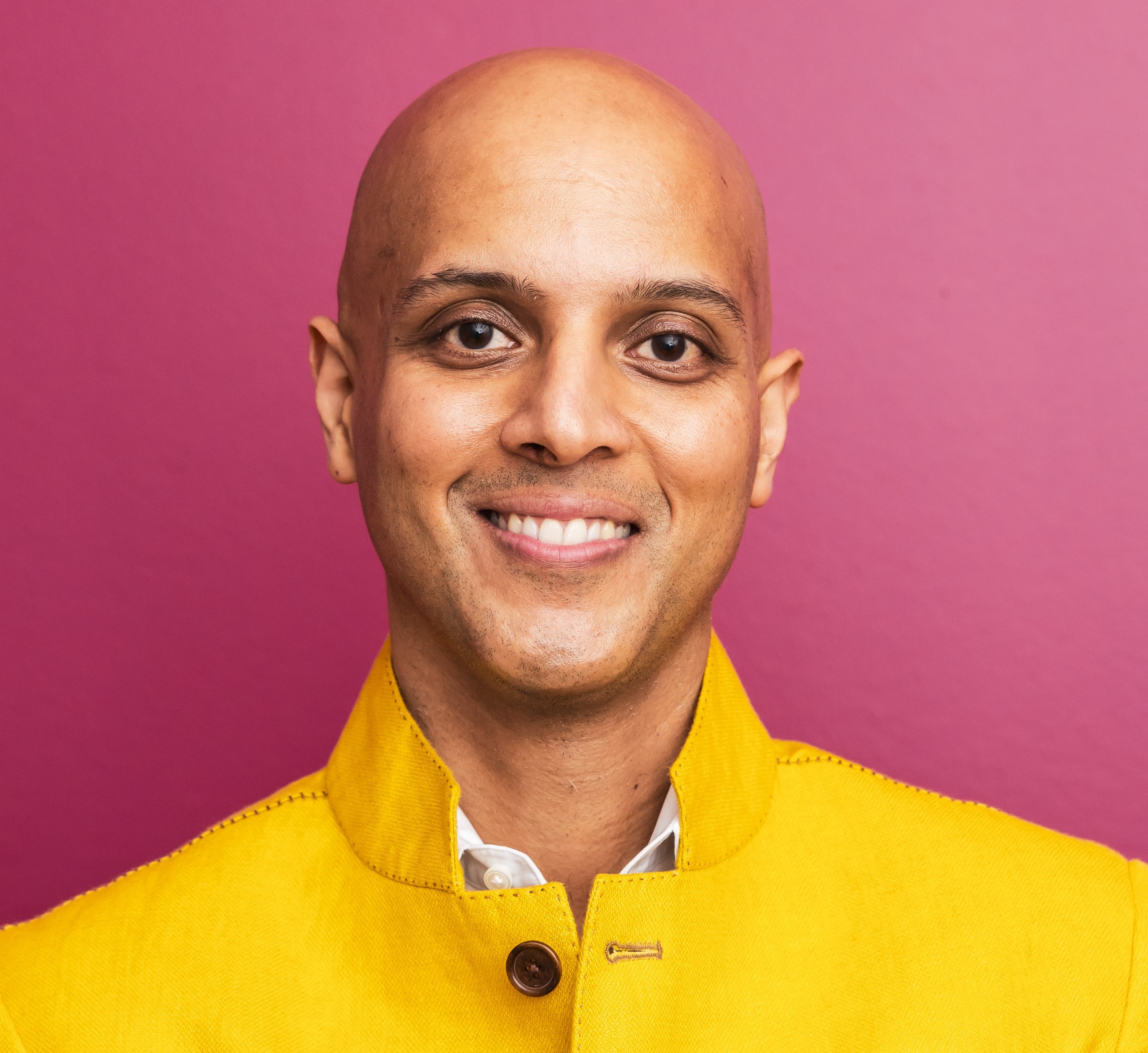
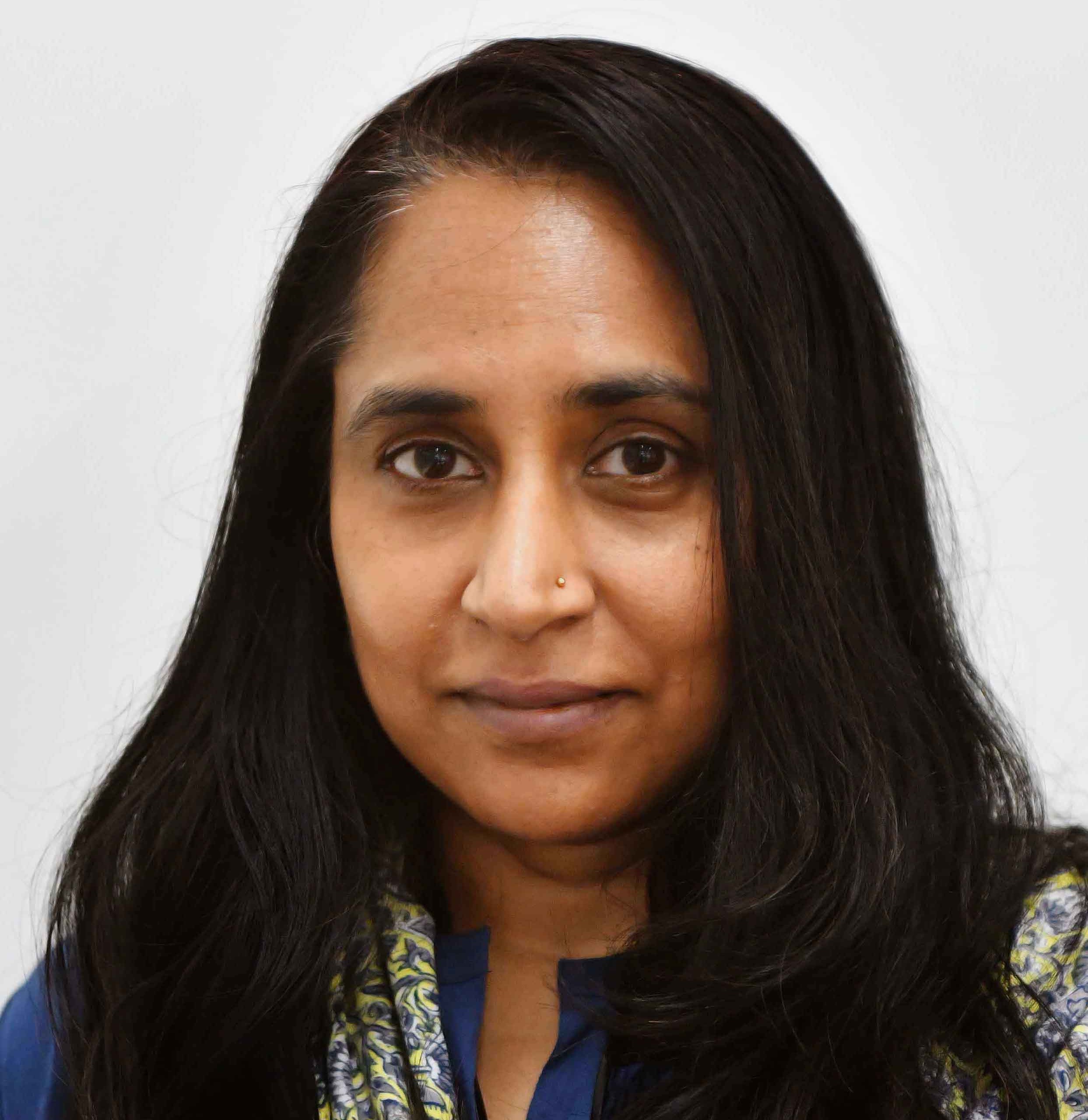
To talk more about the essay, Muhib joins Milan on the show this week. Muhib is a Perry World House Postdoctoral Fellow at the University of Pennsylvania. His research sits at the intersection of international security, emerging technologies, and the politics of the Global South. He has served as a Postdoctoral Associate at Cornell University and holds a Ph.D. in Government from the University of Texas-Austin.
Muhib and Milan discuss India’s illiberal hegemony in its neighborhood, the downturn in Bangladesh-India ties, and the enabling role of the United States. Plus, the two discuss the drivers of the “India Out” phenomenon in countries ranging from Nepal to the Maldives and how China is positioning itself to take advantage.
Episode notes:
- Muhib Rahman, “Bangladesh’s Quiet Pivot to China,” The National Interest, October 27, 2025.
- Muhib Rahman, “Explaining Trump’s Surprising Turn to Pakistan,” War on the Rocks, October 1, 2025.
- “Why Washington Is Wooing Pakistan (with Uzair Younus),” Grand Tamasha, October 1, 2025.
- “Sri Lanka's Peaceful Revolution (with Neil DeVotta),” Grand Tamasha, January 29, 2025.
Transcript
Note: this is an AI-generated transcript and may contain errors
Milan Vaishnav: Welcome to Grand Tamasha, a co-production of the Carnegie Endowment for International Peace and the Hindustan Times. I'm your host, Milan Vaishnav. Over the past few years, South Asia has witnessed a striking wave of mass protests, toppling governments and upending long-standing political arrangements in countries ranging from Bangladesh to Nepal to Sri Lanka. These upheavals are often explained in terms of domestic factors such as corruption, economic mismanagement, and democratic backsliding. But in a recent Foreign Affairs essay titled, “The Folly of India's Illiberal Hegemony,” the scholar, Muhib Ramhan, argues that there is a regional story at play, one that implicates not just local leaders, but also India and the United States. The essay challenges the assumption that India's regional leadership has been a stabilizing force and asks whether New Delhi's choices have instead helped create openings for China across South Asia. To talk more about the essay, Muhib joins me on the show this week. He is a Perry World House Fellow at the University of Pennsylvania. His research sits at the intersection of international security, emerging technologies, and the politics of the Global South. He has served as a postdoctoral associate at Cornell and holds a PhD in government from the University of Texas at Austin. I am pleased to welcome him to the show for the very first time. Muhib, thanks for joining us.
Muhib Rahman Thanks so much, Milan, for having me and for the introduction. It's a real pleasure to join this conversation.
Milan Vaishnav So I want to, kind of, lead off here with where your article starts, which is, we've had this dramatic series of, kind of, popular uprisings in a range of countries across South Asia: Nepal, Bangladesh, Sri Lanka. Each of these uprisings resulted in, kind of, these dramatic street protests and the eventual ouster of elected governments. If you, kind of, look at a lot of the analysis that's out there, you know, people are pointing to, kind of, domestic grievances, right, domestic drivers. In your piece, you say, look, they may be playing a role, but they're not the only culprits. Tell us a little bit about, in your mind, what else is driving this kind of unprecedented degree of turmoil.
Muhib Rahman So, I like to start with the clarification that the essay, in my essay, I did not claim that it was like broader regional issues were kind of the main driving force behind all these mass uprisings in neighboring countries of India, including Bangladesh, Nepal, Sri Lanka and Maldives. It was mostly domestic issues. But these issues have cross-cutting elements. If you look at the patterns, there are several main drivers that cut across almost all cases I discussed. The first is discontent over corruption by the ruling elites. So, if I give an example, an estimated $7.5 billion was siphoned out of banking sectors, through fraudulent loans, by politically connected business in Bangladesh, for instance. Billions in international aid has disappeared into political pockets, while victims lived in temporary shelters for years in Nepal. Right? These are the very, kind of, regular examples that we see in these countries that people are grappling with. The second important issue that cut across is the democratic backsliding. You know, like especially political repression, targeting opposition, torture, and forced disappearances, attack on free media, election engineering, all sorts of things that were going on in different forms in these countries. The third important point that I see that driving these is a rising living cost and inflation, right? Because of the energy crisis, food insecurity, lots of people are suffering. There is growing youth unemployment and generational disillusionment among the young segments of society, a demographic bulge of educated young people facing limited opportunities and bleak futures. For instance, the uprising in Bangladesh started with this idea that there are more than 50% of the public sector jobs were restricted to a very few number of people in the society. But that was not my point. My point in the essay was basically about how there is some polarizing foreign entanglements that are into the play, right? Especially around people's grievances against the role of external actors in the domestic politics, especially India. So, which is more or less perceived as an external support that enabled the corrupt ruling class to survive and consolidate power in an autocratic fashion. So, in the essay, I argue that being the world's largest democracy, India has often acted in a decidedly illiberal way by propping up autocratic governments in neighboring countries, often going against the popular will of those countries and treating human rights and fundamental freedoms as expendable. Another related dynamic that I touched [on] is the United States factoring into this, into this overall processes, right? US deference to India when it comes to dealing with South Asia and its unwillingness to kind of push Delhi in a stronger way and hold it accountable for how it treats its smaller neighboring states, deepened the crisis. So, the implication is not just the political instability and the change of the governments in these countries but also how there are geopolitical implications of how China is kind of stepping in and there are a lot of openings where China is deepening its influence in the region.
Milan Vaishnav So, Muhib, let me just, kind of, pause there and focus in a little bit on the framing of, kind of, India's role, right? I mean, you argue in the piece that globally on the world stage, India likes to present itself as this, kind of, bastion of democracy, the world's largest democracy, yet in the piece you argue that it routinely props up, kind of, autocratic neighbors, right. And you use this phrase in the essay, illiberal hegemony, to describe what you see as India's counterproductive regional role. I wonder if you could just say a little bit more about what you mean by this term, illiberal hegemony. I think some people might say, looking at India's actions, this is just realpolitik. This is just realist politics. They're following a, kind of, hard-nosed, kind of, pursuit of national interests. Uh... That kind of maximize you know India’s own power and influence.
Muhib Rahman I did not like…when I referred to illiberal hegemony, I did not actually mean that in the sense of defining these as a form of India's role in the region. What was basically I was trying to refer is how India is being perceived as a illiberal hegemon by other states, right? Like India in the region is perceived as a regional hegemon or dominant power often associated with deep entrenched interest in the internal politics and foreign policy of other states in the regions. So, in order to understand what this idea of illiberal hegemony is coming, we can make an analogy to what Mearsheimer was talking about when he described US role as liberal hegemons in the post-colonial era. So, liberal hegemony has two kinds of... key elements to it. One is hegemony, right? It means as you are talking about, as you were referring to, it means that country, because of its national interests, will definitely seek some form of military and political or economic predominance in its pursuit of national interests. Right? But the other part is liberal, which is, which basically means that countries, especially with the countries with regional, seeking regional influence or politically ambitious role in international stage, can also like, usually look for, like the United States, look for things like promoting democracy, human rights, rule of law, free trade and respect for international organizations. What is missing here is the liberal part. So, what do you- would I argue that it is completely understandable why India might want to assert its military or diplomatic or strategic influence in the region, but this courting being the world-largest democracy and propping up illiberal autocratic regimes is, kind of, counterproductive. It doesn't go with how the India and its ally, the United States, like, kind of, creates a vision of a liberal international order that we sort of live in, right? So just going back to your point, whether it's realpolitik or not? Yeah, it's definitely a realpolitik. I'm not saying it's fundamentally different from realpolitik. It's how Indian realpolitik looks like from the perspectives of the neighborhood. If you think about in the interest of a regional hegemon, it is not just about primacy, but also taking responsibility of providing public goods—creating, cultivating trust and long-term partnership—that is in the interests of India. And to me, I think liberal hegemony is what India's long- term real politics should be. So, it's more about, you know, at the cost of short-term benefits that India gaining, India is losing long-term strategic leverage. That's what I think is problematic in the policy that I see India's approach to South Asian politics.
Milan Vaishnav So let me, kind of, maybe try to ground this conversation in, kind of, one or two concrete examples. Let's take the case of Bangladesh, which is a case that you know well. In the piece you write, Bangladesh is, quote, a place, you know, “nowhere is the contradiction between India's ostensible democratic principles and its support for autocrats been more glaring than in that country.” And I guess I want to ask you, as you step back and look at this case from your perspective, was India's longstanding bet on Sheikh Hasina, the now ousted ruler, was that primarily about India's security and sovereignty? Was it about ideology? Was it about bureaucratic and political inertia? And at what point do you think that India's bet on Sheikh Hasina started to backfire?
Muhib Rahman India publicly frames its Bangladesh policy largely through security concerns. There is no denying to that, especially its cooperation against insurgency in India's northeast. So, I think India was quite successful when it, sort of, built the relationship with Sheikh Hasina in, sort of, dismantling or containing that security risk. And I mentioned that in my essay. To me, I think that cooperation was real and important, but the relationship also has become deeply shaped by economic and strategic interest, including things like transit access, which India has long been pursuing. And India was also, I think, was quite successful in getting that done from Hasina. India had other large-scale benefits coming out of this relationship like energy deals, infrastructure projects, that expanded India's regional connectivity. So, there are multiple security and economic benefits that India was after when it's cultivating its relationship with Bangladesh. The deeper problem, however, was political. Over time, New Delhi appeared to develop a strong preference for dealing with the Awami League only as a governing partner rather than investing equally in Bangladesh as a state with multiple political stakeholders. This was not simply, I think, inertia. India repeatedly made active choices to support the Awami League during the political crisis, including diplomatic lobbying abroad. So, in my essay, I discuss about in detail how India was actively backing up Hasina, through three subsequent elections, and all of them were highly questionable, not credible, and not free and fair, not widely participated, highly rigged elections. And when there are issues or diplomatic pressure coming from the European Union or the United States who've seen India trying to, kind of, moderate that sort of pressure in support of the regime in the interest that might benefit India's security and economic interests in the country. The turning point, when it started to unravel, is the election of 2014 because the election was widely criticized internationally and it was lacking competitiveness. Most of the major opposition parties boycotted it, but still India was very quick to recognize, to signal stability as a priority over democratic legitimacy, right? So, this was basically India's preference for a short-term security benefit. That seemed rational at that point, but if you look over time, it was strategically costly, I would say, and it was counterproductive. It contributed to growing anti-India sentiment in Bangladesh, strengthened opposition narratives portraying India as politically partisan, and created a reputational risk for India, not only inside Bangladesh, but also in the region. There are governance problems that also emerged afterwards. There are corruption allegations. And if you look at how Bangladesh was doing, it was not solely acting in line with India's expectation. Like Sheikh Hasina was deepening its ties with China as well. So, it's not that the idea was that India was trying to deepen its relation in Bangladesh in order to limit the Chinese influence in the country, but they didn't really pay off that much in my assessment. So, instead of consolidating long-term influence, the approach arguably narrowed India's political access and increased political backlashes in Bangladesh. From a realist standpoint, this looks like a self-defeating strategy to me. Durable regional influence usually comes from building relationships across political actors and institutions to over-reliance on a single ruling party. By prioritizing regime stability over political diversification, India may have secured some short-term cooperation but weakened its long-term strategic position in Bangladesh.
[…]
Milan Vaishnav Muhib, let me, kind of, bring in the role of the United States here, because that's a, kind of, critical component of your argument. It's not just the role of India in South Asia, but the role of United States in buttressing India and South Asia. You know, one of the things you say is that the United States has rarely challenged, in recent years, India on how it manages its neighborhood. And that is something that contributes to, kind of, India's illiberal hegemony flourishing. But I kind of want to just, again, just sticking with the Bangladesh case, ask you, because I think it's an interesting case, you know, this is a place actually where the India and the United States came to be at odds, right? I mean, there are many people in India who believe that it is the United States that was responsible for Sheikh Hasina's ouster and that ultimately they were working at cross purposes with India, which much preferred that Hasina stay in place for fear of what the alternative might be. So, I wonder how do you respond to that charge that the kind of U.S. and India were actually on the same page because I think many in Delhi would see it very differently?
Muhib Rahman India and US relationship is, kind of, very interesting when it comes to dealing with Bangladesh, as I discuss in my essay. If you look at the United States deferred a lot to India, like during this last 15 years of Hasina rule, it is not that the United States did not criticize what's going on in Bangladesh, it was like periodically showing its discomfort and, like, concern about what's going on in Bangladesh in terms of like election and human rights violations, but every time it stops short of taking some concrete action that might have real consequences for those ruling in Bangladesh. And people in Bangladesh, and not only in Bangladesh I think, even in many other countries, as we see in other cases, people kind of link such moderation in US foreign policies linked to how Delhi was sort of like backing a Bangladeshi regime there. Yeah, it's interesting. But I think you're right to point it out that many in Delhi believes that it was the US was behind the, you know, like the ouster of Hasina. But, you know, like, if you look, if you ask me, I don't think that's the case. It's a sheer misperception. The ouster of Hasina happened during the Biden administration. We know that Biden administration was, kind of, more assertive compared to other administrations. So, it started with visa restrictions and sanction regimes against elite forces like RAV and also like anyone being responsible for interfering with the elections. In terms of relationship with India, Biden administration was going pretty well along with what India envisions in South Asia, right? It was before Trump 2.0. So, we did not see the recent fallout that we see now. So, there's no way we can argue that there was some sort of divergence, strategic preference was there. So, what I would say, I would say that from the perspective of how aligned the interest was between India and the United States in managing South Asia, I don't see why U.S. would be interested in investing so much in oustering Hasina. And we don't have clear evidence of that coming out as well. So, my perspective is that I don't see It was U.S. who was responsible for Hasina. If you ask how the dynamic played out, even people in Bangladesh did not believe that a change is coming. So, the way it evolved, it was very ad hoc, it was dramatic, it very fast. So, I don't think it was an orchestrated effort to oust Hasina, and US involvement could be mostly indirect, if you want to attribute. For instance, we saw some discussion about the role of military in the repression of the protests, right? Military decided not to back Hasina, and some people linked that decision to their fear of United Nations like punishing the military with undercutting, like UN peacekeeping participation benefits, for instance. But I don't see any direct connection that US might pursue in ousting Hasina.
Milan Vaishnav So Muhib, let me just talk to you about, kind of, another phenomenon that is present in a bunch of countries in the region, and that is this “India Out” phenomenon, as it's called. So, if you look at Bangladesh, you look the Maldives, you're look at Sri Lanka, you look at Nepal, one of the things you describe is these series of recurring India out quote unquote movements. And I think one question I had when I was reading your piece is are these, kind of, anti-India, India out movements, are they fundamentally kind of nationalist reactions to kind of concerns about sovereignty? Or are they sort of protests about first and foremost, kind of, domestic repression that India, kind of, indirectly gets symbolically tied to, right? How do you see the, kind of, spirit of these India out movements?
Muhib Rahman To me, I don't think you can separate one from the other. It is definitely mainly domestic repression that India becomes symbolically associated with. And people in general and the opposition, especially, they see India as an enabling factor for the autocratic ruling elite to survive and consolidate power. That's there. But I think sovereignty concerns also creep in because of the transactionality. One way to think about is the deals, for instance, in Bangladesh, the deals that Bangladeshi government, Hasina, made with India were very unpopular on the grounds of how that might affect sovereignty. For instance, you know like the deals in the electricity sector with the Adani Group, for instance, the deal on transit and transshipment, the deals in other defense areas, those were seen highly subservient by the people and the political opposition. So, they don't see this just more like a regular business deal that governments make. Rather, some form of transactional benefits that India gaining out from Bangladesh or other countries, in the cases that I'm talking about, out of their support for the regime to survive. So that was a concern where sovereignty comes in. Another problem, I think, is what we have seen repeatedly, even after the ouster of Hasina. That the India provided refuge to Hasina and also, you know, like thousands of political party members who were, kind of, complicit in perpetration of violence during the Hasina regime. So that create another, because these groups are attempting political assassination and sabotaging activities inside Bangladesh. And there are wide concerns in Bangladesh, for instance, about India facilitating that kind of support. So, there are that, kind of, concerns coming out as well. You know, in one report in Bangladesh shows that India had connections with things, very sensitive things like videoed mutiny that killed 55, like armed officers in Bangladesh. So, these are allegations. There are no way you can prove, but we're talking about the people's perception and the perception of the political elite, like thinking India is interfering in a way that sort of undercuts sovereignty. In Nepal, if you look at the blockade in 2015-2016, that created real risk and concerns about people, about the sovereignty of the country. As I would say, this India movement, this India Out movement is, is kind of a sovereignty concern as well. And one thing I want to flag here is this is a threat for India, you know, when there is a very strong political ruling class, autocratic ruling class is in power and India facilitates that it creates temptation on both ends. To, sort of, support each other in a way that defies popular will and creates long-term backlashes for both the political parties inside those countries and for India as well. So, I see that as more of a trap and a self-defeating strategy rather than a realpolitik. And India [out]movement, I think, is, kind of, referring to that kind of transaction that India is involved in this country.
Milan Vaishnav I think a nice segue here is to talk a little bit about China and China's advantage. One of the things you say in the essay, and you alluded to this earlier, is India's illiberal strategy, often aided and abetted by the United States, or at least U.S. deference, has kind of opened doors inadvertently to China in various ways. I wonder if you could just elaborate a bit more, maybe with some reference to some examples in the piece, about how, in your estimation, is China exploiting this opportunity, which, kind of, India has created.
Muhib Rahman I, kind of, touch on these with some examples in my essay, but if you ask my opinion, I think it's more of an opening at this stage, not capitalizing benefit to the full scale, right? I think these are the cases, very recent cases, where you get to see how China, kind of, being able to capitalize on some of the openings. I can give some examples, which could serve as a, sort of, early signal of how China is being successful, especially looking at the Bangladesh case, which is [what] I'm more familiar with. If you look at what China did, right, in Bangladesh cases, just one glaring example is a $2.2 billion J-10C deal with China and Bangladesh, right? Bangladesh is actively looking for developing an air defense. Like on the security and sovereignty concerns that we've seen this, like with the return of war and recent in the Pakistan clash and, and, you know, ongoing tension with India, but the deal went to China. And if you look at other dimensions, like there was a Kunming trilateral, you know, just immediately a few months after the ouster of Hasina that, that China hosted in Kunming with Bangladesh and Pakistan trying to create, to curve out a strategic block targeting India's influence in the region. Chinese warship visited in in in Chittagong. All these signals that China is, kind of, gaining more currency. There are other various different kinds of talks that are going on between Bangladesh and China that is progressing pretty fast, and I think we're still very early stage to see how China will be able to capitalize on some of these, but China has been quite successful so far. And in the Suningham case, look at the $4.5 billion well refinery that China got the deal, and multiple projects in Nepal have been underway like, large scale development and connectivity projects and oil exploration projects. I think China is doing much better compared to what it was before the ouster of these regimes.
Milan Vaishnav We spent a lot of time talking about Bangladesh. Let me maybe just introduce another example, which is Sri Lanka. And, you know, in discussing the Sri Lanka case, you talk about the fact that many of the young protesters who were in the streets, who helped to topple the former government, they viewed both New Delhi and Washington as being, kind of, responsible for the persistence of, kind of, a corrupt, you know, old political regime. Now, we have a new leader here, Anura Kumara Dissanayake. Do you sense this, kind of a reset in terms of the relationship with India and the United States, right? I mean, both have made various entreaties to try and build links with him, or do you think the, kind of, skepticism about India, and by extension, the United States, are still very prevalent in Sri Lanka or in many of these cases?
Muhib Rahman Under President Dissanayake, I think Sri Lanka's relations with India and the U.S. are undergoing a pragmatic pivot rather than a wholesale reset. Like, well, Dissanayake, Marxist-Lenin National People's Power Party, historically viewed Western and Indian influence with suspicion. But we see there is a change there, right? These days, Dissanayake has moved away from his party's traditional anti-Indian rhetoric, he made his first overseas visit as president to New Delhi, where he assured Prime Minister Modi that Sri Lankan oil would not be used for activities inimical to India's security. So, we see, sort of, change in the way we would expect, especially from a party of like Marxist-Leninist party that he is from. But if you look at the popular level, right? This is a state-level shift, which says some sort of pragmatic positive reset on the state level. But popular skepticism remains high regarding Indian encroachment, I think. Especially, there are recent projects involving other groups, specifically wind power, have faced significant local pushback and legal challenges. So, this is, I think, still there, so people do not believe that there is a, there is an ease in the relationship. Well, the public is grateful for Indian bailout. There is a deep-seated fear that the country is trading Chinese debt for Indian and Western ownership of national assets. So, public still are very skeptical about the relationship On the U.S. Front, I don't see much change. U. S. involvement, I think, in Schengen has been historically very minimal. But, and also with Trump, Trump's 20 percent reciprocal tariff created also some backlash in the export sector. I think that's not good. But overall, the relationship, the way it was evolving during the previous regimes have been under some sort of state-level thaw, I would say.
Milan Vaishnav Let me just maybe bring this conversation to an end by asking you about the, kind of, US India relations and how changes in that relationship might be kind of affecting the region. In the piece as we discussed you know you've been quite critical about, kind of, us deference to India in various parts of South Asia. But we're kind of in a different era now, right, in this Trump 2.0 world. And I wonder, given the turbulence that we're seeing all around us in the bilateral relationship since Trump returned to power, whether you expect that we will see some kind of reassessment in terms of how Washington treats New Delhi's various actions in the region, or do you think the second term of this Trump administration is going to follow kind of past precedent and more or less serve as a kind of enabler or, you know, essentially exhibit deference to what India chooses to do in these other pivotal regions, other states in the region.
Muhib Rahman I think the continuity is still the likely outcome, but with some restrictions. Let me explain. You know, if you look at the structural setup, right, the China Indo-Pacific math hasn't changed much. The fallout since Trump 2.0 is transactional and temporary, at least to my assessment, right? The alignment of the interest is structural and inevitable. And India, they have been repeatedly reaffirmed that even during this time of tension, right? And the Quad track and the broader logic of India as a key balancer against China is pretty attractive in Washington. So, I don't think Washington affords to diverge fully from Indian interest in South Asia. And we see when things get tense, both sides still buy back the relationship, right? They just announced a tariff rollback and trade package a few days back, in a couple of days back. After months of pressure and retaliation, we see that there is even a decline to 18% of tariff. So, I see things are improving and going back to the track. Another signal, I think, recently appointed Sergio Gor as the US ambassador to India, but also appointed him as the special envoy for South Asian Central Asia. This is the first time India has done this, right? So that also signals that US is interested to see and manage a relationship in South Asian, Central Asia from, from Delhi. So, I think, structurally, this is there, but what I want to like emphasize is that the U.S. I think has learned one thing over time, that some counterweight to India can be useful for keeping U.S.-India relations on track. And I think that's the difference. Too much latitude for India is not helpful for U.S. interest. It is not good for US-India partnership as well. It is optimal for India to hedge with Russia and China if it can do without being high cost. So the US, I think US has understand that, and in the interest of keeping US relations with India on track, US rather seek more autonomous engagement with their countries in the neighborhood, not directly going through India, but also more autonomously, independently engaging with them like Bangladesh and Pakistan, trying to create some pressure so that India and US interests do not diverge too much when it is needed. Especially in countering, you know, like China's influence in the region.
Milan Vaishnav My guest on the show this week is the scholar Muhib Rahman. He is a postdoctoral fellow at the Perry World House at the University of Pennsylvania, and he's also the author of a brand new essay in Foreign Affairs called “The Folly of India's Illiberal Hegemony,” a thought-provoking piece about India and its role in the region and the role of the United States, and perhaps the openings that those two have created for China. Muhib, really enjoyed your piece, thought it was really illuminating and interesting. Thanks so much for taking the time.
Muhib Rahman Thank you, Milan, for inviting me and it was a great conversation.