• Research
  • Emissary
  • About
  • Experts
Carnegie Global logoCarnegie lettermark logo
DemocracyIran
  • Donate
Podcast Episode

From Convergence to Confrontation: Trump’s India Gambit

Ashley J. Tellis joins Milan for a special episode on the latest developments in U.S.-India relations and what they mean for the future of this pivotal bilateral relationship.

Link Copied
By Milan Vaishnav and Ashley J. Tellis
Published on Sep 23, 2025

Subscribe on

Apple PodcastsOvercastSpotifyYoutube

Invalid video URL

For a quarter century, Washington policymakers made a strategic bet on India premised on the belief that shared values, shared interests, and a shared strategic convergence in Asia would bind these two countries together as ‘natural allies’ in the twenty-first century. 

All of this optimistic talk came crashing down to Earth a few months ago with the Trump administration’s decision to slap 25 percent tariffs on Indian exports. This was exacerbated by a second decision to add an additional 25 percent tariff on India for its import of Russia oil. 

Taken together, these policy measures plunged U.S.-India relations into their most significant crisis since the late 1990s and the era of U.S. sanctions on India in the wake of the latter’s nuclear tests.

How did we get here? Where are we now? And where might we be going? 

These are the questions Milan takes up on this week’s show with guest Ashley J. Tellis. Tellis is the Tata Chair for Strategic Affairs at the Carnegie Endowment for International Peace and is well-known to Grand Tamasha listeners as one of the sanest, wisest voices on South Asia and U.S.-India relations, more specifically. 

Milan and Ashley discuss the policy of U.S. “strategic altruism” toward India, the ongoing trade negotiations between the United States and India, and Modi’s recent visit to the Shanghai Cooperation Organization (SCO) meeting in China. Plus, the two discuss the latest turn in U.S.-Pakistan relations and whether the thaw in China-India relations is sustainable. 

Episode notes:

1. Robert D. Blackwill and Ashley J. Tellis, “The India Dividend: New Delhi Remains Washington’s Best Hope in Asia,” Foreign Affairs 98, no. 5 (September/October 2019): 173-183.

2. Ashley J. Tellis, “India’s Great-Power Delusions: How New Delhi’s Grand Strategy Thwarts Its Grand Ambitions,” Foreign Affairs 104, no. 4 (July/August 2025): 52-67.

3. Lisa Curtis, Dhruva Jaishankar, Nirupama Rao, and Ashley J. Tellis, “What Kind of Great Power Will India Be? Debating New Delhi’s Grand Strategy,” Foreign Affairs 104, no. 5 (September/October 2025): 186-195.

4. Ashley J. Tellis, “America’s Bad Bet on India: New Delhi Won’t Side With Washington Against Beijing,” Foreign Affairs, May 1, 2023.

5. Milan Vaishnav, “How India Can Placate America,” Foreign Affairs, July 16, 2025.

6. “Trade Wars: Trump Targets India (with Sadanand Dhume and Tanvi Madan),” Grand Tamasha, August 12, 2025.

7. “What Kind of Great Power Will India Become? (with Ashley J. Tellis),” Grand Tamasha, July 2, 2025.

Hosted by

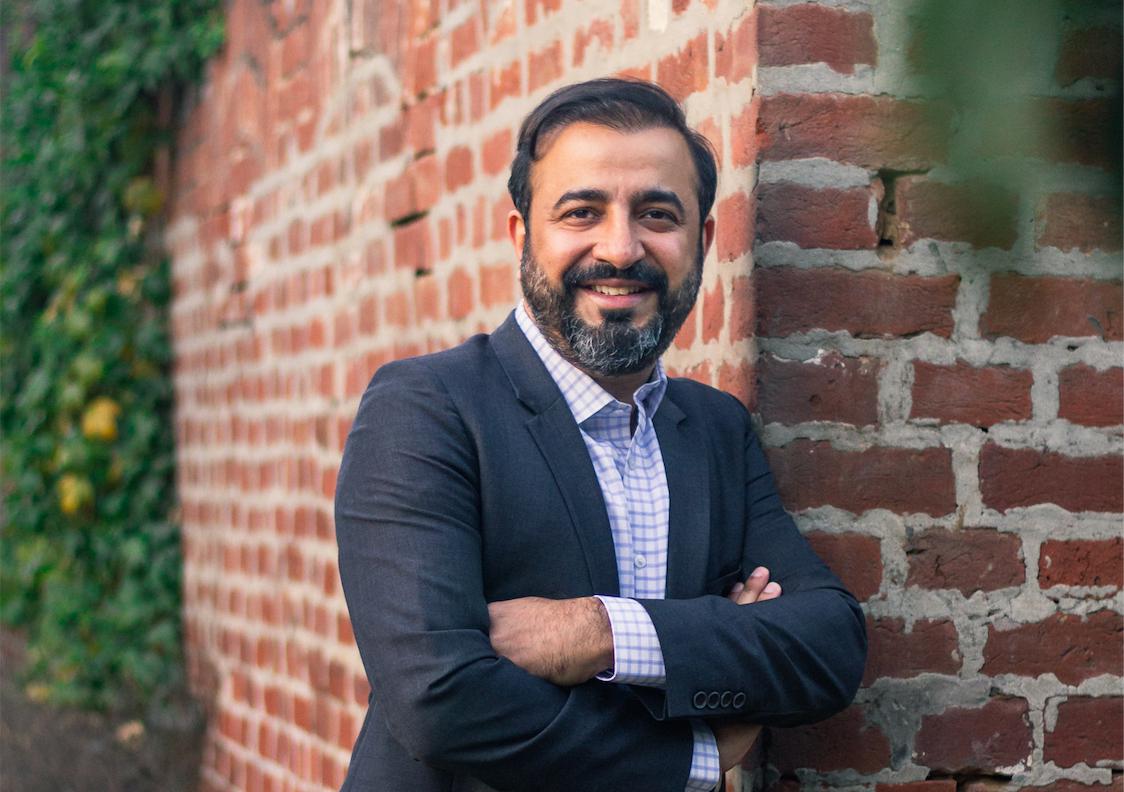
Milan Vaishnav
Director and Senior Fellow, South Asia Program
Milan Vaishnav

Featuring

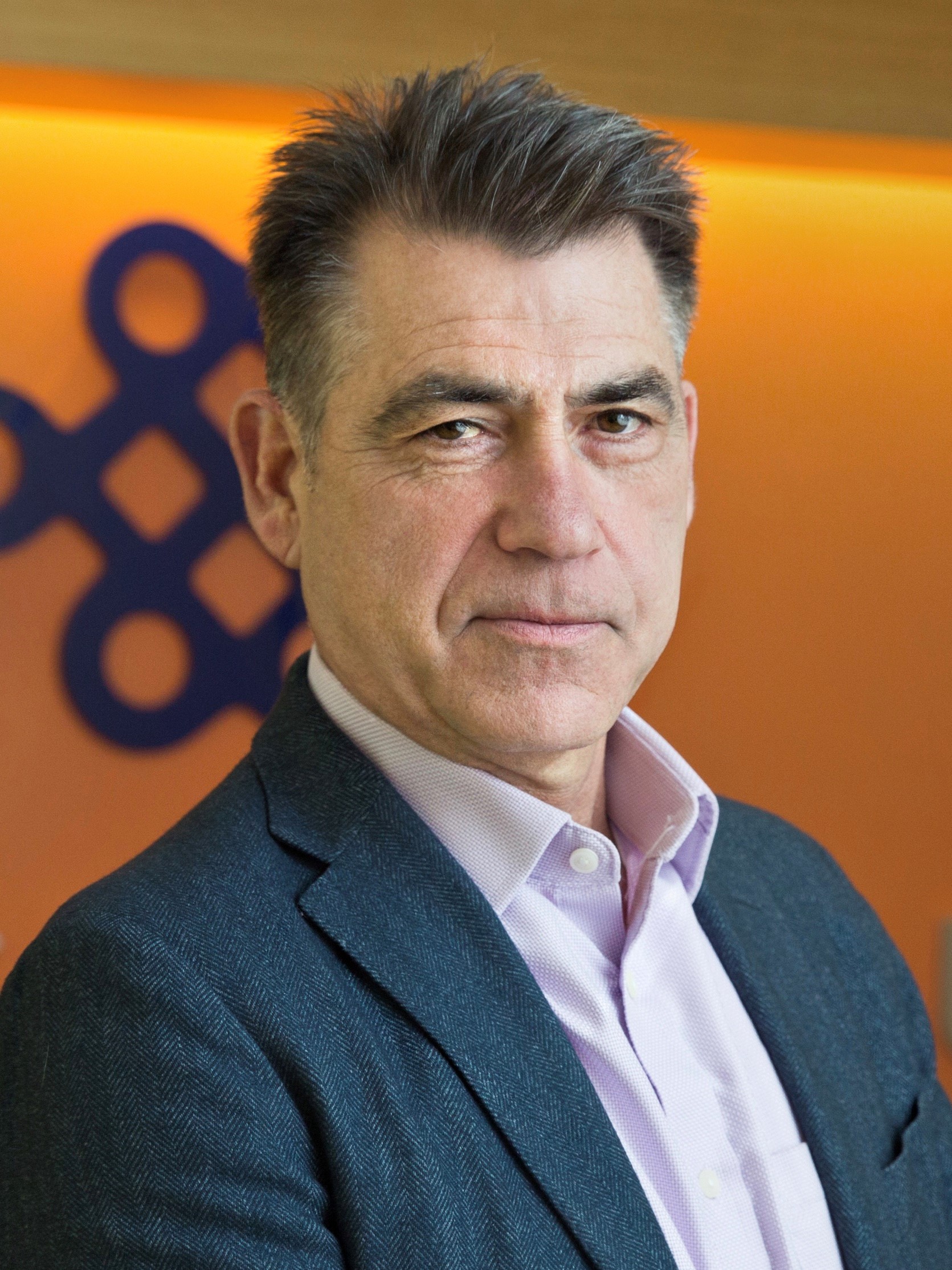
Ashley J. Tellis
Former Senior Fellow

Carnegie does not take institutional positions on public policy issues; the views represented herein are those of the author(s) and do not necessarily reflect the views of Carnegie, its staff, or its trustees.

More Work from Grand Tamasha

  • Podcast Episode
    India’s AI Moment?

    Just weeks ago, India hosted the 2026 AI Impact Summit, the latest chapter in a global process that began in 2023 in the UK. For the Modi government, the summit was part diplomatic showcase, part investment pitch, and part declaration of ambition. To talk more about the summit and its key takeaways, Milan is joined on the show this week by Anirudh Suri, a nonresident scholar with Carnegie India.

      Milan Vaishnav, Anirudh Suri

  • Podcast Episode
    Populism and the Politics of India’s Foreign Policy

    We tend to think of populist leaders around the world as disruptive. But a new book by scholars Sandra Destradi and Johannes Plagemann argues that the extent of change depends on key factors. Milan and Sandra discuss the definitional debates around populism, the conditional effects of populism on foreign policy, and the reasons for the Modi government’s differential approach to Pakistan and China.

      Milan Vaishnav, Sandra Destradi

  • Podcast Episode
    Europe’s Discovery of India

    Over the past year, Europe–India relations have entered a markedly upbeat phase. What was once a diffuse partnership now looks far more purposeful. To unpack what’s driving this convergence Milan is joined on the show this week by German Marshall Fund senior fellow Garima Mohan to discuss the geopolitical drivers that are bringing the EU and India closer together, Europe’s views on the limits to India’s potential, and the key takeaways from the EU-India FTA.

      Milan Vaishnav, Garima Mohan

  • Podcast Episode
    India’s Return to the Trade Game

    After years of trade skepticism, India appears to be back in the deal-making business—signing new agreements, reviving stalled talks, and announcing ambitious frameworks with key bilateral partners. To help make sense of what’s changed—and what hasn’t—Milan is joined by Mark Linscott, a nonresident senior fellow on India at the Atlantic Council who previously served as the assistant US trade representative for South and Central Asian Affairs from 2016 to 2018.

      • Mark Linscott

      Milan Vaishnav, Mark Linscott

  • Podcast Episode
    How India Lost the Neighborhood

    Over the past few years, South Asia has witnessed a striking wave of mass protests toppling governments and upending long-standing political arrangements in countries ranging from Bangladesh to Nepal and Sri Lanka. University of Pennsylvania Fellow Muhib Rahman joins Milan to discuss India’s illiberal hegemony in its neighborhood, the downturn in Bangladesh-India ties, and the enabling role of the United States.

      Milan Vaishnav, Muhib Rahman

Get more news and analysis from
Carnegie Endowment for International Peace
Carnegie global logo, stacked
1779 Massachusetts Avenue NWWashington, DC, 20036-2103Phone: 202 483 7600Fax: 202 483 1840
  • Research
  • Emissary
  • About
  • Experts
  • Donate
  • Programs
  • Events
  • Blogs
  • Podcasts
  • Contact
  • Annual Reports
  • Careers
  • Privacy
  • For Media
  • Government Resources
Get more news and analysis from
Carnegie Endowment for International Peace
© 2026 Carnegie Endowment for International Peace. All rights reserved.