• Research
  • Emissary
  • About
  • Experts
Carnegie Global logoCarnegie lettermark logo
Democracy
  • Donate
Podcast Episode

H-1Bs, India, and the Global Talent Wars

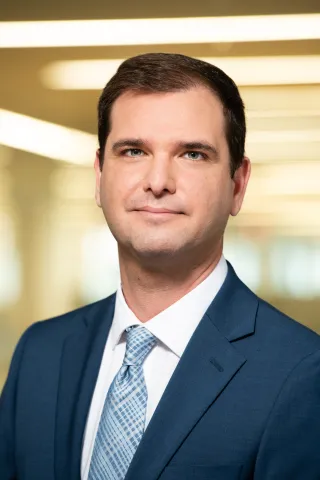
Britta Glennon, an assistant professor of management at the Wharton School, joins Milan to discuss the Trump administration's announcement of a $100,000 fee on new H-1B visas and its impact on India.

Link Copied
By Milan Vaishnav and Britta Glennon
Published on Oct 7, 2025

Subscribe on

Apple PodcastsOvercastSpotifyYoutube

Invalid video URL

Earlier this month, the Trump administration announced a stunning $100,000 fee on new H-1B visas—the main channel through which U.S. employers hire foreign professionals in technology, engineering, and research.

The move has sent shockwaves through America’s innovation ecosystem, prompting fears that companies will either look abroad—or scale back their ambitions at home.

Few countries will be as impacted by this change as India, whose citizens account for nearly three-quarters of annual H-1B visa petitions. So, what happens when the world’s largest economy makes it harder for global talent to come in?

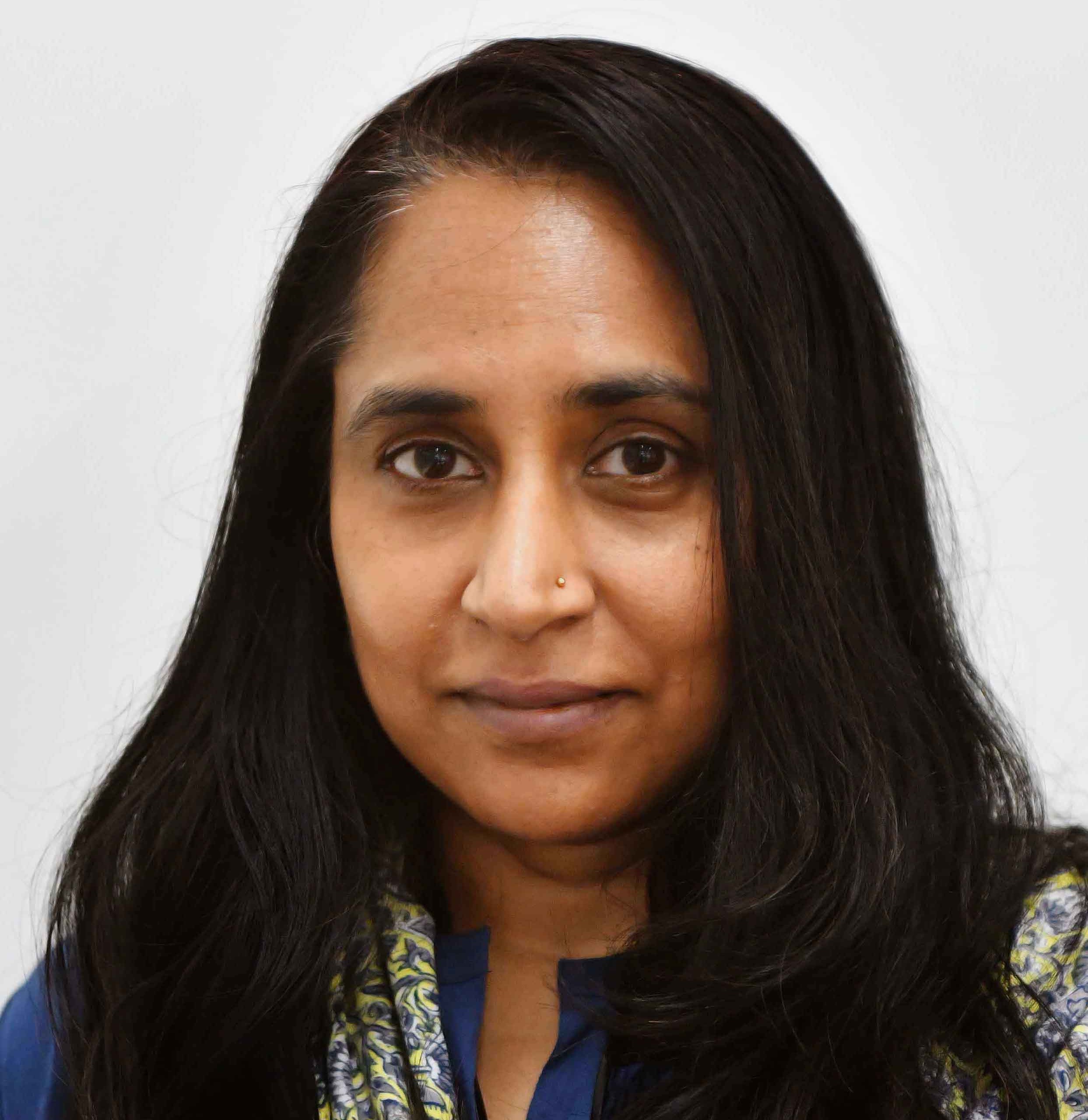
To answer this question, Milan is joined on the show this by Britta Glennon. Britta is an assistant professor of management at the Wharton School of the University of Pennsylvania and a faculty research fellow at the National Bureau of Economic Research. Her research focuses on immigration and cross-border innovation. Much of her work dispels long-held myths about immigrants and how they influence the U.S. economy.

Milan and Britta discuss the pluses and minuses of America’s “demand-driven” skilled immigration system, the impact on Indians of the Trump administration’s massive new fee on H-1B visas, and how the availability of skilled worker visas impact offshoring decisions. Plus, the two discuss how America’s competitors are poaching U.S. talent, the complex connection between immigration and innovation, and the economic costs of the green card backlog.

Episode notes:

1. Britta Glennon, “Skilled Immigrants, Firms, and the Global Geography of Innovation,” Journal of Economic Perspectives 38, no. 1 (Winter 2024): 3-26.

2. Britta Glennon, “How Do Restrictions on High-Skilled Immigration Affect Offshoring? Evidence from the H-1B Program​,” Management Science 70, no. 2 (February 2024): 907-930.

3. Saerom (Ronnie) Lee and Britta Glennon, “The Effect of Immigration Policy on Founding Location Choice: Evidence from Canada’s Start-up Visa Program,” NBER Working Paper 31634 (August 2023).

4. Robert Flynn, Britta Glennon, Raviv Murciano-Goroff, and Jiusi Xiao, “Building a Wall Around Science: The Effect of U.S.-China Tensions on International Scientific Research,” NBER Working Paper 32622 (May 2025).

5. Vox, “$100,000 for a visa,” Today, Explained (podcast), September 25, 2025.

Hosted by

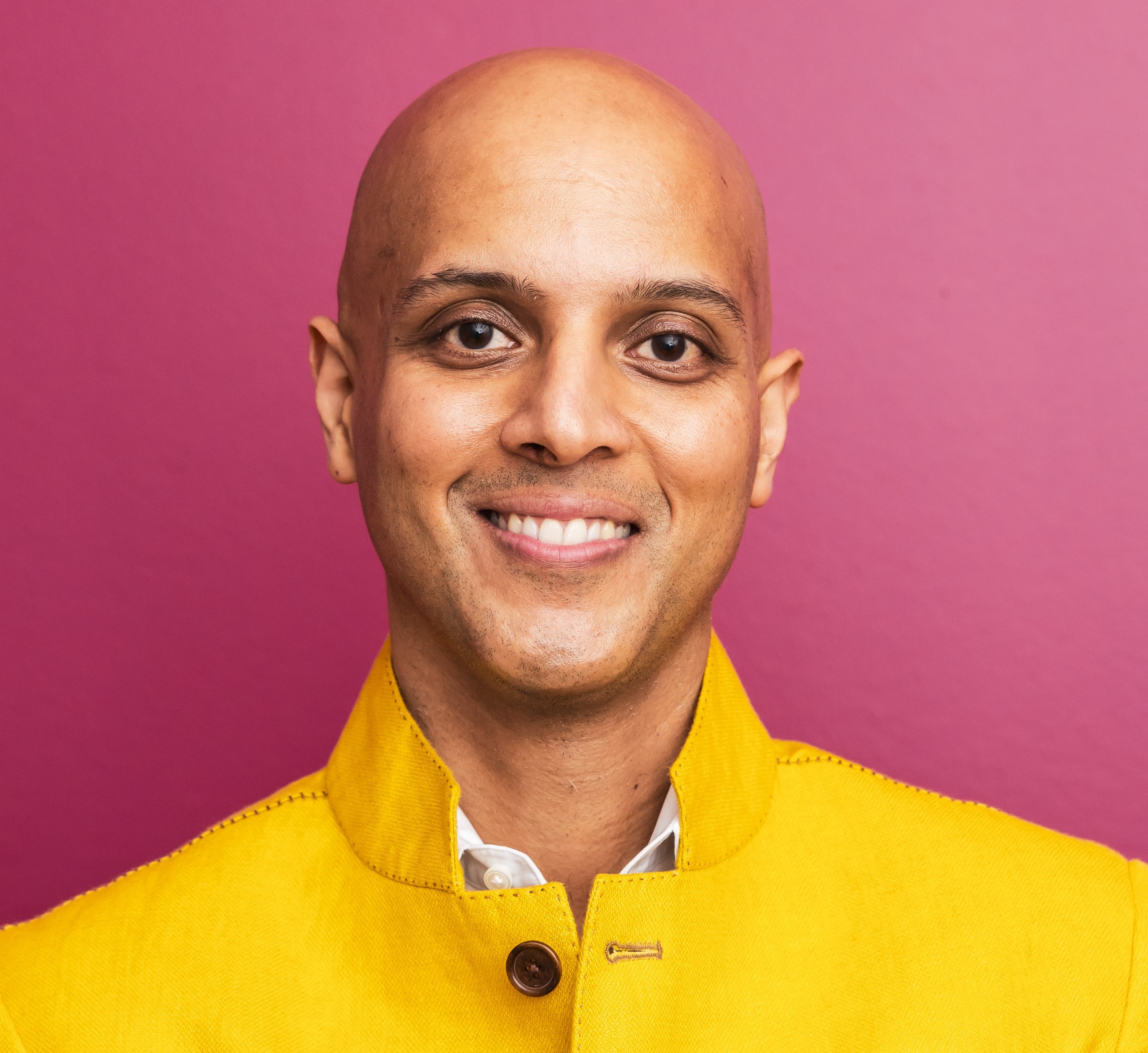
Milan Vaishnav
Director and Senior Fellow, South Asia Program
Milan Vaishnav

Featuring

Britta Glennon
Britta Glennon

Carnegie does not take institutional positions on public policy issues; the views represented herein are those of the author(s) and do not necessarily reflect the views of Carnegie, its staff, or its trustees.

More Work from Grand Tamasha

  • Podcast Episode
    India’s Return to the Trade Game

    After years of trade skepticism, India appears to be back in the deal-making business—signing new agreements, reviving stalled talks, and announcing ambitious frameworks with key bilateral partners. To help make sense of what’s changed—and what hasn’t—Milan is joined by Mark Linscott, a nonresident senior fellow on India at the Atlantic Council who previously served as the assistant US trade representative for South and Central Asian Affairs from 2016 to 2018.

      • Mark Linscott

      Milan Vaishnav, Mark Linscott

  • Podcast Episode
    How India Lost the Neighborhood

    Over the past few years, South Asia has witnessed a striking wave of mass protests toppling governments and upending long-standing political arrangements in countries ranging from Bangladesh to Nepal and Sri Lanka. University of Pennsylvania Fellow Muhib Rahman joins Milan to discuss India’s illiberal hegemony in its neighborhood, the downturn in Bangladesh-India ties, and the enabling role of the United States.

      Milan Vaishnav, Muhib Rahman

  • Podcast Episode
    Can the U.S. Salvage Its Relationship with India?

    U.S.-India relations were once described as one of Washington’s MOST important strategic bets in the twenty-first century. But over the past year, that partnership has come under serious strain—buffeted by trade disputes, sharp rhetoric, and deep disagreements over Pakistan and Kashmir. Lisa Curtis joins Milan for a conversation on India’s relationship with the U.S.

      Milan Vaishnav, Lisa Curtis

  • Podcast Episode
    The State of Indian Politics in 2026

    Milan and Sunetra discuss the prevailing political winds in Delhi, the BJP’s surprising new president, and the long shadow of the 2025 Bihar assembly elections. Plus, the two discuss the upcoming state elections, the inner turmoil within the Congress Party, and the ECI’s controversial “special intensive review.”

      • Sunetra Choudhury

      Milan Vaishnav, Sunetra Choudhury

  • Podcast Episode
    Grand Tamasha’s Best Books of 2025

    To mark the end of 2025 and Grand Tamasha's 14th season, Milan reflects on some of hist most impactful conversations with authors and researchers this year, and their books.

      Milan Vaishnav

Get more news and analysis from
Carnegie Endowment for International Peace
Carnegie global logo, stacked
1779 Massachusetts Avenue NWWashington, DC, 20036-2103Phone: 202 483 7600Fax: 202 483 1840
  • Research
  • Emissary
  • About
  • Experts
  • Donate
  • Programs
  • Events
  • Blogs
  • Podcasts
  • Contact
  • Annual Reports
  • Careers
  • Privacy
  • For Media
  • Government Resources
Get more news and analysis from
Carnegie Endowment for International Peace
© 2026 Carnegie Endowment for International Peace. All rights reserved.