• Research
  • Emissary
  • About
  • Experts
Carnegie Global logoCarnegie lettermark logo
DemocracyIran
  • Donate
Podcast Episode

The Future of India's Fiscal Federalism

Economist Arvind Subramanian joins Milan Vaishnav for a candid conversation on the looming crisis facing Indian federalism and potential solutions.

Link Copied
By Milan Vaishnav and Arvind Subramanian
Published on Oct 15, 2024

Subscribe on

Apple PodcastsOvercastSpotifyYoutube

Indian federalism is encountering some of its biggest challenges since the early years of the republic. Relations between the union government in Delhi and the states are rocky, to put it mildly.

India’s better-off states are growing increasingly agitated about a system of fiscal federalism in which richer states end up subsidizing poorer, more backward ones.

The new Goods and Services Tax (GST) has attracted fresh criticism because its benefits have not been shared equally by all states.

And the coming fight over how parliamentary seats will be allocated across states has only added fuel to the fire.

To discuss the brewing crisis in Indian federalism, Milan is joined today on the show this week by the economist Arvind Subramanian. Arvind is a senior fellow at the Peterson Institute for International Economics. He also served as the chief economic advisor to the government of India between 2014 and 2018. He recently co-authored a new essay in Economic and Political Weekly, “GST Revenue Performance: Gainers and Losers after Seven Years.”

Milan and Arvind discuss the foundations of the GST, its implications for India’s federal design, and its revenue implications. Plus, the two discuss growing resentment among India’s prosperous states over fiscal transfers, questions about political representation, and the prospects of a new grand federal bargain.

Episode notes:

1. Varun Agarwal et al., “GST Revenue Performance: Gainers and Losers after Seven Years,” Economic and Political Weekly 59, no. 37 (September 14, 2024): 35-49.

2. Varun Agarwal et al., “GST revenues: The fate of the compensation cess amid Centre-state row,” Business Standard, July 3, 2024.

3. Varun Agarwal et al., “GST's revenue performance: Centre's sacrifice for cooperative federalism,” Business Standard, July 3, 2024.

4. Josh Felman and Arvind Subramanian, “Is India Really the Next China?” Foreign Policy, April 8, 2024.

5. Arvind Subramanian et al., “Understanding GST revenue performance,” Business Standard, January 1, 2024.

6. Arvind Subramanian and Josh Felman, “Why India Can’t Replace China,” Foreign Affairs, December 9, 2022.

Hosted by

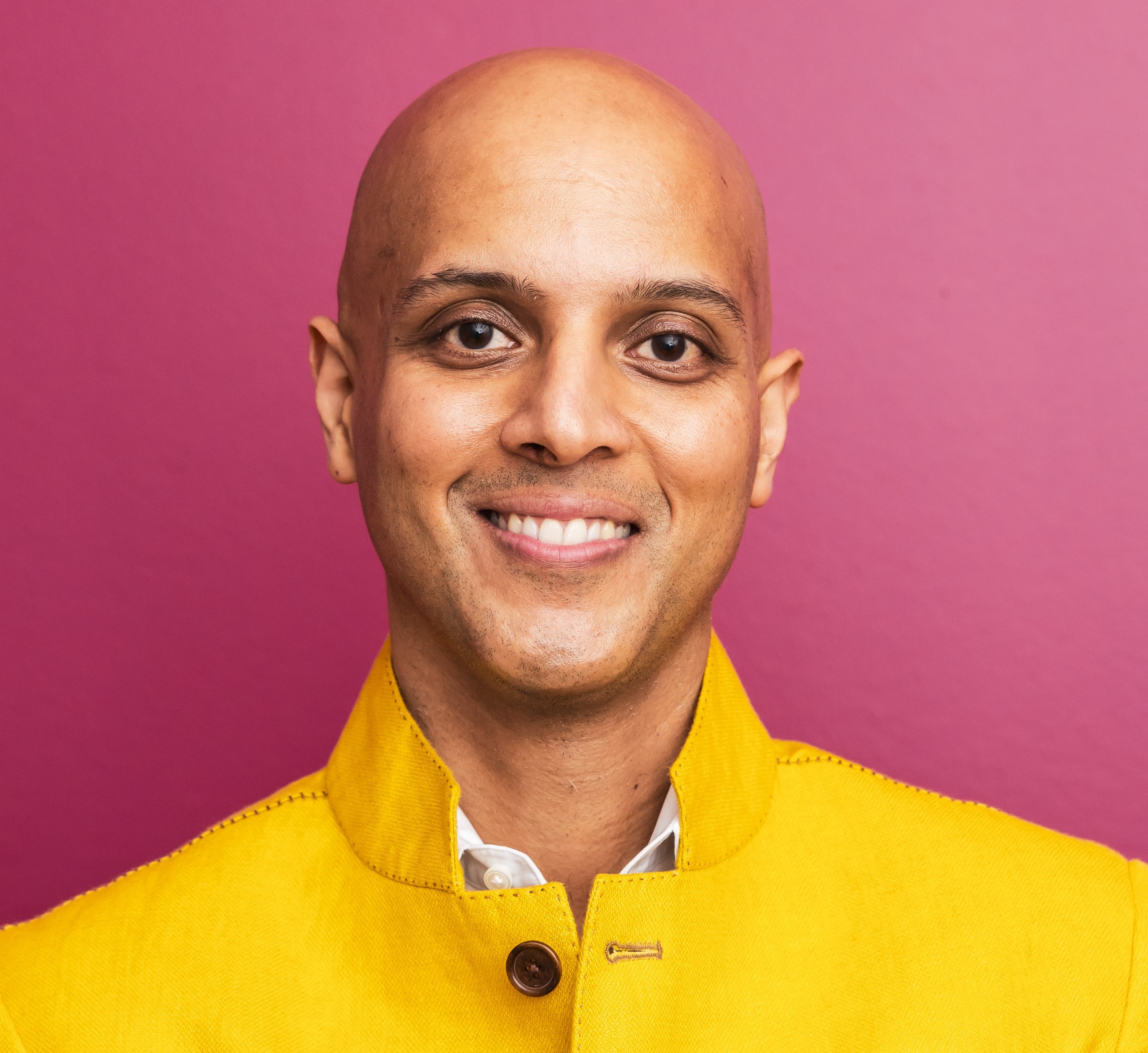
Milan Vaishnav
Director and Senior Fellow, South Asia Program
Milan Vaishnav

Featuring

Arvind Subramanian
Arvind Subramanian

Carnegie does not take institutional positions on public policy issues; the views represented herein are those of the author(s) and do not necessarily reflect the views of Carnegie, its staff, or its trustees.

More Work from Grand Tamasha

  • Podcast Episode
    Rethinking India’s Growth Story

    This week, Milan Vaishnav and Abhishek Anand discuss the controversy over India’s GDP estimates, important reforms within India’s statistics ministry, and the debate over the Reserve Bank of India’s policies to defend the rupee. Plus, the two discuss Abhishek’s work on power sector reform and the embrace of non-tariff barriers that stymie the spirit of India’s new bilateral trade agreements.

      Milan Vaishnav, Abhishek Anand

  • Podcast Episode
    Can India Keep Its Balance in West Asia?

    Milan and Kabir Taneja discuss India’s emerging political and strategic relationships in the Gulf, the risks the country faces from the Iran conflict, and the potential for India to play a larger regional security role in the Middle East.

      Milan Vaishnav, Kabir Taneja

  • Podcast Episode
    Flash Episode: India's 2026 Elections Explained

    Milan, Yamini Aiyar, and Neelanjan Sircar recorded a special elections episode. They discussed the BJP’s historic win in West Bengal, the demise of the Trinamool Congress of Mamata Banerjee, and the Election Commission of India’s controversial revision of the electoral rolls.

      Milan Vaishnav, Neelanjan Sircar, Yamini Aiyar

  • Podcast Episode
    India’s Delimitation Dilemma

    Milan Vaishnav sits down with Shruti Rajagopalan of the Mercatus Center at George Mason University for a wide-ranging webinar on delimitation, representation, and the reshaping of Indian democracy.

      Milan Vaishnav, Shruti Rajagopalan

  • Podcast Episode
    India’s Youth Boom Meets a Jobs Bust

    Rosa Abraham joins Milan for a conversation about the new report State of Working India 2026. They discuss the state of India’s mythical “demographic dividend,” the quality and quantity of higher education, and India’s stalled structural transformation. Plus, the two discuss the high unemployment rate for college graduates, trends in internal migration, and the loosening of caste-based occupational segregation.

      Milan Vaishnav, Rosa Abraham

Get more news and analysis from
Carnegie Endowment for International Peace
Carnegie global logo, stacked
1779 Massachusetts Avenue NWWashington, DC, 20036-2103Phone: 202 483 7600
  • Research
  • Emissary
  • About
  • Experts
  • Donate
  • Programs
  • Events
  • Blogs
  • Podcasts
  • Contact
  • Annual Reports
  • Careers
  • Privacy
  • For Media
  • Government Resources
Get more news and analysis from
Carnegie Endowment for International Peace
© 2026 Carnegie Endowment for International Peace. All rights reserved.