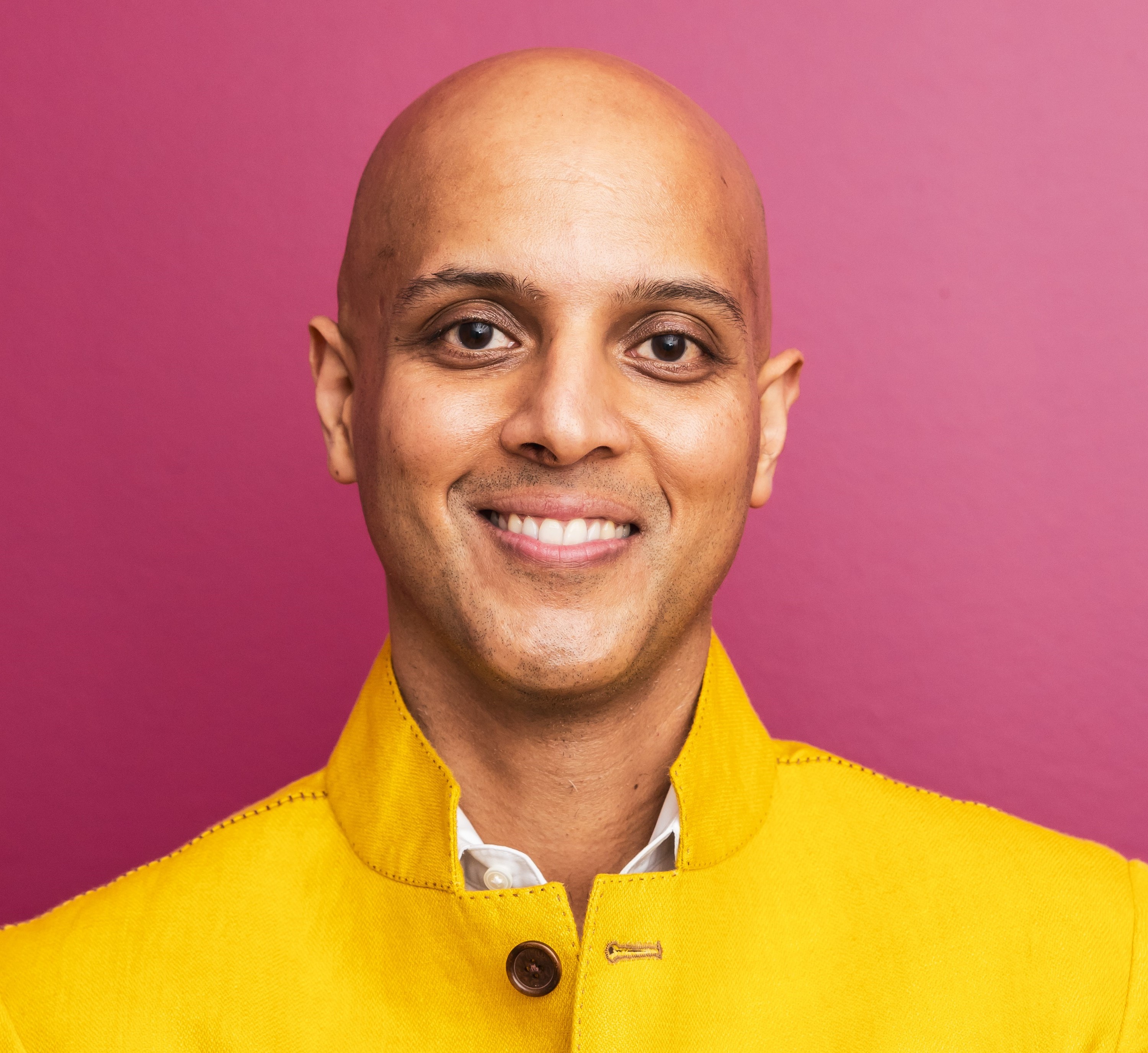
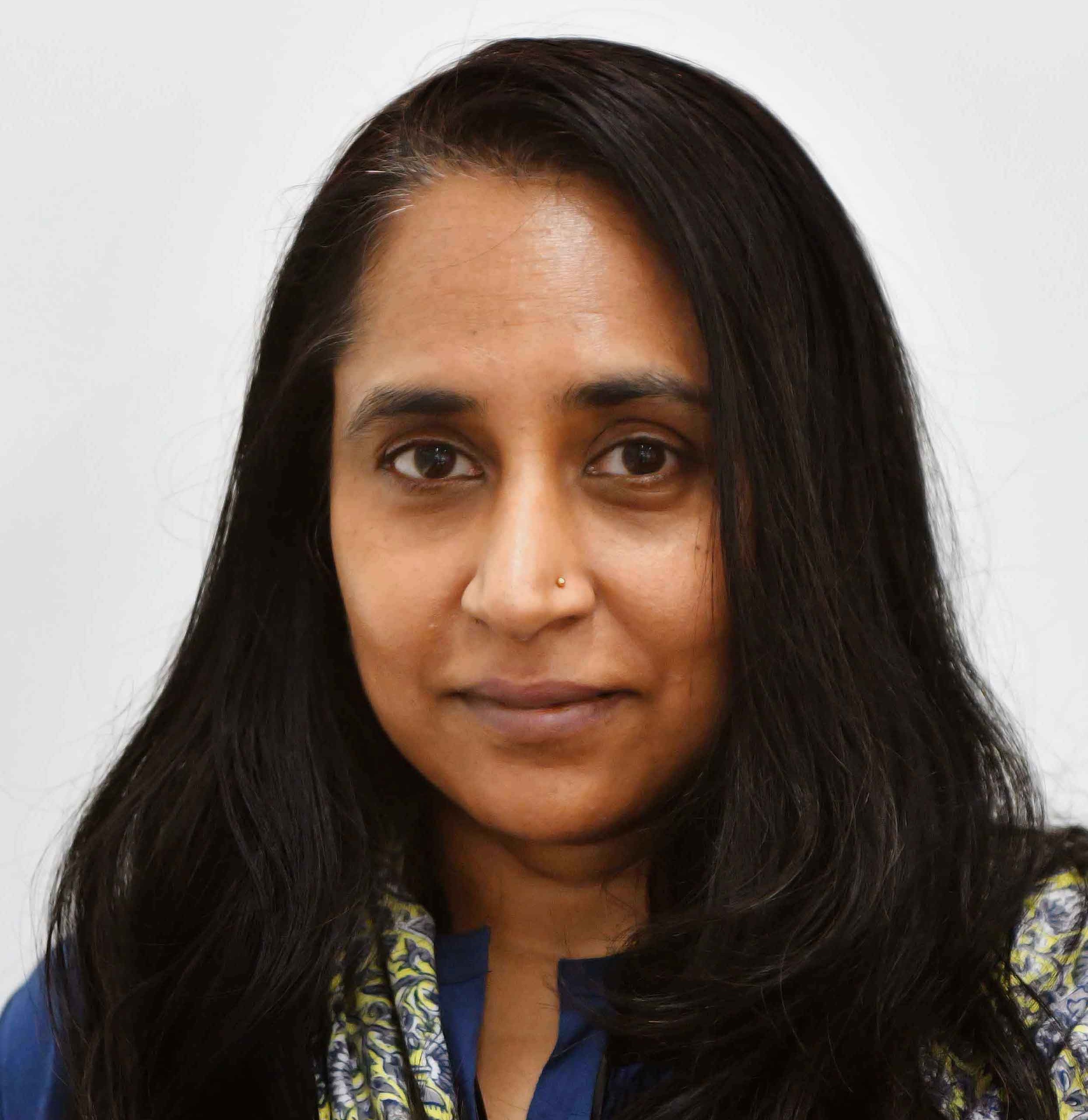
U.S. Secretary of State Marco Rubio’s recent visit to India comes at a moment of uncertainty about the future of U.S.-India bilateral ties—and the wider international order. As New Delhi carefully navigates ties with Washington, Beijing, and Moscow, how can it preserve its freedom of action while advancing its interests? And does India have the capabilities to match its global ambitions?
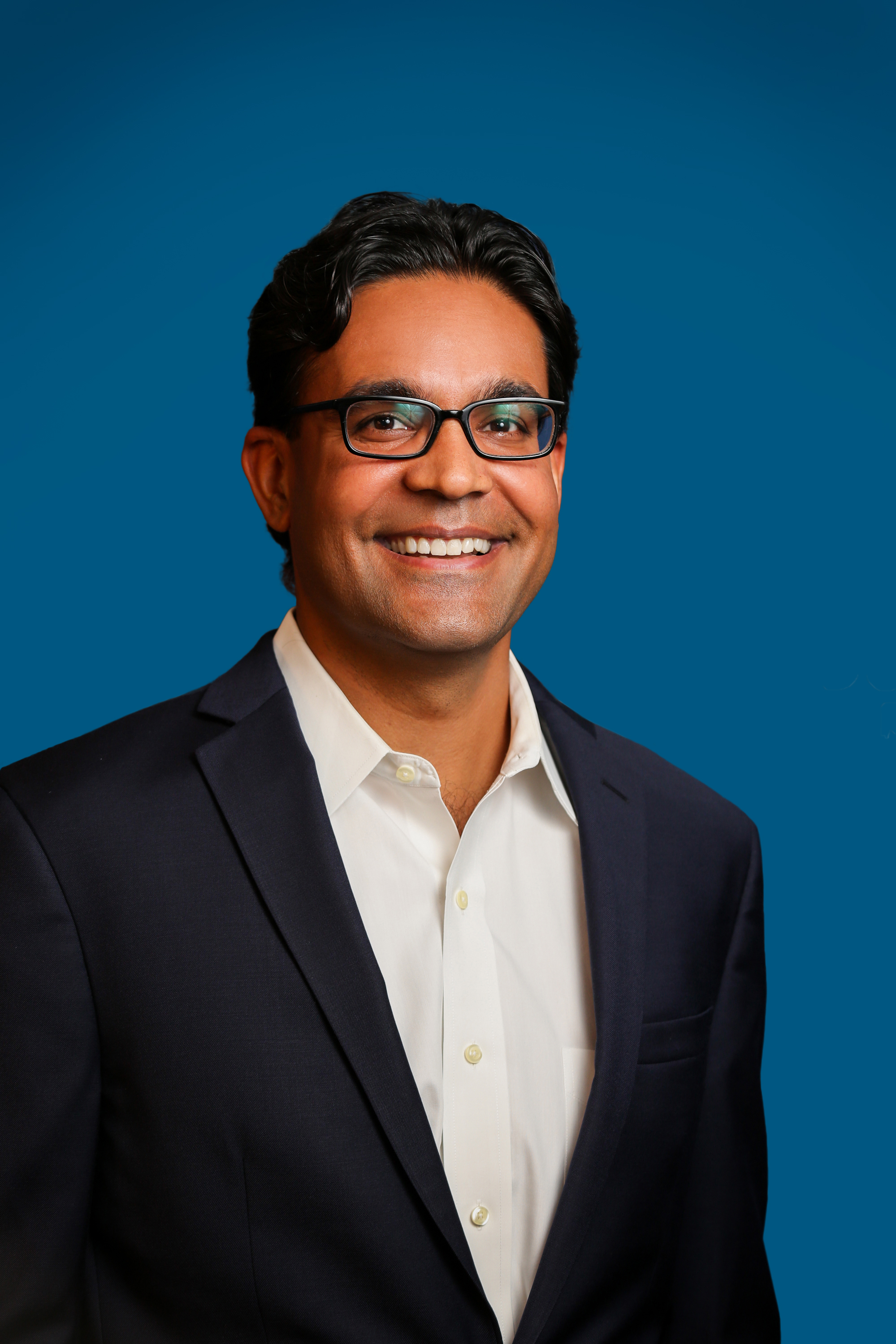
To discuss these questions and much more, Milan is joined on the show this week by Ambassador Pankaj Saran. Ambassador Saran is a former diplomat with forty years of experience in foreign, strategic, and national security affairs.
From 2018 to 2021, he served as the Deputy National Security Adviser for Strategic Affairs under Prime Minister Narendra Modi dealing with regional and global strategy formulation, including maritime security and Arctic affairs, neighborhood policy, and technology and economic security. He has also served as India’s Ambassador to Russia and India’s High Commissioner to Bangladesh, and as Head of the Northern Division in the Ministry of External Affairs dealing with Nepal and Bhutan.
Ambassador Saran is presently Convenor of NatStrat, a Delhi-based independent centre for research on strategic and security issues.
Milan speaks with Ambassador Saran about the significance of Rubio’s visit, the structural shifts in America’s strategic orientation, and the limits and opportunities in China-India ties. Plus, the two discuss Russia-India ties, the significance of the BRICS, and the lasting impacts of Operation Sindoor.
Episode notes:
- Pankaj Saran, “Not a bloc, not anti-West: What India's BRICS hosting really signals,” Economic Times, September 11, 2026.
- Pankaj Saran, “From Indonesia to Australia to New Zealand, PM Modi charts India's Indo-Pacific arc,”Economic Times, July 7, 2026.
- Pankaj Saran, “Why India can play a bigger role as the G7 evolves,” Hindustan Times, June 12, 2026.
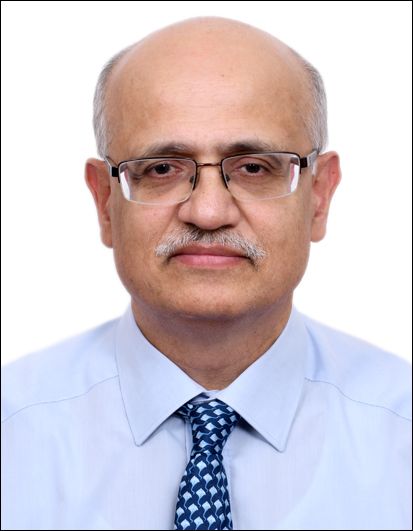
- “India and China’s Uneasy Coexistence (with Vijay Gokhale),” Grand Tamasha, October 21, 2026.
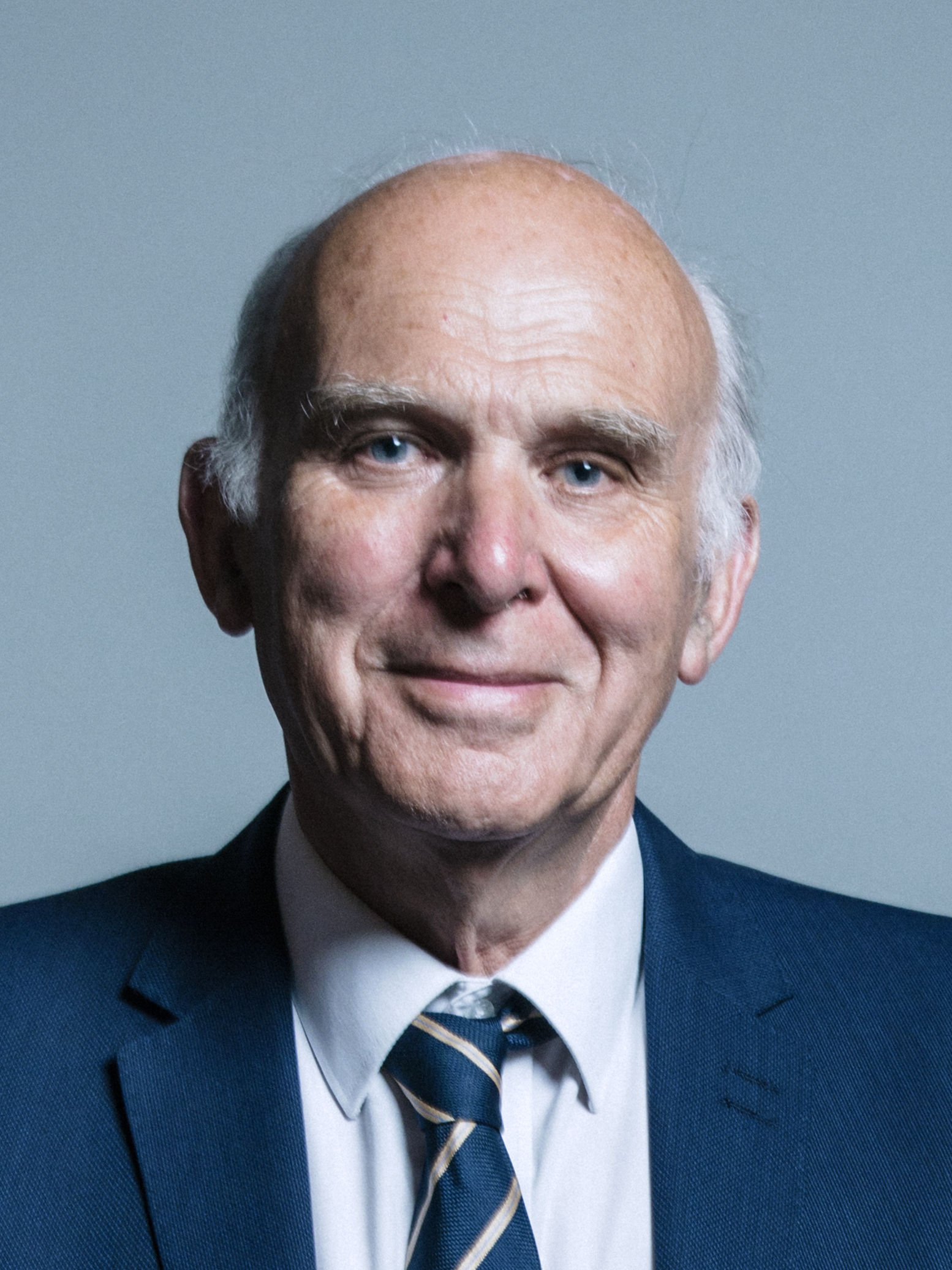
- “China, India, and the New Global Order (with Vince Cable),” Grand Tamasha, October 14, 2026.
Transcript
Note: this is an AI-generated transcript and may contain errors
Milan Vaishnav Welcome to Grand Tamasha, a co-production of the Carnegie Endowment for International Peace and the Hindustan Times. I'm your host, Milan Vaishnav. U.S. Secretary of State Marco Rubio's recent visit to India comes at a moment of uncertainty about the future of U.S.-India bilateral ties and the wider international order. As New Delhi carefully navigates ties with Washington, Beijing, and Moscow, how can it preserve its freedom of action while advancing its interests, and does India have the capabilities to match its global ambitions? To discuss these questions and much more, I'm joined on the show this week by Ambassador Pankaj Saran. Ambassador Saran is a former diplomat with 40 years of experience in foreign strategic and national security affairs. From 2018 to 2021, he served as the Deputy National Security Advisor for Strategic Affairs under Prime Minister Narendra Modi, dealing with regional and global strategy formulation, including maritime security and Arctic affairs, neighborhood policy and technology and economic security. He's also served as India's ambassador to Russia and India's high commissioner to Bangladesh. As head of the Northern Division in the Ministry of External Affairs, dealing with Nepal and Bhutan. Ambassador Sarin is presently convener of NatStrat, a Delhi-based independent center for research on strategic and security issues. He's a member of the National Security Advisory Board and a distinguished fellow of the National Maritime Foundation. I'm pleased to welcome him to the show for the very first time. Ambassador Saran, thanks so much for joining us.
Amb. Pankaj Saran Thank you, Milan. It's a great pleasure to be on your show. It's a very well-known show in India. Thank you very much.
Milan Vaishnav Well, that's very kind of you to say. We're very excited that we could take advantage of your recent visit to the Carnegie office in Washington to join us. Let me start, I think, with this week's news, which is the visit of U.S. Secretary of State Marco Rubio to India. He made stops in Jamnagar and Gujarat, also in Mumbai. In Mumbai, he held talks with the External Affairs Minister Jaishankar. I want to ask you just …we're still, I think, waiting to understand some of the fine print that may have emerged, but what do you say about the significance of this visit and what do you think some of key takeaways are in your view?
Amb. Pankaj Saran Yeah, thanks Milan. I think it's a very interesting move by Rubio to come back to India the second time this year, especially as in the first time, this time around also, it was preceded by a lot of chatter and let's say points of friction in the India-U.S. relationship. So once again, he has come and kind of spoken and said all the right things about the relationship. I think this time he has been more forthcoming about his commitment to the relationship, or rather the American commitment to relationship than he was a few months ago in India. And I think it's helped a lot to kind of address some of the concerns in India, so it's been a good balm to soothe raw nerves in India. Not much has been put out of the actual discussions, which is also interesting. But whatever optics we can see, I think they are for the good. Now, the Jamnagar and the oil aspect is again very interesting. It's a very unusual move to actually just go to Mumbai and Jamnagar, and in a sense, he's actually put Reliance and Ambani and Jamnagar on the global stage, which is perhaps befitting of its stature as the largest refinery in the world, and that's good for the market sentiment. So obviously, energy has been discussed in Venezuela, refining Venezuelan crude. But I would say on the whole, I think a very essential and critical move by Rubio. Now, how much of it is a Rubio initiative and how much is a Trump initiative or an administration initiative? Only time will tell. But I think overall, yes, I think it's been a good move for the relationship.
Milan Vaishnav I want to sort of pick up on this distinction that you made just now, you know, we don't know obviously how much is this kind of Rubio's initiative, how much of it does it reflect a kind of shift in Trump administration policy. At the NDTV Defense Summit, which was held a little while ago, you suggested that the change in America's strategic orientation would outlast this Trump presidency. And I wonder what gives you that confidence that this is a lasting shift and what do you think changes about what India needs to do as a result of this shift?
Amb. Pankaj Saran Yeah, you know, the question which everyone in India has been asking, in fact, all across the world is precisely the one you've asked. It's my judgment that what Trump reflects is more a symptom of the internal changes within American society rather than a symbol of those changes. So in a sense, he has been thrown up because of certain structural, fundamental changes and adjustments going on within American society in terms of expectations of its citizens from their administration. And I mean, going forward from there, what it means and what it implies for American policy overseas is that there seems to be a kind of an irreversible trend within America to pursue a less internationalist approach, a more inward-looking approach, to regroup American power, to kind of cut your losses or to retrench back from an overstretched American global footprint. That's the first thing. And secondly, this is also manifesting itself in the way America is and has been dealing with its friends and partners. And again, this predates Trump. I mean, I remember when I used to serve in Geneva many years ago, we used to have conversations with American diplomats like 20 years ago, you could already see at that time a kind of frustration with the Europeans coming out from American diplomats. Even at that, we were told that they find it much more comfortable to deal with the Asians, quote unquote. So again, this is a structural long term, which Trump has kind of exaggerated. So that's the second, I feel, trend that we are going to continue to see. And the last, I think, is how he deals and how he has been dealing with China and Russia. And so here, you know, the America-China relationship has kind of been shaped by the personality of the president in the past and even today. And here again, I suspect that what has happened, not suspect, but it's quite evident that over the last 10 years or so, the American presidency has come to accept China as a potential competitor for global domination. This is new, and this is going to sustain. So, how America handles this competition is also going to be very important and there will continue to be elements of cooperation and confrontation. So, this is all going to sustain. So, in that sense, I think it… so on the basis of probability and on the bases of judgment, I think it would be more prudent to move on the assumption that we are seeing some things really change fundamentally in American strategy, which we should be ready for. Now what it means for India is critical because we have to see how America deals with its friends and partners and allies on the one hand, and we also have to how America deals with India's adversaries and competitors like China and Pakistan. And so, if on the first point, if there is going to be, let's say you know, the withdrawal from Afghanistan kind of syndrome or putting an end to the Ukraine war kind of an approach then we have to make sure then we cannot really assume [where] that friendship with America is going. We have to ask ourselves how much the America relationship will contribute to India's national security. I mean, so if we have to do more on our own and rely less on America, then that's one takeaway for us. Second takeaway is that if the American administration is going to be driven more by transactionalism, then this rosy-eyed image of the India-U.S. partnership will have to be contained a little bit, and we'll have to also be more hard-nosed about how we go forward in the relationship. Not to speak of the fact that if American strategy expects more from its partners and allies and friends, and India has limitations, then that could lead to bumps in the relationship. And the last point, of course, is on the adversaries, on China, Pakistan. I think, again, if American policy is going to be more, let's say, altruistic, if I can use the word, I'm not sure if it's the right word, towards Pakistan, we have to factor that in, in our own policy to America. And similarly, of course, the whole fundamental question which not just India but the whole world is waiting to see where the answer lies is the U.S.-China. But India is much more directly affected than most other countries because of geography and because of our borders with China. So, I mean question is whether the past assumptions, can we work on those? We've had a fairly good run. Let's say, for the last 25 years in the India-U.S. relationship. I think today India is in a ... I think India today understands America much better than it did when the thaw began with America. I think towards, let's see, the late ‘90s, when we were just finding our way, we were very new to Washington, D.C. I think, today, the touch points are much more. But just as we thought we had been able to wrap America around our heads, the Trump disruption has come upon us. And so again, we need to learn very quickly how do we reposition ourselves. But I would only say that when you look at, let's say, the big strategy in a secular fashion, I think there is a fair degree of consensus today in India that a relationship with the United States is not just desirable or essential, but I think it's vital for India's long-term national security interests. I don't know if that answers your questions.
Milan Vaishnav Yeah, I mean, let me there's a lot to follow up there. So let me just let me start with China, because that came up a couple of times and thinking about this unique moment we're in, which is we saw recently Prime Minister Modi's recent summit with President Xi Jinping, that really put India's engagement with China firmly in the spotlight. And I wonder from your vantage point, how much of this renewed engagement with China reflects an improvement in the overall level of bilateral ties? And how much do you think reflects uncertainty about the United States? That if you're in a world with a very uncertain, perhaps more volatile United States, you want to reorient your strategic posture vis-a-vis China. How do you make sense of what we're seeing? And I think what many people have called the kind of thaw in China-India ties.
Amb. Pankaj Saran You know, it's very interesting you asked me this question. I remember many months ago I was in China, and a senior serving Chinese official asked me the mirror image of this question. He asked me, can you tell me, you know, this rapprochement between us, between India and China or the change in the Indian attitude to China? Is that a concept, do you really believe in it or are you trying to play the Americans? So, so that's where India lies actually, between the United States and China. But on a serious note, I mean... No, look, the attempts by India and China to get back on track predate Trump. So, I would say through ‘23, but mostly ‘24, they had a series of very, very difficult conversations on some of the friction points in the border, which were successful. I think the Indians were successful in holding their position and it led to the summit meeting in Kazan between Modi and Xi Jinping in late ‘24. This was just after Modi had got re-elected for the third time. So, the impulse to bring back some normalcy in the relationship predates the Trump factor. And it's possible that both the Chinese and the Indians had one eye on Washington. It's possibly, I mean, the Chinese were very, very keen, and I know it for a fact, to restart the relationship. I mean they kept saying, look, of course, we didn't agree, but they kept, saying let's park the border issue aside and move forward. And then building forward, I think people do realize in India that living in a state of permanent hostility with China is an expensive proposition. It is the biggest challenge for Indian foreign policy. So, there is a certain systemic, structural, foundational cause, reason. To keep on trying, to maintain and to build the relationship with China. So that answers the first part of the question. Is it tactical or is it long-term or strategic? I think to describe it as just being a tactical would be probably an exaggeration. But that doesn't mean to say that we don't have issues with China, clearly, huge issues with China. Yeah, I mean, for sure. Look, even President Biden held summit meetings with Xi Jinping every single year of his presidency. Trump is doing that, but much more. I mean he has carried that to another level altogether with China. So, India is watching what's going on in the U.S.-China relationship. When you talked about the Rubio visit to India, he was asked this question, and he was very frank about the U.S.-China relationship and how they see the relationship with China. So, if we are moving into a world in which the America-China is going to move on the spectrum, it's going to kind of maybe move a little bit away from confrontation towards management towards some degree of stability, then it impacts everyone. And we have seen, in fact, that even on the Quad and so on, under Trump, there's definitely been a bit of a slowdown. So, it's a mix of both. But at the end of the day, the China relationship and the China thing is… So we've tried it in the past, I mean in 1988, Rajiv Gandhi went, there was a certain compact between India and China, which broke. But then we picked up the pieces again. And again, this time we are trying and let's see. But the difference this time is that it's a kind of a dual track approach where you are moving forward with China in areas which you think you can. But also, you are at the same time hardening your security systems, and everything else that you need to do to secure your borders to the extent that your resources permit. I mean, we understand there is asymmetry, there's no secret, it's so obvious, no one's hiding it in India. But it doesn't mean that if there is an asymmetry that you're helpless. You still have some resources.
[…]
Milan Vaishnav Yeah, I mean, I think, you know, when you think about the U.S.-China relationship and the effort that Trump is going is putting into it to try and find some kind of arrangement or accommodation, whatever you want to call it. There's also been attempts vis-a-vis Russia as well. I think we just saw the president's special envoy, Steve Witkoff, was in Moscow for talks with Vladimir Putin and, and his regime. You served as India's ambassador to Russia from 2016 to 2018. Obviously, Russia has been at times a friction point between the United States and India. And I think, you know, if you were addressing an American audience today and somebody said, look, we understand the familiar language of historical friendship and the friendship during the Cold War and so on. But thinking about the year 2026, what does Russia provide India today that other partners cannot?
Amb. Pankaj Saran Yeah, you know, again. You know, your show is rightly called the grand tamasha. And I, you must have obviously seen something which no one else did, because I think that's what we are living through today. The world is a grand tamasha and it couldn't have been a more appropriate title to describe the kind of world we live in. But, you know, if you frame the proposition the way you do, then you actually land up with some fairly, if I may say, unreal scenarios. Because if the question is, what does Russia give us today, which no one else can, then, and imagine if you were to pose a similar question when it comes to, if it related to China, then I would say that there is so much that China can give us, that other partners cannot give us. So does the policy implication then mean that I should actually spend more time building up my relationship with China than with Russia. And clearly that is an impossibility because today China controls almost everything we need for economic progress and growth, not just we as in India, but we as the world. So, it's not as if your bread-and-butter issues are the only determinant of a partnership. I think, what, Russia has given us or is giving us is, let's say, stability in the relationship, predictability. Stability is a big factor in the grand tamasha that we live in. Predictability, I mean, considering given all that we are living through on a day-to-day basis from one year to another is a great asset. And not to speak of Russia's own natural endowments, which are there. And again, as we speak, and you spoke of the Steve Witkoff initiative, and I have always been maintaining it for the last many, many months. It's a matter of time before we get to see some huge, big deals, energy deals between United States and Russia. China has already succeeded very handsomely in marshaling Russia's natural resources, whether it's energy or oil or anything else. So, we have to keep that in mind. I mean, Russia is going to continue to, so apart from the stability, predictability factor, the fact that there is, at the end of the day, there is no political, territorial, bilateral dispute between India and Russia is something which in today's day and age is a valuable asset, at least for India. And then for the future growth and India's growth strategy in the coming decades, Russia can play and is likely to play unless we really blow it at a very important part of this growth strategy. So, it's not just like a, you know, a sentimental, emotional factor which dictates or which has dictated, it may have been in the past, but the Russians have also changed. I mean, it's not the Soviet Union anymore. I mean the Russia of today is totally different from the Indo-Soviet days of the past and so there are people in Moscow also who think very differently about India. So, I think on the whole... What we would like to see is a situation where India is able to pursue its relationship with Russia in areas which it finds useful, while at the same time developing... Its relationship with the United States and doing something with China, which is well-crafted, is tailored to Indian requirements. So maybe that's perhaps one way of looking at the Russia relationship.
Milan Vaishnav You know, we've spent a lot of time thus far talking about India's great power relationships, but let me ask you about a different kind of relationship, um, which is the BRICS. You had a piece in the Economic Times and we'll link to that, which I thought was very interesting in which you argued that a lot of the Western critics underestimate BRICS and ought to reflect on its staying power. And I just want to quote one line or two lines from that piece, which you wrote the following, “The continuation of BRICS cannot be explained merely by a diplomatic sleight of hand of its founding fathers. Those in the West who view it with suspicion, a threat or scoff at it need to introspect.” What in your view are the Western critics missing about the BRICS grouping?
Amb. Pankaj Saran Well, I would just say... I mean, it's a non-Western world. It's not a platform which brings countries… It is not a religious grouping. It's a geographical grouping. If you look at it at a minimal level, it has a set of countries which are basically non-Western. And, of course, they are systemically important economies. Even at that time when the first summit took place in 2009. So, the West needs to, it's a reminder to the West that there is a whole section of humanity which is not the West, I mean it's as simple as that. And this is a grouping and therefore they feel that there's an identity impulse or a determinant. So, while each one of them has fairly significant relationships with individual Western countries or the Western world, there is something which brings them all together. Now this is despite the differences, let's say, or the disputes between India and China and so on, or among them, or the fact that sometimes their economies are not complementary. But nevertheless, this is the sense that I need an equal place in the world order. I need to be on the table. I need to make my voice heard. And which is why, you know, instead of fraying and falling apart, what we have actually seen is exactly the opposite, where the BRICS is standard. Now, of course, the Chinese kind of led this move to expansion, but you can't simply explain it away by China's diplomatic skills. There was obviously something, they read the room right, and therefore you have a lot of countries who have got onto BRICS. Many of them are very close partners of the United States and Europe. So, all of this reflects the feeling that All is not well with the world order, that we need a voice, we need to say. But different people have different expectations from BRICS within the BRIC family. Maybe the Russians and the Chinese are using BRICs for their own purposes. But it doesn't mean that we agree on everything within BRIC. So, I, so this, you know, the Western perception that the western inclination is to exaggerate the fault lines within bricks. To that I say, you know, it depends who you are. I mean, you can either exaggerate the fault line within BRICS or you can look at it in a more objective way. So, sometimes the western reading of BRICS is ideological, it is simplistic. This is not to say that, so if the BRICS is trying to create a new international financial system or an international geopolitical order. It's not necessary that everyone is agreeable to that project of BRICS and I don't even think that BRICS is capable of doing it. Yes, if in the future the BRICS heads in that direction and we find a situation where we lose control of the base or the direction that BRICS are taking and that China begins to artificially dominate the evolution of BRICS, then that would be a problem. But we are conscious of that possibility and therefore we adopt the kind of positions that we do within BRICS. So, this is where we are, but I think this idea that somehow BRICs is flawed organization, it shouldn't exist. I think is not really justified objectively in objective terms.
Milan Vaishnav Do you think that there's a kind of instrumental logic at play as well, which is that, you know, one reading of the situation is that look, the Indians understand that there are limits to the kinds of cooperation and alternatives that the BRICS can put together in part because of differences between them, grievances between partners like India and China, just to name kind of one pair. But it's very useful given that the Western countries which have tended to dominate the larger, more established international institutions in the United Nations or the World Bank have still been rather reluctant, to put it mildly, to cede more power to the global South, to countries like India and other emerging economic powers. And so having the BRICS out there, as a kind of alternative, as a sort of almost, maybe a threat is the wrong word, but to demonstrate to countries in the West that India has options. I mean, is that part of the logic at play as well?
Amb. Pankaj Saran Maybe. I mean, it could be. You know, I don't think we should read more into bricks than is warranted. But yes, I mean, you know, the strategy of hedging and strategy of keeping your alternatives is an accepted strategy in international politics. And the idea that India can disassociate itself from either the non-Western world or the Global South is an unrealistic idea. I think you will always have to deal with an India which finds itself, which identifies itself with both these sets of countries or of the section of the global humanity. Um, the, uh, But, you know, again, I'm not sure if India at this point is interested in weakening the international financial system as it exists. What India is, I think, talking about is adjustments within the system, not replacing the system. And this process began and was understood by the whole world when the crisis in 2008 broke out, that there was something, there was a problem with the system which actually led to the crisis. And it was at that time, in the first G20 summit, when the question of an IMF reform, the World Bank reform reached the level of the leaders and was put on the table, and the quota reform and everything began from then. Now, this is part and parcel of the overall Indian kind of. View that not just financial institutions but international governance needs to be more equitable and which includes a greater say in international political security affairs, reform of the United Nations, reform of almost all international institutions. And today I think it is so evident that And I think everyone's agreed basically that what you built in 1945 is no longer meets the requirements of today's world.
Milan Vaishnav I want to, I'm conscious of your time, and so maybe I'll just ask you to elaborate on one final subject, which is on Pakistan, which was something that you mentioned earlier in referencing kind of, you know, the changing mood in Washington, which has betrayed a more kind of friendly demeanor towards Pakistan over the past 18 months. You had made some interesting comments earlier in some of your speaking engagements about Operation Sindoor. Saying that it did something which no previous government in the history of India had done Which is essentially to put a new strategic doctrine in place irrespective of Anybody whether anybody outside of India likes it or not and I wonder if you could just briefly tell us You know, how do you think about or how would you define what this new doctrine which has been put into place? How would you to find what this is?
Amb. Pankaj Saran Yeah, thanks. Look, I think on Pakistan, look, I don't think India is interested in initiating any military war or conflict with Pakistan. I don t think that's been the record of the last seven or eight decades. We are not interested in claiming or taking over Pakistani territory. But, yes, the history of the past has shown that when that there is a record of Pakistan and its establishment using non-conventional hybrid strategies to hurt India and terrorism obviously was at the top of this pyramid. So, the Indian political elites and governments over the last three or four decades, we will always face with this dilemma that if you know or if you have suffered an attack sponsored by Pakistan, which is deniable, which has through proxies, which are basically aimed at either hurting Indian key interests or exploiting internal fault lines within India, how do you respond? And various governments over the past adopted the strategy of exercising the diplomatic option that you appeal to the international system, you bring out evidence, you kind of use the moral situation, etc. The BJP, the Modi government won the election. On the platform that that approach was flawed. It had not succeeded. And I think the high point of that failure was what happened in the Mumbai attacks in 2008 in November, when the government of the day at that time chose not to resort to any military action. I think in Balakot in 2019 and again in 2025, the decision was very clear that if there is an attack on Indian soil and if that attack is traced to Pakistan or any other country, then India will resort and will go and take action in self-defense against terrorist infrastructure which is being used to launch such attacks. So that policy is a is a fundamental change in the way India has chosen to respond and I think this is here to stay. It doesn't matter what happens to the state of Pakistan's relations with the United States or with China, these are immaterial as far as the doctrine is concerned. And the good thing about the doctrine is that there is nothing... Let's say opaque about it. It is pretty much an open doctrine and it says it as it is that any terrorist attack which is traced back to Pakistan or any other country for that matter, which is attacking Indian interests, Indian soil, Indian lives, there will be a price to pay. I mean, it's a very interesting and a fundamental shift in the way India wants to address this problem of terrorism. Because, I mean specifically in the case of Pakistan, I mean they They've kind of used this for the last three, four decades, but it has not really worked in a sense because they've not been able to either wrench away Kashmir from India or they have not been to weaken India or hold back India's economic growth. I mean, of course, so they would have wanted all of the above. But they have not succeeded. So I think the doctrine is also a manifestation of a very high degree of frustration in India and saying enough is enough and we're putting it out there. And so, if you, you know... That's not the path we're going to follow anymore and hopefully the Pakistanis will have heard what is being said and coming out of India.
Milan Vaishnav My guest on the show this week is Ambassador Pankaj Saran. He is presently the convener of NatStrat, a Delhi-based independent center for research on strategic and security issues. He previously served as Deputy National Security Advisor, India's ambassador to Russia, and India's high commissioner to Bangladesh. Ambassador Saran, I know you have a busy schedule and Washington, thank you so much for taking the time.
Amb. Pankaj Saran Thank you very much Milan, it was a pleasure and thanks a lot and wish you all the best. Thank you so much.