• Research
  • Emissary
  • About
  • Experts
Carnegie Global logoCarnegie lettermark logo
DemocracyIran
  • Donate
Podcast Episode

The Lessons of Gujarat Under Modi

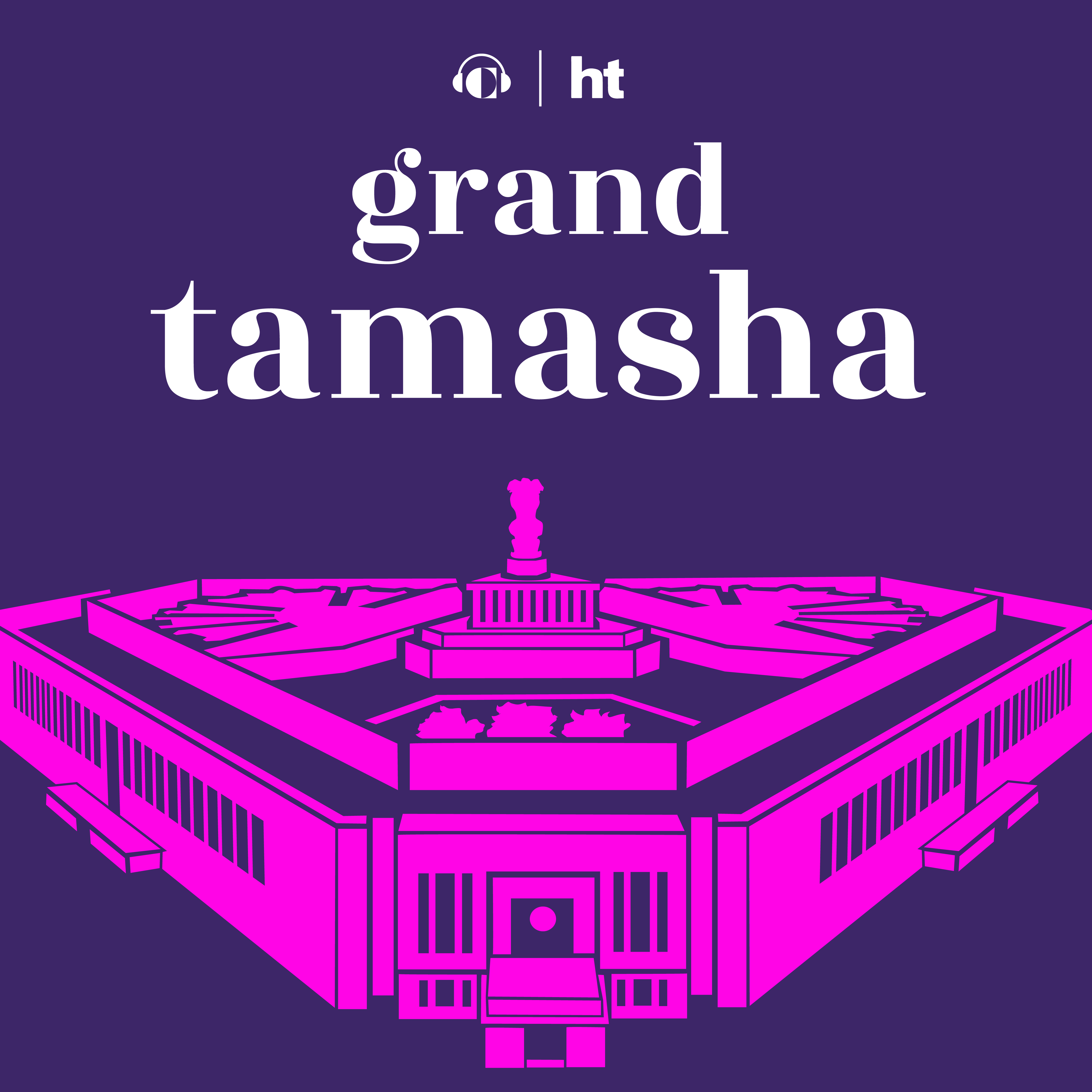
Scholar Christophe Jaffrelot joins Milan Vaishnav to discuss his new book, Gujarat Under Modi: Laboratory of Today's India, an analysis of how Modi's tenure as chief minister of the state set the stage for his political career.

Link Copied
By Milan Vaishnav and Christophe Jaffrelot
Published on May 28, 2024

Subscribe on

Apple PodcastsOvercastSpotifyYoutube

Gujarat Under Modi: Laboratory of Today’s India is a new book by the scholar Christophe Jaffrelot but one that has an old backstory.

It is the definitive account of Narendra Modi’s tenure as chief minister of the state of Gujarat. And it helps place into context the changes we’ve seen in national politics, economic policy, and society over the past ten years under Prime Minister Modi. It is a book that the author started researching twenty years ago and is finally out in the world.

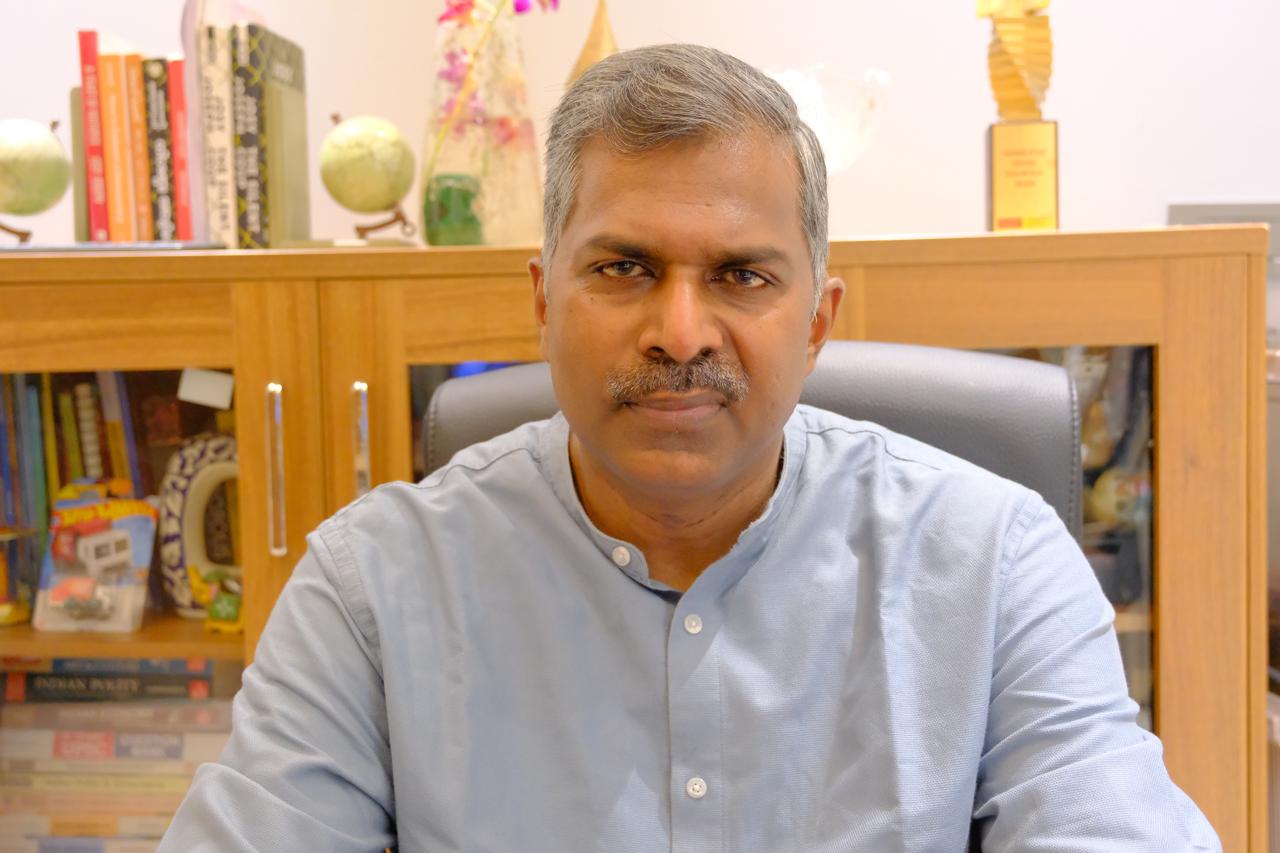
To talk more about the book, Christophe joins Milan on the show this week. He is the Avantha Chair and Professor of Indian Politics and Sociology at the King’s India Institute. He teaches at Sciences Po and is also a non-resident scholar at the Carnegie Endowment for International Peace

Milan and Christophe discuss the tortuous backstory to the book, what attracted Christophe to the Gujarat story in 2001, and how the BJP established total hegemony in the western state. Plus, the two discuss the “Gujarat model” under Modi, the idea of a “deeper state,” and the often-tense relations between Modi and the Sangh Parivar.

Episode notes:

1. “Christophe Jaffrelot on India’s First Dictatorship,” Grand Tamasha, April 14, 2021.

2. Sudha Ramachandran, “Christophe Jaffrelot on What Makes Brand Modi Successful,” The Diplomat, April 8, 2024.

3. Christophe Jaffrelot, “A Deeper State,” The Caravan, February 13, 2024.

4. Christophe Jaffrelot, “The enduring personality cult of Narendra Modi,” February 13, 2024.

Hosted by

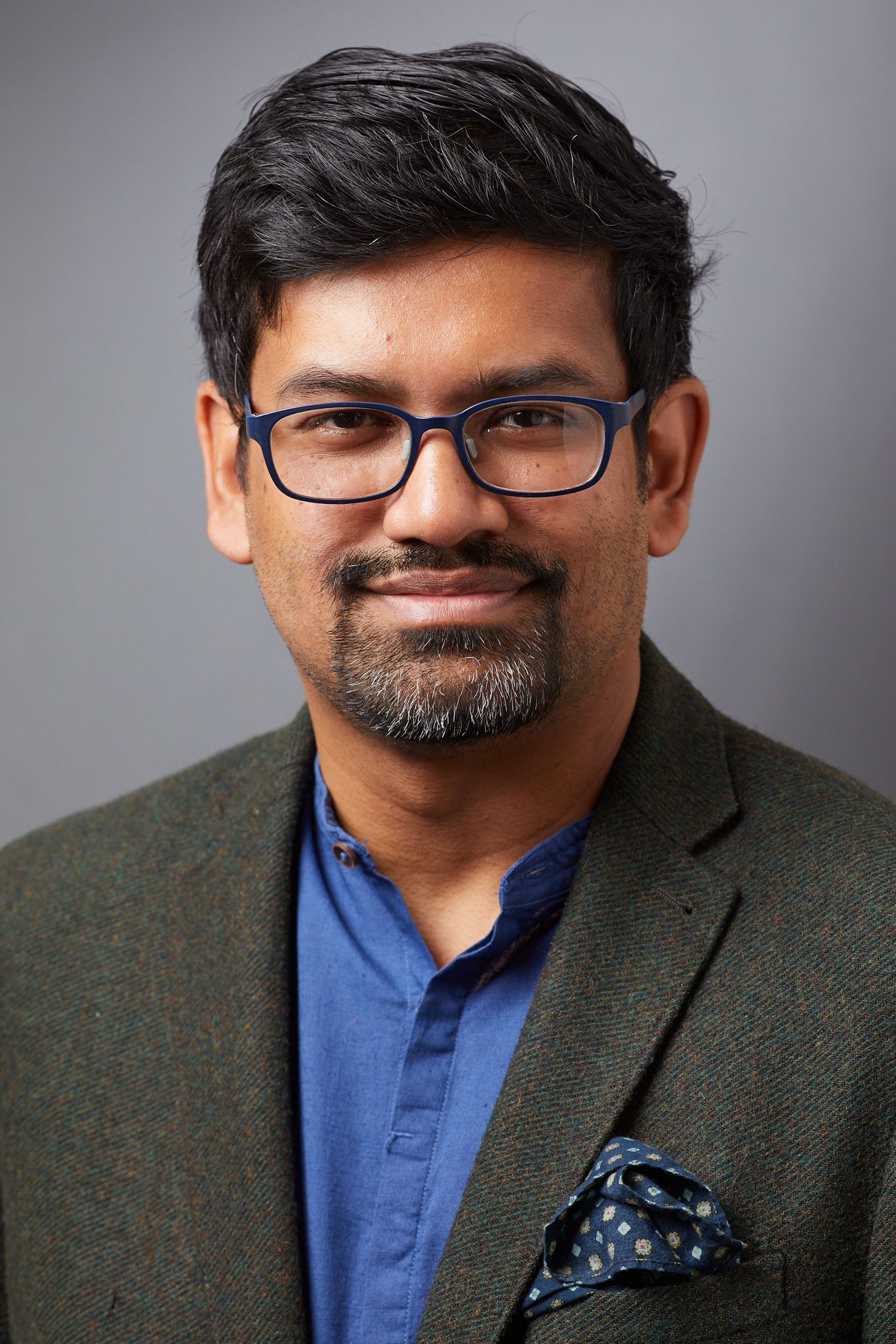
Milan Vaishnav
Director and Senior Fellow, South Asia Program
Milan Vaishnav

Featuring

Christophe Jaffrelot
Former Nonresident Scholar, South Asia Program
Christophe Jaffrelot

Carnegie does not take institutional positions on public policy issues; the views represented herein are those of the author(s) and do not necessarily reflect the views of Carnegie, its staff, or its trustees.

More Work from Grand Tamasha

  • Podcast Episode
    Episode 300: India, Then and Now

    This week, Milan, Sadanand Dhume, and Tanvi Madan discuss the political fall-out of this summer’s Gen Z protests, the political future of the Cockroach Janata Party (CJP), and the churn within the ruling Bharatiya Janata Party (BJP). 

      Milan Vaishnav, Sadanand Dhume, Tanvi Madan

  • Podcast Episode
    The Three Weeks That Made India

    Josy Joseph joins Milan on the podcast this week to talk about his best-selling new book, The Birth of a Nation: Twenty-One Days That Changed India, which reconstructs the dramatic three weeks leading up to August 15, 1947.

      Milan Vaishnav, Josy Joseph

  • Podcast Episode
    The Truth About India’s Jobs Crisis

    Vidya Mahambare joins Milan on the Season 16 premiere of Grand Tamasha to discuss the economic drivers of the Gen Z protests, the link between unemployment and education, and the futility of the manufacturing versus services debate.

      Milan Vaishnav, Vidya Mahambare

  • Podcast Episode
    The Forgotten Origins of Indian Liberalism

    This week, Rahul Sagar join Milan to discuss his new book The Birth of Indian Liberalism: Mama Parmanand’s Letters to an Indian Raja, which uncovers an older tradition of Indian liberal thought through a remarkable work first published in 1891 and then largely forgotten for more than a century.

      Milan Vaishnav, Rahul Sagar

  • Podcast Episode
    Whose Constitution Is It Anyway?

    This week, Rohit De and Ornit Shani join Milan to discuss their new book Assembling India’s Constitution: A New Democratic History. Drawing on a remarkable range of archival material, the book shows that constitution-making was not confined to the halls of the Constituent Assembly alone.

      Milan Vaishnav, Ornit Shani, Rohit De

Get more news and analysis from
Carnegie Endowment for International Peace
Carnegie global logo, stacked
1779 Massachusetts Avenue NWWashington, DC, 20036-2103Phone: 202 483 7600
  • Research
  • Emissary
  • About
  • Experts
  • Donate
  • Programs
  • Events
  • Blogs
  • Podcasts
  • Contact
  • Annual Reports
  • Careers
  • Privacy
  • For Media
  • Government Resources
Get more news and analysis from
Carnegie Endowment for International Peace
© 2026 Carnegie Endowment for International Peace. All rights reserved.