2026 is shaping up to be a hectic political year in India. The ruling Bharatiya Janata Party (BJP) of Prime Minister Narendra Modi has appointed the relatively unknown Nitin Nabin to take over as party president. The BJP and its opposition challengers are gearing up for high-stakes assembly elections in five states later this spring. And the Election Commission of India (ECI) is in the midst of a controversial revision of India’s gargantuan electoral rolls.
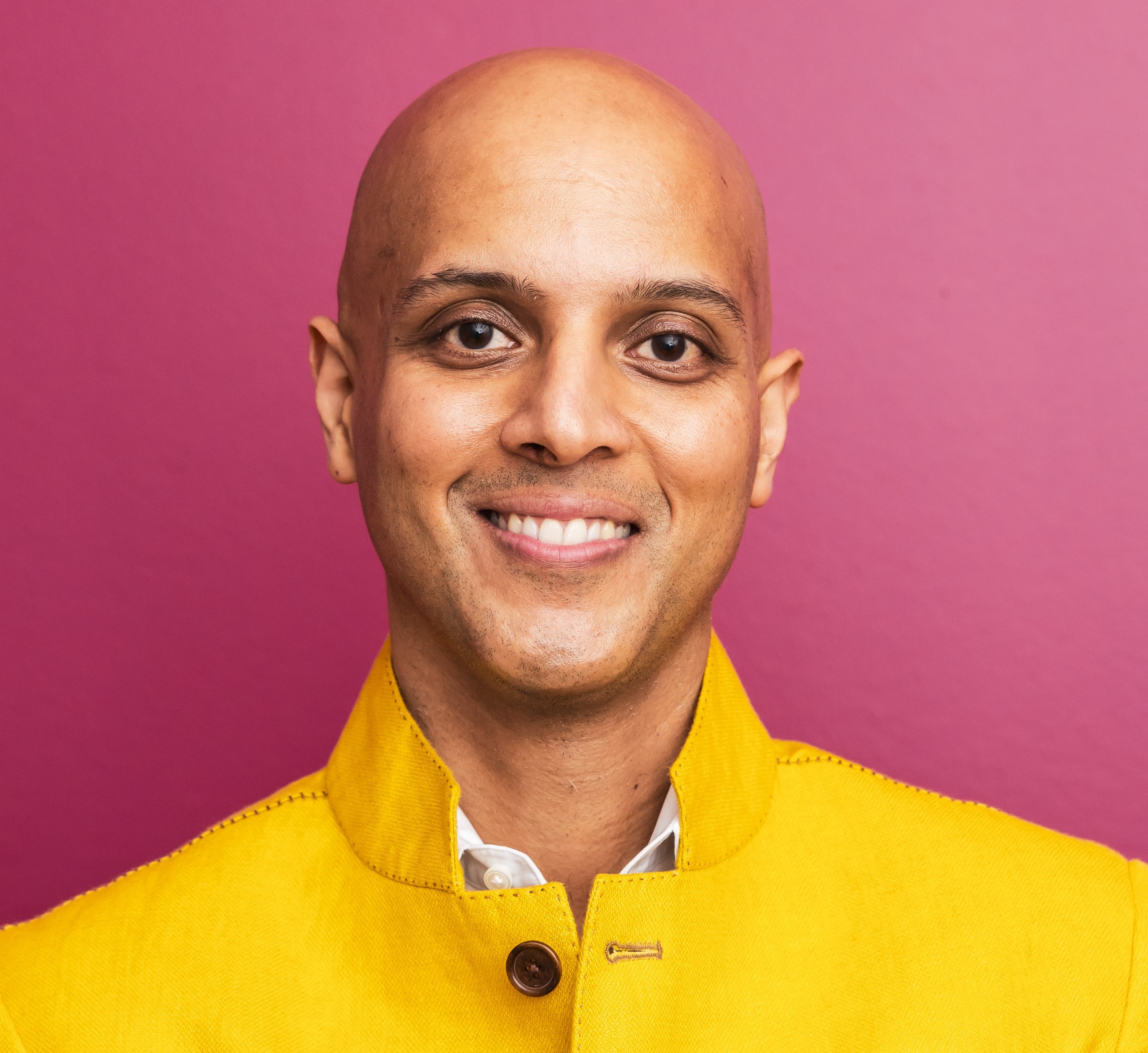
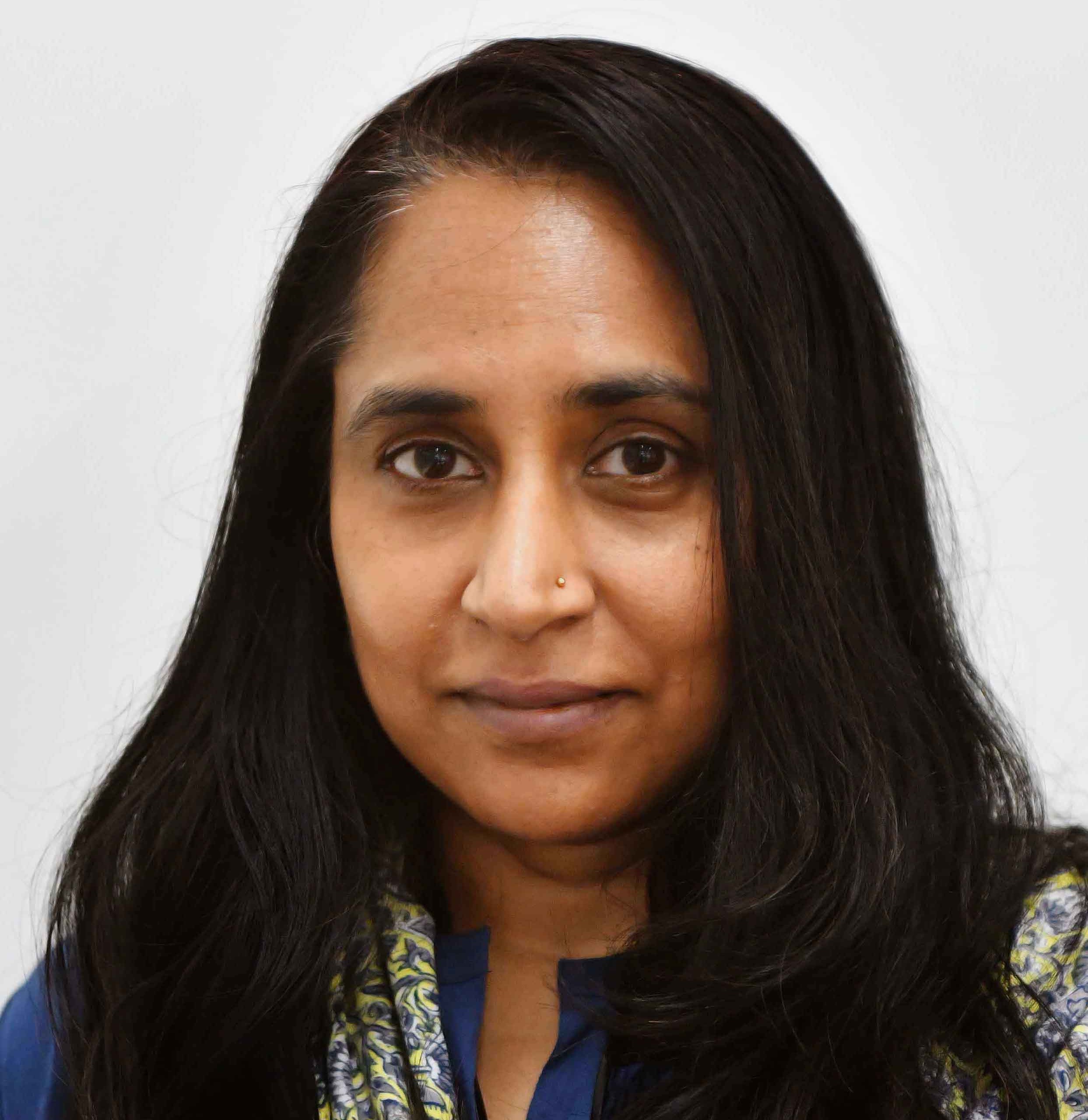
To discuss these and the country’s other key political stories, Sunetra Choudhury—the national political editor of the Hindustan Times—joins Milan to kick off the fifteenth season of Grand Tamasha. The two sat down for a special episode recorded live in HT’s New Delhi studio.
Listeners will know Sunetra from her past appearances on the podcast, as well as from her reporting for the Hindustan Times—and, of course, from her book Black Warrant, which has since been adapted into a hit Netflix crime drama of the same name. Sunetra has over two decades of reporting experience and was the recipient of the Red Ink award in journalism in 2016 and the Mary Morgan Hewett award in 2018.
Milan and Sunetra discuss the prevailing political winds in Delhi, the BJP’s surprising new president, and the long shadow of the 2025 Bihar assembly elections. Plus, the two discuss the upcoming state elections, the inner turmoil within the Congress Party, and the ECI’s controversial “special intensive review.”
Episode notes:
- “Interpreting the 2025 Bihar Verdict (with Roshan Kishore),” Grand Tamasha, November 19, 2025.
- “How India’s Women Are Redefining Politics (with Ruhi Tewari),” Grand Tamasha, November 5, 2025.
- Sunetra Choudhury, “NDA's landslide win will cause ripples far beyond Bihar,” Hindustan Times, November 15, 2025.
Transcript
Note: this is an AI-generated transcript and may contain errors
Milan Vaishnav: Welcome to Grand Tamasha, a co-production of the Carnegie Endowment for International Peace and the Hindustan Times. I'm your host, Milan Vaishnav. We are live here in New Delhi at the Hindustan Times studio to kick off our 15th season of Grand Tamasha. We're here with a special guest, Sunetra Choudhury, the political editor at HT, also the author of the bestseller Black Warrant, also a big hit on Netflix. Congratulations, Sunethra.
Sunetra Choudhury: Congratulations to you, 15 seasons!
Milan Vaishnav: Thank you very much. I thought what we do today, because, you know, as you know better than anyone, the political stories are coming fast and furious. We have the Bombay Municipal Corporation elections. We have a bunch of state assembly elections coming up. Last year, we had the Delhi and Bihar elections. [The] start of the new year is a good time to take stock of the state of Indian politics. So that's where I want to start. As we enter 2026, you know, the last 18 months have been, kind of an incredible storyline, right? If we go back to the 2024 general elections, there was this—surprising to many, I think—underperformance of the BJP, led by Prime Minister Narendra Modi. People were writing op-eds about, you know, have we seen peak Modi? Has the BJP, kind of, hit its ceiling? Fast forward, start of 2025, that narrative had completely disappeared. The ruling party had won state elections in Haryana and Jharkhand, Maharashtra, then Delhi, then Bihar. And 2026, my sense is, but I want to hear from you, is we are fully back in a kind of dominant party era where the opposition is really struggling to make any headways. What do you think?
Sunetra Choudhury: I agree with that. I think 2026 has begun really well because there's that whole, as you said, afterglow of all those winds over there and Bihar. I mean, they're all going into that. And I think we could see that afterglow of Bihar in the last session, and we're now going into the budget session, where they use that kind of momentum that they had in order to get all these very interesting sounding name bills through, right? So, you have your G Ram G completely doing away with UPA's MGNREGA. The Shakti bill and you have the higher education bill, which is the Viksit Bharat bill. All of these bills—and that one was pending for a long time. So, all of this, so you really go into it and now, of course, we have the AI Summit coming very soon, next month in February, where Modi is hosting Jensen Huang of Nvidia, Bill Gates. So, we really see that kind of optimism in the government by, I mean who would have thought that they would be able to push through MGNREGA, scrapping MGNREGA in its original form because it's completely changed and you have even their biggest supporter, their ally, Chandrababu Naidu, pointing out that there is a problem with funding.
Milan Vaishnav: Right. And this is just, we should remind our listeners and our viewers, this is the flagship national rural employment guarantee scheme where anyone in rural India can have up to 100 days of paid work, and it's been seen as an important kind of shock absorber. This new bill changes the conditions of the work. It also puts a lot of the burden of financing away from the center into the state. So, it's seen as like a pretty decisive change in the overall makeup of this scheme.
Sunetra Choudhury: That's right. And this is something which, you know, for the opposition, it is like a red flag. I mean, the Congress is saying that they plan to agitate against it. But the interesting thing is that the government knew and it was so confident about it. And even though its allies are also kind of worried, but the Congress, because of the kind of post-Bihar lull that they've induced in the opposition, you haven't seen those protests anywhere outside of Lutyens’ Delhi. It's been limited to the Youth Congress office here in Lutyens’ Delhi. So, it's that you have the AI summit coming and then you also have the big census. Delayed for five years; everyone's looking forward to that first kind of caste census happening over there. So that's a big deal as well.
Milan Vaishnav: And the first public census in many, many, many decades.
Sunetra Choudhury: So, so the only thing that is taking perhaps a little bit of the sheen off the, you know, the kind of gang-ho spirit that the government is exhibiting are two things. One, the pollution. Even though it wasn't an issue at all in the Delhi elections, which took place last year, I think the protests that have been taking place in the recent weeks and the kind concern that we've been seeing… I mean, the government, in the midst of all of this, kind of, optimism, the government did, kind of, backtrack a little bit on the Aravalli issue. Now that issue, of course, for your listeners and for your viewers who may not be so aware of it, that issue of course that they said that anything above a particular height, which took away the whole definition of/redefined what a forest was and Aravalli being so close to the national capital region, they didn't anticipate the kind of backlash. So, we are not seeing it from the traditional modes of protest. You have a lot of middle class, a lot activists, a lot people in Delhi and Gurgaon protest against it. That, I think was a bit of a surprise for Bhupender Yadav and the entire government as well. The pollution issue as well because you had Prime Minister Modi then having to step in and say, and ask his minister to say you have to meet every week and fix the pollution problem. So, I think that is suddenly becoming a lot more relevant to people right now. And then while we're speaking, you have the badminton championships happening and you have key players saying they're not going to come to Delhi in order to take part in all of that. So, the pollution issue, I think, is taking away from the sheen of the image of the Viksit Bharat image that the government has.
Milan Vaishnav: Let me just, you know, you mentioned Bihar a couple of times, right, this pivotal election. The BJP, of course, has had its longtime ally, the JDU, headed by Nitish Kumar, you know, one of the longest serving chief minister. The chief minister has had nine lives and maybe then some. The NDA alliance comes back with a pretty significant, kind of, demoralizing victory. You had a piece in HT, in which I think you described this as an election that's going to—whose ripples will be felt, even beyond the boundaries of the state. Tell us a little bit about what those ripples might be. I mean, what was the larger, you think, national significance of, you know, what's a state election, an important state, but still just one state election?
Sunetra Choudhury: I think the main one is that after 2024, as you said, there was a little bit of a question mark or there was doubts in some circles, or at least opposition or critics of the government were pointing to the agenda saying that, is Modi has peaked already? Bihar has kind of established that that is incorrect. That Narendra Modi, his choice, his campaign is still supreme. So that I think is the big thing over here. And you see that even in things that are happening now, Modi has opposed Bihar, we see the kind of political capital, we see it in the choice of the BJP president.
Milan Vaishnav: Yeah, I want to come to that in a second.
Sunetra Choudhury: Yes, so I think Modi's authority in this particular post-Bihar thing has been reiterated. I think the second thing is also about this entire thing of benefits of the welfare scheme. Its largely been, I think what it has established and we are seeing it whether it's in Maharashtra, we will definitely see a lot of it in the Bengal elections as well. Maharashtra elections after that, if you saw Maharashta, you saw Jharkhand, all the elections that have taken place and Bihar cemented it. The 10,000 rupees that they gave as part of an employment scheme that they had, it kind of established the fact that you need that and that is something that has now become the norm. And we are seeing it in every election. I think that is something that Mamata Banerjee got on to early on. She kind of implemented some of it in her previous election as well. But I think in this particular election and post-Bihar, it has become the norm. There's going to be a lot more competition. I think the benchmark of how much you give to each of the voters is also going to increase. We are going to see that in Tamil Nadu as well, so this whole thing of a transactional thing which I think a lot of the middle class or salaried people might have reservations against it. You might of course see all of us writing about it, but it has now become the norm post-Bihar in all elections as well. So, in both these aspects, whether it's Modi's authority and the kind of political, you know, what it takes to win an election has changed after Bihar.
Milan Vaishnav: Two things I want to pick up on. We'll get to the state elections, upcoming state elections in a second, but let's talk about this new BJP. Right now, working president Nitin Namin, I mean, I will admit that I knew very little about this person. I started to Google him immediately after it was announced, I think in December that he was going to be the working president. I think HT has reported that as early as maybe the end of this month, he's going to be elevated to the full-time, national party president of the BJP. Who is this man? What do we know about him? And why was he kind of plucked out of, I would call, relative obscurity for the position of running one of the biggest political parties in the world?
Sunetra Choudhury: Millan, I think we might just have the first, almost a millennial party president. I mean, who would have thought? And, you know, politicians in India, they're all mostly boomers [like] in America, as well, right? And so, what Narendra Modi has done is that he skipped a couple of generations. There's going to be a 30-year gap between him and the new party president, right. And when I knew that you and I are going to have this conversation, of course, I knew nothing about Nitin Nabin and I, and you know, I've been calling the contacts that I have in Bihar, Bihar BJP, elsewhere as well, and trying to find out about this young man, Nitin Nabin, of course. To be sure, he is a five time MLA. He is also someone who came into politics when his father died in 2006, so that was his first election. So, you know, the opposition, but they don't know that much about him. But they would have also gone to the fact that look, he's a bit of a dynast, right? So, he came into it when his father died and the thing is that the first thing of everyone says about him, because they don't know that much about him, is that he is, you know, this whole thing about just having the young generation in. He's a BTech from Mesra. So, one BJP person, because, you know, apart from the fact that he's very young and how it is a bit of a connect between the polity, the young polity that there is there and the party. And they said, you know, he's the right kind of person to take us into the AI generation. I wasn't really convinced about that. The more convincing explanation, Milan, that I've had is that, look, Bihar is a tough space for the BJP, right? A lot of the credit, while I talked about Modi and his popularity, but let's face it, at that time as well, a lot of that credit just went to Nitish Kumar. The fact that it was his last election. And, you know, people, he still had that feel-good and people still owed him that much for changing the face of, bringing development in Bihar. So, the BJP needed someone over there after Sushil Modi, and Sushil Modi didn't have that kind of a persona that would have, you know, the BJP felt very comfortable as a chief ministerial face on it.
Milan Vaishnav: And he was, for many years, the deputy chief minister, the kind of perennial number two to Nitish Kumar's number one.
Sunetra Choudhury: That’s right. So, they felt that this move of choosing someone like Nitin Nabin, why it had to be. Because let's face it, he also doesn't come from one of the key cast areas. He's a Kaist from Bihar, so it's a forward caste. So, the explanation that seemed most convincing to me about why he's been chosen is that they needed the future of Bihar. Bihar is too important a place, and that could only happen if they chose someone from Bihar as someone who would also be seen as the next spa center after Modi and Amit Shah. So, for the people of Bihar, they couldn't accept any other leader unless it was someone who Modi paid bow down to as well and Amit Shah as well. And they needed someone of that stature. So, it is immediately elevating someone to that stature. And the fact that he has, he's only 45, so he has about 20 years or so to develop into someone of a national thing like that. So yeah, so there's a lot of thought that the BJP seems to have put into this. The opposition may be kind of, they might be saying that, look, the BJP, they don't care about people who can question authority. They want to go for a yes-man. But there are also people in the opposition who realize that the BJP that way has empowered young people and a lot of the people in the Congress where it is led by an 82-year-old, Rahul Gandhi himself is in his mid-50s, so for a lot young people this seems quite an inspiring move.
Milan Vaishnav: Let me then go to the second thing, which you mentioned, which is, you know, we have these upcoming state assembly elections. We have Assam, Bengal, Kerala, Tamil Nadu, Puducherry, right, a set of critical states. They'll go to poll later this spring. Tell us a little bit about the mood inside the BJP, right? I mean, obviously, Assam is a state that they've dominated. Bengal, they have made inroads, but they've never been able to topple Mamata Banerjee. The southern states, particularly Tamil Nadu, Kerala, are two states where they've really struggled, but have said ever since Modi came to power that they've set their sights on expanding the BJP's footprint into the south, into the east. Where do you think the party is today as elections are now just a few months away?
Sunetra Choudhury: Apparently, half the battle is just motivating your party workers and carders, right? If they feel that things are too hopeless, they won't go out and do the work. And so, the fact that they have been able to get this tremendous victory in Bihar, that has motivated lots. And I think you can see that also in the fact that even in places where things are very tough for them, for example, Kerala and Tamil Nadu, where they're basically, it's AIADMK, they've got the Alliance and so. But look at the amount of time that Amit Shah and Narendra Modi are spending there, right? Amit Shah was in Tamil Nadu last week. Narender Modi is heading there on the 23rd [of January]. He has a big campaign as well. I think he's going to Kerala much before that. So, they're spending a lot of time also because they believe that, at the moment, I think in the 2016 and 2021 elections, it was only about 3% vote share that they had, which they improved in 2024 to about 11%. So, there is a thought, which I've heard various BJP leaders say, that once you've with that 10 percent mark, it can only grow. So, they're very, very optimistic and they feel that they can really make inroads. And I think the fact that they were able to get the Thiruvananthapuram mayoral election in Kerala as well gives them the reason for optimism. I think that the tough one and the one that we're all watching is what happens in Bengal. And while a lot of the BJP people on ground don't seem that confident because of the fact that they have 77 seats right out of the 300, 294 seats that they have. They need to double that. That is no mean feat.
Milan Vaishnav: Against, by the way, a stalwart incumbent who, much like the Communist Party Marxist before her, Mamata Stunemuhl had this uninterrupted break, controlling the reins of power.
Sunetra Choudhury: Yeah, they have. But I think what the BJP is really hoping for, two things. They're saying that one, 15 years she's been in power. And because of the fact that, you know, she has been focusing and whatever, people want some kind of change. It's been 15 years, so they feel this time it could be the fact—and they've got Mamata busy with whether it's ED raids.
Milan Vaishnav: Yeah, I mean, just this week there were enforcement directorate raids on IPAC, which is the famous political consultancy which has been doing work for the party.
Sunetra Choudhury: A side, a little sidebar on that Milan. Don't you think it's interesting and a sign of times that before we saw raids on politicians and right now in just the last week, we've had raids on political consultants? So, it's a design box which is working for Ajit Pawar and over there of course they've now become BJP, confrontational with the BJP because they've gone back in alliance with Supriya Sule, the other faction of the ANCP. So, I just think it's interesting that you know you are having so much focus on the political consultancies as well. So right, coming back to Bengal, the fact that Mamata's been in power, one that's there for them. And you also have people who are managing the elections there saying that look, Trinamool Congress has for long been dependent on this 30% votes of the minorities. And they feel that they can really limit that. It's basically only about 50 odd constituencies where the Muslim vote counts on. So, the BJP is just going to focus on the other ones. Other than these ones, which are the Muslim seats. They're going to focus on the other seats and the fact that they're focusing on the fact they're going to weed out Bangladeshis and insurgents and infiltrators, all of these campaigns. And they're hoping the fact that people want change will override what Mamata's focus is on, is on the fact, that a lot of the BJP people, they're outsiders, they are Hindi speakers and she's hoping that that kind of hype, you know, that nationalism and pro-Bangla feeling overrides what the BJPs are trying to do.
Milan Vaishnav: And, you know, I mean, I think the advantage she has, and has long had, is that even though the BJP has made, in order to say, 77 seats in the Assembly, they have always lacked a face, right? They've really struggled to project somebody who is their person who can kind of go head-to-head, toe to toe with Mamata Banerjee, right? So, I think in the kind of pluses and minuses column, that's long been, I think, a minus for them.
Sunetra Choudhury: For sure. I think that way, they're feeling much more confident about Assam. I think it looked very, very iffy for a bit last year and especially after 2024 because over there as well, everyone was, kind of, tired of the same kind of speak that Himanta Biswa Sarma was talking about. They felt that it was a lot more talk and not much work on the ground. And Zubin Garg, this singer's death, had created an atmosphere because he spoke his mind. He was anti this entire CAA. So, there was a moment there where there was bit of anti-government momentum. But I think that has kind of gone away with time. And the problem in Assam, which the Congress is guilty of a lot of places, that they fail to take…cash in on that momentum. And we've not seen the Congress really get their act together. And we have not seen them have any kind of narrative about what they offer, instead of the Himanta as well, government. So right now, BJP is feeling very confident about Assam as well.
Milan Vaishnav: You know, just a second on that. I mean, in this Delhi parlor game that many of us like to play about, you know, who could be a potential successor to Modi, you often hear Yogi Adityanath, Amit Shah. Mishra Sharma also gets mentioned. I think he would like to see himself in that conversation. So, it's an interesting election to watch because his post-Assam political future may rest on how this state election turns out.
Sunetra Choudhury: And I think that Himanta Biswa Sarma really, as a nod to all these kinds of aspirations that his supporters have, you see him really speaking about the Sangha a lot. You really see him relying on Hindutva a lot as an issue and being much more of a hardliner than the other BJP chiefs of staff.
Milan Vaishnav: And we should remind people that he was with the Congress until not that long ago, and because he felt he wasn't given proper due, joined the BJP.
Sunetra Choudhury: Yeah, after all, we're seeing all of the, kind of, really tough laws, whether it's about the number of children that people should have, all of these germinate in Assam. And I think there is a little bit of weariness among the people, about people who I speak with in Assam, who are saying that, well, you know, is this really, you know, we've heard it a lot before, but what kind of action are we really seeing on the ground? So, there was some unhappiness, which we heard even in Bihar before the elections. But when it comes on to voting, if people don't have a good enough reason, you know, they're not going to vote for change. And so that, we're not really seeing in Assam. So that's interesting. And if you're talking about what after Modi, then I think that other elections, we're seeing kind of that build up as well. 2027 is Uttar Pradesh. And they've of course starting to get the act together with the new BJP president over there, Pankaj Chaudhary, the Minister of Finance, the junior Minister of Finance here in Delhi. So, here's appointment. While Akhilesh Yadav feels that he still has the momentum post-2024, I think the BJP is working very hard over there as well in Uttar Pradesh. They know that things, it's not too far away.
Milan Vaishnav: So, I want to ask you about the Congress, who's haven't really talked about the Congress much. But before I do that, you know, you mentioned Himanta Biswa Sarma's kind of outreach to the Sangh. And if you go back to 2024, you, know, one of the explanations for the BJP's under-performance was there was some kind of cleavage or divide between the BJP, the political party, and the RSS, the various organizations of the Sangh Parivar, and that maybe, just maybe, the Sangh did not go all out to campaign as hard as it could have. And remember, there were a number of controversial statements that BJP leaders made during that campaign, including the fact that, well... as the BJP has gotten more prominent, more power, we don't maybe need the RSS as much, and that did not go down that well in Nagpur. How would you look at things today, Sunetra? I mean, given how well the BJP has done almost in every state election since May-June 2024, do you think that they're on a better wicket, the Sangh and the BJP, in terms of making sure that they are all kind of pulling in the same direction?
Sunetra Choudhury: I think they have really reiterated their authority over the RSS and I think the BJP and it's lots of things but it's Bihar but more importantly, more recently, it's in the choice of the BJP president. In the run up to it, I think we all assume the reason why there was so much delay, I think there was more than a year's delay. The reason why they were so much delay is that they couldn't come to a middle ground on the choice.
Milan Vaishnav: Who would take over from J.P. Nadda.
Sunetra Choudhury: Is a Narendra Modi choice, that the RSS had nothing. He is no way, in no way an RSS pick or someone who could be a consensus candidate. This is purely an Narendra Modi pick. As party workers told me in 2009, Nitin Navon was one of the first people, as a young legislator, that he said there should be Narendra Modi who should be our Prime Minister candidate. So, it goes back to 2009. And apparently Modi remembered that. But in his choice one, we see that it's the BJP calling the shots. Now the RSS has an explanation by saying that we don't interfere unless we think there's a need to pivot. For example, again, in 2010, that's when Ashok Singhal of the RSS said, let us change track from LK Advani as a Prime Ministerial face and bring in Narendra Modi as a prime ministerial face. So that is when they said they needed to pivot and they did and that is where they need to interfere. Right now, they feel that they do not need to, but again it is like accepting that Narendra Modi is in charge and he is doing things fine, so we see that there. The other thing that we could also see is that in Bihar, this entire wind, whether it's Haryana or Maharashtra, two elections which the BJP won post-2024. In 2024, if you go by the fact that the RSS pulled back and there was tension, NDA said as much that we don't really need them. We saw that impact in them getting 240, 30 seats less than the majority mark. And then we reported on the 60,000 meetings in Maharashtra, the 30,000 meetings in Haryana, and we saw the impact of that. And the RSS talked about it as well, off the record, that, yes, we're doing many more meetings. There is a kind of discussion as well. In Bihar, there is not that much presence of RSS. It's simply not there. So, when they were able to win Bihar with, you know, and get a great result without the RSS. So, in both these aspects, I feel that the BGP is shown that they can, they find, they are in control, the RSS is doing what it does, they are in an advisory role.
Milan Vaishnav: So we've talked a lot about the BJP. Let's turn now to the other side, the Congress Party. I mean, they've kind of experienced the sort of mirror image of the BJPs, right? A lot of enthusiasm after the ‘24 election in the Lok Sabha, the Congress nearly doubles its tally from 52 seats to almost 100 seats. The INDIA Alliance put up a pretty good fight. In states like Uttar Pradesh, you saw the INDIA Alliance do way better than I think a lot of us expected. And there was a feeling that maybe Rahul Gandhi had turned a corner, that he had been through his various Yathras and gained some respect, some consistency, some credibility. They were looking at those fall elections of ‘24 in Haryana and Maharashtra as these are ours to lose, not the BJPs to win. And lo and behold, again, the Congress came up with no wins during this period. And you know, I think it raises questions about, you know, does the Congress under its current leadership have what it takes? You know, they have a kind of old Congress war horse Mallika Arjun Margay theoretically running the show but Rahul Gandhi is very much there. I don't even want to say behind the scenes cause he's often in front of the camera not just behind the scenes. Tell us a little bit about when you talk to your friends, sources in the Congress, what are they saying about the morale within the party, the direction of the party? I mean, what's their temperature right now?
Sunetra Choudhury: You know, this Led Zeppelin song comes to mind. Dazed and confused. No, really. And I think this is a particularly bad time for them. One, let's just see the CWC, Congress Working Committee meeting last week. Digvijaya Singh, one of the big loyalists. Even he's pointing out, look, we have a problem with our organization. The way we plan elections. After the elections, we really didn't see any kind of soul searching. They put it down to SIR, there was no, kind of…
Milan Vaishnav: This is after the Bihar elections.
Sunetra Choudhury: That's right. They had meetings and Rahul Gandhi didn't pin the blame on anyone. They were all very happy to say, and if you don't acknowledge what went wrong, how are you going to fix it? So, someone like Digvijaya Singh, who's obviously pointing out within the party, that's one thing. Then I think the other kind of thing is, and you can see it in Bihar, you're left with six MLAs over there. All six, there is no effort to at least then get your act together. OK, what are we going to do? Talk to Tejaswi. The six people are now almost joining BJP. They haven't been going for any of the meetings, haven't attending anything there. So even if things go back, forget the introspection. It's like, OK, let's have other meetings. Let's reach out. There's no effort like that. And you see that over there as well. Let's look at Kerala. That's their big hope right now, because the LDF, the left government, Pinarayi Vijayan’s government, they've been, you know, they came back to power last time, you now, belying all expectations.
Milan Vaishnav: Right, I mean this is a state that always goes from the left to the Congress, left to the Congress back and forth and forth.
Sunetra Choudhury: Right. And I think Milan, you can see in the attitude and in the campaigning, what has become the Congress's default mode. They expect the anti-incumbency that is on the ground to deliver the Kerala elections to them. And so, there is no real effort that is going on. Rahul Gandhi has not, you know, there is no big campaign there, there is no yatra planned. Of course, Priyanka Gandhi Vajra is a big face from there. She keeps going to her constituency by night.
Milan Vaishnav: You're a member of parliament from...
Sunetra Choudhury: But see, there lies another story because Priyanka Gandhi has been getting the right kind of buzz because politics is all about perception. She has impressed a lot of the government and BJP as well. We saw the lovely interaction between her and Nitin Gadkari and she's very comfortable sitting with the Prime Minister and conversing with him, which Rahul Gandhi isn't. Now that seemed to be, seemed to have created a bit of a panic or a bit of an uncertainty within Rahul Gandhi's team. And you can see that in the fact, what explains the fact that she doesn't really have an organization role. We don't really know what she's doing. So, the Congress right now is hoping and praying that they get Kerala delivered to them. But in politics, as you know, there is really no certainty and the Congress's problem has become that they just expect things to come to them. They are expecting anti-incumbency to build up against Narendra Modi nationally and in Kerala for things to go against Pinarayi Vijayan’s and that I think has become the big kind of undoing. And Rahul Gandhi, I won't go on to say that, you know, it's just that as leader of the opposition. He had the role, initially it looked like he was really, really interested in that role, but the fact that he left during a parliament session where, and he went to Germany, and they of course said that he had a very important meeting there, but now he stands for expressing the DMK's concerns, the Trinamool's concerns the NCP's concerns. I'm sure it's not looking too good, him leaving in the middle of all of this.
Milan Vaishnav: Well, also feeds the constant, kind of, gripe about him or criticism, which is that he's sort of a half-in, half-out politician, right? I mean, he's unable to kind of show that he can stay the course because of these international engagements. Let me just ask you a question I kind of know the answer to, but I'd be curious what you would have to say, which you know, are there any signs of alternative opposition forces, you know, anyone that is trying to step up and claim the space that the Congress ceded? I mean, a few years ago, if you and I had this conversation, we'd probably point to the Aam Aadmi Party as a potential third force rising, but now after the Delhi elections, by all accounts, really struggling in Punjab to get their work done. Arvind Kejriwal is not the same kind of figure that he once was in terms of national attention. I mean, are there any other a green shoots, if you're the opposition, you look out at a national level, do we have what it takes to take on Narendra Modi?
Sunetra Choudhury: Unfortunately, no, I can't see anyone like that. I think that you do have, and I've had this conversation a few years ago with a BJP leader. I think they all said that, you know, all of these people, whether it's Mamata Banerjee, whether its Stalin, all of this or Akhilesh, they're all really smart people, but they are nationally, no one has that kind of...
Milan Vaishnav [00:35:13] Persona.
Sunetra Choudhury: And one congressperson said this to me yesterday, they said, you know, and the BJP is working very hard to get in “One nation, One election.” And if we were to have “One nation, One election” right now, it's only the Congress which would have that kind of a cashier across the country. Nitish Kumar, we were speaking so much about just last month or just till November: no one's talking, he's, you know, disappeared from the national pages. He is not making that kind of news. So, we really have that space open and there, no, unfortunately, no. There, there doesn't seem to be anyone. They all seem, they may be giants otherwise all of these.
Milan Vaishnav: Of these people in their state.
Sunetra Choudhury: In their states, but when it looks the national scene, then they all look like David's in front of Modi's Goliath.
Milan Vaishnav: So, you know, you mentioned a couple of times the issue that is taking up a lot of space in newspapers around the country and online debates and so on and so forth, which is this SIR. The election commission in the Bihar election decided to implement this large scale, what they call special intensive review, which has a purification of the electoral rolls. There were many reasons cited for this, the idea that there might be illegal migrants who are voting, the fact that, you know, because there's so much migration happening internally within India, you want to make sure that people are registered in the right place. Because there are issues with both the birth and death registration systems, you may have people who should be included who are not, as well as people who are long gone who are still on the rolls. It was an extremely controversial exercise. A lot of people, including, I think, frankly, not just the opposition, but independent analysts felt that the election commission rushed into this exercise. It wasn't well thought through, it wasn't well-explained. There was a lot of back and forth, including by the way, with the Supreme Court about how this exercise would run. But be that as it may, the commission is now running the same exercise in all of the poll-bound states, including the ones that we mentioned earlier. The opposition's main critique seems to be that this is something the ECI is doing at the bidding of the government because they want to disenfranchise voters who may not be voting for them. The subtext here is the minority community, the Muslim community. Whether or not one or the other side has the upper hand in terms of the facts, how is this going down? Is this... complaint, these complaints about SIR, do you think they're getting any traction? I mean, we saw in the Bihar campaign, Rahul Gandhi, the Congress made this one of their signatures issues. It didn't work out that well, but they continue to really harp on the fact that, look, the election commission is essentially weighing in, in elections on the side of the ruling party. Do you think that this is a fruitful plank for them to pursue?
Sunetra Choudhury: What we have to, what is a fact, is the fact that the election commission's credibility has gone down with the public. Before, I remember being a young reporter and the election commissioner was always talking about, you know, going all the way, you're walking so many kilometers for the booth for that one single voter, right? That kind of image that the election commission has is no longer.
Milan Vaishnav: Right, it's taken a dent.
Sunetra Choudhury: It's really taken a dent because in their handbook, it says very clearly. One of the clauses, I'll just give you an example, one of the clauses says, “if you're a person, public person, an MP or someone of note, then you will make concessions, you don't have to, there'll be special provisions to make sure about your voter roll.” And yet, despite this being in their handbook, we've continuously seen reports of Nobel prize winner, Amartya Sen, or MPs in Goa.
Milan Vaishnav: Decorated military veterans…
Sunetra Choudhury: All of them being struck off and being told to come in person to respond. And the fact that poor voters, whether it's in Bengal right now or in Bihar earlier, they were inconvenienced in having to take the train, go back home, register themselves again and then come back and then go back for voting. So, this was painful. But what is also a fact, Milan, is that that pain, the opposition has not been able to convey it or to use it to mobilize voters in the way that they want. I think the election commission issue and the effect and the impact of votes, and all of that. First of all, Rahul Gandhi did that entire vote yatra in Bihar way earlier than was required for the election. So, he lost momentum. There was a whole month that lapsed between the yatra that he did with Tejaswi, talking about SIR, talking about voting. And that gap didn't serve him well. He was missing from Bihar after that. So, he lacked that momentum of really driving that messaging home. Also, because it's a complicated issue, I don't think the opposition is being able to convey it correctly to people because people also understand they get the technicality while they may be registered in two places and think that okay fine I'm going through a lot of trouble but it's not really the government's fault; they don't blame the government for it they certainly don't believe Modi for it. So, in this telling a story elections, I think are all about telling people stories, stories of hope. And I think the opposition and I think Akhilesh Yadav is also complicit in that because even after Bihar, he blamed it all on the elections. Whereas, you know, you're just saying that the people are stupid and I thought voters don't really want to hear that. So ECI and SIR are definitely issues, but not in the way that the opposition is telling that story. They haven't been able to find a compelling narrative in that and that's why it's not really working for them.
Milan Vaishnav: I mean, I think there's two complications to the opposition's narrative, right? The first is if indeed, lakhs and lakhs of people are being disenfranchised—and this is what the CEC himself, Chief Election Officer, says—is where, where are the people who have been disenfranchised? There's no protests, there's no collective action. You're not seeing a human cry from ordinary Indians that, look, we've been left off. It's kind of these disparate examples and political parties. But the second is that, and I think this was the narrative that comes in, which is that if you feel like there are problems with the rolls, the government's response is, yes, this is why we're doing an SIR, right? So, in a way, it indirectly helps the government narrative that this is important if this quote unquote vulturi is going on where the roles are very messy, right. So I think...
Sunetra Choudhury: Like for example, just yesterday, this entire thing about, I mean, there were too many reports of people not having the right to indelible ink.
Milan Vaishnav: Right, this is in the Bombay Municipal Corporation elections.
Sunetra Choudhury: In the Bombay municipal elections, you had lots of people, lots of people, and in fact, HT's reporter also went back home and used a, you know, like a remover, and it went off, so, and they were using a marker pen. Now, the opposition, I didn't really hear anyone making that much of a noise about it. It was basically people on social media saying, what's happening over here? So, the opposition is either distracted, or they don't know how to or they're not using the right kind of tools to drive a message home. So, it's not really having the kind of impact that Rahul Gandhi did his show and tells. He had those, kind of very, and I think they were just happy the fact that it got lots of views on social media. But as we all know, those views on social media don't really.
Milan Vaishnav: Translate to votes necessarily. Let me ask you one final question before we wrap up, Sunetra, which is about foreign policy and domestic politics. You had mentioned that this is kind of an incredible week being here. We had the German chancellor. We had advisor to the French prime minister. We have Republic Day coming up. We're going to have the two top heads of the EU essentially show up. There's going to be an EU-India FTA likely signed or at least announced. We have the AI summit coming in February, but there are also some negative or pain points for the government and foreign policy. We have this situation with the United States where the troubled relationship between Donald Trump and this government continue without any relief. India still slapped 50 percent tariffs. And you know, it's not that long ago that we had the issue of Operation Sindhoor, this brief, very hot conflict between India and Pakistan where many people felt that towards the end of that short conflict, India had the upper hand, but decided to pull back. There was a controversy over what role Donald Trump played in birthing a ceasefire and so on and so forth. And so foreign policy actually was a bit of a dicey issue then. I mean, just say a word if you could about, you know, from your perspective, you know, following politics day in and day out, I mean are these foreign policy issues having any traction with ordinary voters? Do you think they're shaping the debate or do you think when it comes down to it, people are really focused on, you know, what are the welfare schemes happening? What is government doing? Where's the infrastructure? Where are the benefits? I mean what's your sense about the salience they have in the minds of voters?
Sunetra Choudhury: I think the Modi government has been using it very imaginatively. They know how to tell the story of foreign policy in a way that appeals to people. So, you know, the BJP supporters, as soon as they had G20 or suppose Prime Minister Modi goes to America and comes back before these current set of troubles. He comes back, you know, they'll receive him at the airport. I've never seen that before, a kind of welcome thing. So, the narrative that is built up is he's done such a great job. That, you know, that now India has become the Vishwaguru, world leader, I think the fact that foreign policy is very nuanced and it needs to be explained in a particular way. The BJP has taken it upon itself in the form of reels and social media to tell a story that is favorable to them. So that and because they have, you know, the number of supporters that they have the fact that they've mastered social media storytelling that has helped them in forwarding. And, you know, you see that, whether it's in elections or otherwise, they really are very good in disseminating a lot of their stories, a lot their point of view through WhatsApp and through Instagram and other kinds of modern storytelling ways. So, it's their version which gets spread over. And I think the fact that the problems that we are having right now in the whole tariff regime, the fact we have the maximum tariff, that impact hasn't come in immediately. So that perhaps is going to take a little bit of time to play out. At the moment, because of the fact he has so much political capital, that his and so many of his followers, whether it's, you know, because he's also gained a lot of these supporters who are Youtubers and the government uses them very well in telling the story how they want to say it, and that is why even when perhaps for example when Lutnick went on board.
Milan Vaishnav: The U.S. Commerce Secretary.
Sunetra Choudhury: The commerce secretary said that, you know, Modi didn't call him and you know the government could go out there and say, of course we did and the way that you know and they said it in a way which seemed plausible for the people to believe. So, I think because of the fact that they have all these supporters and they're telling stories in a way that's compelling, I think they are able to tell the version of the foreign policy which feels good to people. It makes them feel good about where India is placed in the world. And I think Operation Sindhoor fed into that kind of feel-good feeling. So, it didn't matter if you had New York Times or if you had foreign papers questioning what we lost. What they were able to point out is the fact that look, we were, you know, we made Pakistan look bad, they lost it. So, the entire focus for a lot of people who are not like you and me looking at international media and other sources as well. They're just hearing the fact that you have these men in uniform and women in uniform come out there and say that we did a great job, we're very happy and they have it in their army day events as well, operations Sindhoor is everywhere. Who could say that we've done badly there, or that Pakistan is, you know, has a lot of that a lot of people are accepting Pakistan's version? Everyone over here is accepting what is being told to them. So that way, they are controlling the narrative when it comes to foreign policy, and they've done it very successfully.
Milan Vaishnav: Well, Sunetra Choudhury, political editor at HT, author of Black Warrant, buy the book, watch the Netflix show. Thank you. Thank you for joining us. It's always fun to chat with you. And this month has felt like a year, and we're only in the middle of January. But it's a big election year. It's a bit political year. Hope that we can talk to you after the state assembly elections. Get your read on what's happened. Thanks so much for taking the time.
Sunetra Choudhury: Thank you Milan, thank you.